Stair steppers are great for exercise and fitness. They help you climb stairs without leaving home. But, choosing the right size stair stepper is important. This guide will help you find the best size stair stepper for your needs. We will explain simple steps, measurements, and tips.
What is a Stair Stepper?
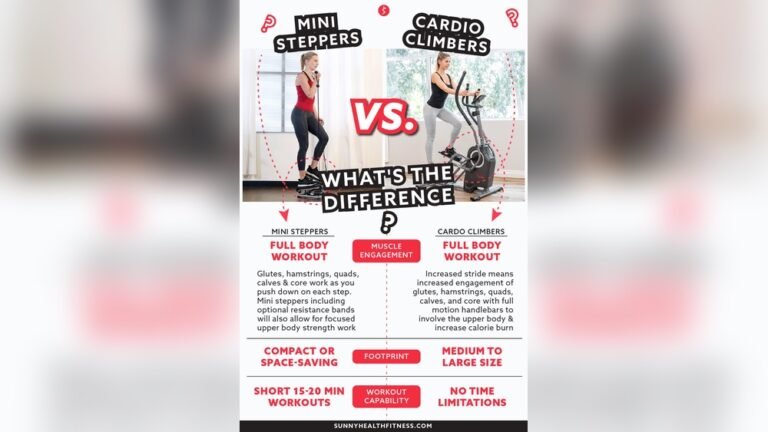
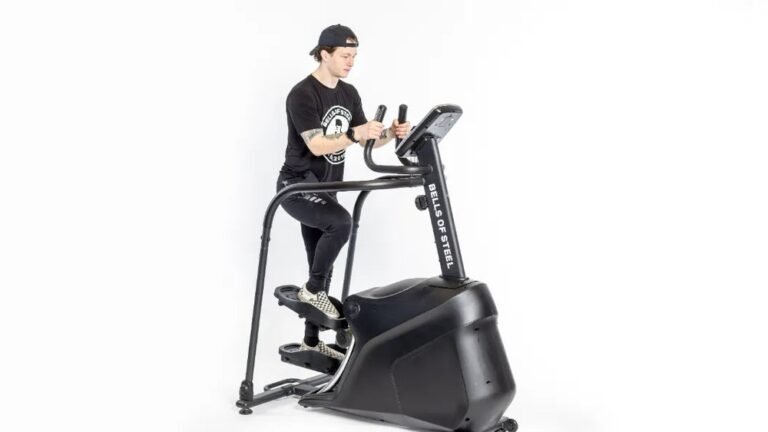
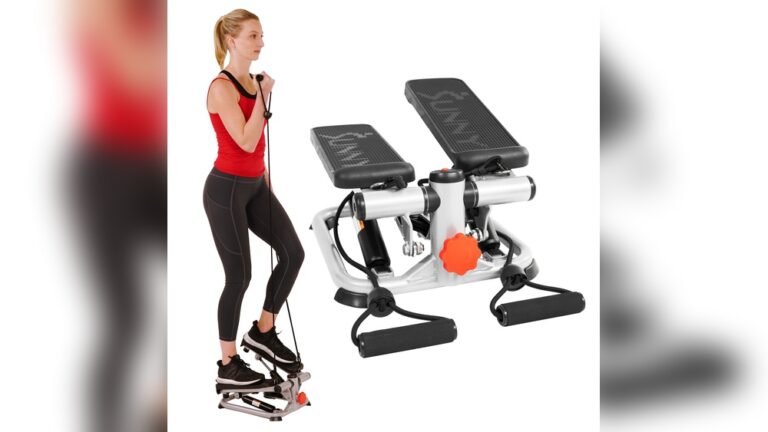
A stair stepper is a machine for exercise. It moves like stairs. You step up and down on it. It is good for your legs, heart, and bones. Some models are small and fit in any room. Others are bigger and used in gyms. Size matters when you buy one.

Credit: strengthwarehouseusa.com
Why Does Size Matter?
The size of a stair stepper affects where you can put it. It also affects how comfortable you are when using it. A stair stepper too big will not fit in small rooms. A stepper too small may not work well for tall people. Knowing the size helps avoid problems.
Main Size Terms to Know
Here are the important size parts of a stair stepper:
- Step Height: How tall each step is.
- Step Depth: How deep the step is from front to back.
- Footprint: The total space the machine takes on the floor.
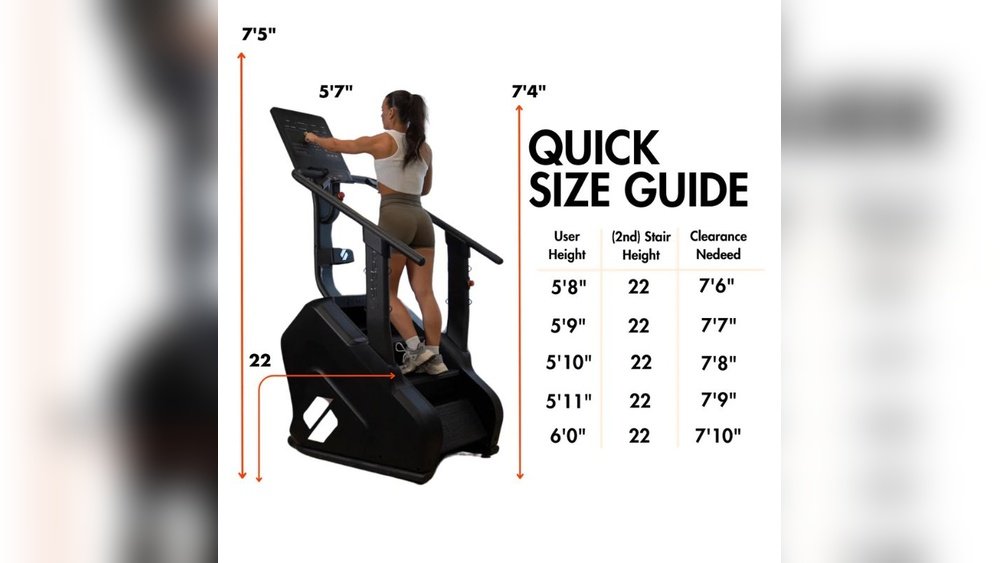
- Ceiling Height: The space needed above the machine to use it safely.
Step Height – What is Standard?
Step height is the distance your foot lifts in each step. Most stair steppers have steps between 6 and 10 inches tall. This height is safe and good for most people.
Taller steps mean more effort. Shorter steps are easier but may be less effective. Choose a step height that matches your fitness level.
Step Height Table
| Step Height (inches) | Recommended For |
|---|---|
| 6 – 7 | Beginners, elderly, light exercise |
| 7 – 8 | Average users, moderate workout |
| 8 – 10 | Advanced users, strong workout |
Step Depth – Why It Matters
Step depth is how long the step is. It affects your foot space. A deeper step feels more stable. It also helps if you have big feet.
Most stair steppers have step depths between 10 and 14 inches. Smaller step depth may feel tight. Larger step depth needs more space.
Footprint – How Much Floor Space You Need
The footprint is the total floor area the machine covers. You need to measure your room before buying. Some steppers are small and fit in corners. Others are large and need a lot of room.
Measure your available floor space. Compare it with the stepper’s footprint. This helps avoid problems when setting it up.
Common Stair Stepper Footprint Sizes
| Model Type | Typical Footprint (inches) | Best Use |
|---|---|---|
| Compact Home Stepper | 24 x 30 | Small rooms, apartments |
| Standard Home Stepper | 30 x 40 | Medium rooms, home gyms |
| Commercial Stepper | 40 x 50+ | Large gyms, fitness centers |
Ceiling Height – Don’t Forget This
When you use a stair stepper, you lift your feet high. You need enough space above your head. If the ceiling is too low, you may hit it.
Measure your room’s ceiling height before buying. Most stair steppers need at least 7 feet of ceiling height. Some commercial machines need more.
How to Measure Your Space for a Stair Stepper
- Find a spot where you want to put the stepper.
- Use a tape measure to find the width and length of the space.
- Measure the ceiling height from floor to ceiling.
- Write down these numbers for comparison.
- Check the stepper’s size and ceiling needs before buying.
Adjustable Resistance and Size
Some stair steppers have adjustable resistance. This means you can make stepping harder or easier. Adjustable resistance is good for all fitness levels.
A stepper with adjustable resistance may be larger. But it gives more workout options. Decide what you need before buying.

Credit: spartanfitness.ca
Popular Stair Stepper Models and Their Sizes
Here are some stair stepper types and their sizes. This will help you see what fits your needs.
| Model | Step Height (inches) | Footprint (inches) | Best For |
|---|---|---|---|
| STEPR Pro Classic | 7 – 9 | 35 x 50 | Home and commercial use |
| Sunny Health & Fitness Motorized | 6 – 8 | 30 x 40 | Home use with adjustable resistance |
| Life Fitness PowerMill Climber | 8 – 10 | 40 x 55 | Commercial gyms |
| STEPR GO (Compact) | 6 – 7 | 24 x 30 | Small spaces, beginner users |
Tips for Choosing the Right Size Stair Stepper
- Measure your room and ceiling height carefully.
- Think about your fitness level and goals.
- Choose step height that feels comfortable.
- Check if the footprint fits your space.
- Look for adjustable resistance for more use.
- Consider your height; taller people need larger steps.
- Read product size guides before buying.
Why Not Too Big or Too Small?
A stair stepper too big wastes space. It may be hard to move or store. Too small may be uncomfortable. You might feel cramped or unsafe.
The right size makes exercise safe and fun.
Frequently Asked Questions
What Is The Stairmaster 45:7:6 Rule?
The StairMaster 45:7:6 rule guides stair design: 45° angle, 7-inch rise, and 6-inch tread depth. It ensures safe, comfortable steps.
How To Choose A Stair Stepper?
Choose a stair stepper by considering adjustable resistance, compact size, step height, and your fitness goals. Check footprint and durability.
What Is The Standard Size Of A Stair Step?
The standard stair step size has a tread depth of 10-11 inches and a riser height of 7-8 inches. This ensures safe and comfortable climbing.
Is Stairmaster Good For Bone Density?
StairMaster workouts help improve bone density by applying weight-bearing stress. Regular use strengthens bones and reduces osteoporosis risk.
Conclusion
Choosing the right size stair stepper is easy. Measure your space first. Know the step height and depth you want. Look for a footprint that fits your room. Check ceiling height for safety. Pick a model that matches your needs.
A good size stair stepper helps you exercise better. It keeps you safe and comfortable. Use this guide to find the best stair stepper for you.

I am a certified fitness coach with over 10 years of experience helping people improve their strength, endurance, and overall health. Specializes in workout programming, weight training, fat loss, muscle building, home fitness, and evidence-based nutrition.My goal is to make fitness simple and practical through well-researched guides, honest product reviews, and actionable training advice.