You’ve invested in a rowing machine to boost your fitness and enjoy a full-body workout right at home. But are you sure you’re taking the right steps to keep it running smoothly and lasting longer?
Without proper care, even the best rowing machines can start to squeak, stick, or lose their smooth glide—frustrating your workout and risking costly repairs. In this guide, you’ll discover simple, practical maintenance tips that anyone can follow. These easy habits will protect your investment, improve your rowing experience, and keep you motivated every time you climb on.
Ready to make your rowing machine feel brand new again? Let’s dive in.
Daily Cleaning
Daily cleaning keeps your rowing machine in top shape. Dirt, sweat, and dust can build up fast. This buildup may cause parts to wear out sooner. A quick clean after each use helps protect your investment. It also keeps the machine fresh and ready for your next workout.
Wipe Down Surfaces
Use a soft cloth to wipe all surfaces. Focus on the frame, footrests, and monitor. Remove dust and sweat to prevent corrosion. Avoid harsh scrubbing that could damage the finish. Regular wiping keeps the machine looking new.
Clean Handles And Seat
Handles and seat collect sweat and oils from your skin. Use a damp cloth to clean these areas carefully. This prevents bacteria and bad odors from forming. Check for tears or damage during cleaning. Keeping these parts clean improves comfort and hygiene.
Use Mild Cleaning Solutions
Choose mild soaps or cleaners for daily cleaning. Strong chemicals can harm the machine’s materials. Mix a small amount of soap with water for best results. Apply with a soft cloth and wipe gently. This method cleans effectively without causing damage.
Chain Maintenance
The chain is a key part of your rowing machine. Proper chain maintenance keeps it running smoothly and quietly. It also extends the life of your machine. Regular attention to the chain prevents rust and damage. Clean, well-lubricated chains improve your workout experience.
Lubricate Chain Regularly
Apply lubricant to the chain every 100 uses or monthly. Use a light machine oil or a lubricant made for rowing machines. Avoid heavy oils; they attract dust and dirt. Wipe the chain clean before applying oil. Spread a thin layer evenly along the entire chain. This reduces friction and prevents rust. After lubrication, pull the chain slowly to spread oil well.
Check For Wear And Tear
Inspect the chain for signs of wear every few weeks. Look for rust, stiff links, or stretching. Replace the chain if links stick or look damaged. A worn chain can break or harm the machine. Also, check the sprocket teeth for wear. Tighten loose bolts and adjust chain tension if needed. Regular checks help avoid costly repairs and keep workouts safe.
Rail Care
The rail is a vital part of your rowing machine. It guides the seat smoothly back and forth during each stroke. Proper rail care keeps your rowing experience quiet and fluid. Dirt and dust can build up on the rail, causing friction. This slows down the seat and wears out the parts. Clean rails help maintain the machine’s performance over time. Follow these simple rail care tips to extend your rower’s life and comfort.
Wipe Rails Frequently
Use a soft, dry cloth to wipe the rails often. This removes dust and sweat that can cause rust or grime. Avoid harsh chemicals that may damage the rail’s surface. A gentle wipe after every workout keeps rails clean. Regular cleaning prevents buildup that slows seat movement. For deeper cleaning, use a cloth dampened with mild soapy water. Dry the rails thoroughly afterward to stop moisture damage.
Ensure Smooth Seat Movement
Check the seat’s glide on the rail regularly. It should move easily without sticking or noise. Apply lubricant recommended by the manufacturer to the rails. This reduces friction and protects metal parts from wear. Avoid over-lubricating, which can attract dirt and cause buildup. Inspect wheels and rollers under the seat for damage. Replace any worn parts to keep the seat sliding smoothly. Proper seat movement makes workouts more comfortable and efficient.
Flywheel Upkeep
The flywheel is the heart of your rowing machine. It controls the smoothness and resistance of each stroke. Proper care keeps it spinning freely and quietly. This ensures a better workout and longer machine life.
Regular checks and maintenance prevent wear and tear. This section covers key tips to maintain your flywheel in top shape.
Lubricate Flywheel
Lubrication reduces friction and wear on the flywheel parts. Use a light machine oil or lubricant recommended by the manufacturer. Avoid heavy oils that attract dust and dirt.
Apply lubricant to moving parts like bearings and axles. Wipe away any excess to prevent buildup. Do this every few months or after heavy use for best results.
Inspect For Noise Or Resistance
Listen for unusual sounds during your rowing sessions. Squeaks, grinding, or increased resistance may signal a problem. Check for loose screws or worn components around the flywheel.
Test the flywheel by spinning it with your hand. It should turn smoothly and quietly. Any roughness or noise means cleaning or repairs are needed. Early detection stops bigger issues later.
Hardware Checks
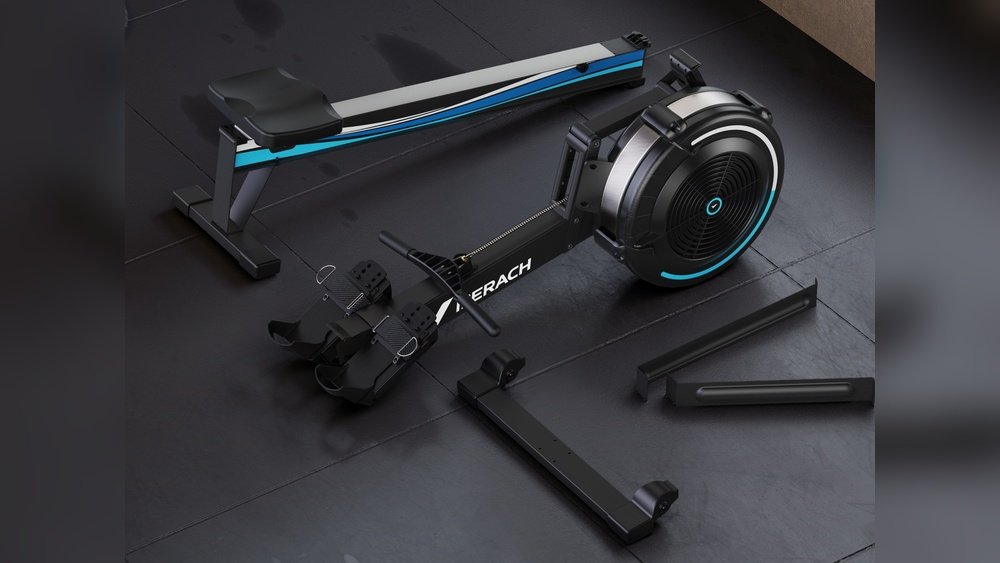
Hardware checks keep your rowing machine safe and working well. Regular inspection avoids sudden breakdowns. It helps the machine last longer and perform smoothly. Focus on key parts like screws, bolts, footrests, and pedals. These parts often loosen or wear out with use. Simple checks and adjustments prevent bigger problems later. Follow these easy steps to keep your rower in top shape.
Tighten Screws And Bolts
Loose screws and bolts cause noise and unsafe use. Use a wrench or screwdriver to tighten each one. Check all joints and moving parts carefully. Tighten gently to avoid stripping the threads. Perform this check every few weeks or after heavy use. This ensures stability and smooth rowing motion. Tight hardware reduces wear on parts and extends machine life.
Check Footrests And Pedals
Footrests and pedals hold your feet firmly during exercise. Check for cracks or damage before each session. Make sure straps are secure and not worn out. Tighten any loose screws or bolts on pedals and footrests. Replace worn straps to prevent slipping and injury. Properly fixed footrests improve comfort and rowing efficiency. Keep these parts clean and dry to avoid damage.

Credit: www.treadmilldoctor.com
Stability And Safety
Maintaining your rowing machine’s stability and safety is key for a smooth workout. A stable machine prevents accidents and improves performance. Safety measures protect both the user and the equipment. Regular checks and the right setup keep your rowing sessions safe and comfortable.
Inspect Frame Stability
Check the frame regularly for any loose bolts or parts. Tighten screws to keep the structure solid. Look for cracks or bends in the frame that may weaken it. A stable frame stops wobbling and uneven movement. Test the machine by pushing gently from different angles. If it shifts or rocks, fix it before use.
Use Protective Mats
Place a mat under your rowing machine to protect floors. Mats reduce slipping and absorb noise during workouts. They also catch sweat and dust, keeping the machine cleaner. Choose a mat that fits well and does not move around. This adds stability and safety during intense rowing sessions.
Storage Tips
Proper storage of your rowing machine helps keep it in good shape. It prevents damage and extends its life. Storing the machine correctly keeps it clean and ready for your next workout. Follow these storage tips to protect your investment.
Keep Machine Dry
Moisture can cause rust and damage moving parts. Always store the rowing machine in a dry place. Avoid damp basements or rooms with high humidity. After exercise, wipe the machine to remove sweat and moisture. Use a soft cloth to dry all surfaces thoroughly. Keeping the machine dry stops corrosion and keeps it running smoothly.
Store In A Safe Location
Choose a location where the rowing machine is safe from bumps and falls. Avoid placing it in busy walkways or near doors. Ensure the floor is level and sturdy to support the machine’s weight. If possible, use a mat to protect the floor and the machine’s base. Keep children and pets away to prevent accidents. Safe storage helps maintain the machine’s condition and your home’s safety.
Credit: homegymsupply.co.uk
Periodic Deep Maintenance
Periodic deep maintenance keeps your rowing machine in top condition. It prevents breakdowns and extends the machine’s lifespan. This maintenance goes beyond simple cleaning. It requires a detailed check of internal parts and timely replacement of worn components. Doing this regularly ensures smooth and safe workouts every time.
Inspect Internal Components
Open the machine’s casing carefully. Look for dust, dirt, or rust inside. Check the chain or belt for signs of wear. Examine the flywheel and its housing. Make sure all bolts and screws are tight. Inspect the seat rollers and track for smooth movement. Look for any unusual noises or resistance. Clean internal parts with a dry cloth or soft brush. Avoid using water inside the machine. This inspection helps catch issues early.
Replace Worn Parts
Identify parts that show damage or heavy wear. Replace chains, belts, or cables that are frayed or stretched. Change out worn seat rollers to maintain smooth sliding. Swap broken or loose bolts and screws. Use manufacturer-approved parts for best fit. Regular replacement prevents sudden breakdowns during workouts. Keep a maintenance log to track part changes. This step keeps your rowing machine working like new.
Troubleshooting Common Issues
Troubleshooting common issues on your rowing machine keeps workouts smooth. Early detection prevents bigger problems and costly repairs. Pay attention to sounds, movement, and comfort during use. Fixing minor problems yourself saves time and money. Below are tips for the most frequent issues users face.
Fixing Squeaks And Noises
Squeaks often come from dry or loose parts. Start by checking the chain and moving joints. Clean dirt and dust from these areas using a soft cloth. Apply lubricant to the chain and pivot points as recommended by the manufacturer. Avoid using too much oil to prevent buildup. Tighten any loose screws or bolts around the frame. If the noise continues, inspect the flywheel cover and tighten it if needed. Regular cleaning and lubrication reduce noise and improve machine lifespan.
Addressing Seat Or Rail Problems
Sticky or wobbly seats interrupt your rowing rhythm. Clean the rail with a damp cloth to remove sweat and dirt. Dry the rail completely before use to avoid rust. Check the seat wheels or rollers for damage or wear. Replace worn wheels to ensure smooth gliding. Tighten any loose bolts that hold the seat in place. If the seat shifts side to side, adjust the seat alignment. Maintaining the seat and rail ensures comfortable and efficient workouts.

Credit: americanhomefitness.com
Frequently Asked Questions
Do Rowing Machines Need Maintenance?
Rowing machines need regular maintenance to ensure smooth operation and longevity. Clean surfaces after each use and lubricate the chain as instructed. Check rails and moving parts periodically to prevent wear. Proper care boosts performance and extends the machine’s life.
How Much Rowing Is Equal To 10,000 Steps?
Rowing for 30 minutes at moderate intensity equals about 10,000 steps. This burns similar calories and boosts cardiovascular health.
Can Rowing Lower Cholesterol?
Rowing helps lower cholesterol by improving heart health and boosting metabolism. It combines cardio and strength training effectively. Regular rowing reduces bad cholesterol (LDL) and raises good cholesterol (HDL). This full-body workout supports weight management and enhances overall cardiovascular fitness.
Can I Use A Rowing Machine If I Have Sciatica?
Rowing can help strengthen back and core muscles, potentially easing sciatica pain. Consult a healthcare professional before starting.
Conclusion
Regular maintenance keeps your rowing machine working well. Clean it after each use to avoid dirt buildup. Lubricate moving parts to ensure smooth operation. Check bolts and screws often for tightness and safety. Protect the machine from moisture and extreme temperatures.
Small efforts extend the life of your equipment. Enjoy better workouts with a well-maintained rower. Simple care saves money on repairs and replacements. Stay consistent, and your rowing machine will serve you longer.
I am a certified fitness coach with over 10 years of experience helping people improve their strength, endurance, and overall health. Specializes in workout programming, weight training, fat loss, muscle building, home fitness, and evidence-based nutrition.My goal is to make fitness simple and practical through well-researched guides, honest product reviews, and actionable training advice.