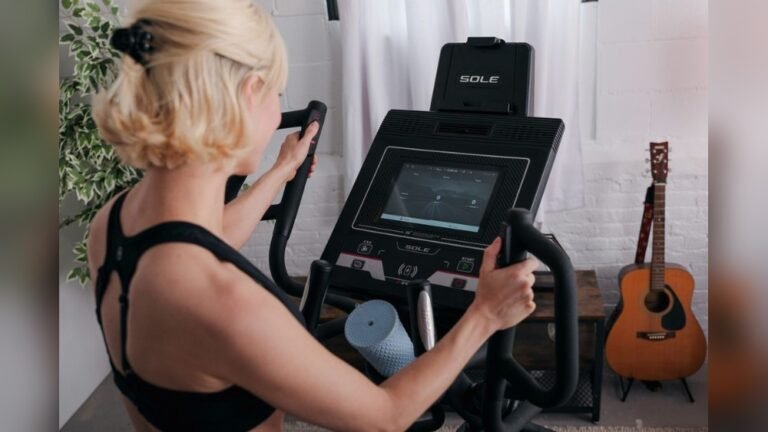
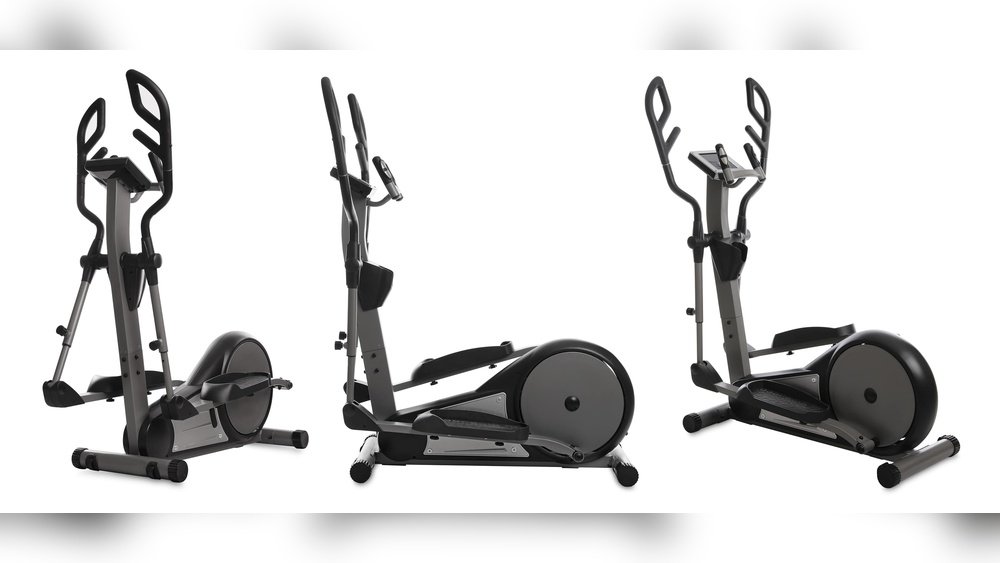
Using an elliptical machine is a fantastic way to boost your fitness while being gentle on your joints. But before you step on and start moving, it’s important to know how to stay safe.
Are you confident you’re using your elliptical correctly? Small mistakes can lead to discomfort or injury, and that’s the last thing you want. You’ll discover simple, practical safety tips that help you get the most out of your workout without risking harm.
Ready to protect your body and enjoy every session? Let’s dive into the key steps that will keep you safe every time you use your elliptical machine.
Choosing The Right Elliptical
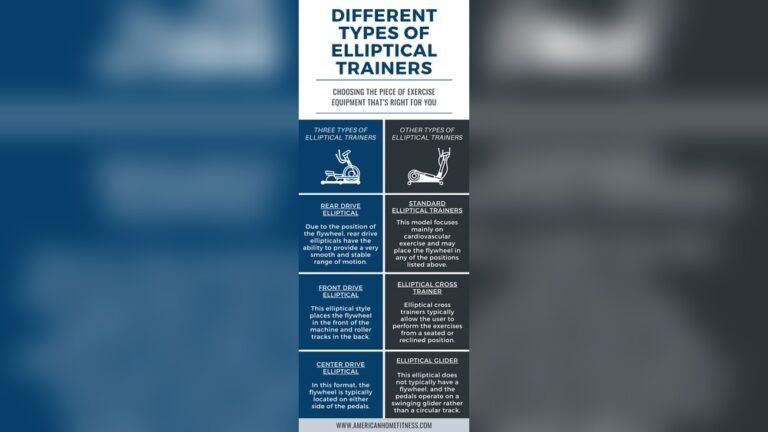
Check the stability of the elliptical before buying. Make sure it does not wobble or shake during use. A stable machine helps prevent falls and injuries.
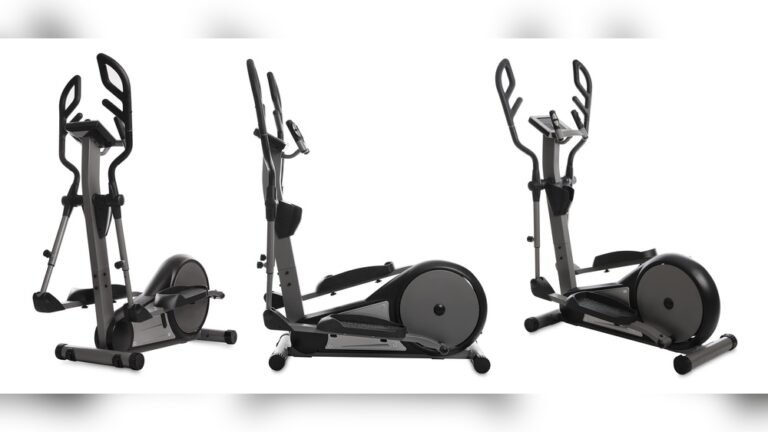
Consider the size and fit of the elliptical. Choose a model that matches your height and stride length. This ensures comfort and reduces strain on your joints.
Look for important safety features like non-slip pedals, emergency stop buttons, and sturdy handrails. These features make your workout safer and more secure.
Credit: www.youtube.com
Preparing For Your Workout
Wear comfortable clothes that allow easy movement and help keep you cool. Avoid tight or heavy fabrics that might restrict motion or cause overheating.
Choose shoes with good support and grip. Athletic shoes with cushioning protect your feet and reduce impact on joints.
Start your workout with a light warm-up. This prepares your muscles and heart for exercise. Gentle stretching helps increase flexibility and lowers injury risk. Focus on legs, hips, and lower back stretches for best results.
Safe Elliptical Techniques
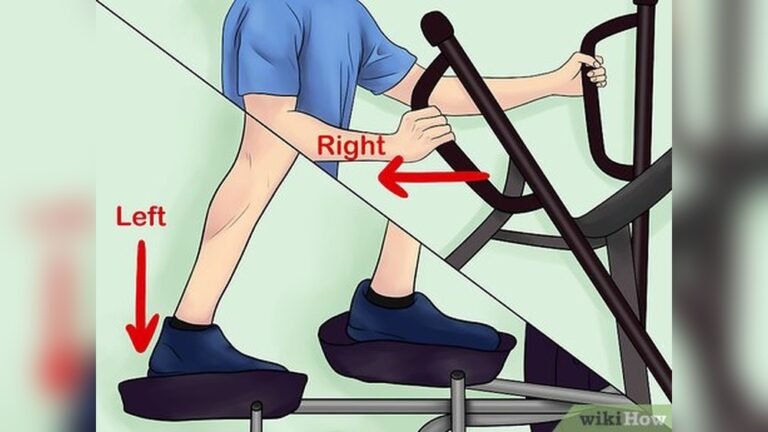
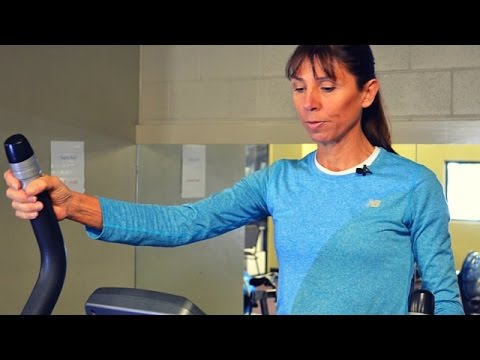
Keep your back straight and head up. Avoid leaning forward or slouching. Use the handlebars to help balance, but do not grip too tightly. Let your arms move naturally with the handles.
Set a comfortable speed. Too fast can cause loss of control. Slow down if you feel off balance. Avoid sudden stops or starts to protect your joints.
Do not overstride. Step within the machine’s natural range. Overstriding can strain your hips and knees. Keep your feet moving smoothly and evenly.
Preventing Common Injuries
Watch for signs like pain, dizziness, or unusual tiredness. These are warning signs to stop and rest. Taking rest breaks helps muscles recover and prevents strain. Pause every 10-15 minutes during your workout.
Adjust the resistance level slowly and carefully. Avoid sudden changes that can cause muscle or joint stress. Use a comfortable resistance that matches your fitness level. This keeps your workout safe and effective.
Hydration And Cooling Down
Drinking enough water is important during elliptical workouts. It helps keep your body cool and your muscles working well. Take small sips often, not just when you feel thirsty. Carry a water bottle to stay ready.
After exercise, a cool down routine helps your heart rate go back to normal. Slow your pace on the machine for 3 to 5 minutes. This lowers your risk of dizziness or muscle cramps. Stretching your legs gently after can reduce stiffness.
Maintaining Your Elliptical
Check your elliptical regularly to keep it safe and working well. Look for loose screws, bolts, or parts. Tighten them to avoid accidents or damage.
Clean your machine often. Dust and sweat can cause parts to wear out fast. Use a soft cloth and mild cleaner. Avoid harsh chemicals that can harm the surface.
Keeping the elliptical clean also helps it run smoothly. Wipe down handles, pedals, and screen after each use. This stops dirt from building up.
Child Safety Around Ellipticals
Keep children away from the elliptical during use. The moving parts can cause serious injuries. Always make sure kids are in another room or supervised by an adult.
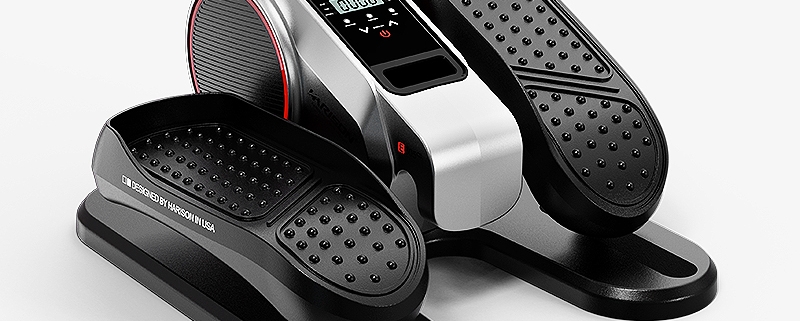
When the elliptical is not in use, secure the machine. Turn off and unplug it to prevent accidental start. Lock or block pedals if possible to stop movement.
Store any keys or remote controls out of children’s reach. This simple step helps avoid unexpected accidents and keeps everyone safe.
Credit: www.harisonfitness.com
Workout Duration And Intensity
Set a realistic workout time. Start with 10 to 15 minutes. Gradually increase as your body adapts. This helps avoid overexertion and injury.
Balance workout intensity levels. Mix low and moderate speeds. Avoid high intensity for long periods. This reduces risk of fatigue and strain.
Listen to your body. Stop if you feel pain or dizziness. Rest and hydrate during breaks. This keeps your workout safe and effective.
Credit: www.treadmilldoctor.com
Frequently Asked Questions
Is Elliptical Ok For Herniated Discs?
Elliptical exercise can be safe for herniated discs if done with proper form and low resistance. Always consult a doctor first.
What Are The 5 Rules Of Exercise Safety?
1. Warm up properly before starting exercise to prevent injuries. 2. Use correct form and technique during workouts. 3. Wear appropriate, comfortable clothing and supportive shoes. 4. Stay hydrated throughout your exercise session. 5. Cool down and stretch after exercising to aid recovery.
What Are Common Elliptical Mistakes?
Common elliptical mistakes include poor posture, gripping handles too tightly, using incorrect resistance, skipping warm-ups, and neglecting hydration.
Is 20 Minutes Of Elliptical A Day Enough?
Yes, 20 minutes on the elliptical daily boosts cardiovascular health and burns calories effectively. Consistency matters most.
Conclusion
Using an elliptical machine safely helps prevent injuries and improves workout quality. Always wear proper shoes and dress comfortably. Warm up before starting, and stretch to prepare your muscles. Keep a steady pace and avoid rushing. Stay hydrated during your exercise session.
Regularly check your machine for loose parts or wear. Keep children away from the elliptical while in use. Follow these simple tips to enjoy a safe and effective workout every time. Safety first, fitness always.
I am a certified fitness coach with over 10 years of experience helping people improve their strength, endurance, and overall health. Specializes in workout programming, weight training, fat loss, muscle building, home fitness, and evidence-based nutrition.My goal is to make fitness simple and practical through well-researched guides, honest product reviews, and actionable training advice.