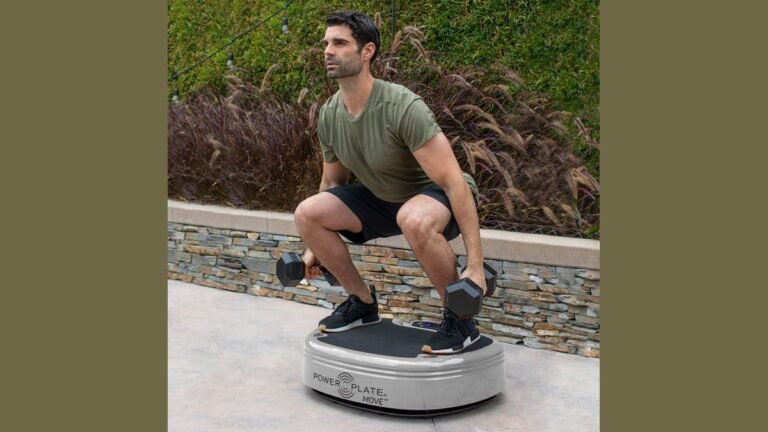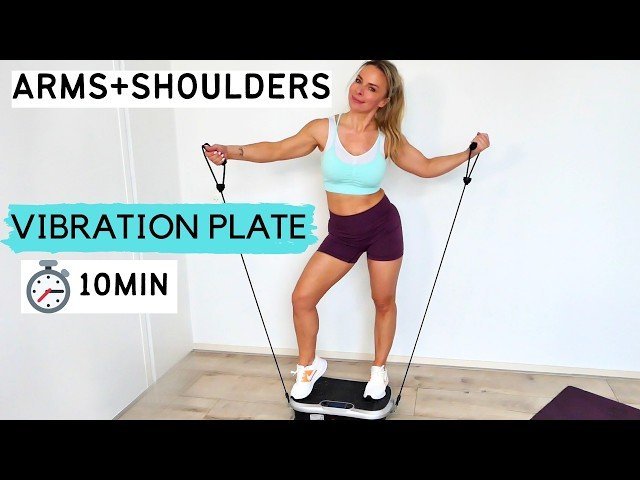

The Confidence Fitness vibration plate is a budget, entry-level machine for light home use. It’s fine for gentle standing exercises and short sessions, but it isn’t built for heavy training or daily hour-long workouts.
Who should read this

People who type this title usually fall into three groups. The third is a shopper comparing cheap plates and trying to work out why one is inexpensive while another costs far more.
This page serves the first two best. It assumes you want light, casual use — a few short sessions a week, standing or sitting, at low to medium speed. If you’re a serious lifter chasing muscle gain, or you weigh well above the plate’s stated user limit, this isn’t the right page for you.
What actually decides your result
Body weight against the plate’s user limit is the biggest factor.
Session length matters too. A 10-minute session at a comfortable speed is a normal starting point. Going longer doesn’t automatically mean better results, and it does mean more strain on a budget motor.
The one people get wrong most often is footing. Locked knees and flat feet send vibration straight through your joints. A slight knee bend and relaxed stance changes that completely.
Using the plate step by step
-
Read the user weight limit first. Find it in the manual or on the product listing. If your weight is at or near that figure, stop here — this machine isn’t for you.
-
Place it on a hard, flat floor. Carpet absorbs vibration and makes the plate wobble. Check by pressing each corner — none should rock.
-
Start with 60 seconds at the lowest speed. Stand with feet shoulder-width apart, knees slightly bent. The sign it worked: you feel a gentle buzz, not a jolt.
-
Add a 10-minute session, 3 times in the first week. Keep the speed low. If you feel dizzy or your vision blurs, step off and sit down.
-
Bend your knees a little more each session. This lets your muscles absorb some vibration instead of your joints. You’ll feel it in your thighs, not your ankles.
-
Try one balance hold — 20 to 30 seconds on one leg. Use a wall or chair for support. The sign it worked: you stay steady without gripping the support hard.
-
Keep total daily time under 20 minutes at first. Build up only if you feel fine the next day.
-
Stop and rest if you get sore joints. Joint pain the next morning means the speed or time was too much. Drop back a level.
The judgement call is knowing when to stop adding time. People treat more minutes as more progress, but on a budget plate the motor and your joints both pay for it. If you finish a session feeling energized rather than drained, you’ve got the dose right.
If you have a heart condition, a pacemaker, a recent fracture, or you’re pregnant, don’t use a vibration plate without asking your doctor first. That’s a medical question, not a product question.
Common setups at a glance
| Your situation | What to do | What it takes | What to watch for |
|---|---|---|---|
| Total beginner, low fitness | Low speed, 5-10 min sessions | A few minutes a day | Dizziness at first |
| Want balance work | One-leg holds with support | 20-30 seconds per side | Gripping the support too hard |
| Stretching after work | Sit or stand, low speed | 10 minutes | Sore joints next day |
| Small apartment | Hard floor, mat underneath | No extra cost | Neighbors below you |
| Sharing with a partner | Check both weights vs limit | One check | Heavier user strains motor |
| Limited mobility | Seated use only | Chair with firm seat | Sliding off the seat |
What good use looks like

Prepare before you switch it on
Experienced users check the weight limit, the floor surface, and their own footwear before touching the controls. Bare feet or flat trainers give you grip and let you feel the vibration properly. Thick cushioned shoes soak up the movement and hide what the plate’s actually doing.
Work in short, repeatable blocks
A steady 10 minutes, three times a week, beats one long 40-minute session. Consistency is what builds tolerance, and short blocks also protect a budget motor from overheating. Skip the temptation to run it while you watch a full episode of something.
Problems and fixes
| What you notice | What it usually means | What to do first | How to stop it again |
|---|---|---|---|
| Plate wobbles or walks | Uneven floor or soft carpet | Move to hard flat floor | Check all four corners |
| Motor smells hot | Session too long | Switch off, let it cool | Keep sessions under 20 min |
| Numb or tingling feet | Speed too high for you | Drop one speed level | Shorten each session |
| Dizziness | Vibration affecting balance | Step off, sit down | Lower speed, hold support |
| Sore knees next day | Locked knees during use | Bend knees slightly | Reduce time and speed |
| Squeaking noise | Loose bolt or worn part | Check fixings are tight | Tighten after each few uses |
The rules and limits that apply
Vibration plates sold as fitness equipment in the US fall under general consumer product safety rules, and the U.S. Consumer Product Safety Commission handles recalls and safety complaints. There’s no special license needed to buy or use one at home.
The limits that matter are the ones the maker sets: the maximum user weight, the maximum session time, and any health warnings in the manual. Those are in the box and on the product page, and they override anything a review says.
What it really costs you
The money is the small part. The real cost is your time and your joints. A budget plate asks for short, regular sessions, and it rewards patience rather than effort.
Prices for home vibration plates range widely — from around the price of a cheap gym mat up to several hundred dollars — and they change often, so check the current listing rather than trusting any figure you read. What moves the price up: higher user weight limits, stronger motors, and more speed settings.
Keeping it working
Wipe the plate down after each use and check the bolts every few weeks — vibration loosens fixings over time. Store it flat, not leaning against a wall, and keep it away from damp.
The sign it needs attention is a new noise, a wobble, or a motor that smells warm after a short session. Stop using it and check the manual’s troubleshooting page. Most minor issues are loose fixings or an overloaded session, and both are fixable without replacing the machine.
When this isn’t the right choice

Skip this plate if you weigh near or above its stated user limit — buy a machine rated for your weight instead. Skip it if you want real muscle or strength gains; resistance training with weights does that job far better.
And skip it if you have a pacemaker, are pregnant, or have a joint or heart condition, unless your doctor clears you first. In those cases, a physiotherapist or your doctor is the right person to ask, not a product page.
Frequently asked questions
Is a Confidence Fitness vibration plate worth it?
Yes, for light home use at a low price. It’s worth it if you want gentle movement, stretching, or balance work a few times a week. It isn’t worth it if you expect muscle gain or heavy daily training.
How long should you use a vibration plate each day?
Start with 5-10 minutes per session, up to 3 times a week, at low speed. Build toward 15-20 minutes only if your joints feel fine the next day. More time isn’t automatically better on a budget motor.
Can you lose weight using a vibration plate?
Only as part of a wider calorie deficit. Vibration plates burn far fewer calories than walking or cycling, so treat them as a small add-on to diet and other exercise — not a weight-loss method on their own.
Is it safe to use every day?
For most healthy people, yes, at short low-speed sessions. Give yourself at least one rest day a week and stop if you get joint pain, dizziness, or numb feet. Check your manual for the maker’s own guidance.
What happens if you go over the weight limit?
The motor strains, the frame can crack, and the warranty usually won’t cover it. The limit is printed in the manual and on the listing. If you’re near it, choose a higher-rated machine instead.
Does it matter what you wear on a vibration plate?
Yes. Bare feet or thin flat trainers give grip and let you feel the vibration. Thick cushioned shoes absorb the movement, so you get less from the session and you can’t tell if the speed is too high.
Can you use a vibration plate if you have a bad back?
Ask your doctor or physiotherapist first. Some back conditions handle gentle vibration well and others don’t, and no product page can tell you which group you’re in. Get a medical answer before you start.
How long does a cheap vibration plate last?
It depends on your weight, session length, and how often you use it. There’s no fixed lifespan you can rely on. The sign it’s fading is a weaker vibration, new noise, or a motor that heats up fast.
Start here
Do the weight-limit check first — that single number decides whether this plate is even an option for you. If it passes, expect gentle, pleasant sessions within a week, and steadier balance within a few. If you get chest pain, severe dizziness, or joint pain that doesn’t settle in a day or two, stop and speak to your doctor.
I am a certified fitness coach with over 10 years of experience helping people improve their strength, endurance, and overall health. Specializes in workout programming, weight training, fat loss, muscle building, home fitness, and evidence-based nutrition.My goal is to make fitness simple and practical through well-researched guides, honest product reviews, and actionable training advice.