If you’re serious about keeping your home gym neat and safe, knowing how to use a dumbbell rack can make all the difference. Imagine no more cluttered floors or wasted time searching for the right weight.
With the right rack, your dumbbells are organized, easy to access, and your workout flows smoothly from start to finish. Whether you have just a few pairs or a full set of heavy dumbbells, this guide will show you how to make the most of your dumbbell rack, so your space stays tidy and your training stays on point.
Ready to transform your workout area? Let’s dive in!
Benefits Of Dumbbell Racks
Dumbbell racks offer many benefits for anyone using free weights. They help keep your workout area neat and safe. With a rack, you can find the right weight fast. This saves time and helps you focus on your exercises. Dumbbell racks also protect your floor from damage. They come in designs that fit small or large spaces. Plus, they make your gym look more organized and professional.
Safety Enhancements
Dumbbell racks keep weights off the floor. This reduces the risk of tripping and injuries. Heavy dumbbells stored properly do not fall or roll. Floors stay protected from dents and scratches. Safe storage means a safer workout area for everyone.
Improved Organization
Racks arrange dumbbells by size or weight. This organization helps you find weights quickly. No more searching or moving clutter around. A tidy gym feels inviting and makes workouts smoother. You can focus fully on training without distractions.
Workout Efficiency
Having dumbbells in one place speeds up your routine. You spend less time picking and changing weights. This keeps your heart rate steady and muscles active. Efficient workouts lead to better results in less time. A rack supports a fast and effective training session.
Space Saving Designs
Vertical racks use little floor space and fit tight rooms. Horizontal racks hold many dumbbells in a stable way. Both designs maximize your gym area. They help keep your workout zone open and free. Space-saving racks allow you to add more equipment if needed.
Aesthetic Appeal
Dumbbell racks create a clean, professional look. Neat storage shows care and discipline in your gym. A well-arranged space feels motivating and welcoming. Your workout area looks more attractive and inviting. A good rack adds style and order to any gym.

Credit: www.panattasport.com
Choosing The Right Rack
Choosing the right dumbbell rack is important for your workout space. It helps keep your gym organized and safe. The right rack holds your dumbbells properly and fits your room well. Consider several key points before buying to get the best rack for your needs.
Material And Durability
Pick a rack made from strong materials like steel. Steel racks last longer and hold heavy weights safely. Avoid racks with plastic parts for heavy dumbbells. Look for racks with powder-coated finishes to stop rust. Durable racks protect your dumbbells and floor from damage.
Weight Capacity
Check the rack’s weight limit before buying. The rack must support all your dumbbells together. Add some extra capacity if you plan to buy more weights. Overloading a rack can cause it to bend or break. Choose a rack with clear weight capacity details.
Rack Styles: Vertical Vs Horizontal
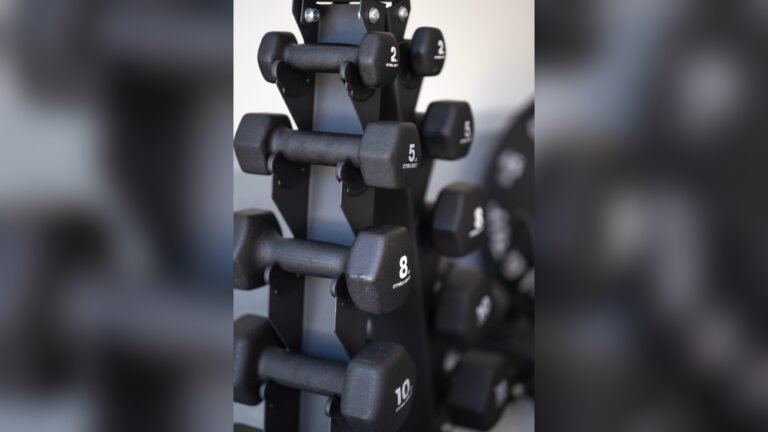
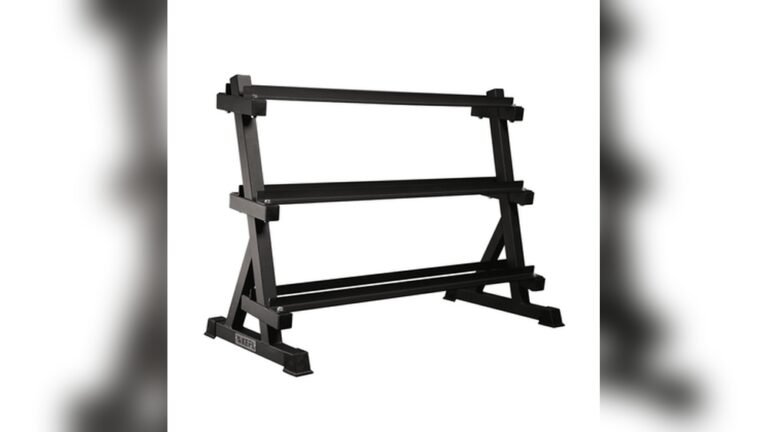
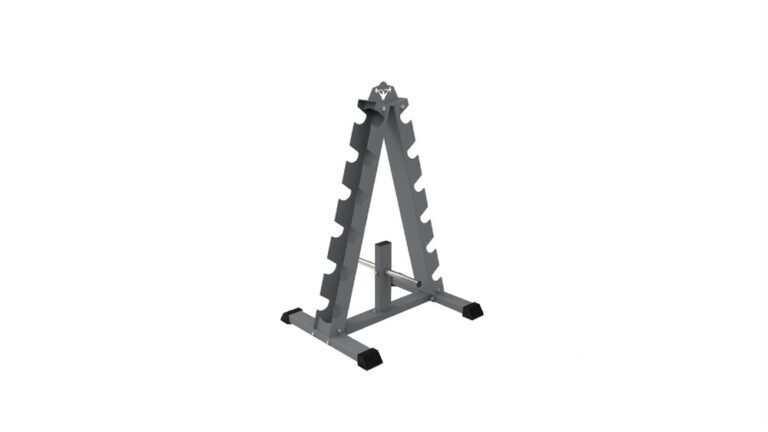
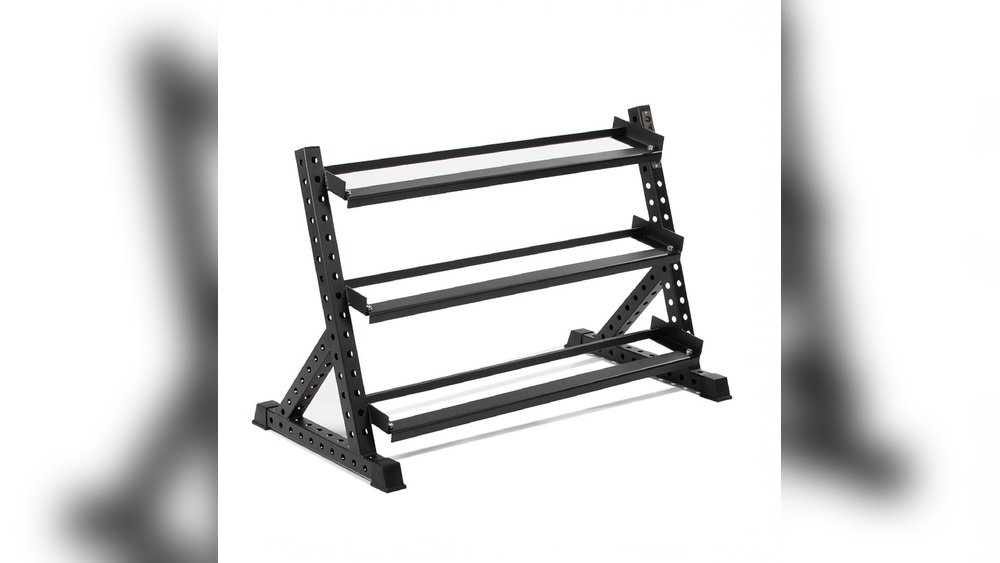
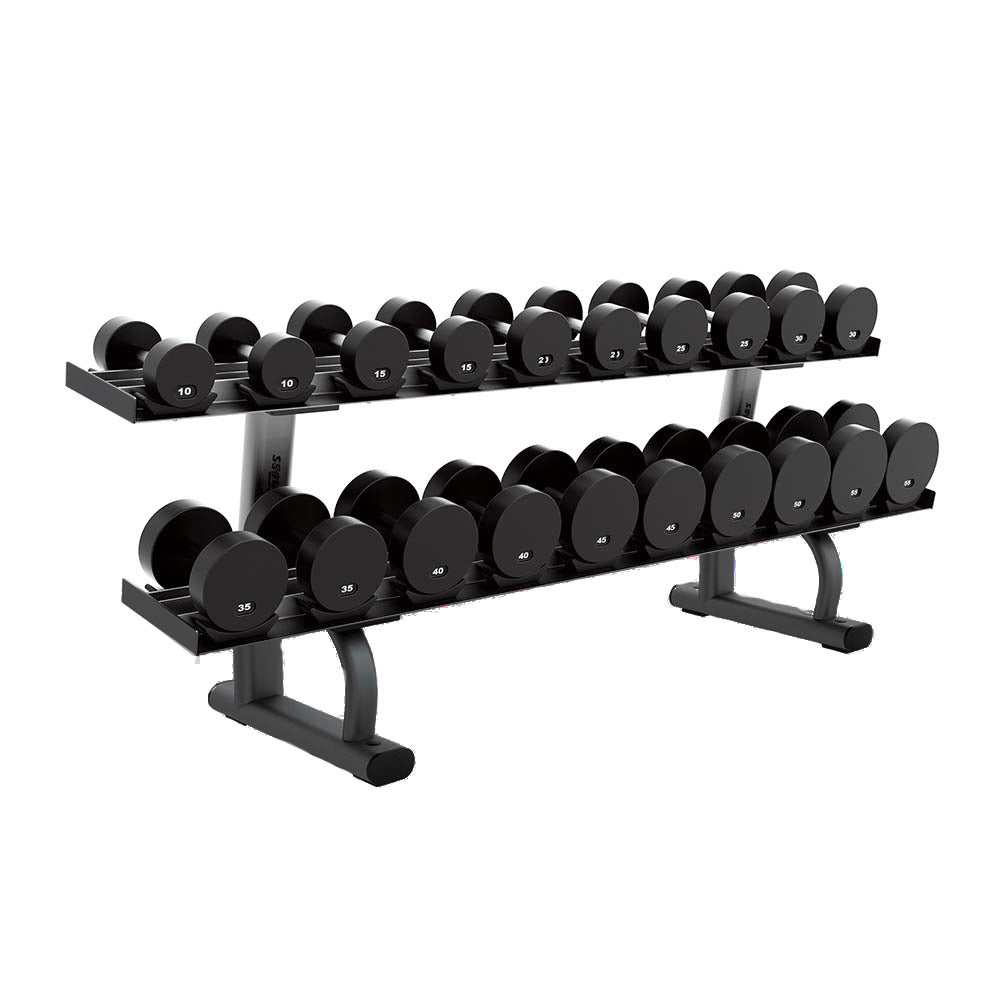
Vertical racks save floor space by stacking dumbbells upward. They work well in small rooms or tight corners. Horizontal racks hold dumbbells side by side on shelves. They make it easier to pick up heavy dumbbells. Decide based on your space and how you prefer to reach weights.
Size And Space Considerations
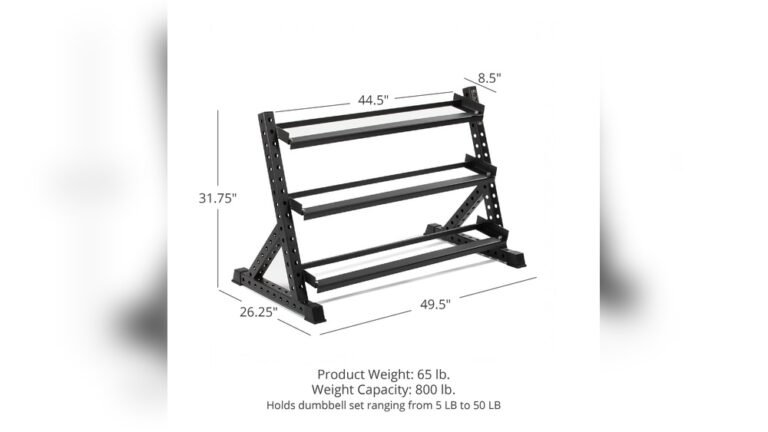
Measure your available gym space before choosing a rack. Leave room to move around and safely pick up weights. Consider the height, width, and depth of the rack. A too-large rack can crowd your space. A compact rack fits better but may hold fewer dumbbells.
Setting Up Your Dumbbell Rack
Setting up your dumbbell rack correctly is key to a safe and efficient workout space. A well-placed rack keeps your dumbbells organized and your gym clutter-free. It also helps protect your floors and equipment. Follow these simple steps to get your dumbbell rack ready for use.
Optimal Placement In Home Gym
Choose a flat, stable surface for your dumbbell rack. Place it near your workout area for easy access. Avoid blocking walkways or doors. Ensure there is enough space around the rack to pick up and return weights safely. Keep the rack away from moisture to prevent rusting.
Assembly Tips
Read the instruction manual before starting assembly. Lay out all parts and tools in one place. Tighten all screws and bolts firmly but avoid over-tightening. Assemble the rack on a soft surface to prevent scratches. Check stability after assembly and adjust if needed.
Securing The Rack For Safety
Anchor the rack to the wall if possible to prevent tipping. Use safety straps or brackets for added security. Place rubber mats under the rack to reduce slipping. Regularly inspect the rack for loose parts or damage. Keep children and pets away from the rack area.
Maximizing Workout Efficiency
Maximizing workout efficiency with a dumbbell rack means saving time and staying focused. A well-organized rack helps you find the right weights quickly. It also keeps your space safe and clutter-free. This allows smooth transitions between exercises without interruptions. Efficiency leads to better workout flow and faster progress.
Organizing Dumbbells By Weight
Arrange dumbbells from lightest to heaviest on the rack. This order helps you spot the right weight instantly. Grouping weights makes switching easier during circuits or supersets. Labeling each section can add clarity. Keep heavier dumbbells on lower shelves for safety. This setup reduces effort and speeds up your routine.
Quick Access Techniques
Place your most used dumbbells at eye level or within arm’s reach. This reduces bending or stretching during workouts. Use a rack design that allows easy grab and return. Keep your workout space clear of other equipment nearby. Avoid stacking dumbbells on the floor to prevent delays. Quick access saves energy and keeps your focus on exercises.
Maintaining A Clutter-free Space
Return each dumbbell to its spot immediately after use. This prevents clutter and keeps the area safe. Clean your rack regularly to avoid dust build-up. Use a mat under the rack to protect your floor. A tidy space boosts motivation and reduces injury risk. Regular maintenance ensures your rack stays functional and neat.
Common Dumbbell Handling Mistakes
Handling dumbbells incorrectly can reduce workout effectiveness and increase injury risk. Many beginners make simple mistakes that affect their form and safety. Learning common errors helps improve your technique and protect your body.
Avoiding Momentum Use
Using momentum means swinging dumbbells instead of lifting them with muscle control. This reduces exercise benefits and can strain joints. Focus on slow, steady movements. Lift and lower weights carefully. Avoid jerking or bouncing the dumbbells. Controlled motion targets muscles better and lowers injury risk.
Maintaining Proper Form
Good form is key for safe, effective workouts. Keep your back straight and core engaged. Hold dumbbells firmly but not too tight. Align wrists with your forearms to avoid strain. Stop if you feel sharp pain or discomfort. Proper form helps build strength evenly and prevents bad habits.
Preventing Injury Risks
Injuries often come from poor handling and overloading weights. Warm up before lifting. Use weights that match your strength level. Avoid sudden twists or jerks with dumbbells. Store dumbbells properly on the rack to prevent trips or falls. Rest between sets to let muscles recover. Safe habits protect joints and muscles.

Credit: shop.lifefitness.com
Maintenance And Care
Proper maintenance and care keep your dumbbell rack in top shape. Regular attention prevents damage and ensures safety. A well-maintained rack lasts longer and looks better in your gym space.
Cleaning Your Rack
Wipe your dumbbell rack with a damp cloth weekly. Use mild soap for tough stains or dirt. Avoid harsh chemicals that can damage the rack’s finish. Dry the rack completely to prevent rust. Clean racks stop dust buildup and keep your gym fresh.
Inspecting For Wear And Tear
Check your rack monthly for any signs of damage. Look for loose bolts, cracks, or rust spots. Tighten any loose screws or bolts immediately. Rust can weaken the metal and cause safety issues. Early inspection helps avoid accidents and costly repairs.
Extending Rack Lifespan
Place your rack on a dry, flat surface to prevent wobbling. Avoid overloading the rack beyond its weight limit. Store dumbbells evenly to balance the load. Use protective mats underneath to reduce floor moisture. These steps protect your rack and extend its useful life.
Alternatives To Dumbbell Racks
Not everyone needs a dumbbell rack to keep their weights organized. Many alternatives offer practical and simple ways to store dumbbells safely. These options can fit different spaces and budgets while maintaining order and safety.
Simple Storage Solutions
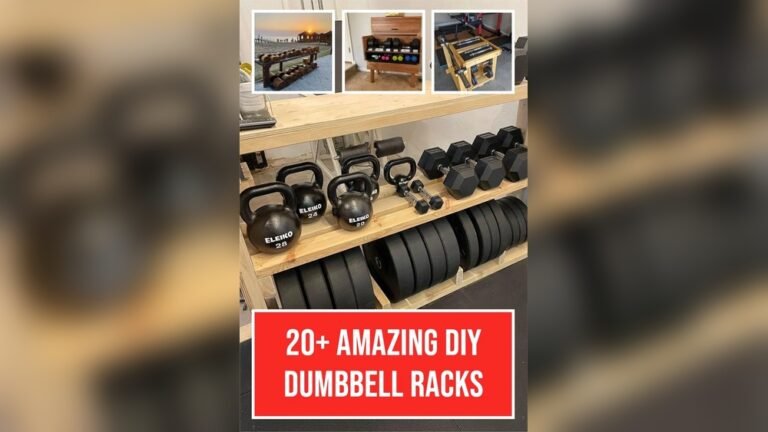
Stacking dumbbells on sturdy shelves can save space. Use wooden or metal shelving units that support the weight well. Place rubber mats under the shelves to protect floors from scratches.
Another idea is to use heavy-duty storage bins or crates. These keep dumbbells contained and prevent them from rolling around. Label each bin by weight for easy access during workouts.
Wall-mounted hooks or brackets can hold lighter dumbbells. Secure them properly to avoid accidents. This method frees up floor space and keeps your gym tidy.
When A Rack Might Not Be Necessary
If you own only one or two pairs of dumbbells, a rack may not be essential. Storing them in a corner or under a bench can work well. This keeps your weights out of the way without extra equipment.
In small spaces, a rack might take up too much room. Using multi-purpose furniture, like an ottoman with storage inside, can hide dumbbells neatly. This approach blends fitness gear into your living area.
Some users prefer to keep dumbbells on the floor with floor protectors. This is fine if you have limited weights and clean workout habits. Always maintain safety to prevent tripping hazards.
Credit: shop.lifefitness.com
Frequently Asked Questions
Are Dumbbell Racks Worth It?
Dumbbell racks improve safety by preventing clutter and injuries. They organize weights for faster workouts and protect floors. Racks save space and enhance gym aesthetics. For multiple dumbbells, racks are a smart investment that boosts efficiency and keeps your home gym tidy.
Is A 20 Pound Dumbbell 40 Pounds?
No, a 20-pound dumbbell weighs exactly 20 pounds, not 40 pounds. Weight labels reflect actual mass.
What Are Common Mistakes In Dumbbell Rows?
Common dumbbell row mistakes include jerking the weight, rounding the back, flaring elbows wide, pulling too high, and shrugging shoulders. Keep a stable torso and pull towards your hip for better back engagement and safety.
Do Heavy Dumbbells Go On Top Or Bottom Of Rack?
Place heavy dumbbells on the bottom rack to ensure stability and prevent the rack from tipping over. Lighter dumbbells go on top. This arrangement improves safety and makes lifting easier.
Conclusion
Using a dumbbell rack keeps your workout area neat and safe. It helps you find weights quickly and saves floor space. Choosing the right rack depends on your dumbbell size and gym space. Proper use prevents accidents and protects your floors.
Keep your dumbbells organized for a smoother workout experience. A good rack makes lifting easier and your gym look better. Remember, a tidy space boosts motivation and workout flow. Invest time in setting up your rack right. You’ll enjoy safer, faster, and more effective training sessions.
I am a certified fitness coach with over 10 years of experience helping people improve their strength, endurance, and overall health. Specializes in workout programming, weight training, fat loss, muscle building, home fitness, and evidence-based nutrition.My goal is to make fitness simple and practical through well-researched guides, honest product reviews, and actionable training advice.