Choosing the right folding treadmill can be tricky if you’re unsure about the size you actually need. You want a treadmill that fits your space perfectly without feeling cramped or bulky.
But how do you figure out the best dimensions for your height, workout style, and room? This size guide for folding treadmills will help you make that decision easy and stress-free. By understanding key measurements and what to look for, you’ll find the perfect treadmill that fits your lifestyle and space—so you can focus on your fitness without any hassle.
Keep reading to discover exactly how to pick the right size folding treadmill for you.
Choosing Treadmill Size
Choosing the right size folding treadmill is important for a good workout and safe use. The treadmill size affects your comfort and the space it occupies. Understanding how to match treadmill size with your needs helps you make the best choice.
Consider your height, workout type, and available room before buying. This guide explains key points to help you pick the perfect treadmill size.
Matching Treadmill To Height
Your height affects the treadmill length you need. Taller people require longer running belts to avoid stepping off the edge. A belt length of 55 to 60 inches suits most users under 6 feet tall. For those over 6 feet, 60 inches or more is better. Width also matters; 20 inches wide is standard and comfortable for most users.
Running Vs Walking Treadmills
Running treadmills need longer and wider belts. They allow for longer strides and faster speeds. Walking treadmills can be shorter and narrower because strides are smaller. Folding treadmills often suit walkers best. Choose a treadmill type based on your main activity to get the right size.
Space Requirements
Measure your available space before selecting a treadmill. Folding treadmills save space by folding after use. Still, check the unfolded size to ensure it fits. Leave extra room for safe mounting and dismounting. Consider ceiling height if the treadmill has a raised display or incline feature. Proper space helps avoid accidents and keeps your area tidy.
Credit: www.extraspace.com
Folding Treadmill Benefits
Folding treadmills offer many benefits that suit small homes and busy lifestyles. They provide a practical workout solution without taking up much room. These treadmills fold easily, making them ideal for various spaces and users. Understanding these benefits helps you choose the right model for your needs.
Space-saving Features
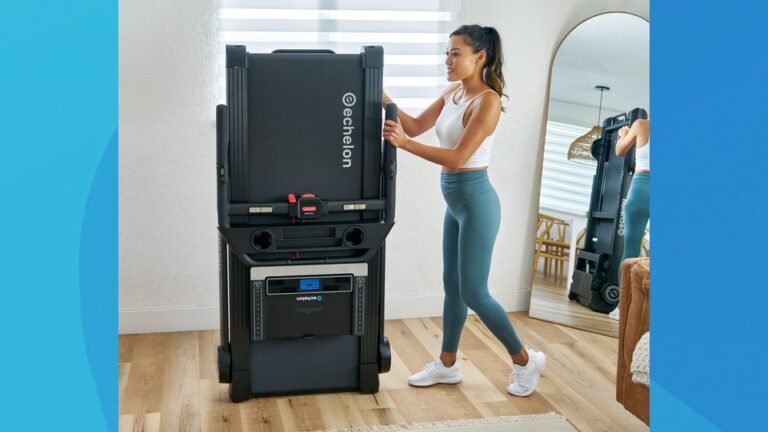
Folding treadmills save valuable floor space. The running deck folds up vertically, reducing the treadmill’s footprint. This feature allows you to place the treadmill in tight spots. Perfect for apartments or rooms with limited space. You can have a home gym without clutter.
Ease Of Storage
Storing a folding treadmill is simple and fast. Once folded, it fits easily against a wall or inside a closet. This keeps your living area neat and organized. No need to leave the treadmill out all day. You can set it up for exercise and fold it away afterward.
Portability
Many folding treadmills include wheels for easy movement. You can roll them from room to room without effort. This portability makes it possible to exercise wherever you prefer. Move it near a window for fresh air or to the living room for TV entertainment. Lightweight designs add to the convenience.
Key Size Measurements
Understanding the key size measurements of a folding treadmill helps you pick the right model. These measurements ensure the treadmill fits your space and meets your workout needs. Size affects usability, storage, and comfort during exercise.
Here are the main dimensions to consider for folding treadmills.
Length And Width Dimensions
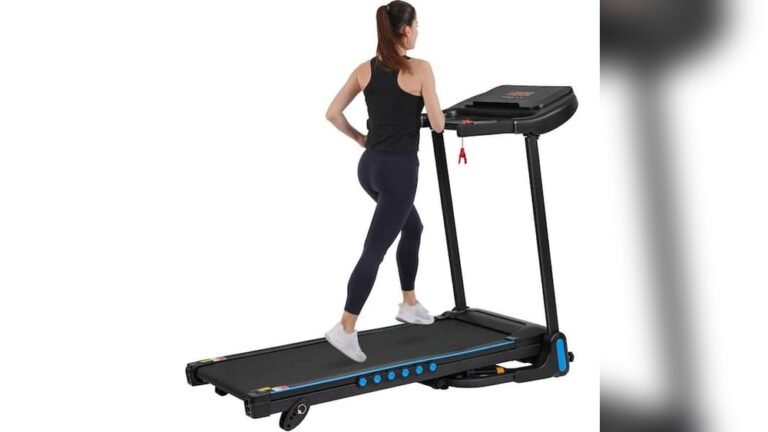
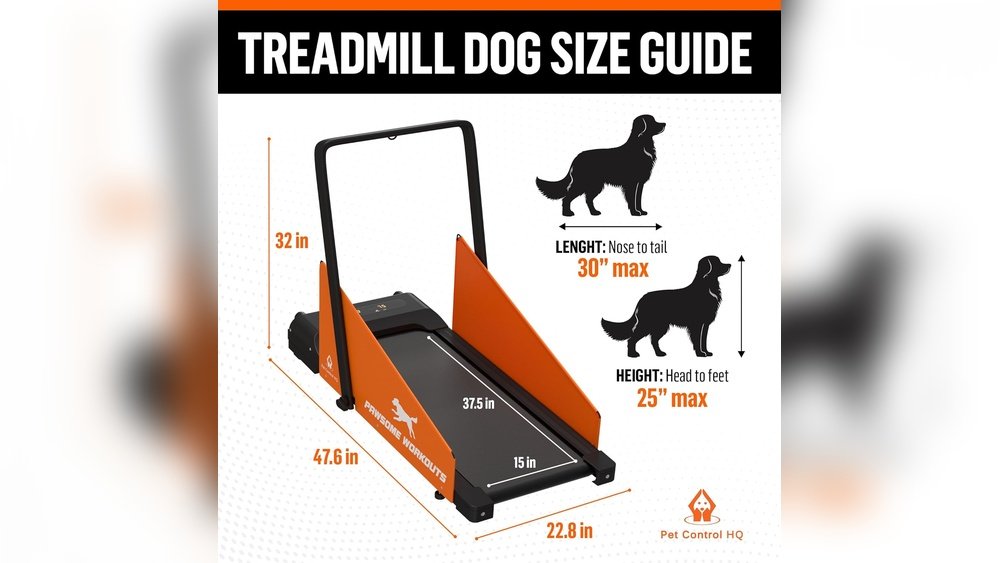
Length and width define the treadmill’s footprint. This shows how much floor space it covers. Measure the area where you plan to place it to avoid fitting issues. Typical treadmills range from 50 to 70 inches long and 25 to 35 inches wide. Choose a size that fits your room and allows safe movement around it.
Belt Size Importance
The belt size affects comfort and exercise quality. A longer belt suits runners who take bigger strides. A wider belt gives more room for movement and reduces the chance of stepping off accidentally. Common belt sizes are 16 to 22 inches wide and 45 to 60 inches long. Select a belt size that matches your height and workout style.
Folded Vs Unfolded Size
Folding treadmills save space by reducing length when folded. The folded size is important for storage in small areas. Usually, the width stays the same, but the length shrinks by up to half. Check both unfolded and folded dimensions to ensure it fits your workout and storage needs comfortably. This helps keep your room tidy after exercise.
Selecting For Small Spaces
Choosing a folding treadmill for small spaces requires careful thought. It is vital to pick a model that fits your room without crowding it. Space-saving designs help keep your home neat and functional. The right treadmill should be easy to store and use daily.
Compact Model Options
Compact folding treadmills come in various sizes. Some models fold flat to slide under a bed or couch. Others fold upright for corner storage. Choose a treadmill with a small footprint when open. This saves space and allows more room to move.
Measuring Your Area
Measure the space carefully before buying a treadmill. Include room for walking around the machine. Check ceiling height if the treadmill has an incline feature. Leave extra space for safety and comfort. Accurate measurements prevent surprises after purchase.
Weight And Frame Stability
Lightweight treadmills are easier to move but can feel less stable. Look for a sturdy frame that does not wobble during use. A stable treadmill ensures safe workouts and better performance. Check the weight limit to support your body safely.
Performance Considerations
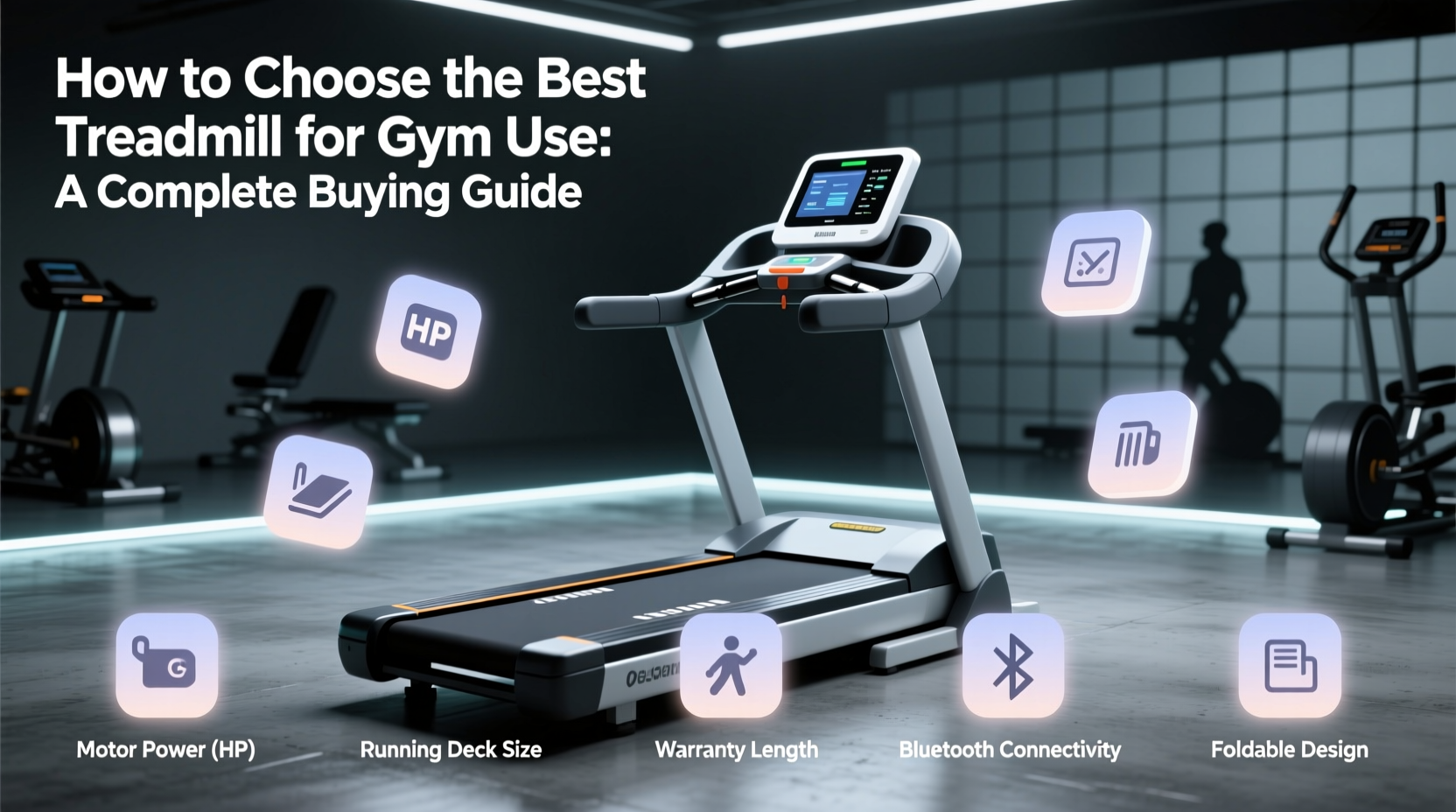
Performance is key when choosing a folding treadmill. It affects how well the machine meets your fitness goals. Several features impact performance. Understanding these helps you pick the right treadmill for your needs.
Motor Power And Speed
The motor drives the treadmill belt. Higher power means smoother and quieter operation. For walking, 2.0 HP motors are enough. Running needs 3.0 HP or more. Speed range usually goes from 0.5 to 10 miles per hour. Choose a speed that fits your workout type.
Incline Features
Incline adds challenge to your workout. It simulates uphill walking or running. Some treadmills have manual incline settings. Others offer automatic incline adjustment. Automatic incline lets you change levels during exercise. Look for models with at least 10% incline for variety.
Durability Factors
Durability ensures long-term use. Check the treadmill’s frame material. Steel frames last longer than plastic ones. The belt size matters too; wider belts offer more comfort. Weight capacity shows how sturdy the machine is. Choose a treadmill that supports your body weight comfortably.
Credit: sportssurge.alibaba.com
Size Charts And Guides
Choosing the right folding treadmill means knowing the correct size. Size charts and guides help you find the perfect fit. They show treadmill dimensions clearly. This makes it easier to plan your space and workout.
Understanding size charts helps avoid buying a treadmill that is too big or too small. It saves time and effort. Size guides break down measurements so you can compare models easily. This section explains standard sizes and how to use charts well.
Standard Treadmill Sizes
Most folding treadmills have similar size ranges. The length usually falls between 50 to 70 inches. Width often ranges from 25 to 35 inches. Height can vary from 45 to 60 inches when unfolded. Folded size is much smaller for easy storage.
Running surface size matters for comfort. A typical belt length is 50 to 60 inches. Widths between 16 and 22 inches are common. Smaller belts suit walkers. Larger belts fit runners better.
Converting Measurements
Size charts may show dimensions in inches or centimeters. Knowing how to convert helps. Multiply inches by 2.54 to get centimeters. Divide centimeters by 2.54 to get inches.
Checking measurements in your preferred unit avoids mistakes. Use a tape measure to check your space. Compare your room size to treadmill dimensions. This ensures the treadmill fits well.
Using Size Charts Effectively
Read size charts carefully. Look for length, width, height, and folded size. Note running belt dimensions separately. Consider your workout space and storage area.
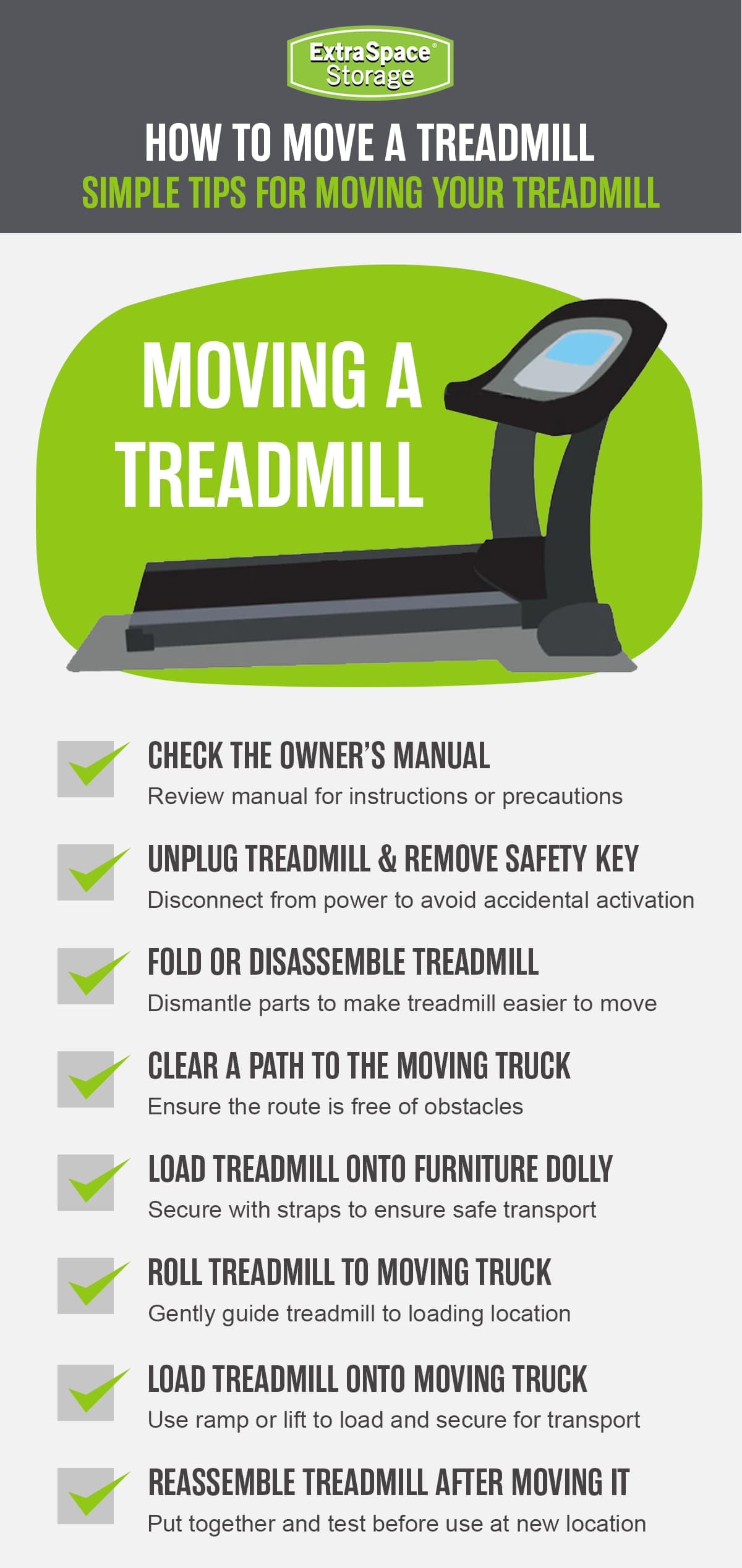
Measure your room before buying. Leave extra space for safe treadmill use. Check doorways and hallways for moving the treadmill. Use size charts to pick the best model for your needs.

Credit: www.amazon.sg
Frequently Asked Questions
What Size Treadmill Do I Need For My Height?
Choose a treadmill belt at least 6 inches longer than your height for walking. For running, add 8-10 inches. Standard belts range 50-60 inches long and 18-22 inches wide. Taller users need longer belts for comfortable stride and safety. Measure your space before buying.
What Is The 3/12/30 Rule On A Treadmill?
The 3/12/30 treadmill rule means walking 3 miles per hour, at a 12% incline, for 30 minutes. It boosts fat burning.
What To Look For In A Foldable Treadmill?
Choose a foldable treadmill with a sturdy frame, powerful motor, suitable belt size, compact fold, and easy storage. Check speed range and weight capacity.
Is 20 Inches Wide Enough For A Treadmill?
A 20-inch wide treadmill suits walkers and light joggers. Wider belts, 22+ inches, suit runners better for comfort and safety.
Conclusion
Choosing the right folding treadmill size makes exercise easier and more enjoyable. Measure your available space before buying to avoid surprises. Consider your height and workout type for the best fit. Compact treadmills save room but still offer good performance.
A well-sized treadmill helps you stay active at home comfortably. Take time to find the perfect size for your needs. Your fitness journey starts with smart equipment choices. Keep these tips in mind to pick a folding treadmill that fits your space and goals.
I am a certified fitness coach with over 10 years of experience helping people improve their strength, endurance, and overall health. Specializes in workout programming, weight training, fat loss, muscle building, home fitness, and evidence-based nutrition.My goal is to make fitness simple and practical through well-researched guides, honest product reviews, and actionable training advice.