Usually. A vibration plate is safe for most people with a normal clotting system, but it’s not safe if you have a current blood clot, a bleeding disorder, or you take blood thinners without your doctor’s okay. The worst realistic outcome is a clot breaking loose and traveling to your lungs.
When a vibration plate is safe with clots

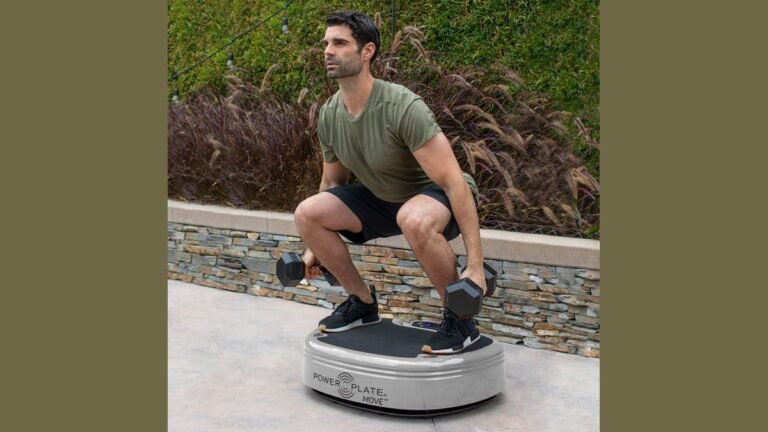
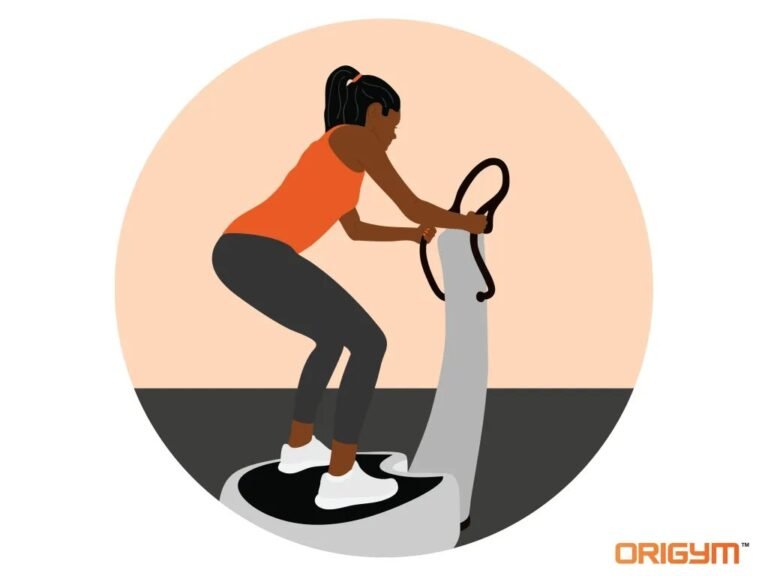
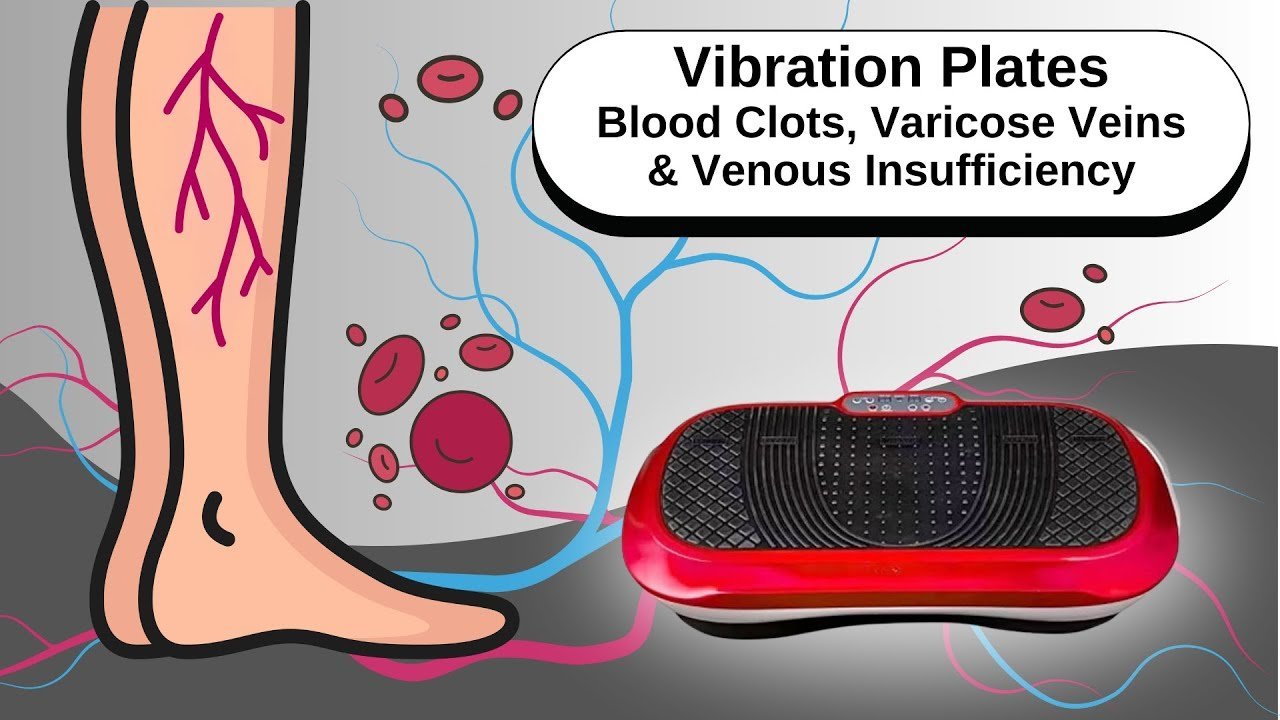
A vibration plate shakes your whole body at roughly 20 to 50 cycles per second. That’s a real force on your blood vessels, so the answer depends on your own clot risk, not on the machine.
| Situation | Safe? | Why |
|---|---|---|
| No clot history, healthy | Yes | Normal clotting handles the shaking |
| On blood thinners, doctor approved | With care | Bleeding risk rises with impact |
| Current DVT or PE | No | Clot can break loose and travel |
| Recent surgery, not yet cleared | No | Clot risk is already high |
| Varicose veins only | With care | Pressure may feel uncomfortable |
| Pregnancy | No | Check with your OB first |
| History of DVT, now stable | With care | Only with your doctor’s yes |
The middle column is the whole answer. If your row says No, don’t use the plate until a doctor clears you.
What vibration plates actually do to your blood
The harm from a clot isn’t the clot itself sitting in your leg. It’s the clot breaking free and blocking blood flow to your lungs, which is called a pulmonary embolism. That can be fatal, and it can happen fast.
Vibration plates don’t create clots in healthy people. The concern is different: if a clot already exists, whole-body vibration may help dislodge it. The evidence here is thin, which is exactly why doctors say no rather than maybe.
The FDA treats vibration plates as fitness devices, not medical treatment. That means no safety testing for clot patients is required before sale.
Blood thinners change the math too. They raise your bleeding risk, and a fall off a plate while on them is more dangerous than the fall itself.
Signs you should stop right away

Stop the session and call your doctor if you notice any of these:
- One leg swollen, warm, or red — possible deep vein clot, needs same-day care.
- Sudden shortness of breath — could mean a clot reached your lungs. Call 911.
- Chest pain or a fast heartbeat — same emergency, don’t wait it out.
- Coughing up blood — a lung clot sign, treat as urgent.
- Dizziness or fainting on the plate — stop, sit down, get checked.
- New bruising that spreads — bleeding risk, especially on thinners.
If any of these appear, this is no longer a home question. Call your doctor or 911. Don’t finish the workout first.
How to use a plate with lower clot risk
If your doctor says yes, these steps cut the risk while keeping the workout:
- Start at the lowest speed setting for 5 minutes only.
- Hold the handrail the whole time — falls are the main injury on plates.
- Keep both feet flat, no deep squats, until your doctor says otherwise.
- Keep sessions short and build slowly.
- Drink water before and after — dehydration thickens blood.
- Skip the plate on any day you have leg pain or swelling.
- Wear flat shoes or go barefoot, never socks on a smooth surface.
- Tell your doctor the exact model and speed you’re using.
The 10-minute limit assumes a standard home plate. Commercial gym plates run stronger, so cut that time in half.
If a clot already happened

Call your doctor before you touch the plate again. If you have leg swelling, chest pain, or trouble breathing right now, call 911 and don’t drive yourself.
For a past clot that’s now stable, your doctor will decide based on your medication and how long ago it happened. Most guidance says wait until you’re off heavy blood thinners and cleared for exercise.
This is where home answers stop. Clot management needs a doctor, sometimes a hematologist, and imaging you can’t do yourself. Follow their timeline, not a forum post.
Related guides
- Weight Plates Kg Vs Lbs Conversion
- Weight Plates Workout Routines for Beginners at Home
- Best Bumper Plates for Home Gym Reddit Picks 2026: Top Buys
Frequently asked questions
Can a vibration plate cause blood clots?
No, not in a healthy person with normal clotting. The risk is only for people who already have a clot or a clotting disorder, where the shaking might dislodge one.
Is it safe to use a vibration plate on blood thinners?
Only with your doctor’s approval. Blood thinners raise bleeding risk, and a fall on the plate is more dangerous for you than for most people.
How long after a DVT can I use a vibration plate?
Wait until your doctor clears you, which depends on your clot, your medication, and your recovery. Ask your own doctor for your date.
What happens if I use a plate with a clot I don’t know about?
The clot could break loose and travel to your lungs, which is a medical emergency. Stop and get checked if you have leg swelling or breathing trouble.
Does vibration therapy help circulation or prevent clots?
It may improve blood flow in your legs, but that’s not the same as preventing clots. No strong evidence shows plates prevent DVT, so don’t rely on one for that.
Why do doctors warn about vibration plates and clots?
Because whole-body vibration puts force on your veins, and a loose clot is life-threatening. Doctors choose caution when the evidence is unclear.
Can I use a vibration plate after knee or hip surgery?
Not until your surgeon clears you, since surgery itself raises clot risk. After that, only with your surgeon’s okay and their timeline.
Does it matter which vibration plate I use?
Yes, power matters. Gentler home plates differ from stronger gym models, so a doctor’s clearance for one may not cover the other.
Conclusion
Your clot risk is personal, and no article can read it for you. Get the yes from your doctor first, then start slow, stay low, and stop the moment your body says something’s wrong.
I am a certified fitness coach with over 10 years of experience helping people improve their strength, endurance, and overall health. Specializes in workout programming, weight training, fat loss, muscle building, home fitness, and evidence-based nutrition.My goal is to make fitness simple and practical through well-researched guides, honest product reviews, and actionable training advice.