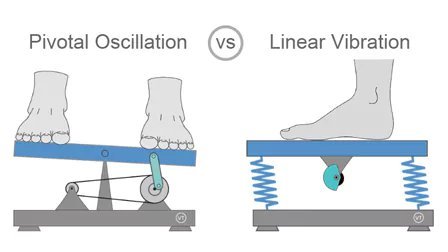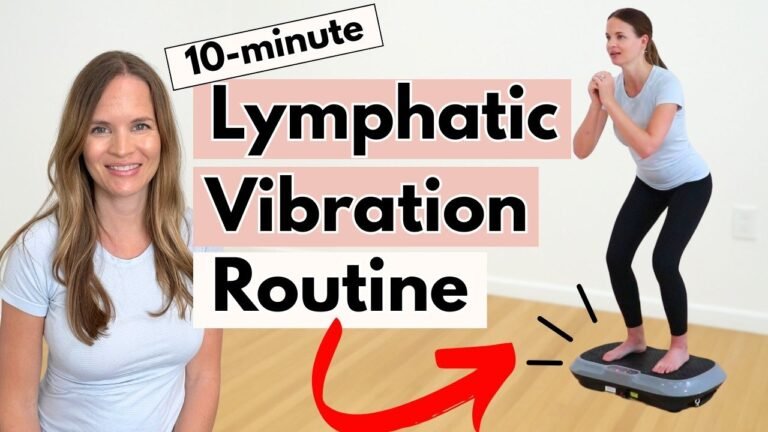
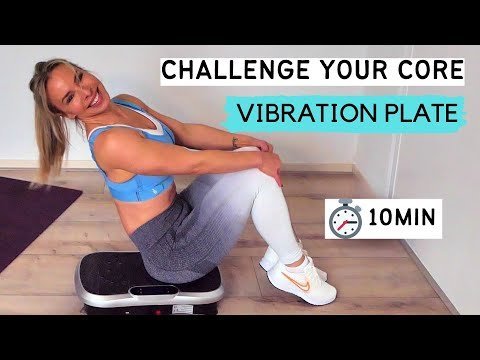
A vibration plate ab workout works by holding a plank, crunch, or seated hold on the plate while it shakes — 10 to 15 minutes, 3 to 4 days a week, at a speed you can still control. It suits people who already train and want an extra core challenge, not beginners chasing a shortcut.
What you need before you start
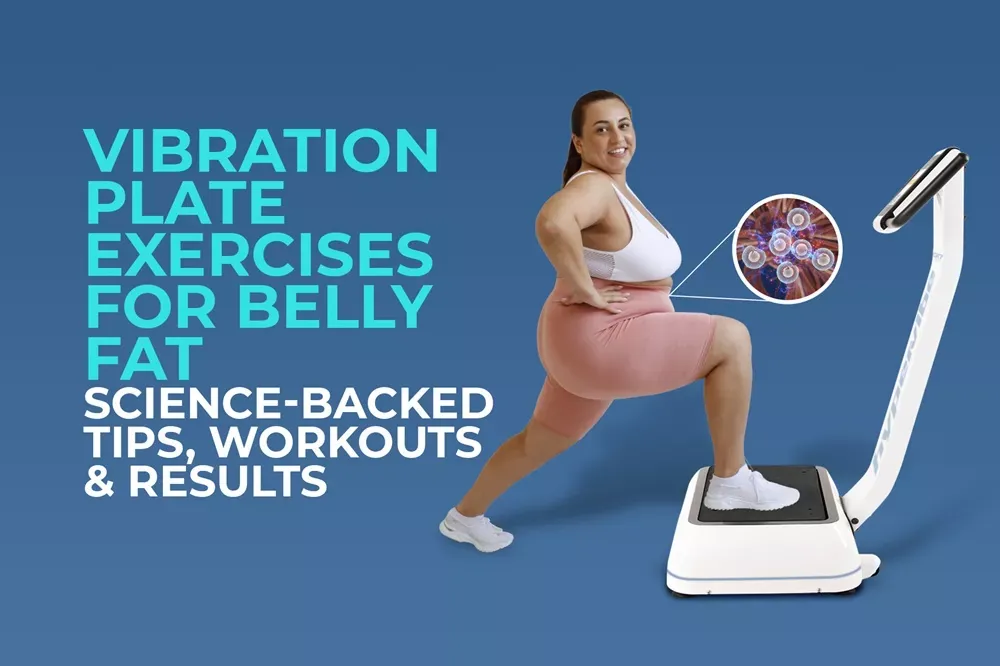
- A vibration plate with adjustable speed and a handrail or strap — fixed-speed plates are too fast for core work.
- A non-slip mat under the plate if you have hard floors.
- A timer or your phone, set to 30-second intervals.
- A towel — you’ll sweat more than you expect.
- Water bottle within reach.
- Flat, grippy shoes, or bare feet if the plate’s surface is textured and clean.
- Your doctor’s OK if you’re pregnant, have a hernia, a pacemaker, a recent fracture, or a joint replacement.
A yoga mat rolled thin works fine as a cushion. A thick foam mat does not — it kills the vibration and your feet slide.
How do vibration plates work your abs?
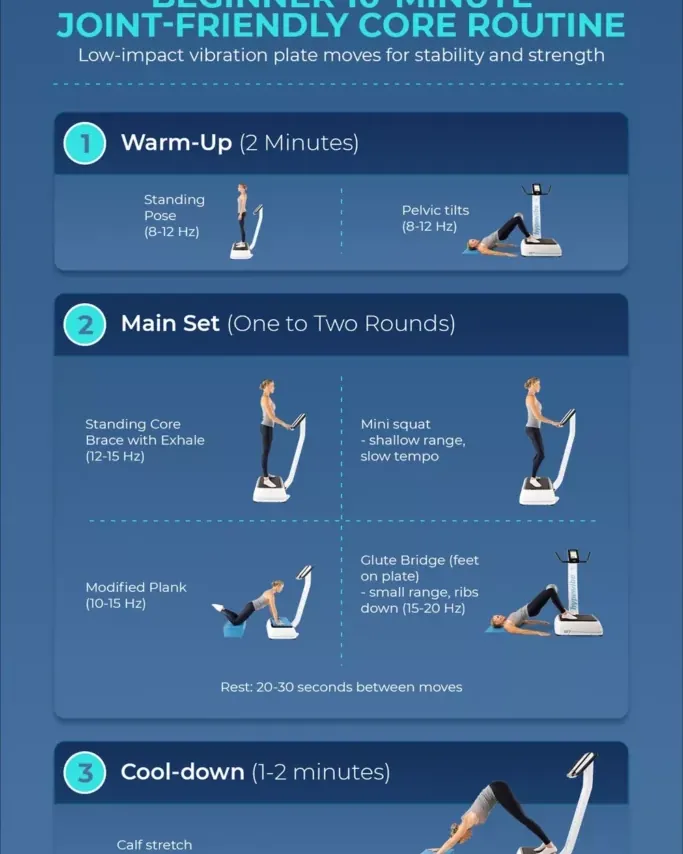
- Warm up for 3 minutes off the plate — marching in place, arm circles, gentle torso twists. Cold muscles shake badly on a moving surface.
- Set the plate to its lowest speed and stand on it for 30 seconds. Feel how much your ankles and knees absorb. If you wobble hard, drop the speed further or hold the handrail.
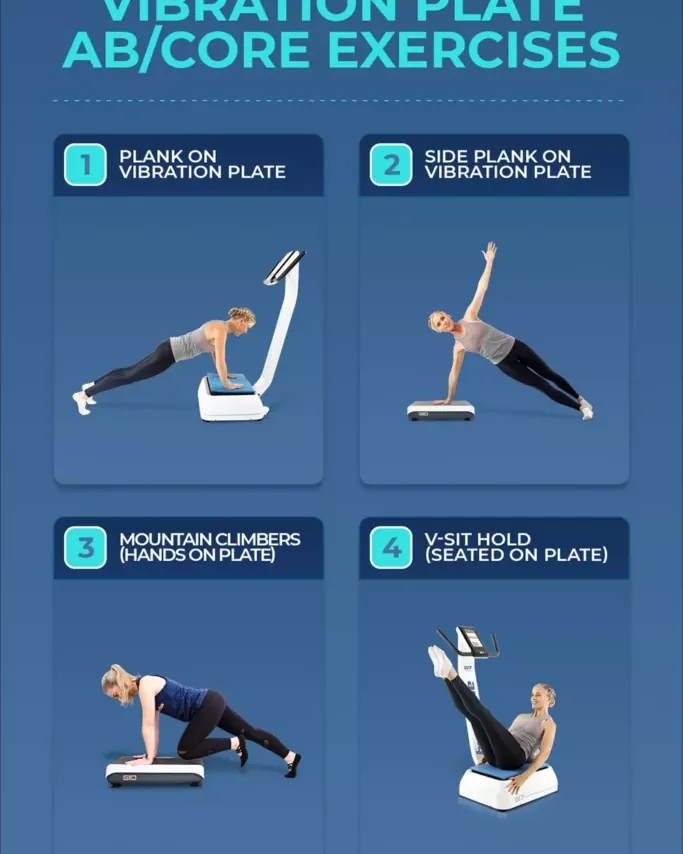
- Do a forearm plank for 20 to 30 seconds. Elbows under shoulders, hips level. Careful: don’t let your lower back sag — on a vibrating plate, a sagging back takes the shake straight into your spine.
- Rest 30 seconds, standing off the plate. Shaking muscles need the pause more than they need another set.
- Do a seated knee lift, 10 to 12 reps per side. Sit on the plate, lean back slightly, hands behind you, then lift one knee toward your chest. Slow beats fast here.
- Rest 30 seconds, then repeat steps 3 and 5 once more. That’s 2 rounds total — enough for a first session.
- Cool down for 2 minutes with slow standing twists and a child’s pose on the floor, not the plate.
Tip: raise the speed only when you can finish all reps without your form breaking. Most people top out around mid-speed for core work.
If you have a heart condition, a spinal injury, or you’re pregnant, this isn’t a self-guided routine — talk to your doctor or a physiotherapist first. Whole-body vibration carries real precautions, and the FDA’s guidance on whole-body vibration devices is worth reading before you buy or use one.
How the routine changes with your situation
Your starting fitness, the plate’s power, and how long you’ve used it all shift the numbers. Use this as a guide, not a rule.
| Your situation | Time per session | What’s different | Watch for |
|---|---|---|---|
| Total beginner | 6-8 min | Low speed, handrail held | Ankle and knee soreness |
| Already trains 3x a week | 12-15 min | Mid speed, no handrail | Lower back arching |
| Plate under 200W | Add 5 min | Weaker shake, more reps needed | Boredom, sloppy form |
| Plate over 500W | Cut to 8-10 min | Strong shake, fewer reps | Headache, blurry vision |
| Pregnant or post-surgery | Doctor’s plan only | Not a DIY routine | Any pain at all |
Start at the bottom of your range and add 2 minutes a week. Overshooting on day one leaves you too sore to train for days, and that’s how routines die.
How to tell it’s working
A good result feels like deep core soreness 24 to 48 hours later, and planks that get easier to hold without shaking. A poor result is sharp lower back pain, tingling in your feet, or dizziness during the session — stop if any of those show up.
The quality problem here is form breakdown, and it happens because the plate adds a second job: your muscles now fight the shake and hold the position at the same time. Keep sessions short, keep the speed where you can still breathe normally, and stop the set the moment your hips drop or your back rounds.
Rules and what to do after
Whole-body vibration isn’t risk-free. The FDA lists precautions for people who are pregnant, have implants, or have heart and circulation conditions, so check its guidance and your doctor’s advice before you start. After each session, wipe the plate down, coil the cord, and put the mat away. Most people need 48 hours between core sessions on the plate — so 3 to 4 days a week, not daily. Your abs build during rest, not during the shake.
Other ways to get the same result
Bodyweight core work off the plate
Planks, dead bugs, and hollow holds on the floor. No equipment, no cost, but you lose the instability that makes the plate interesting. Slower progress, safer start.
A trainer-led vibration session
A physio or certified trainer sets your speed and form. Costs more per session, but it’s the right route if you’re rehabbing an injury or you’re pregnant.
Add the plate to your existing routine
Keep your normal ab work and finish with 5 minutes on the plate. Less time added, still a real challenge, and easier to keep going long-term.
Related guides
- Weight Plates Workout Routines for Beginners at Home
- Benefits of Weight Plate Exercises for Home Workouts Explained
- Weight Plates Kg Vs Lbs Conversion
Frequently asked questions
Can a vibration plate give you abs?
No — no machine gives you abs on its own. The plate adds instability that makes your core work harder, but visible abs come from training plus body fat low enough to show them.
How long should a vibration plate ab workout be?
10 to 15 minutes, 3 to 4 days a week, at a speed you can control. Beginners should start at 6 to 8 minutes and add about 2 minutes each week.
Is it safe to use a vibration plate every day?
It’s not recommended for core work. Give your abs 48 hours between sessions, so 3 to 4 days a week. Daily use raises the risk of soreness and joint strain.
What happens if you use a vibration plate on the wrong setting?
Too high a speed breaks your form — your back arches, your hips drop, and the shake travels into your spine. Drop the speed until you can hold the position and breathe normally.
Why does my head hurt after using a vibration plate?
High speeds and long sessions can cause headaches or dizziness in some people. Shorten the session, lower the speed, and if it keeps happening, stop and talk to your doctor.
How many reps should I do on a vibration plate?
Hold planks for 20 to 30 seconds and do 10 to 12 reps per side for seated knee lifts. Two rounds is plenty at first; add a third only when both rounds feel controlled.
Conclusion
Start with one short round, keep the speed low, and let your form — not the clock — tell you when to add more.
I am a certified fitness coach with over 10 years of experience helping people improve their strength, endurance, and overall health. Specializes in workout programming, weight training, fat loss, muscle building, home fitness, and evidence-based nutrition.My goal is to make fitness simple and practical through well-researched guides, honest product reviews, and actionable training advice.