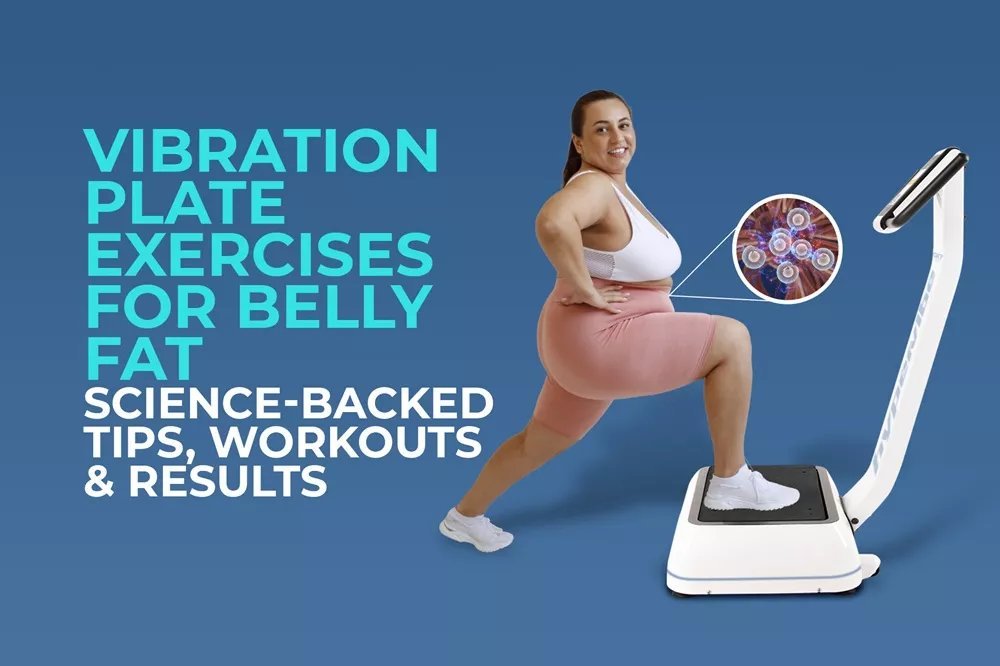
A vibration plate workout for weight loss can add a small calorie burn to your day, but it won’t melt fat on its own. Most people burn roughly 30 to 60 extra calories in a 10-minute session, depending on their body weight and the machine’s speed.
What a vibration plate actually does
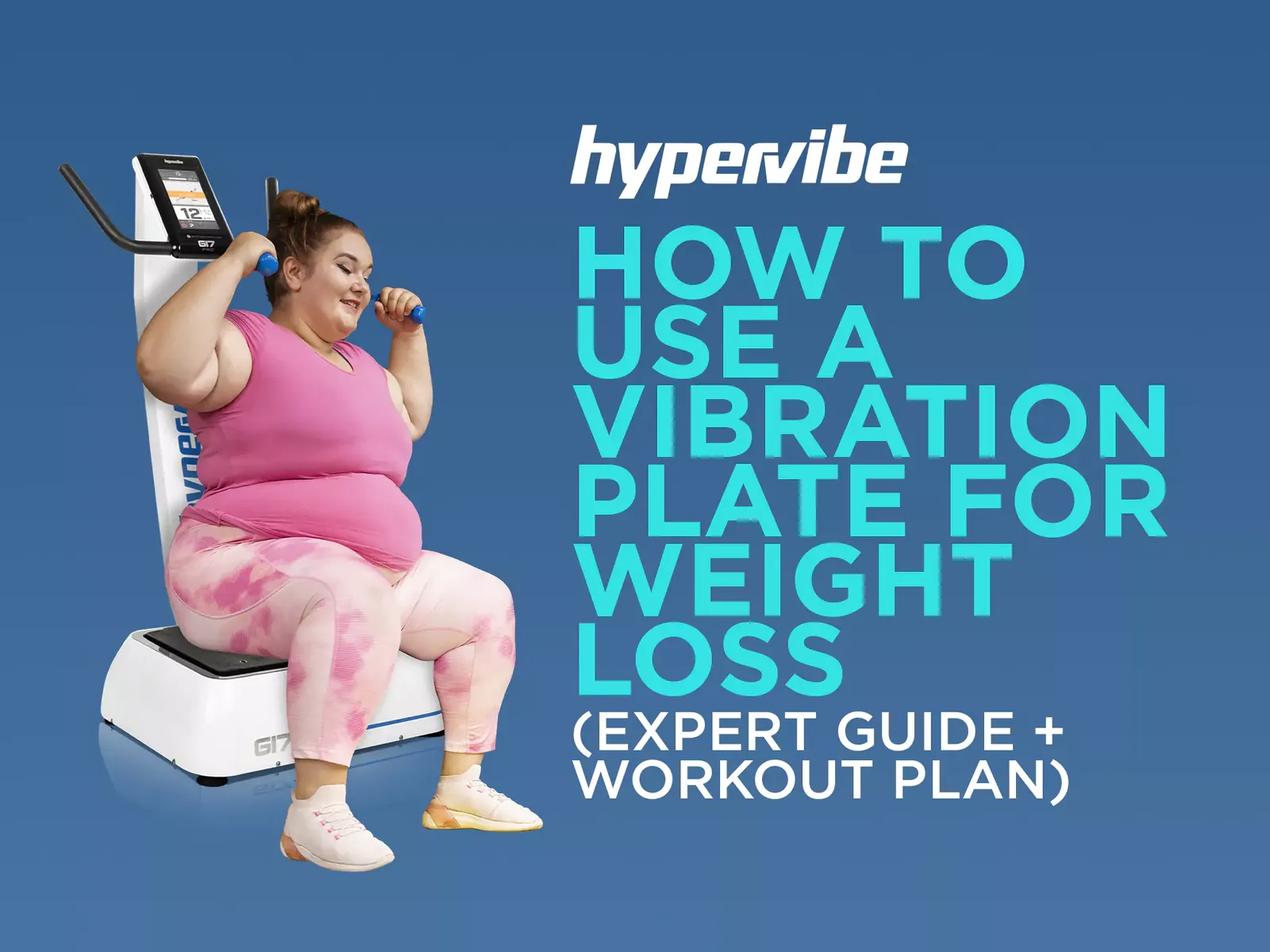
Your muscles fire again and again to steady your body, so a short session feels like light exercise.
It’s made for people who want low-impact movement — older adults, anyone with joint pain, or someone short on time. The common belief is that standing still on it burns as many calories as running. It doesn’t.
The shaking adds muscle activity, but your heart and lungs do most of the calorie work. Check your machine’s manual for its exact speed range, since models differ.
How to do a vibration plate session
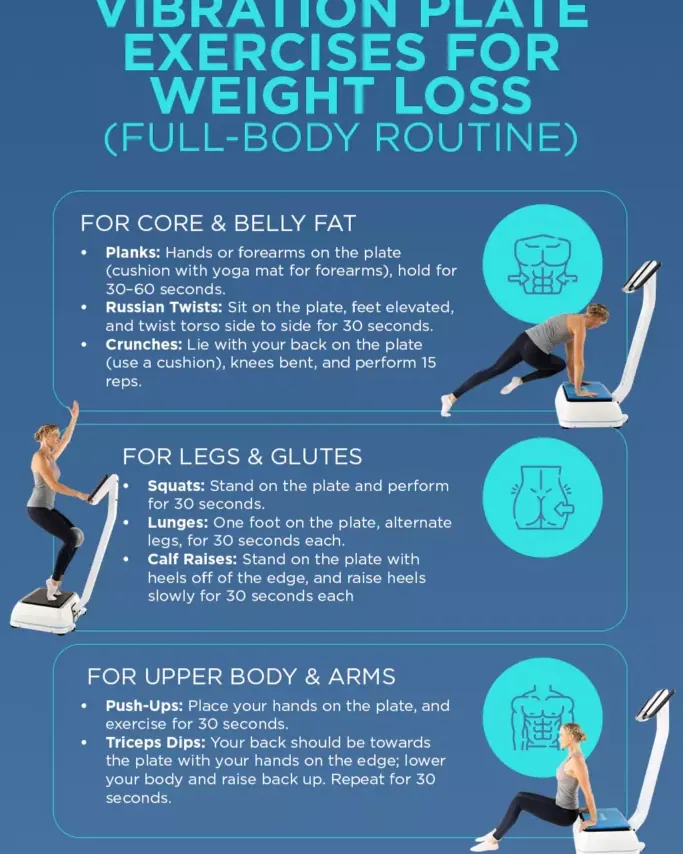
- Set the plate to a low speed (around 20–30 Hz) and stand with feet shoulder-width apart for 30 seconds to warm up.
- Move to a squat position and hold for 30–60 seconds. Keep knees soft, not locked.
- Do a second squat set, then rest 30 seconds off the plate.
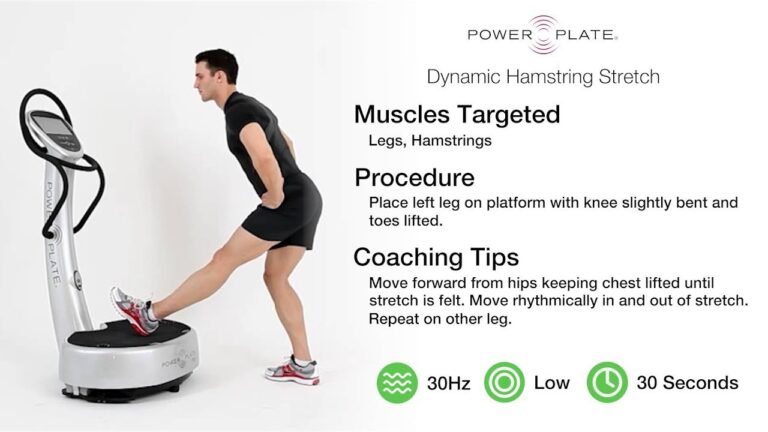
- Add a lunge — one leg forward — for 30 seconds per side. Lower the speed if you wobble.
- Finish with a 60-second standing hold at moderate speed, then step off.
- Repeat the whole set 2–3 times, three days a week, with a rest day between sessions.
The one judgement call that matters: start lower than you think you need.
If you have a heart condition, a recent fracture, a pacemaker or you’re pregnant, talk to your doctor before using one. A physiotherapist can also advise on safe positions if you have a joint problem.
Vibration plate settings and times
Use this as a starting guide. Your own weight, fitness and machine strength will shift these numbers, so treat them as a range, not a rule.
| Situation | What to use | How long | What to watch for |
|---|---|---|---|
| First session | Low speed, standing only | 5 minutes | Dizziness — step off if it hits |
| General weight-loss add-on | Moderate speed, squats | 10–15 minutes | Knee strain from locked legs |
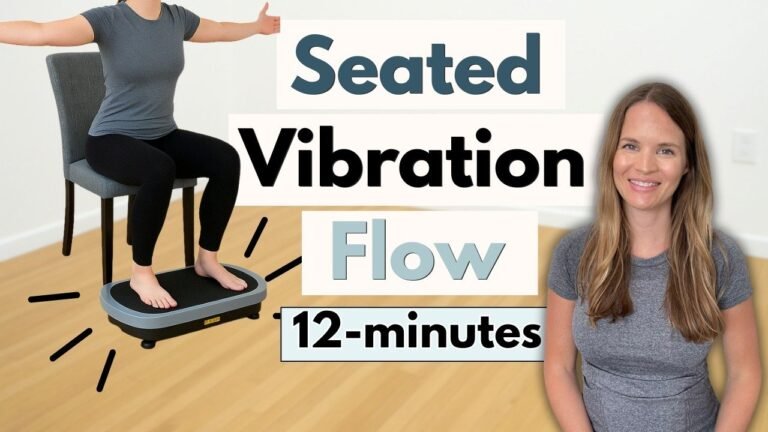
| Joint pain or older adult | Low speed, seated or standing | 5–10 minutes | Loss of balance |
| Strength focus | Higher speed, lunges and holds | 15 minutes | Muscle soreness next day |
| Warm-up before a walk | Low speed, standing | 3–5 minutes | None, if you feel steady |
| Post-workout cooldown | Low speed, gentle stance | 5 minutes | Lightheadedness |
| Daily use | Low to moderate | 10 minutes max | Overuse soreness |
What separates good results from bad ones
People who get real results treat the plate as one part of a bigger plan. The plate adds a little burn — it doesn’t carry the whole load.
They also keep sessions short. Ten to fifteen minutes is plenty.
Order and timing
Do the plate work before or after your main exercise, not instead of it. A session after a walk works as a cooldown.
What to leave alone
Skip deep, fast squats in your first month. Skip holding your breath. And skip the idea that more shaking equals more fat loss.
Common problems and quick fixes
| What you notice | What it usually means | What to do first |
|---|---|---|
| Dizzy or lightheaded | Speed too high, or you stood too long | Step off, sit down, restart at low speed |
| Knee or ankle ache | Legs locked, or speed too fast | Soften knees, drop the speed |
| No weight change after weeks | Diet and daily movement haven’t changed | Track food and add walking |
| Numb or tingling feet | Standing too long in one spot | Shorten to 5 minutes, shift position |
| Back soreness | Poor posture, leaning forward | Stand tall, reduce speed |
| Boredom, skipping sessions | Routine too long or too dull | Cut to 10 minutes, add variety |
What the safety rules say
Vibration plates are sold as fitness gear, not medical devices, so the FDA doesn’t clear them for weight loss or treatment. That means no health claim on the box is checked by a regulator.
Keeping the routine going
Once you’ve built a habit, keep sessions to 10–15 minutes, three to four days a week, and store the plate somewhere you’ll see it. Wipe it down after use, and check the manual for any belt or motor care.
Watch for the sign it’s time to change things: if a session feels easy for two weeks straight, add a new move or a slightly higher speed. Stop and rest if a joint aches for more than a day.
When a vibration plate isn’t the right choice
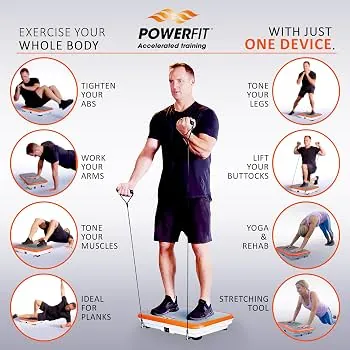
If your goal is fast, large weight loss, a plate alone won’t get you there — you need a calorie deficit from food and more total movement. If you have a heart condition, a recent surgery or you’re pregnant, skip it and ask your doctor about safer options.
If you want to build real strength or muscle, free weights or resistance bands do far more per minute. Use the plate as a small add-on, not your main plan.
Frequently asked questions
How long should I use a vibration plate to lose weight?
About 10 to 15 minutes, three to four days a week, works for most people. That assumes you’re also watching food and moving daily — the plate alone won’t drive weight loss.
Can you lose belly fat with a vibration plate?
No, not from the plate alone. Spot reduction isn’t real; fat comes off your whole body when you eat less than you burn. The plate just adds a small burn.
Is a vibration plate safe every day?
Yes, for most healthy adults at low to moderate speed. Keep it to 10 minutes daily and take a rest day if your joints feel sore.
How many calories does a vibration plate burn?
Roughly 30 to 60 extra calories in a 10-minute session, based on your weight and the speed. Heavier users and higher speeds burn more.
What happens if you use a vibration plate too long?
You may feel dizzy, sore or unsteady. Sessions past 15 to 20 minutes don’t burn much more and raise your risk of a fall or joint strain.
Can I use a vibration plate instead of walking?
No. Walking burns more calories per minute for most people. Use the plate as an add-on, not a swap.
Why am I not losing weight on a vibration plate?
Your food intake or daily movement probably hasn’t changed. The plate burns too few calories on its own — track what you eat and add walks.
Conclusion
A vibration plate can be a small, low-impact piece of a weight-loss plan. It won’t do the heavy lifting, but paired with a calorie deficit and regular movement, it earns its spot in your week.

I am a certified fitness coach with over 10 years of experience helping people improve their strength, endurance, and overall health. Specializes in workout programming, weight training, fat loss, muscle building, home fitness, and evidence-based nutrition.My goal is to make fitness simple and practical through well-researched guides, honest product reviews, and actionable training advice.