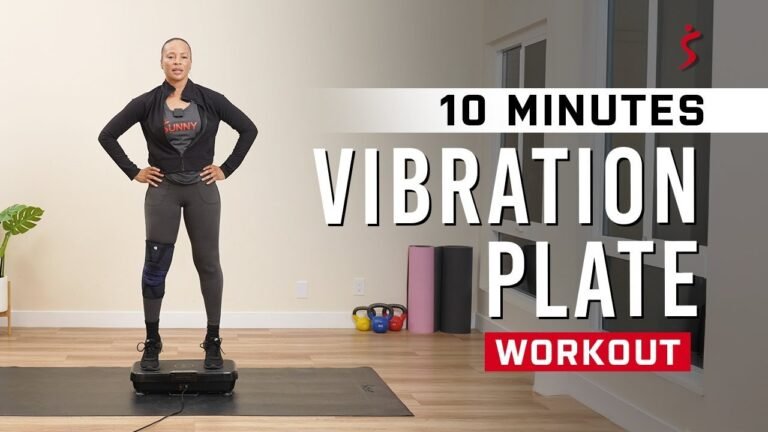
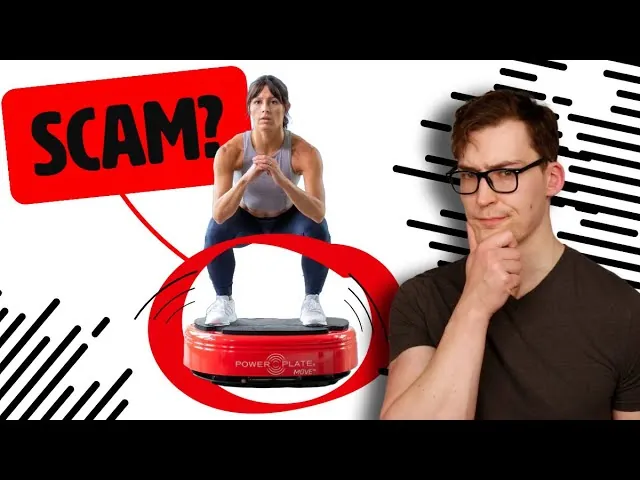
No, vibration plates aren’t a scam. A scam takes your money and gives nothing back. A vibration plate is a real machine that makes your muscles contract while you stand on it. The catch is the marketing, not the machine. It won’t melt fat or replace the gym.
What decides if it’s worth your money is your goal. For balance and light muscle work in older adults, some evidence supports it. For weight loss on its own, it does very little. The most common mistake is buying one expecting to lose weight without changing how you eat. Check the return policy before you pay.
How to use a vibration plate safely
- Set the frequency low at first. Start at 10–15 Hz for 5 minutes. Most home plates run from about 10 Hz to 50 Hz, and the higher settings are for short bursts, not long sessions.
- Stand with soft knees. Never lock your knees or stand fully straight. A slight bend lets your legs absorb the movement instead of passing it up your spine.
-
Hold a stable surface. Keep one hand on a wall, chair or handle for the first week. Balance is the first thing that wobbles when the plate starts. Tip: Train in shoes or barefoot, but not in thick socks on a smooth plate — that’s where slips happen.
-
Build up in small steps. Add 1–2 minutes per session, up to 15 minutes total, 3–4 times a week. More time on the plate doesn’t mean faster results.
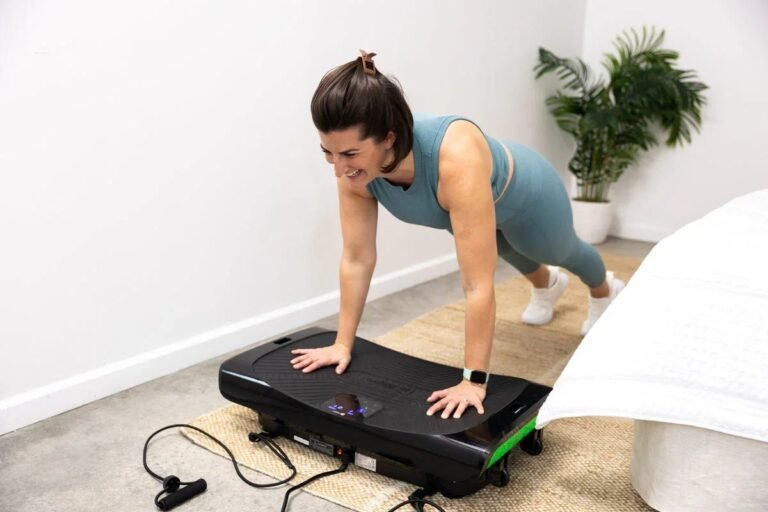
- Add real resistance work. Do squats, lunges or push-ups while the plate runs. Standing still and scrolling your phone does almost nothing for strength.
- Stop if you feel dizzy, sick or have sudden pain. Get off, sit down, and don’t restart that day.
If you’re pregnant, have a recent fracture, a blood clot, a pacemaker, or a joint replacement, talk to your doctor before you buy one. The FDA regulates powered muscle stimulators as a device type, so the safety questions belong with a clinician, not a sales page.
How long before you notice anything
Muscle soreness usually shows up the next day after your first few sessions. Visible strength or balance changes take longer — most people need 4–8 weeks of steady use, at 3–4 sessions a week, before they feel a real difference.
| Situation | How long | What changes it | What to watch for |
|---|---|---|---|
| First session, 10–15 Hz | 5 minutes | Your balance and knee strength | Dizziness, wobbly legs |
| Balance work, older adults | 6–12 weeks | Sessions per week, starting fitness | Falls if you let go too early |
| Strength goals with added squats | 8–12 weeks | Load, not plate time | Soreness that lasts past 3 days |
| Weight loss as the only change | No real timeline | Diet and total activity | Expecting the plate to do the work |
| Higher settings, 30–50 Hz | 1–3 minutes per burst | Your tolerance | Numbness or tingling in the feet |
If it’s taking far longer than the table says, look at what you’re actually doing on the plate. Time spent standing still rarely moves the needle.
Signs a vibration plate session is working
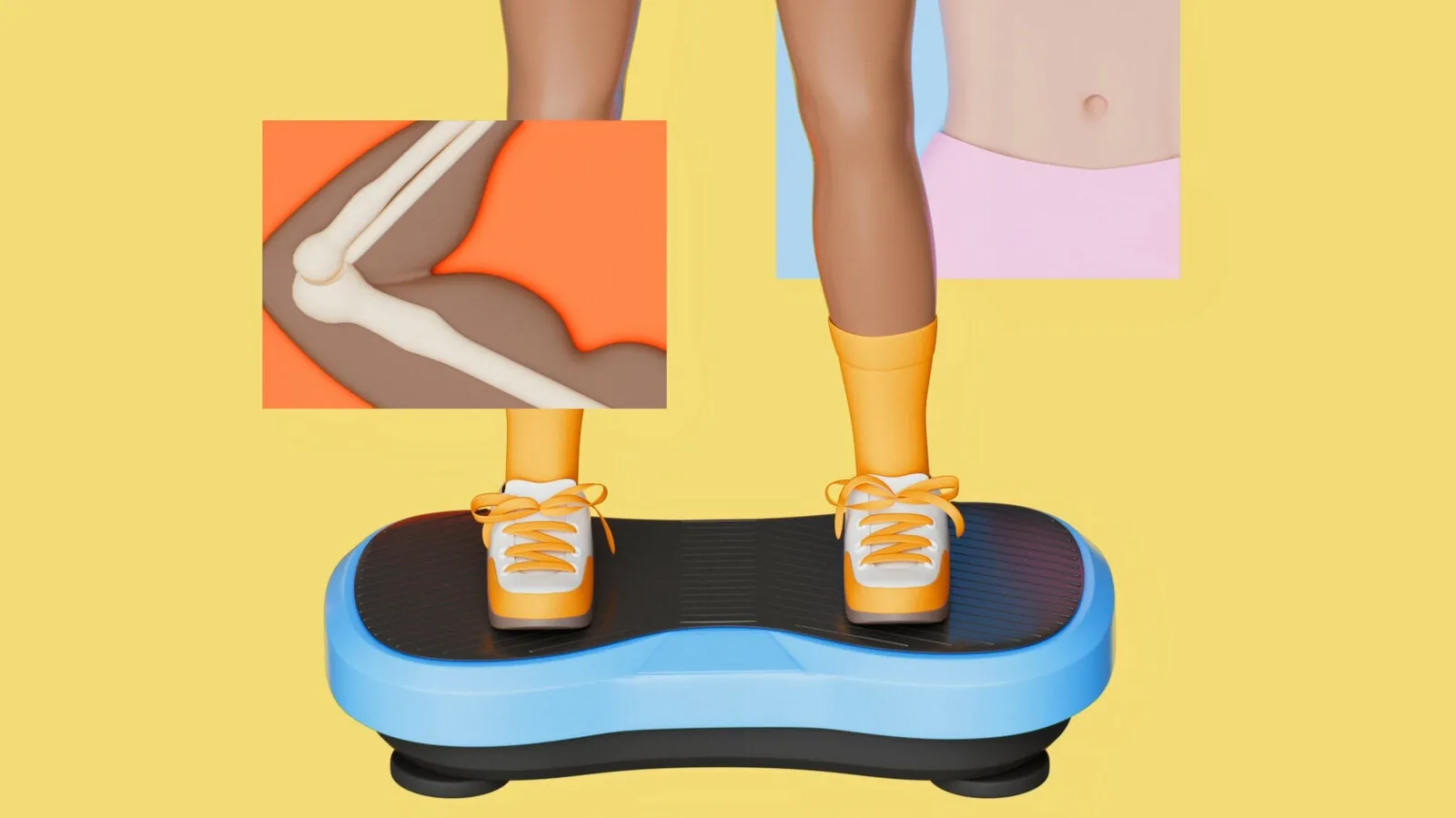
You’ll feel warm, slightly tired muscles in your legs and core the next day — like after a short walk uphill. Your balance should feel steadier over a few weeks: standing on one foot gets easier, and you catch yourself less often.
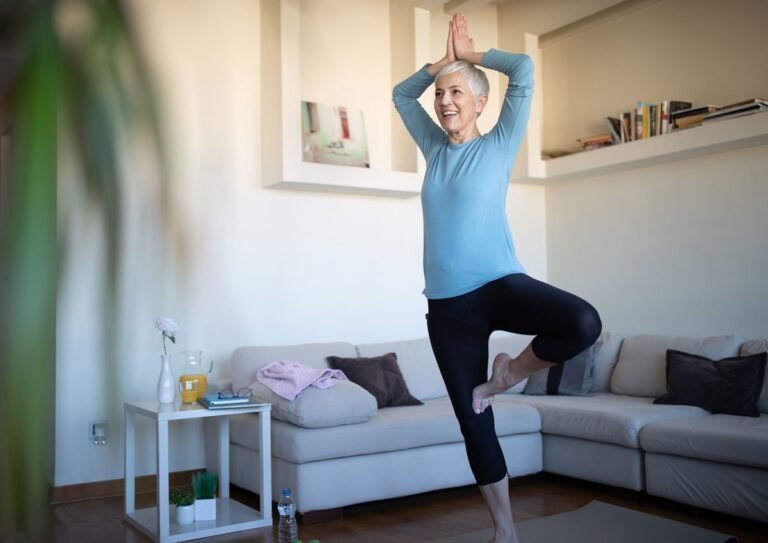
The one test that settles it’s a simple timed stand. Time how long you can stand on one leg with your eyes open, before you start and again after 6 weeks. If that number isn’t moving, the plate isn’t doing the job you bought it for.
Mistakes that waste your money
- Standing still and calling it a workout. The plate makes muscles twitch, but without added movement or load, the strength gain is small. Do squats, lunges or holds while it runs.
- Chasing the highest frequency. Crank it to 50 Hz on day one and you’ll feel sick and quit. Start at 10–15 Hz and earn your way up.
- Using it as a weight-loss shortcut. A 15-minute session burns far fewer calories than a brisk walk, and the machine can’t undo a poor diet. Treat it as one small tool, not the plan.
- Skipping the return window. Many sellers offer 30 days. Test it properly in the first two weeks so you can send it back if it’s not for you.
- Ignoring a health condition. A pacemaker, pregnancy or a recent clot makes this a doctor question first. Ask before you buy, not after.
Related guides
- Weight Plates Kg Vs Lbs Conversion
- Weight Plates Workout Routines for Beginners at Home
- Best Bumper Plates for Home Gym Reddit Picks 2026: Top Buys
Frequently asked questions
Are vibration plates a scam?
No. The machine is real and does make your muscles contract. What’s misleading is the marketing — claims about fast weight loss and “10 minutes equals an hour at the gym” aren’t supported. Judge it as a light training tool, not a fat-burning machine.
Do vibration plates actually help you lose weight?
Only a little, and only alongside diet and other exercise. A short session burns fewer calories than a brisk walk of the same length. If weight loss is your main goal, the plate is a small add-on, not the answer.
How long should you use a vibration plate each day?
Start with 5 minutes at 10–15 Hz. Build to 10–15 minutes total, 3–4 times a week. Higher frequencies of 30–50 Hz should be short bursts of 1–3 minutes, not long sessions. More time doesn’t mean faster results.
Is it safe to use a vibration plate every day?
For most healthy adults, yes — 10–15 minutes a day is generally fine. Your muscles still need rest, so 3–4 days a week is enough for strength goals. Stop and see a doctor if you get dizzy, numb feet or lasting pain.
Can vibration plates replace the gym?
No. They can’t load your muscles the way weights or resistance bands do, and they don’t build much muscle on their own. Use one as a warm-up, a balance tool, or a light add-on to a real routine.
What happens if you use a vibration plate while pregnant?
Don’t start without asking your doctor first. There isn’t enough clear safety evidence for pregnancy, and the vibration travels through your whole body. Treat it as a medical question, not a fitness one.
Why do some people say vibration plates are a scam?
Because the ads promise fat loss, cellulite removal and gym-level results that the machines don’t deliver. The device works for what it is — light muscle activation and balance training. The overblown claims are what people are really calling out.
Conclusion
A vibration plate is a real tool with a modest job. Buy one if you want light strength and balance work at home, and check the return policy first. Skip it if you’re hoping it’ll replace the gym or do the work for you.

I am a certified fitness coach with over 10 years of experience helping people improve their strength, endurance, and overall health. Specializes in workout programming, weight training, fat loss, muscle building, home fitness, and evidence-based nutrition.My goal is to make fitness simple and practical through well-researched guides, honest product reviews, and actionable training advice.