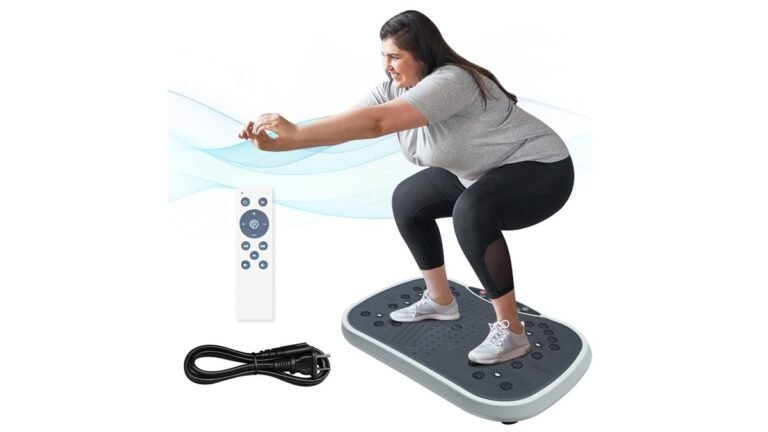
Yes — a vibration plate can help tone muscles, but only as a small add-on to strength training. On its own, it won’t build the muscle shape most people picture when they say “tone.”
What the plate actually does
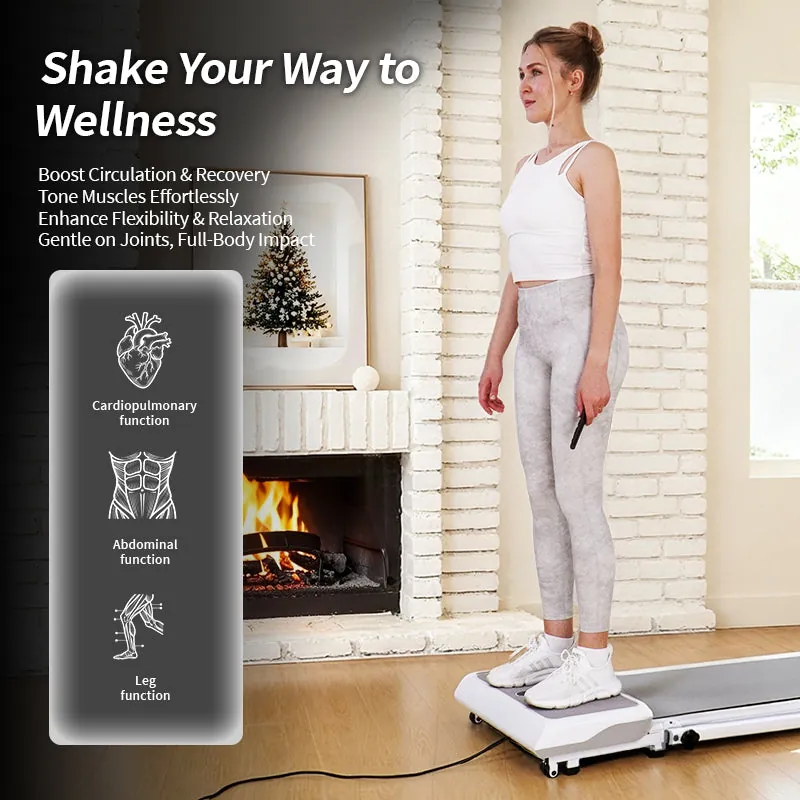
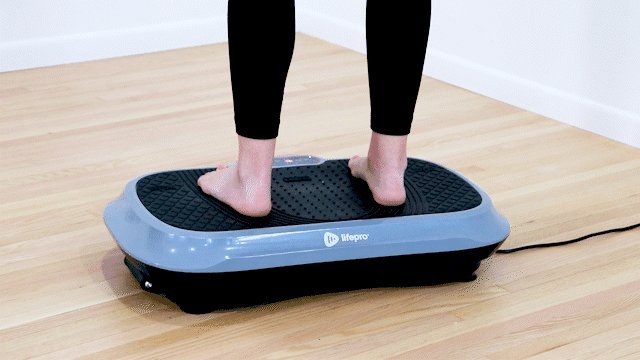
Toning means two things: your muscles get stronger, and the fat sitting over them gets thinner. A vibration plate only touches the first part. The plate shakes 20 to 50 times per second, and your muscles fire back to steady you. That’s a real workout for your legs and core, but a light one.
The mistake people make is treating the plate as a replacement for lifting or squatting. It isn’t.
How to use a vibration plate for tone
-
Warm up for 2 to 3 minutes at a low setting — around 15 to 20 Hz — with soft knees. Cold muscles don’t respond well to vibration, and this wakes up your legs and hips before the real work.
-
Squat slowly on the plate for 30 to 60 seconds. Keep your feet shoulder-width apart, lower to a comfortable depth, and stand back up. Do 2 to 3 sets with 30 seconds of rest between them. The vibration adds load, so you’ll feel it sooner than on the floor.
Tip: Don’t lock your knees. Locked knees pass the shake straight into your lower back, which is where people pick up aches.
-
Hold a plank on the plate for 20 to 40 seconds. Rest your forearms on the plate or on the floor beside it, whichever your machine allows. Keep your hips level and stop when your form drops, not when the timer ends.
-
Add lunges or calf raises for 30 seconds per side. These target the muscles people most want toned — thighs and calves. Step on and off carefully; the plate is moving.
Tip: Step off before you change the setting. Reaching down while it’s running causes falls.
-
Train 3 times a week, not every day. Muscles need about 48 hours to recover between sessions. Daily use leaves you sore and doesn’t build more.
-
Pair it with 2 days of real strength work — weights, bands, or bodyweight. This is the part that actually changes how your muscles look. If you have a heart condition, a pacemaker, a recent fracture, or you’re pregnant, talk to your doctor before you start. Vibration plates are sold as exercise equipment, not medical devices, so they aren’t reviewed by the FDA for safety or effectiveness.
How long before you see a change
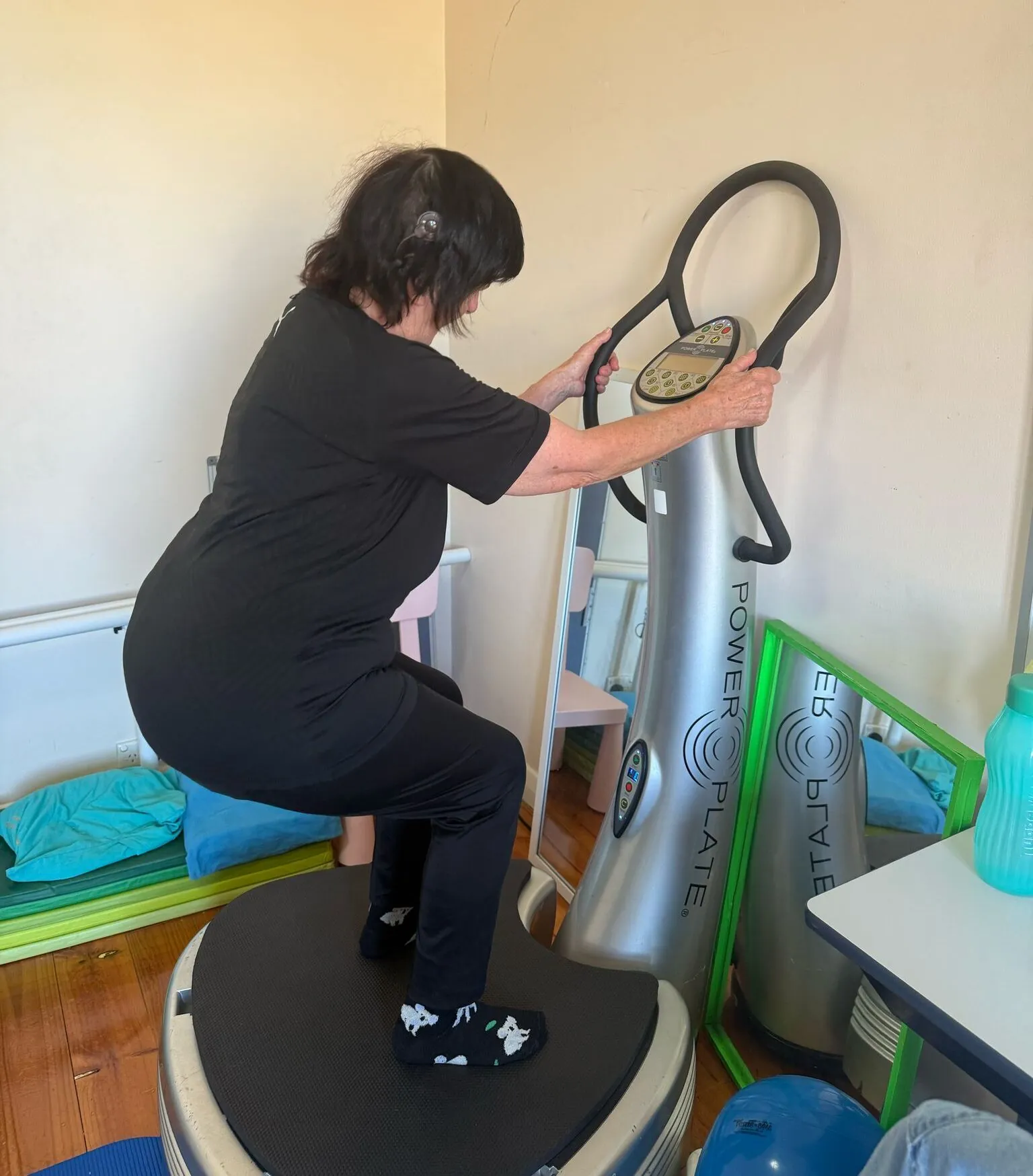
Most people notice their legs feel firmer in 4 to 6 weeks of regular use, with visible change closer to 8 to 12 weeks. That assumes 3 sessions a week, 10 to 15 minutes each, plus separate strength training.
| Situation | How long | What changes it | What to watch for |
|---|---|---|---|
| Standing only, no added moves | 8–12 weeks for any firmness | Whether you add squats or holds | Very little happens |
| Plate + squats, 3x a week | 4–6 weeks to feel firmer | How hard you push each set | Sore knees if you lock them |
| Plate + gym work | 6–10 weeks for visible tone | Diet and total weekly training | Fat loss drives the look, not the plate |
| Older adults, balance focus | 6–8 weeks for steadier standing | Starting setting and session length | Hold a rail at first |
| Daily use with no rest | Slower than any row above | Recovery time | Overtraining soreness, not progress |
If it’s taking far longer than the table says, check two things: are you actually adding resistance work, and are you eating enough protein to build muscle?
Signs the plate is working for you
You’ll know it’s working when your thighs feel tired after a set, your one-leg balance improves, and stairs feel easier within a few weeks.
The test that settles it: stand on one leg with your eyes open and time how long you last. Do it now, then again in 6 weeks. If the number goes up, the plate is helping.
Mistakes that spoil the result
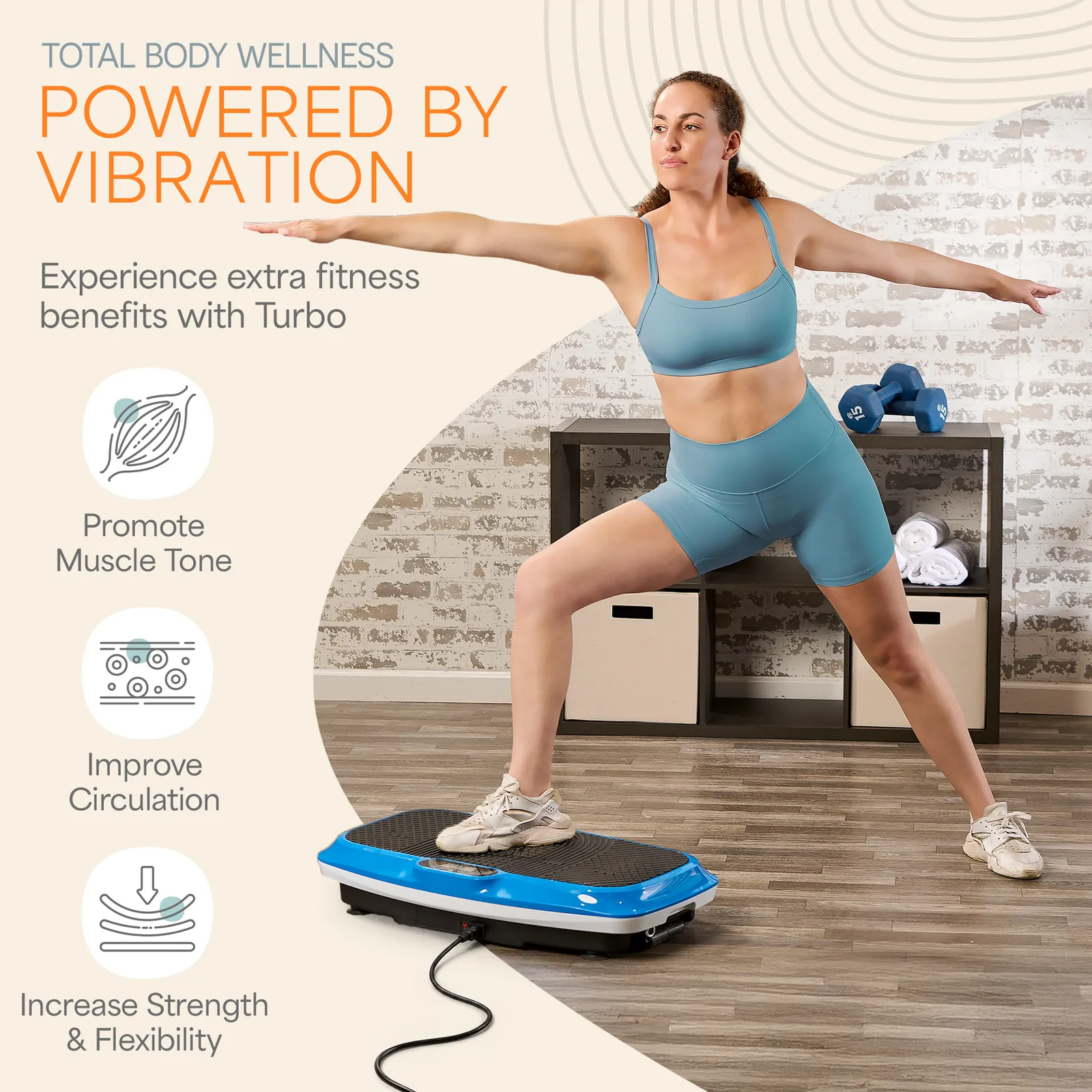
- Standing still and calling it a workout. Vibration alone is a light stimulus, so you get light results. Add squats, lunges, or holds so the muscles actually have to work.
- Skipping real strength training. The plate can’t replace weights or bodyweight work. Without that, your muscles won’t change shape no matter how many sessions you do.
- Running it every single day. Muscles grow during rest, not during the shake. Three sessions a week with a rest day between beats seven days of sore legs.
- Using it on a hard floor with no mat. The machine walks across the room and the noise gets loud. Put a rubber mat underneath and check the feet are level.
- Ignoring pain in your back or joints. Vibration travels through the body, and a bad setting sends it where you don’t want it. Drop the frequency, shorten the session, and see a doctor if it doesn’t settle.
Frequently asked questions
Does a vibration plate burn belly fat?
No, not on its own. Spot reduction doesn’t work — you can’t choose where fat comes off. Belly fat drops when you’re in a calorie deficit over weeks, and the plate only adds a small amount to your daily burn.
How long should I use a vibration plate each day?
10 to 15 minutes per session, 3 times a week, is enough for most people. Beginners should start at 5 minutes and add a minute each week.
Is a vibration plate safe?
For most healthy adults, yes, at moderate settings and short sessions. Skip it if you’re pregnant, have a pacemaker, a blood clot history, a hernia, or recent surgery, and ask your doctor first. Stop at once if you feel dizzy or your vision blurs.
Can I lose weight with just a vibration plate?
Unlikely by itself. The calorie burn is modest compared to walking or cycling, and weight loss comes mostly from what you eat.
Why don’t I see muscle tone after a month?
Because a month is short and the plate is a light load. Check your training and food before blaming the machine.
What happens if I use it every day?
You’ll likely get sore legs and tired joints, and progress can stall. Take at least one rest day between sessions.
Does it help with balance instead?
Yes, and that’s where the evidence is strongest. Balance and leg strength improve with regular use, especially in older adults.
Conclusion
A vibration plate is a useful extra, not a shortcut. Use it 3 times a week for 10 to 15 minutes, add squats and holds, and keep your strength training going. That combination tones muscles. The plate by itself mostly just shakes them.

I am a certified fitness coach with over 10 years of experience helping people improve their strength, endurance, and overall health. Specializes in workout programming, weight training, fat loss, muscle building, home fitness, and evidence-based nutrition.My goal is to make fitness simple and practical through well-researched guides, honest product reviews, and actionable training advice.