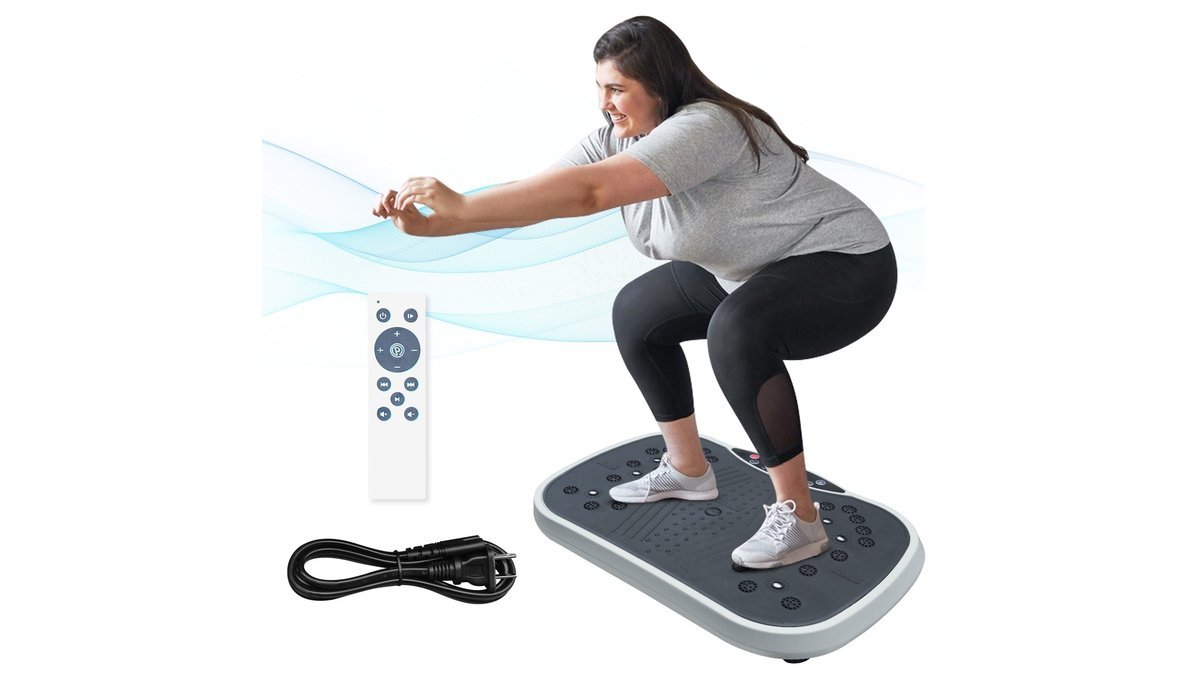
If you’ve been searching for an under desk vibration plate, you probably want to know whether these compact machines actually do anything, whether one will fit under your desk, and what it should cost. Short answer: a decent compact vibration plate runs roughly $80 to $400, fits in most legroom spaces if you choose carefully, and offers modest, real benefits for circulation and muscle activation — but it won’t replace walking, standing, or exercise. This guide covers all of it.
Key Takeaways
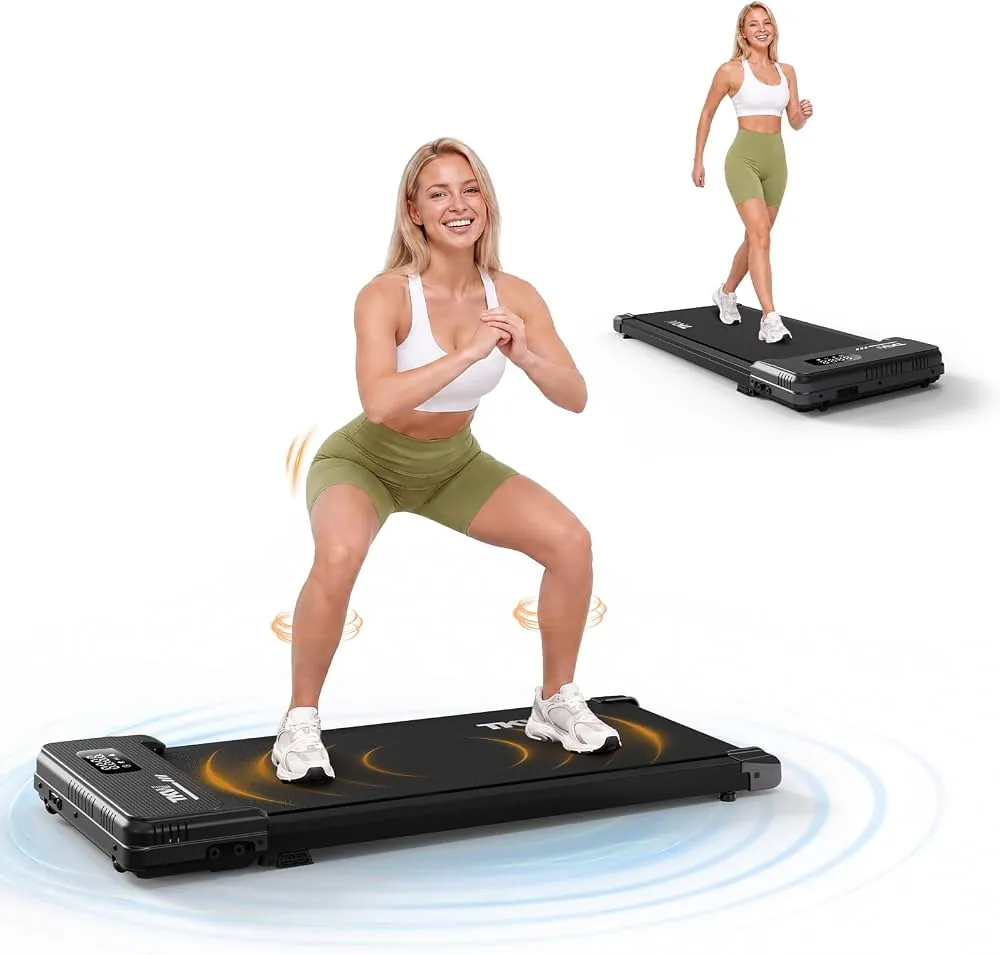
- Expect to pay $80–$400 for a quality under desk vibration plate; under $80 usually means flimsy build and noisy motors.
- Most compact plates measure 20–27 inches wide, so measure your legroom before buying — clearance under a standard desk is often 24–28 inches.
- Vibration plates improve circulation and mild muscle activation; they do not cause meaningful weight loss on their own.
- Oscillating (see-saw) plates are quieter and gentler; vertical (pivotal) plates feel more intense.
- Start with 5–10 minute sessions at low frequency (5–15 Hz) to test your tolerance.
- If you’re pregnant, have a pacemaker, recent surgery, or blood-clot issues, ask your doctor first.
What Is an Under Desk Vibration Plate?
An under desk vibration plate is a slim platform, usually 3–6 inches tall, that vibrates while you stand on it with your feet — sometimes while seated with your feet resting on it. The vibration forces your muscles to make tiny, rapid adjustments, which raises blood flow and lightly engages your legs and core. Unlike full-size vibration plates used in gyms, the under desk versions are built for low-intensity, longer-duration use while you work.
How Vibration Plates Work
Most home plates use one of two mechanisms:
- Oscillating (pivotal): the platform see-saws around a central pivot, like a wobble board. Gentler, quieter, and the most common style for desk use.
- Vertical (lineal): the whole platform moves up and down. Stronger muscle stimulus, but noisier and harder on joints at high settings.
Frequency is measured in Hz (vibrations per second). Desk-friendly machines typically run 5–20 Hz; clinical whole-body vibration often uses 25–50 Hz, which is more than you want while typing or on a video call.
Do Under Desk Vibration Plates Actually Work?
Yes, within limits. Research on whole-body vibration shows measurable improvements in circulation, balance, and bone density in some populations, and modest muscle activation. What the evidence doesn’t support: dramatic weight loss, cellulite reduction, or fitness gains comparable to walking. Think of it as a supplement to movement, not a substitute. If your goal is to be less sedentary at a desk job, alternating between sitting, standing, and a few minutes on the plate is a realistic, useful pattern.
Best Ways to Use One at Your Desk
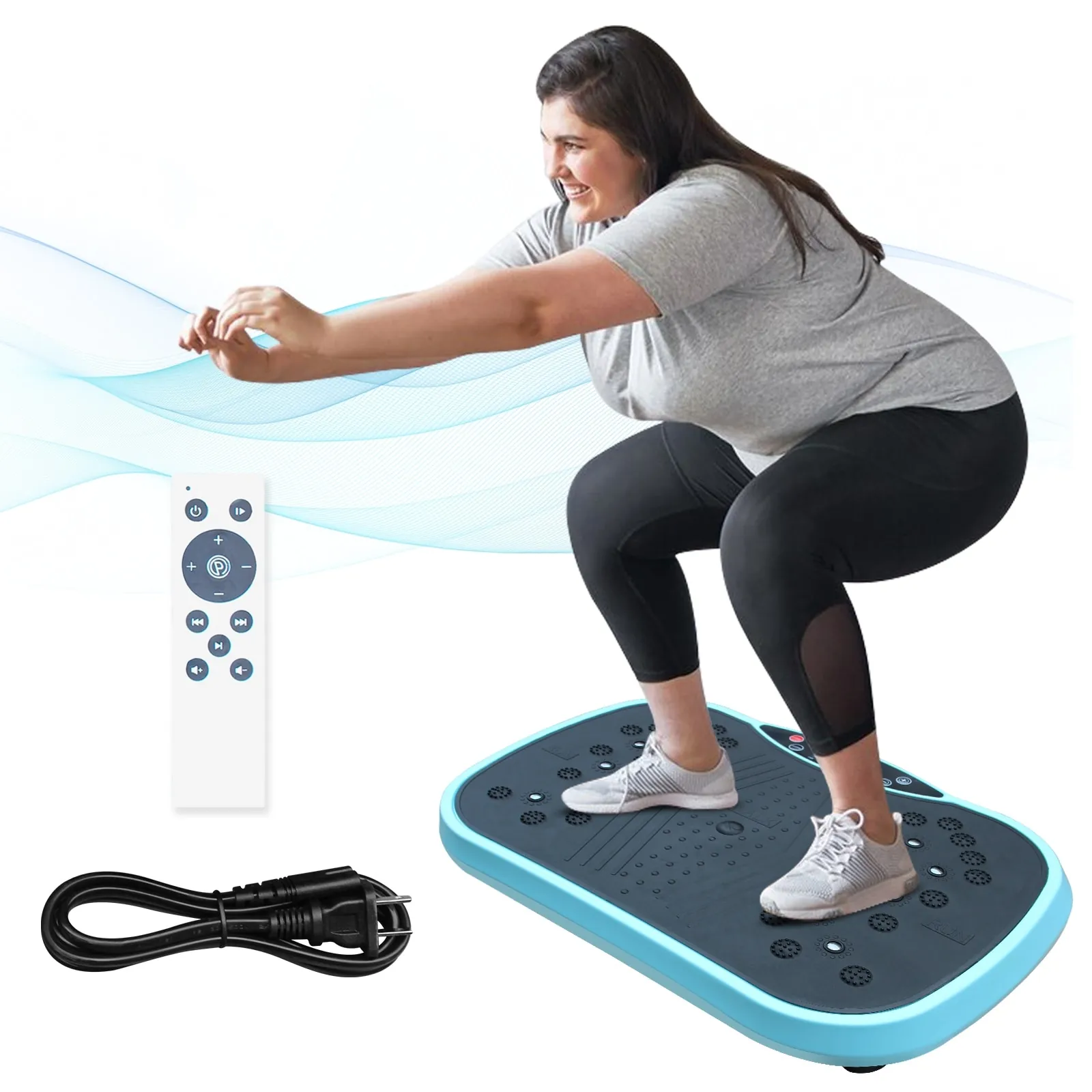
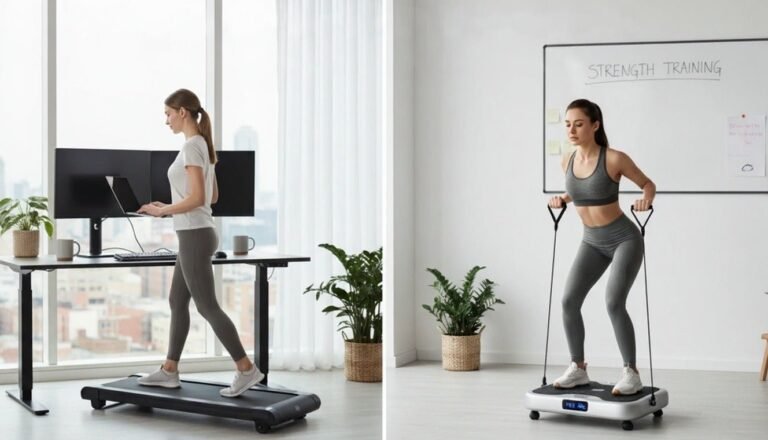
Standing on it while working
Stand with slightly bent knees, feet shoulder-width apart, weight even. Keep sessions to 10–15 minutes and use low settings. Typing is fine; precision mouse work can get shaky, so many people save the plate for calls, reading, or email.
Seated foot vibrations
Rest your feet on the plate while seated. This does little for muscles but can ease leg swelling and circulation issues on long sitting days — a common reason office workers buy these.
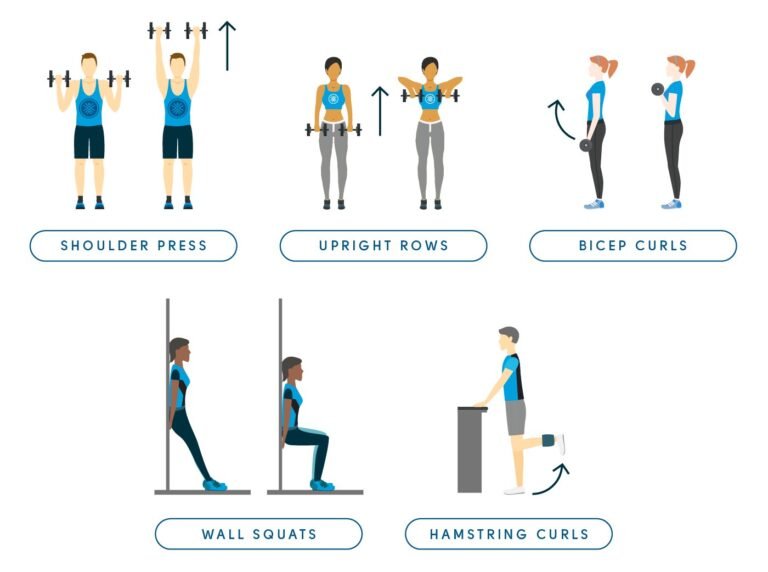
Simple desk-side exercises
- Calf raises — 2 sets of 15
- Gentle squats — 2 sets of 10, holding the desk for balance
- Alternating single-leg stands — 30 seconds per side
- Toe taps and heel lifts — 1–2 minutes
What to Look For Before You Buy
Size and clearance
Measure the height and width of your legroom under your desk. Most plates are 20–27 inches wide and 3–6 inches tall. If your desk’s crossbar or drawer sits low, a slim plate (under 4 inches) is essential.
Noise level
Look for advertised noise under 60 dB at low settings, and oscillating motors if you take calls. Rubber feet and a thick floor mat reduce both noise and vibration transfer to downstairs neighbors.
Weight capacity and build
Aim for at least 250–330 lb capacity even if you weigh less — it usually signals a sturdier frame and motor. Brands with established compact models include LifePro, Vibration Plate brands like Hurtle, Bluefin, and Rumblex series machines.
Comparison: Common Plate Styles
| Feature | Oscillating plate | Vertical plate | 3D (dual motor) |
|---|---|---|---|
| Motion | See-saw side to side | Straight up and down | Both combined |
| Noise level | Low (roughly 45–55 dB) | Moderate to high (55–70 dB) | Moderate |
| Best for | Desk work, beginners | Short intense sessions | Versatility |
| Typical price | $80–$200 | $100–$300 | $200–$400 |
Sample Weekly Schedule
| Day | Session | Duration | Setting |
|---|---|---|---|
| Mon | Standing at low speed | 10 min | 5–10 Hz |
| Tue | Seated foot rest | 15 min | Lowest |
| Wed | Calf raises + squats | 10 min | 10–15 Hz |
| Thu | Rest or walking | — | — |
| Fri | Standing, reading email | 15 min | 5–10 Hz |
| Sat | Full mini-workout | 15 min | 10–15 Hz |
| Sun | Rest | — | — |
Common Problems and Fixes
- Numb or tingling feet: add a foam mat, wear shoes, or reduce intensity.
- Too noisy for calls: switch to oscillating mode, place a rubber mat underneath, avoid hard floors touching walls.
- Desk shakes or monitor wobbles: lower the frequency and check that the plate isn’t touching the desk legs.
- Dizziness after use: shorten sessions to 5 minutes, hydrate, and stand still for 30 seconds before stepping off.
Warning: Stop immediately if you feel pain, numbness that persists after getting off, or lightheadedness. Vibration should feel like buzzing, never like impact.
Who Should Avoid Vibration Plates
Skip these machines — or get medical clearance first — if you’re pregnant, have a pacemaker or implanted electronic device, recent surgery, acute hernia, retinal detachment risk, epilepsy, or a history of blood clots (DVT). People with severe osteoporosis should also consult a physician, since high-frequency vibration can stress fragile bone.
Related guides
Frequently Asked Questions
Can you lose weight using an under desk vibration plate?
Not meaningfully on its own. Standing vibration burns only a small number of extra calories — typically comparable to slow standing rather than walking. Some small studies show modest fat-loss support when vibration is combined with diet and exercise, but the plate itself isn’t a weight-loss tool.
How long should you stand on a vibration plate at your desk?
Begin with 5–10 minutes once or twice a day at low frequency. Most manufacturers cap recommended sessions at 15–20 minutes. More isn’t better; overuse can cause foot soreness or lower-back irritation.
Will a vibration plate bother coworkers or downstairs neighbors?
Possibly. Oscillating plates at low settings run around 45–55 dB — about the level of a quiet office. A thick rubber mat underneath cuts vibration transfer through the floor considerably, which matters most in apartments with wooden floors.
Can I use a vibration plate while sitting at my desk?
Yes, by resting your feet on it. You get circulation benefits for your lower legs but little muscle engagement. This is a good option if standing while working makes your legs tired or your balance unsteady.
Do vibration plates help with circulation or swollen legs?
Many users report reduced leg heaviness and swelling, and research on whole-body vibration shows improved peripheral blood flow. It’s a reasonable tool for desk workers with sedentary swelling, but it’s not a treatment for vascular conditions — see a doctor for diagnosed issues.
Is a cheap vibration plate worth it?
Under $80, expect lighter platforms, louder motors, shorter warranties, and weaker weight ratings. For occasional seated use, budget models can be fine. For daily standing sessions, spending $120–$250 typically buys a noticeably sturdier, quieter machine.
Conclusion
A sensible next step: measure the clearance under your desk today, decide whether you’ll use it standing or seated, and shortlist two or three oscillating models in the $100–$250 range with a weight rating above 250 lb. Start with short low-intensity sessions, listen to your body, and treat the plate as one tool in a day that also includes real walking and movement.
I am a certified fitness coach with over 10 years of experience helping people improve their strength, endurance, and overall health. Specializes in workout programming, weight training, fat loss, muscle building, home fitness, and evidence-based nutrition.My goal is to make fitness simple and practical through well-researched guides, honest product reviews, and actionable training advice.