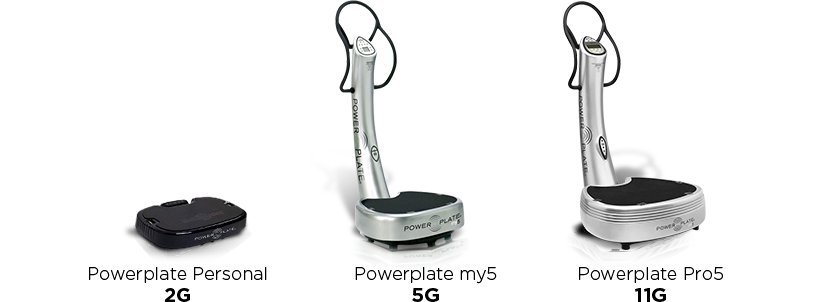
For most people, Power Plate is the better buy. It has more published research behind it and a wider dealer network for repairs. Hypervibe wins only if you want the lowest price per unit of vibration. Check current prices yourself, since they move.
Power Plate and Hypervibe compared
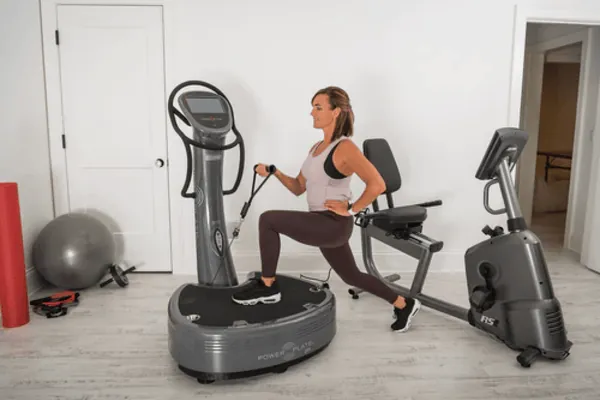
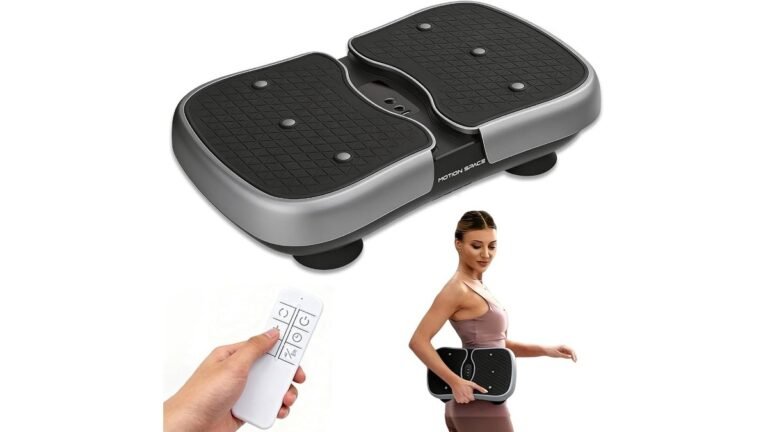
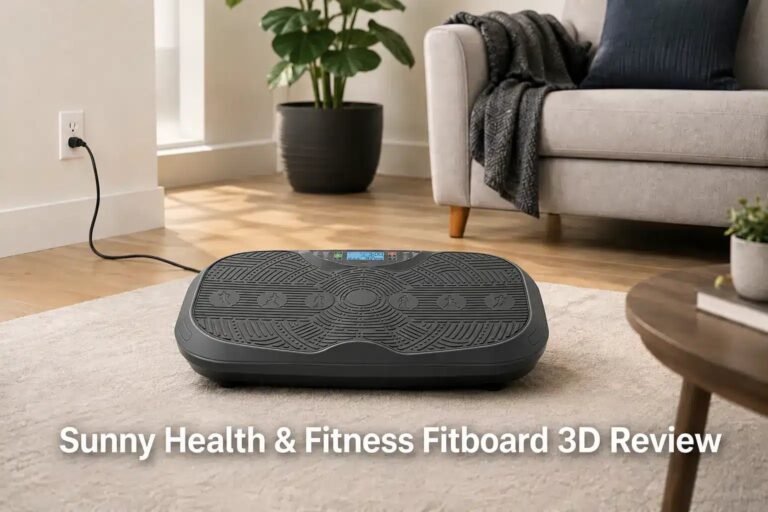
Both machines shake your muscles by moving a platform up and down or side to side. The real difference is price, service and how much research each brand has published. Here’s how the main options stack up.
| Method | How long | Effort | Cost | Best for |
|---|---|---|---|---|
| Power Plate (home model) | 10-20 min sessions | Low | High | Buyers who want proven tech and local service |
| Hypervibe | 10-15 min sessions | Low | Medium | Budget buyers who want strong vibration |
| Commercial gym machine | 15-30 min per visit | Medium | Low per visit | Trying before you buy |
| Cheap no-name plate | 5-10 min | Low | Low | Casual use, short lifespan |
Prices change often, so check each brand’s official site for current figures.
How Power Plate works
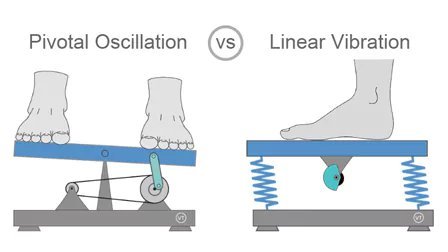
Power Plate uses a three-directional vibration — up, down, and side to side. The platform moves in all three planes at once, which is why it feels different from cheaper plates.
- Set the frequency. Most home models run from 30 to 40 Hz. Start at 30 Hz.
- Set the time. Begin with 30 seconds per position, not 10 minutes.
- Stand or place your hands on the plate. Keep knees soft, never locked.
- Rest 30 seconds between positions. Do 3 to 5 positions total.
- Build up over 4 to 6 weeks. Add 10 seconds per position each week.
It’s good at short sessions and it has a large dealer network for spare parts. The weakness is the price. If you have a heart condition, a pacemaker, or you’re pregnant, talk to your doctor before you start — vibration plates aren’t for everyone.
How Hypervibe works

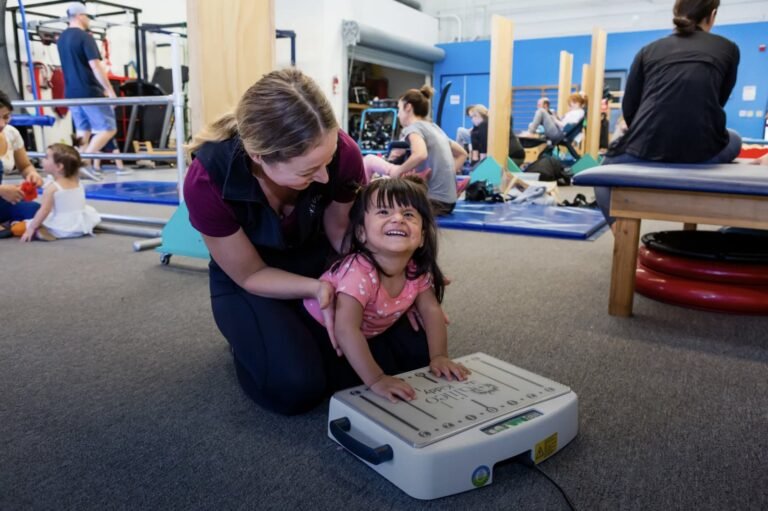
Hypervibe uses a pivoting platform. It tilts side to side rather than moving in three directions, and the pivot point sits under your feet.
- Step on and find your balance point. Stand with feet shoulder-width apart.
- Set the speed. Hypervibe uses a 1 to 10 dial, not hertz. Start at 3.
- Hold each position for 30 to 60 seconds.
- Do 4 to 6 positions. Squats, lunges, push-ups, and a simple stand.
- Move up one dial step every week or two, not every session.
The pivot design gives a strong side-to-side shake, and the price sits below Power Plate. The catch is service. Hypervibe has fewer repair centers, so a breakdown can mean shipping the unit back. The FDA treats whole-body vibration devices as general wellness products, not medical devices, so no brand can legally claim it cures anything.
Which plate fits your situation?
If you’re in a hurry and just want to start today, pick Hypervibe. It ships faster and costs less, so you lose little if you stop using it.
If this is your first vibration plate, go with a gym trial first. Pay for a month at a gym with a Power Plate, use it 3 times a week, and see if you actually stick with it. Most people quit within a month.
If you want the best possible result whatever it takes, choose Power Plate. The three-directional movement and the bigger service network matter more over 5 years than the money you save up front. That’s the trade-off: you pay more now for less hassle later.
What matters with any vibration plate
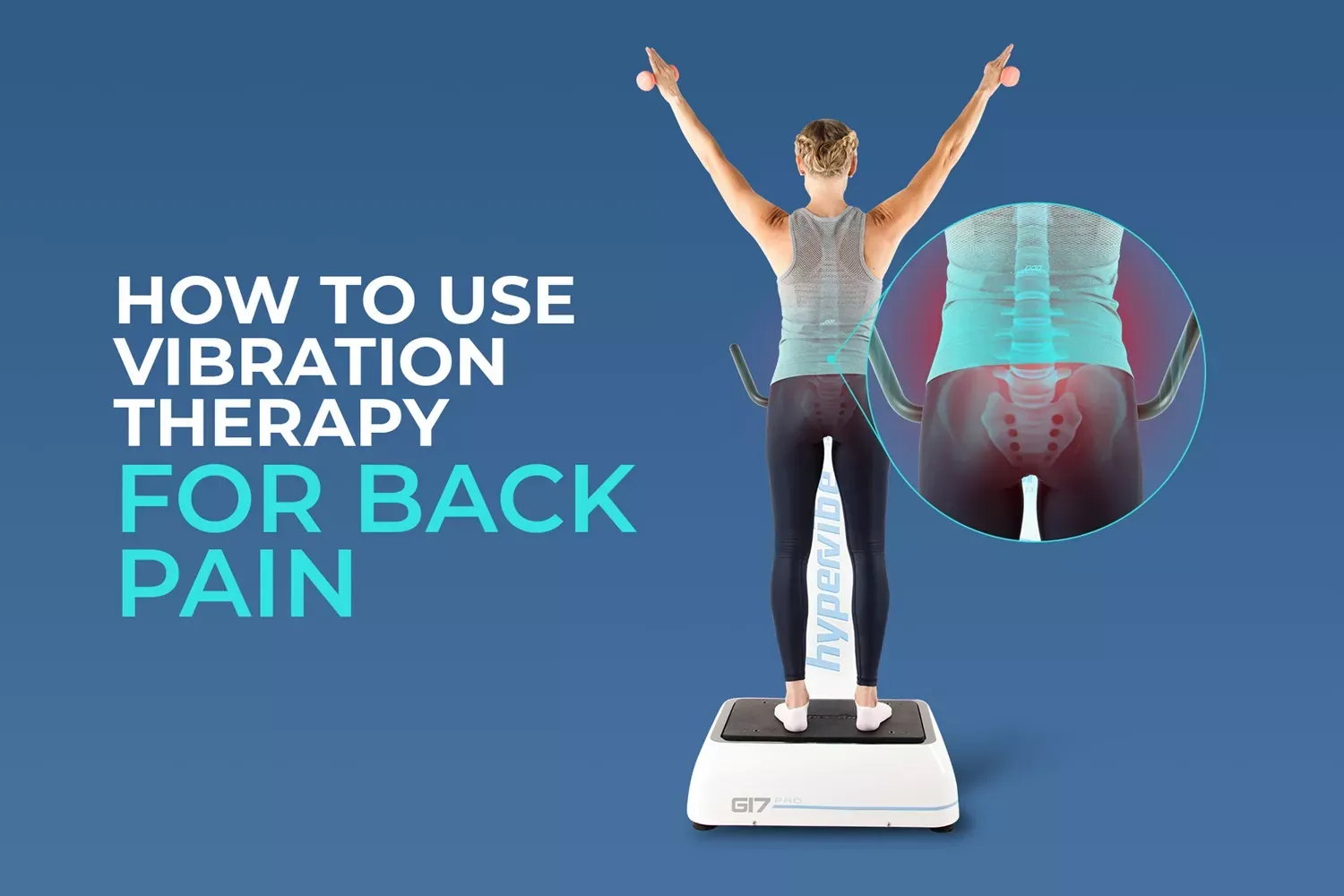
Whichever brand you pick, the same rules apply. The US Consumer Product Safety Commission publishes recall notices for fitness equipment, so check its site before you buy a used unit. Prepare first by clearing 3 feet of space around the plate and putting a mat under it to cut noise.
Check partway through each session that your knees stay soft and your back stays straight. At the end, wipe the platform down and unplug it. If you have a pacemaker, a recent fracture, a blood clot, or you’re pregnant, don’t use any vibration plate without asking your doctor first. That’s a medical call, not a buying decision.
Frequently asked questions
Is Power Plate better than Hypervibe?
For most buyers, yes. Power Plate has more published research and a wider repair network. Hypervibe is better only when price is your main concern.
How long should a session last?
10 to 20 minutes on a Power Plate, or 10 to 15 minutes on a Hypervibe, assuming you’re healthy and new to vibration training. Start with 30-second positions and build up.
Can I lose weight with a vibration plate?
No, not on its own. Vibration plates add a small amount of muscle work, but weight loss needs diet and cardio. Treat the plate as a supplement, not the plan.
Is it safe to use every day?
For most healthy adults, yes — 3 to 5 short sessions a week is plenty. Daily long sessions raise the risk of sore joints. If you have a health condition, ask your doctor first.
What happens if I use it with locked knees?
You risk passing the vibration straight into your joints and lower back, which can cause pain. Keep a slight bend in the knees at all times.
Why do Hypervibe and Power Plate feel different?
Power Plate moves in three directions at once. Hypervibe pivots side to side. That’s why the same speed setting feels stronger on one machine than the other.
How much do they cost?
Home models from both brands sit in the high hundreds to low thousands of US dollars, depending on the model and the seller. Check each brand’s official site for current pricing.
Conclusion
Neither machine is magic. Pick the one you’ll actually stand on three times a week, because the plate you use beats the plate you leave in the corner.

I am a certified fitness coach with over 10 years of experience helping people improve their strength, endurance, and overall health. Specializes in workout programming, weight training, fat loss, muscle building, home fitness, and evidence-based nutrition.My goal is to make fitness simple and practical through well-researched guides, honest product reviews, and actionable training advice.