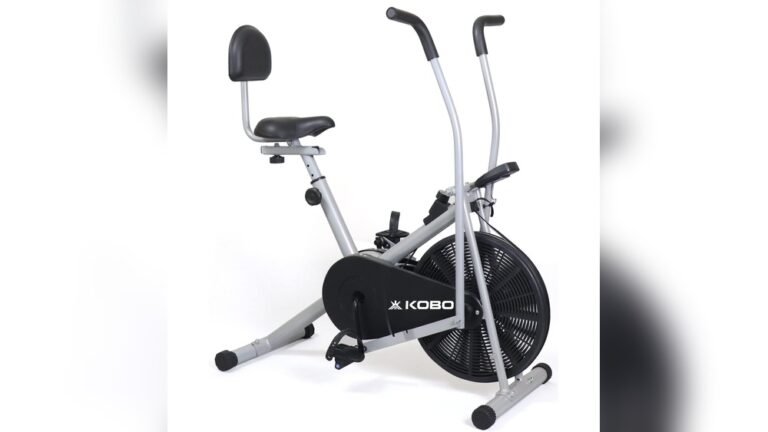
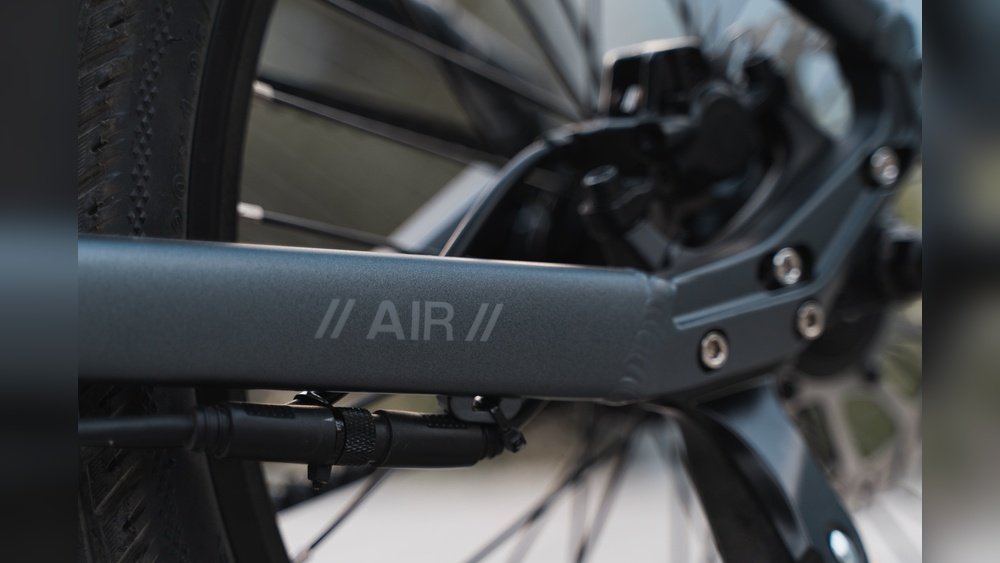
If you want your air bike to keep running smoothly and give you the best workouts, regular maintenance is key. You might not realize it, but small habits like cleaning, lubricating, and checking parts can make a huge difference in how long your bike lasts and how well it performs.
Imagine avoiding unexpected breakdowns or frustrating noises during your intense sessions. You’ll discover simple, practical tips that anyone can follow to keep their air bike in top shape. Stick with me, and you’ll learn exactly what to do so your bike stays ready for every challenge you throw at it.

Credit: www.gzsamebike.com
Cleaning The Air Bike
Cleaning the air bike is essential for its smooth operation and longevity. Dust, sweat, and grime can build up over time. This buildup affects the bike’s performance and appearance. Keeping the bike clean prevents damage and keeps it running well. Regular cleaning also ensures a safe and pleasant workout experience.
Recommended Cleaning Materials
- Soft microfiber cloths
- Mild detergent or soap
- Damp rag
- Bucket of warm water
- Soft brush for crevices
- Compressed air (optional)
Step-by-step Cleaning Process
- Turn off the air bike and unplug it if electric.
- Wipe the frame and handles with a damp rag and mild detergent.
- Use a soft brush to clean hard-to-reach areas.
- Dry all surfaces with a microfiber cloth to avoid rust.
- Use compressed air to blow out dust from small parts.
- Check for loose bolts or parts while cleaning.
Frequency Of Cleaning
Clean the air bike after every few workouts to remove sweat and dust. For heavy use, clean it once a week. If used less often, a biweekly cleaning is enough. Regular cleaning keeps the bike in top shape and extends its life. A clean air bike also feels better to use every time.
Lubricating Moving Parts
Lubricating moving parts is essential for keeping your air bike running smoothly. It reduces friction and wear, which extends the bike’s life. Proper lubrication also keeps the bike quieter and improves performance. Regular care saves you time and money on repairs.
Identifying Key Components To Lubricate
Focus on parts that move or rotate. The chain is the most important component to lubricate. Also, check the pedals and crank arms. The flywheel bearings need attention too. Look at the pivot points of the handles. These parts face the most friction.
Best Lubricants To Use
Use light machine oil or a bicycle chain lubricant. Avoid heavy grease that can attract dust and dirt. Silicone-based lubricants are good for plastic parts. Spray lubricants with a straw nozzle help reach tight spots. Always use lubricants designed for fitness equipment or bikes.
Lubrication Schedule
Lubricate the moving parts at least once a week if you use the bike daily. For occasional use, do it once a month. Clean the parts before applying lubricant to avoid trapping dirt. Wipe off excess oil to prevent buildup. Stick to a regular schedule for best results.
Tightening Bolts And Screws
Tightening bolts and screws on your air bike is crucial for safe and smooth operation. Loose parts can cause noise, wobbling, or even damage. Regular checks keep your bike stable and extend its life.
Focus on tightening bolts and screws as part of your routine maintenance. This simple task prevents bigger mechanical problems and ensures a secure workout experience.
Areas To Check Regularly
Inspect the pedals and crank arms for tight bolts. Check the seat post and seat clamp screws. Look at the handlebar stem and handlebars for any loose screws. Don’t forget the flywheel and its housing bolts. Also, examine the base frame bolts for stability.
Tools Needed For Tightening
Use a set of Allen wrenches for most bolts. A socket wrench helps with larger nuts and bolts. Keep a screwdriver handy for screws on the display or guards. A torque wrench is useful to avoid over-tightening. Have a clean cloth to wipe dirt before tightening.
Signs Of Loose Components
Listen for creaking or rattling sounds during rides. Feel for wobbling in the pedals or handlebars. Notice any unusual movement in the seat or frame. Check for parts that shift when you push or pull. Loose bolts can cause uneven resistance or strange noises.

Credit: www.wild-ass.com
Chain Maintenance
The chain is a key part of your air bike. It moves the pedals and the fan. Keeping the chain in good shape helps your bike work smoothly. Poor chain care can cause noise, slipping, or even damage. Regular chain maintenance keeps your air bike running longer and better.
Cleaning The Chain
Start by wiping the chain with a dry cloth. Remove dirt and dust that build up from use. For deeper cleaning, use a mild detergent and water. Avoid harsh chemicals that can damage the chain. Dry the chain fully to stop rust from forming. Clean chains run quieter and last longer.
Proper Oiling Techniques
Use light oil made for bike chains. Apply a small drop on each link. Spin the pedals backward to spread the oil evenly. Wipe off extra oil with a clean cloth. Too much oil attracts dirt and dust. Oil the chain once a week if you use the bike often.
Preventing Chain Wear
Check the chain tension regularly. A loose chain can slip or fall off. Tighten it but avoid too much pressure. Keep the chain clean and well-oiled to reduce wear. Replace the chain if you see rust or broken links. Proper care keeps your air bike safe and efficient.
Checking Pedals And Handles
Checking the pedals and handles of your air bike is essential for safe and smooth workouts. These parts endure constant pressure and movement. Regular checks help spot issues early. This prevents accidents and costly repairs. Let’s explore how to maintain these key components effectively.
Inspecting For Wear And Tear
Look closely at the pedals and handles for any signs of damage. Cracks, chips, or worn surfaces can reduce grip and safety. Check the rubber or padding on handles for wear. Smooth or slippery handles need attention. Pedals with loose or missing grips should be replaced. Early detection keeps your bike reliable.
Ensuring Secure Attachments
Tighten all screws and bolts that hold pedals and handles in place. Loose attachments can cause wobbling or sudden detachment. Use the correct tools to avoid stripping bolts. Test each handle and pedal by moving them gently. They should not shift or feel loose. Secure parts improve control and comfort.
Replacing Damaged Parts
Replace pedals or handles that show significant damage. Use parts recommended by the manufacturer. Avoid makeshift fixes that may fail during exercise. Installing new parts restores safety and performance. Keep spare pedals and grips handy for quick replacements. Well-maintained parts extend the life of your air bike.
Storage Tips
Proper storage of your air bike helps keep it in top shape. It prevents damage and extends its life. Follow these simple storage tips to protect your investment.
Ideal Environment For Air Bike
Store your air bike in a cool, dry place. Avoid areas with extreme heat or cold. A consistent temperature stops parts from warping or cracking. Keep the space well ventilated to prevent moisture buildup.
Protecting From Dust And Moisture
Cover your air bike with a breathable cloth or bike cover. This blocks dust and dirt from settling on moving parts. Avoid plastic covers that trap moisture and cause rust. Wipe the bike regularly to remove any dust or sweat.
Long-term Storage Advice
If storing for months, clean your air bike thoroughly first. Lubricate the chain and moving parts to avoid rust. Check tire pressure and inflate if needed. Store it off the ground if possible to protect from damp floors.
Troubleshooting Common Issues
Troubleshooting common issues with your air bike helps keep it in top shape. Quick checks and fixes prevent bigger problems. Understanding typical faults saves time and money. Below are common issues and simple steps to resolve them.
Noisy Operation
Noise often comes from loose parts or lack of lubrication. Check all bolts and screws and tighten them. Apply lubricant to the chain and moving joints. Dust and dirt can cause noise too. Clean the bike regularly with a damp cloth. Listen for squeaks or rattles to find the source. Fixing noise early stops damage later.
Resistance Problems
Resistance issues reduce workout quality. Inspect the fan blades for dust or debris and clean them. Check the belt or chain that connects the pedals and fan. If loose or worn, adjust or replace it. Sometimes, resistance settings may need recalibration. Follow the manufacturer’s guide to reset. Proper resistance ensures smooth and effective exercise.
Unusual Movements
Wobbly pedals or handles affect safety and comfort. Examine the pedals and handles for wear or looseness. Tighten any loose parts immediately. Look at the frame for cracks or bends. Replace damaged parts as soon as possible. Regular checks keep your ride steady and safe. Stable movement improves your workout experience.
Routine Maintenance Checklist
Keeping your air bike in top shape requires a clear routine maintenance checklist. Regular checks help spot issues early. This prevents costly repairs and extends the bike’s life. Follow simple steps daily, weekly, and monthly for best results.
Daily Quick Checks
Start each workout by inspecting the air bike. Check the seat and handlebars for tightness. Look over the pedals and cranks for any loose parts. Wipe down the frame with a dry cloth to remove sweat and dust. Ensure the fan blades spin freely without noise or resistance.
Weekly Deep Maintenance
Once a week, clean the air bike more thoroughly. Use a damp cloth with mild detergent on the frame and handles. Check the chain or belt for proper tension and signs of wear. Lubricate moving parts lightly to reduce friction. Tighten any bolts or screws that feel loose. Test the resistance system to confirm smooth operation.
Monthly Detailed Inspection
Perform a full inspection every month. Examine the chain or belt for rust or damage. Inspect the fan and drive system closely. Clean hard-to-reach areas with compressed air or a small brush. Check the seat and handlebar adjustment mechanisms. Replace any worn parts immediately to avoid bigger problems. This thorough check keeps your air bike running smoothly.

Credit: www.beginnercyclingtips.com
Frequently Asked Questions
Can You Use Wd-40 On A Stationary Bike?
Avoid using WD-40 on a stationary bike as it can attract dirt and damage parts. Use bike-specific lubricants instead.
Can You Do An Air Bike Every Day?
Yes, you can do an air bike every day if you listen to your body and allow proper recovery. Maintain the bike regularly.
How To Lubricate An Assault Bike?
Lubricate an assault bike by lightly oiling the chain weekly for regular use. Use a bike-specific chain lubricant. Wipe excess oil to prevent dirt buildup. Clean the bike before lubricating. Regular lubrication ensures smooth operation and extends the bike’s lifespan.
What Maintenance Do E-bikes Need?
E-bikes need regular battery charging, tire pressure checks, brake and chain inspection, and occasional motor servicing. Clean parts gently and lubricate moving components monthly.
Conclusion
Regular care keeps your air bike running smoothly and longer. Clean the bike often to remove dust and sweat. Lubricate chains and moving parts to prevent rust and wear. Check bolts and screws to keep everything tight and safe. Small efforts now save you from big repairs later.
Enjoy your workouts without interruptions or breakdowns. Healthy maintenance habits make your air bike a reliable fitness partner. Stay consistent, and your bike will support your fitness journey well.
I am a certified fitness coach with over 10 years of experience helping people improve their strength, endurance, and overall health. Specializes in workout programming, weight training, fat loss, muscle building, home fitness, and evidence-based nutrition.My goal is to make fitness simple and practical through well-researched guides, honest product reviews, and actionable training advice.