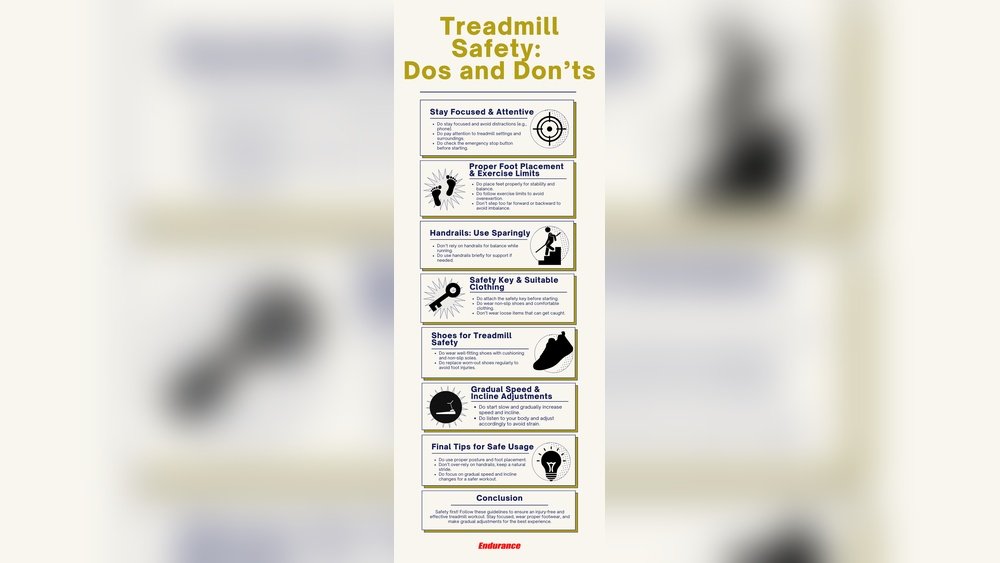
Using a treadmill is one of the easiest ways to stay fit right at home or in the gym. But have you ever thought about how to keep yourself safe while working out on it?
Whether you’re a beginner or a regular user, knowing the right safety tips can protect you from injuries and make your exercise more effective. You’ll discover simple yet powerful safety tips for treadmill use that help you avoid common mistakes, maintain proper form, and get the most out of every workout.
Keep reading to learn how small changes can make a big difference in your treadmill experience!
Warm-up Strategies
Warming up before using a treadmill reduces injury risk and improves performance. It prepares your muscles and joints for exercise. Warming up also helps increase your heart rate gradually. This section covers simple warm-up strategies to start your treadmill workout safely.
Dynamic Stretches
Dynamic stretches move your muscles through a full range of motion. They increase blood flow and flexibility. Examples include leg swings, arm circles, and walking lunges. Perform these stretches for 5 to 7 minutes before stepping on the treadmill. Avoid static stretches before running, as they may reduce muscle power.
Slow Walking Start
Begin your treadmill session with slow walking. Set the speed to a comfortable pace for 3 to 5 minutes. This gentle start warms your legs and helps you adjust to the treadmill’s movement. Increase speed gradually after this phase to avoid sudden strain. Slow walking also improves balance and coordination before faster exercise.
Proper Posture
Maintaining proper posture on a treadmill is essential for safety and workout effectiveness. It helps prevent injuries and improves your balance. Good posture also allows your muscles to work efficiently and reduces fatigue. Focus on how you hold your body during your treadmill sessions to get the best results.
Head And Shoulders Position
Keep your head up and eyes looking forward. Avoid looking down at your feet or the treadmill screen too much. Your shoulders should stay relaxed and down. Do not hunch or raise them. This position prevents neck and shoulder strain.
Engaging Core
Tighten your abdominal muscles slightly while walking or running. This supports your lower back and stabilizes your body. Engaging your core helps maintain balance and posture. It also improves your breathing and endurance on the treadmill.
Avoiding Handrail Grip
Try not to hold the treadmill handrails unless needed for balance. Gripping the rails can cause poor posture and reduce workout benefits. It may also lead to an unnatural walking or running form. Use the rails only briefly when starting or stopping.
Footwear Essentials
Proper footwear is a key factor for treadmill safety. Wearing the right shoes protects your feet and ankles. It also improves your balance and comfort during workouts. Choosing shoes designed for walking or running reduces risks of injury. Footwear with good support helps maintain proper form and prevents slips. Investing time in selecting the correct shoes is worth it for a safe exercise experience.
Choosing Supportive Shoes
Select shoes with strong arch support and cushioning. This helps absorb shock from each step. Look for shoes that fit snugly but are not tight. Breathable materials keep feet dry and comfortable. Avoid shoes with worn-out soles or poor grip. Proper tread prevents slipping on treadmill belts. Replace shoes regularly to maintain their support and safety features.
Avoiding Foot And Ankle Strain
Wear shoes that stabilize your foot and ankle. This lowers the chance of twisting or spraining. Shoes with good heel support keep your feet aligned. Avoid shoes that are too stiff or too flexible. Both can cause discomfort or strain. Ensure laces are tied securely to prevent tripping. Proper footwear reduces fatigue and helps you run longer safely.
Credit: www.extraspace.com
Using Safety Features
Using safety features on a treadmill is vital for a secure workout. These features help prevent accidents and injuries. Knowing how to use them properly keeps you safe during exercise.
Attaching The Safety Key
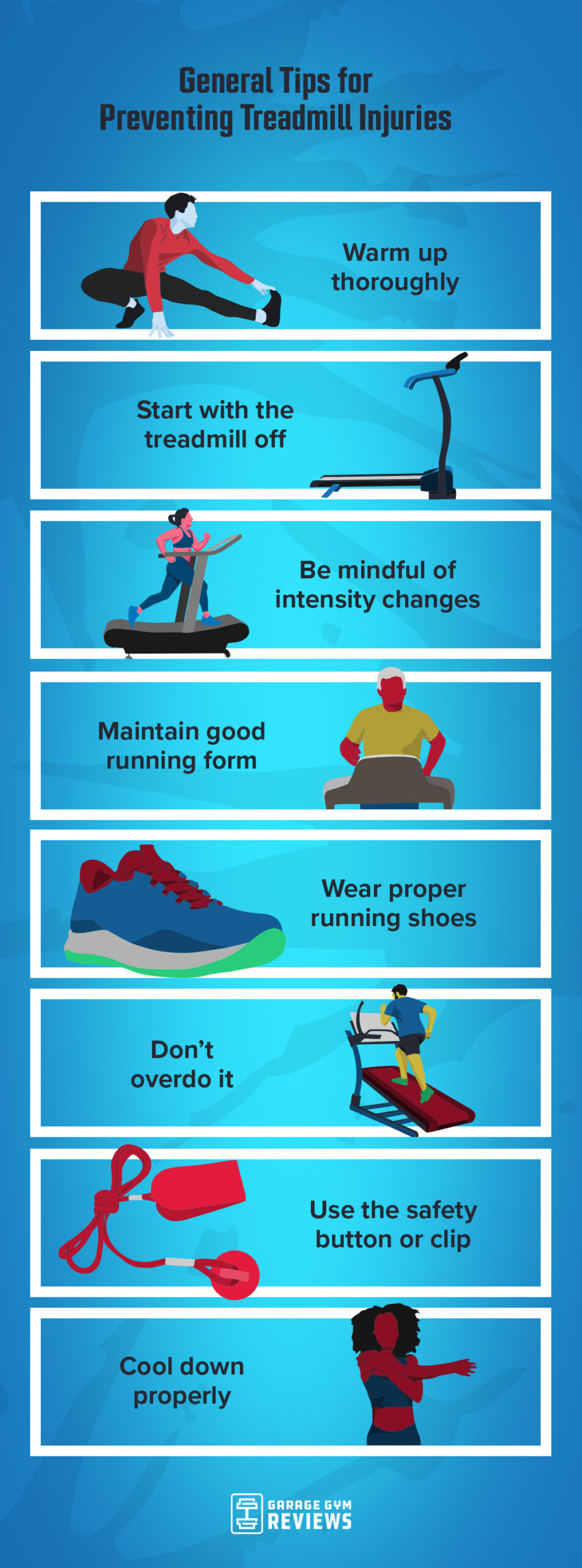
The safety key is a small device that stops the treadmill if you fall. Attach it to your clothing before starting. If you slip, the key pulls out and the treadmill stops immediately. This feature prevents serious falls and injuries.
Always check the safety key is working before you begin your workout. Without it, the treadmill might not stop quickly in an emergency. Keep the key close and secure at all times.
Emergency Stop Functions
Most treadmills have an emergency stop button or clip. Press the button to stop the belt right away. Use this if you feel unsteady or need to stop fast.
The clip attaches to your clothes and acts like the safety key. It stops the machine if pulled. Learn where the emergency stop is and use it without hesitation.
Treadmill Setup
Setting up your treadmill correctly is vital for safe and effective workouts. A proper setup prevents accidents and keeps the machine working well. It starts with checking the treadmill itself and preparing the space around it. These simple steps help create a safe exercise zone.
Checking Equipment Condition
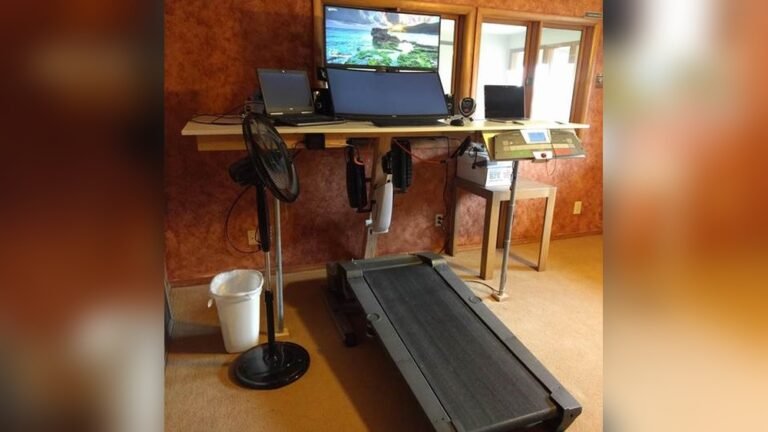
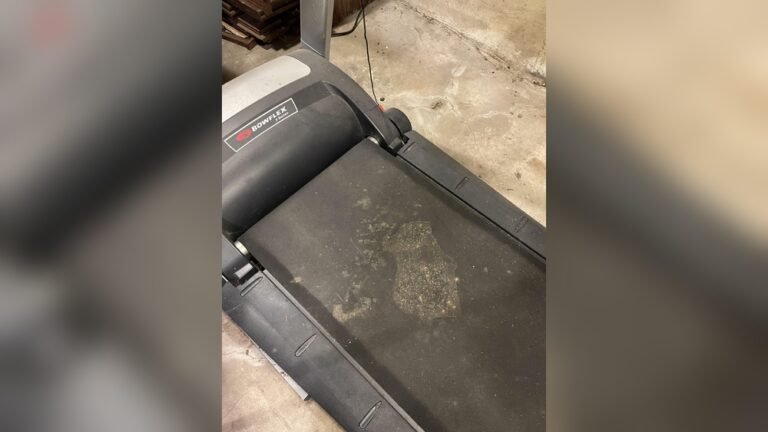
Always inspect your treadmill before use. Look for loose parts or worn belts. Make sure the power cord is not damaged. Test the emergency stop button to ensure it works. Check the console and controls for proper function. Fix any issues before starting your workout.
Clearing The Surrounding Area
Keep the area around your treadmill free from clutter. Remove any objects that could cause tripping. Allow enough space behind and beside the machine. This space lets you step off safely if needed. Good lighting helps you see the treadmill controls clearly.
Credit: www.garagegymreviews.com
Workout Intensity Control
Controlling workout intensity on a treadmill helps keep your exercise safe and effective. Adjusting speed and incline can change how hard your body works. Proper control reduces injury risk and improves fitness results.
Adjusting Speed
Start with a comfortable pace to warm up your muscles. Increase speed gradually to raise your heart rate. Avoid sudden jumps in speed to prevent falls or strain. Slow down if you feel dizzy or tired. Use speed controls to match your fitness level.
Using Incline For Variation
Raise the incline to simulate uphill walking or running. This adds challenge without increasing speed too much. Incline work strengthens different muscles, like calves and glutes. Lower the incline to recover during your workout. Changing incline helps keep your routine fresh and balanced.
Listening To Your Body
Listening to your body is essential for safe treadmill workouts. It helps prevent injuries and improves exercise effectiveness. Paying attention to how you feel guides you to adjust speed, incline, and duration. This awareness keeps your workout enjoyable and safe.
Recognizing Fatigue
Fatigue signals your muscles need rest. Watch for heavy breathing, muscle weakness, or dizziness. These signs mean you should slow down or stop. Ignoring fatigue increases injury risk. Take breaks to recover and avoid pushing too hard.
Avoiding Overexertion
Overexertion strains your heart and muscles. It causes pain, shortness of breath, or lightheadedness. Stop immediately if these symptoms appear. Choose a pace that feels challenging but manageable. Gradually increase intensity over time to build strength safely.
Credit: www.citywoofer.com
Cool-down Techniques
Cooling down after a treadmill workout helps the body adjust from intense activity to rest. It lowers the heart rate and prevents dizziness or muscle stiffness. Proper cool-down techniques promote better recovery and reduce injury risks.
Gradual Speed Reduction
Slow your treadmill speed step by step instead of stopping suddenly. Begin by walking at a moderate pace for a few minutes. Then reduce the speed to a slow walk for another few minutes. This helps your heart rate return to normal safely. It also improves blood flow to your muscles, clearing out waste products.
Stretching Post-workout
After slowing down, perform gentle stretches for your legs and hips. Focus on calves, hamstrings, and quadriceps to ease muscle tension. Hold each stretch for 15 to 30 seconds without bouncing. Stretching improves flexibility and reduces soreness. It also helps maintain good posture and prevents tightness after treadmill use.
Preventing Injuries
Preventing injuries on a treadmill is essential for a safe workout. Many injuries happen due to sudden movements or poor preparation. Taking simple steps can protect your body and keep you fit. These safety tips help you avoid common treadmill injuries and enjoy exercise.
Progressing Gradually
Start treadmill workouts slowly. Increase speed and duration step by step. Avoid rushing into intense sessions. Your muscles need time to adapt. Gradual progress prevents strain and overuse injuries. Set realistic goals and build endurance over time. This approach reduces the risk of muscle tears or joint pain.
Maintaining Balance
Keep your body centered on the treadmill belt. Avoid leaning on the handrails too much. Hands should rest lightly or swing naturally. Look forward, not down at your feet. Good balance helps prevent falls and trips. Engage your core muscles to stay stable. Practice walking or jogging with control.
Avoiding Cold Muscle Strain
Warm up before starting any treadmill workout. Cold muscles are more prone to injury. Begin with slow walking or gentle stretching. This increases blood flow and loosens muscles. Do not start fast or jump into running immediately. Warming up protects tendons and ligaments from strain. Always take a few minutes to prepare your body.
Frequently Asked Questions
What Is The 12 3 30 Rule On A Treadmill?
The 12 3 30 rule means walking on a treadmill at 12% incline, 3 mph speed, for 30 minutes. It boosts fat burn and cardiovascular health.
How To Be Safe On A Treadmill?
Attach the safety key and start with a slow warm-up walk. Maintain good posture and stay centered on the belt. Avoid gripping handrails tightly. Wear proper shoes and keep the area clear. Finish with a cool-down walk before stopping and stepping off the treadmill.
What Is The 5 4 3 2 1 Method On A Treadmill?
The 5 4 3 2 1 treadmill method involves decreasing speed or incline every minute from 5 to 1. It boosts cardio and endurance efficiently.
How To Avoid Treadmill Injuries?
Warm up before starting and cool down after exercise. Maintain good posture with eyes forward and shoulders relaxed. Wear supportive shoes and avoid gripping handrails tightly. Progress speed and distance gradually. Keep the treadmill area clear and use the safety key to prevent falls.
Conclusion
Staying safe on a treadmill requires simple, smart steps. Always warm up before starting and cool down after your session. Keep your posture straight and avoid holding the handles too tightly. Wear good shoes for support and listen to your body’s signals.
Clear the area around the treadmill to prevent trips or falls. Learn how your machine works to avoid accidents. Following these tips helps you exercise confidently and avoid injuries. Safety makes your treadmill workouts more effective and enjoyable. Keep these habits for a healthy routine every time.
I am a certified fitness coach with over 10 years of experience helping people improve their strength, endurance, and overall health. Specializes in workout programming, weight training, fat loss, muscle building, home fitness, and evidence-based nutrition.My goal is to make fitness simple and practical through well-researched guides, honest product reviews, and actionable training advice.