If you’re looking for a workout that tones your entire body while being gentle on your joints, mastering the rowing machine is a smart move. But how do you get started without feeling overwhelmed or risking injury?
This guide is designed just for you. You’ll learn simple, clear steps to use the rowing machine the right way, maximize your results, and avoid common mistakes that hold many beginners back. Ready to discover how this powerful, low-impact exercise can transform your fitness routine?
Keep reading, and you’ll be rowing like a pro in no time.
Credit: greatist.com
Rowing Machine Setup
Setting up the rowing machine correctly ensures a safe and effective workout. Proper setup helps you maintain good form and avoid injuries. Focus on foot placement, handle grip, and seat position to start strong.
Foot Placement
Place your feet firmly on the footplates. Adjust the straps to hold your feet tightly. Make sure your heels can lift slightly during the stroke. Proper foot placement gives you stability and power.
Handle Grip
Hold the handle with a relaxed grip. Your hands should be shoulder-width apart. Avoid gripping too tight to prevent tension in your arms. Keep wrists straight to reduce strain during rowing.
Seat Position
Sit in the middle of the seat. Your hips should be stable but allow smooth sliding. Keep your back straight and shoulders relaxed. A good seat position helps you move efficiently through each stroke.

Credit: hydrow.com
Mastering The Stroke
Understanding the rowing stroke is key to using the rowing machine well. It breaks down into four main parts. Each phase has its own role in creating smooth, powerful movement. Good technique helps prevent injury and improves workout results.
Focus on your body position and motion during each phase. This focus makes your rowing more effective and enjoyable. Let’s explore each step in detail to help you get the most from your session.
The Catch Position
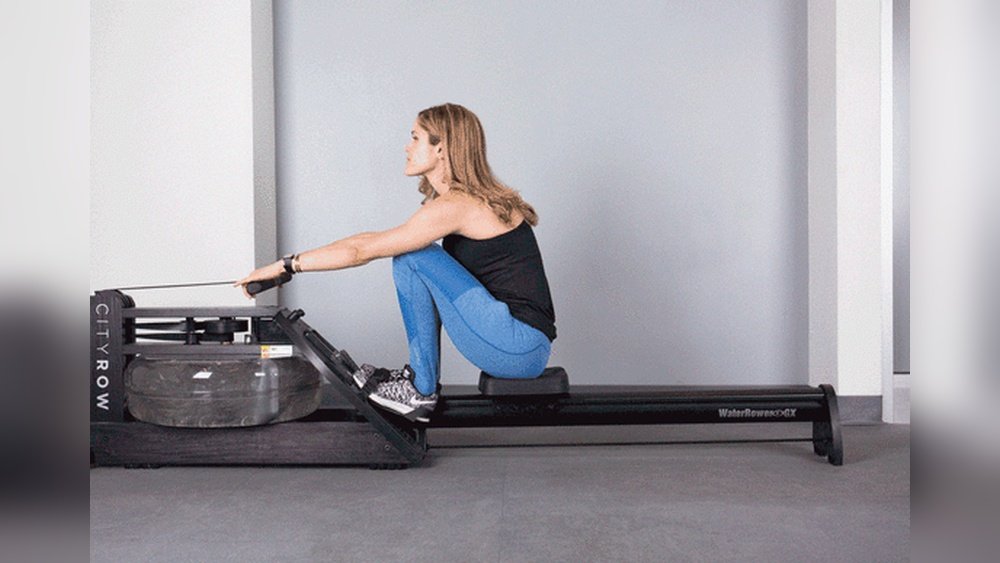
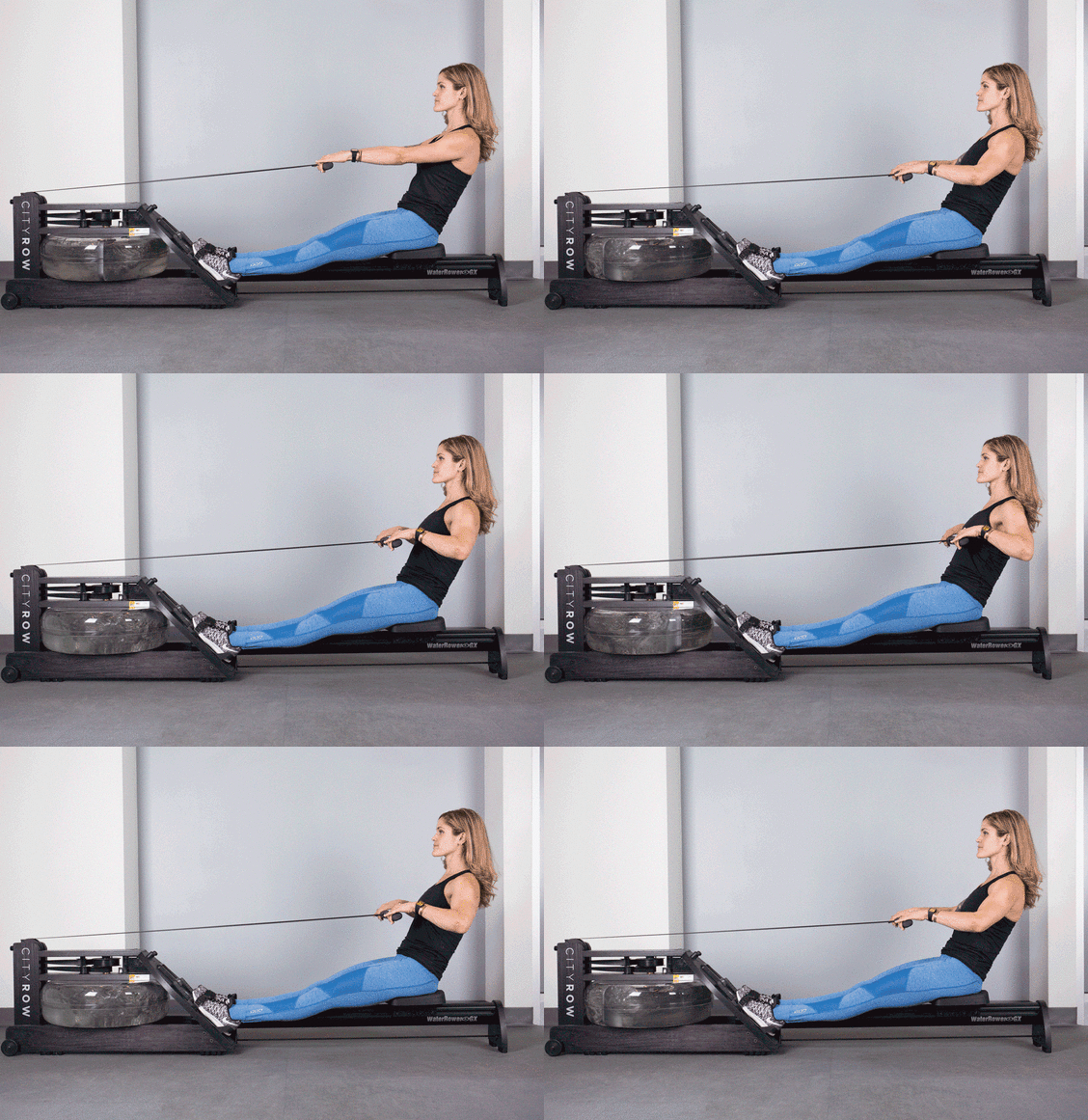
The catch is where the stroke begins. Your knees are bent, shins vertical, and body leaning slightly forward. Arms reach straight to grab the handle. Keep your back straight and shoulders relaxed. This position prepares you to push off strong.
The Drive Phase
Start the drive by pushing through your feet. Extend your legs fully while keeping your arms straight. Then lean your torso back from the hips. Pull the handle towards your chest. Keep your shoulders down and elbows close. This phase uses your legs, core, and arms.
The Finish Position
At the finish, your legs are straight, and your body leans back slightly. The handle is pulled in just below your chest. Keep your wrists flat and grip relaxed. Your shoulders stay down, not hunched. Hold this position briefly before starting recovery.
The Recovery Phase
Begin recovery by extending your arms forward. Then lean your torso forward from the hips. Finally, bend your knees to slide the seat forward. This phase resets your body to the catch position. Move smoothly and control your speed. Avoid rushing to keep rhythm steady.
Form And Technique Tips
Proper form and technique improve your rowing efficiency and reduce injury risk. Focus on smooth movements and controlled motions. Each stroke should feel natural and balanced. Use these tips to build a strong rowing habit.
Body Posture
Sit tall with your back straight, not slouched. Keep your shoulders relaxed and down. Lean slightly forward from the hips at the start. Avoid hunching or leaning too far back. Good posture helps protect your spine and boosts power.
Stroke Sequence
Start by pushing with your legs while keeping your arms straight. Next, lean your body back slightly. Finally, pull the handle toward your chest. Reverse the sequence to return to start. Smooth flow between steps keeps your rhythm steady.
Breathing Pattern
Inhale as you slide forward to prepare for the stroke. Exhale as you push back and pull the handle. Keep your breathing steady and controlled. Proper breathing supports endurance and helps maintain focus.
Handle Path
Pull the handle in a straight line toward your lower chest. Keep your elbows close to your body. Avoid lifting the handle too high or pulling it too low. A consistent handle path improves stroke efficiency and prevents strain.
Avoiding Common Errors
Using a rowing machine correctly is key to getting the best workout. Avoiding common mistakes helps prevent injury and improves your results. Many beginners rush through the movements or use poor form. This section highlights common errors and how to fix them. Follow these tips to row safely and effectively.
Rushing The Recovery
The recovery phase is the part where you slide forward to start the next stroke. Many rowers move too fast here. Rushing stops your body from resetting properly. It also reduces the power of your next stroke. Take a smooth, controlled pace during recovery. Focus on extending your arms first, then lean your torso forward, and finally bend your knees. This order keeps your stroke balanced and efficient.
Arm Pull Timing
Pulling with your arms too early wastes energy. Your legs should do most of the work at first. Only pull with your arms after your legs are nearly straight. Pull the handle towards your chest, keeping elbows close to your body. Pulling too soon causes your back and shoulders to tire quickly. Good timing in arm pull improves stroke strength and protects your joints.
Knee Bending Mistakes
Bending your knees too much or too little causes problems. Over-bending can strain your joints and reduce stroke power. Not bending enough limits your leg drive. Aim to bend your knees so your shins are vertical at the catch position. Keep your knees aligned with your feet to avoid twisting. Proper knee bending maximizes power and protects your knees from injury.
Beginner Workouts
Starting with beginner workouts on a rowing machine helps build strength and confidence. These sessions focus on simple movements and controlled pace. Beginners should aim to maintain good form and avoid rushing through the workout. Gradually increasing effort and time leads to better results and less chance of injury.
Low Resistance Sessions
Set the resistance to a low level to keep the workout easy. Row at a steady pace for 10 to 15 minutes. This helps your muscles get used to the motion. Focus on smooth, controlled strokes. Keep your back straight and use your legs to push. Low resistance sessions improve your technique and build basic endurance.
Interval Training
Interval training mixes short bursts of effort with rest periods. Row hard for 30 seconds, then slow down for one minute. Repeat this cycle 5 to 8 times. This method boosts your heart rate and builds stamina. It also makes workouts more interesting and less tiring. Beginners can adjust the intensity based on their comfort level.
Endurance Building
Endurance workouts last longer and help your body work efficiently over time. Aim for 20 to 30 minutes at a moderate pace. Keep your strokes steady and rhythm consistent. This type of training strengthens your heart and lungs. It also improves your overall fitness and energy levels. Endurance building is key for long-term progress on the rowing machine.

Credit: www.planetfitness.com
Health Benefits
Using a rowing machine offers many health benefits. It improves your heart health and tones muscles. The workout is gentle on joints but effective. People of all ages can enjoy rowing for fitness.
Cardio And Full Body Workout
Rowing is a great cardio exercise. It raises your heart rate quickly and keeps it steady. This helps your heart and lungs work better. The machine works your legs, arms, back, and core. You get a full body workout with every stroke. This can burn many calories in a short time.
Impact On Bone Density
Rowing helps keep bones strong. The pushing and pulling motions put stress on your bones. This stress tells bones to stay dense and healthy. It may lower the risk of bone problems as you age. Regular rowing can support bone strength without heavy impact.
Effects On Blood Pressure
Rowing can lower high blood pressure. The steady exercise helps blood vessels stay flexible. This makes it easier for blood to flow. Better blood flow reduces pressure in your arteries. Keeping blood pressure in check lowers heart disease risk.
Rowing Machine Safety
Using a rowing machine provides an excellent full-body workout. It also lowers the risk of injury if used correctly. Understanding rowing machine safety helps prevent common problems. Proper form and awareness keep your workout effective and safe.
Injury Considerations
Injuries often happen from poor technique or overuse. Avoid sudden, jerky movements. Start with low resistance to build strength gradually. Listen to your body and stop if you feel pain. Warm up before rowing to prepare muscles and joints. Cool down after to reduce soreness.
Knee Health
Rowing is low-impact, but knee care is important. Keep knees aligned with your feet during each stroke. Avoid locking your knees at full extension. If you have knee pain or injury, reduce intensity or take breaks. Proper foot placement helps reduce knee strain. Strengthening muscles around the knee supports joint health.
Consulting Professionals
Seek advice from fitness trainers or physical therapists. They can check your rowing form and suggest adjustments. People with existing health issues should consult a doctor first. Professional guidance helps create a safe workout plan. Regular check-ins improve technique and prevent injury.
Tips For Fast Results
Getting fast results on a rowing machine takes smart effort. Simple changes in your routine can speed up progress. Focus on these key tips to improve your rowing workouts.
These tips help you build strength, burn fat, and increase endurance. Use them regularly for the best outcome.
Consistency And Progression
Row regularly, at least three times a week. Consistency builds endurance and muscle memory. Start with shorter sessions, then add time or intensity slowly. Push a little more every week to avoid plateaus. This steady progression keeps your body adapting and improving.
Combining Rowing With Other Exercises
Mix rowing with strength training and stretching. Strength training builds muscles that support rowing. Stretching improves flexibility and reduces injury risk. This mix helps your whole body get stronger and more flexible. It also keeps workouts interesting and balanced.
Tracking Performance
Record your workouts to see your progress. Note distance, time, and calories burned each session. Use a journal or a fitness app for easy tracking. Watching your numbers improve motivates you to keep going. It also helps find what works best for your body.
Frequently Asked Questions
What Is The Proper Way To Use The Rowing Machine?
Sit tall with feet secured and shoulders relaxed. Drive by pushing legs, lean back, then pull handle to chest. Reverse by extending arms, leaning forward, and bending knees. Keep back straight, shoulders low, and pull handle straight. Breathe out on drive, inhale on recovery.
Can You Use A Rowing Machine With A Torn Meniscus?
Using a rowing machine with a torn meniscus depends on injury severity. Consult a doctor before exercising. Avoid pain and stop if discomfort occurs. Rowing offers low-impact cardio but may strain damaged knees. Prioritize healing and follow professional advice for safe workouts.
Is Rowing Good For High Bp?
Rowing offers a low-impact cardio workout that helps lower high blood pressure. It improves heart health and circulation. Regular rowing strengthens the cardiovascular system and supports blood pressure control. Always consult a doctor before starting if you have high BP or related health concerns.
Is Rowing Good For Bone Density?
Rowing improves bone density by applying resistance and weight-bearing stress. It strengthens bones through leg drive and pulling actions. Regular rowing supports bone health, especially as you age. This low-impact exercise promotes bone maintenance and growth effectively.
Conclusion
Using a rowing machine helps build strength and improve heart health. Focus on good form to avoid injuries and get better results. Start slow, then increase your speed and time as you grow comfortable. Consistency matters more than intensity in the beginning.
Keep your back straight and use your legs to power each stroke. Enjoy the full-body workout and feel your energy grow. Rowing fits many fitness goals and can be done at home or the gym. Stay patient and listen to your body to make progress safely.
I am a certified fitness coach with over 10 years of experience helping people improve their strength, endurance, and overall health. Specializes in workout programming, weight training, fat loss, muscle building, home fitness, and evidence-based nutrition.My goal is to make fitness simple and practical through well-researched guides, honest product reviews, and actionable training advice.