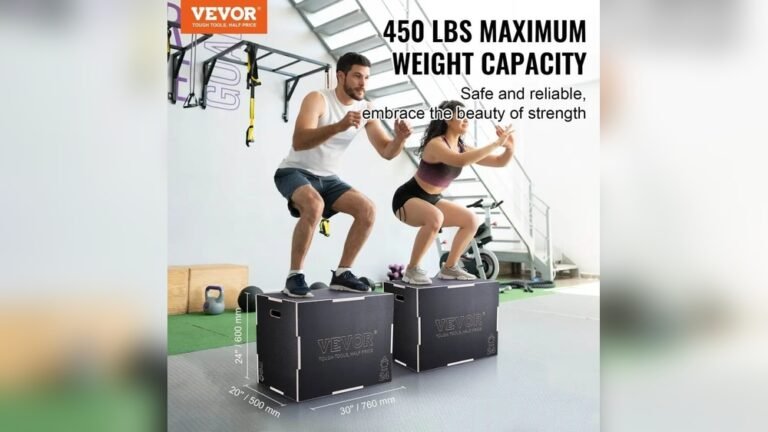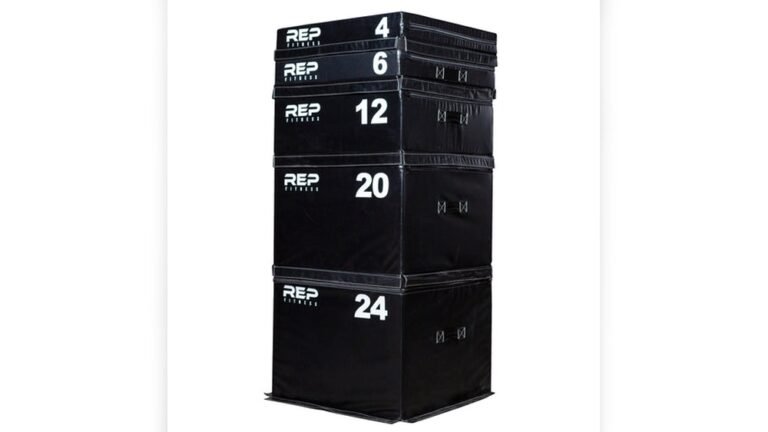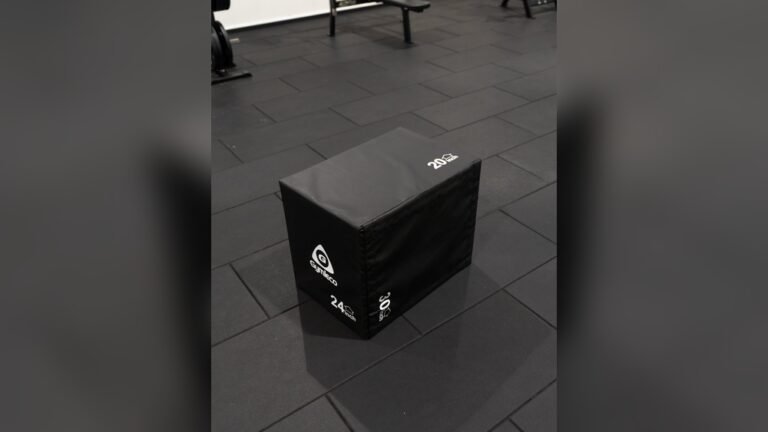
You want to boost your fitness, improve your power, and add variety to your workouts—but where do you start? Using a foam plyo box is one of the smartest moves you can make.
It’s safe, versatile, and perfect whether you’re a beginner or an experienced athlete. Imagine jumping, stepping, and balancing your way to stronger legs and better coordination—all while reducing the risk of injury. In this guide, you’ll learn exactly how to use a foam plyo box to get the most out of every session.
Ready to transform your workouts and see real results? Let’s dive in.
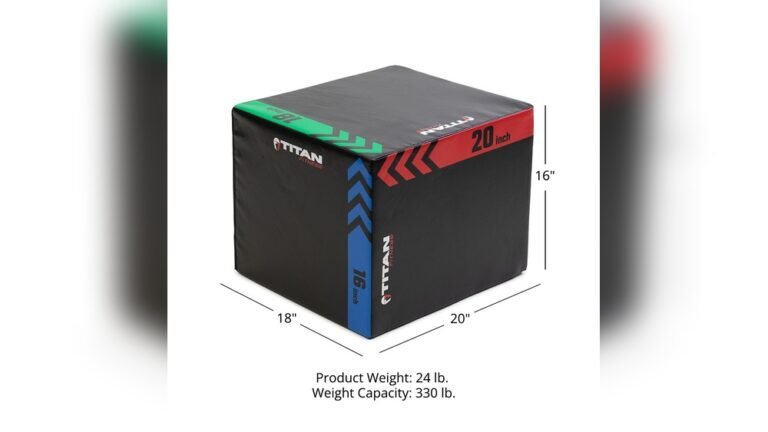
Credit: titan.fitness
Benefits Of Foam Plyo Boxes
Foam plyo boxes offer many benefits for fitness routines. These boxes improve workout safety, add exercise variety, and are easy to move and store. Their design suits users of all levels and helps build strength effectively. Understanding these benefits can help you choose the right plyo box for your training.
Improved Safety Compared To Wood
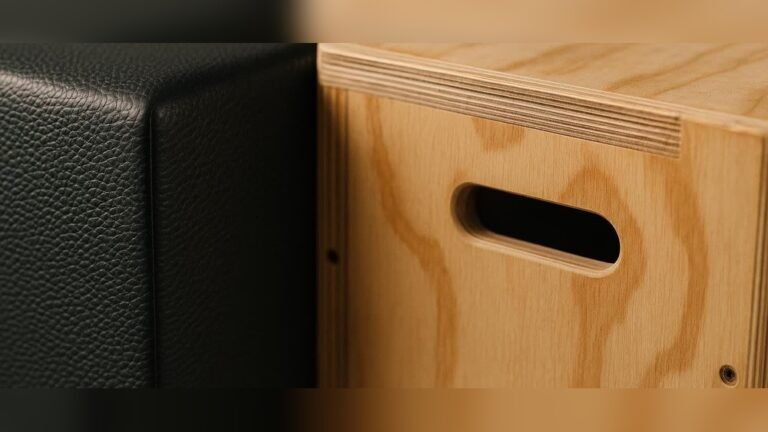
Foam plyo boxes reduce injury risk during jumps and landings. The soft foam cushions impact, protecting joints and muscles. Unlike wooden boxes, foam boxes have no hard edges or splinters. This makes them safer for beginners and advanced users alike. Landing on foam feels more comfortable and lowers strain on the body.
Enhanced Workout Versatility
These boxes support many exercises beyond just jumps. Use them for step-ups, push-ups, and tricep dips. Foam plyo boxes adjust easily to different workout styles. Their stable but soft surface allows creative and varied training. Switching exercises keeps your routine fresh and targets multiple muscle groups.
Portability And Storage
Foam plyo boxes are lightweight and easy to carry. They move effortlessly between workout spaces or rooms. Their compact design fits well in small areas. You can store them under a bed or in a closet. This portability makes foam boxes ideal for home gyms or traveling athletes.
Choosing The Right Foam Plyo Box
Choosing the right foam plyo box matters for safe and effective workouts. The correct box fits your exercise style and skill level. It supports your body well and helps avoid injuries. Consider several factors before buying or using a foam plyo box. Focus on size, material, and stability to get the best results.
Sizes And Heights
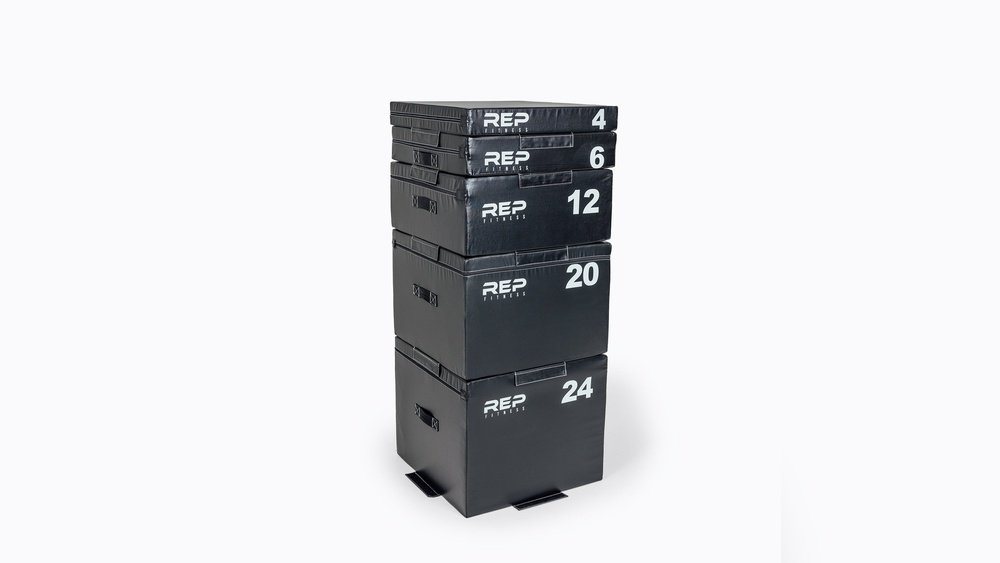
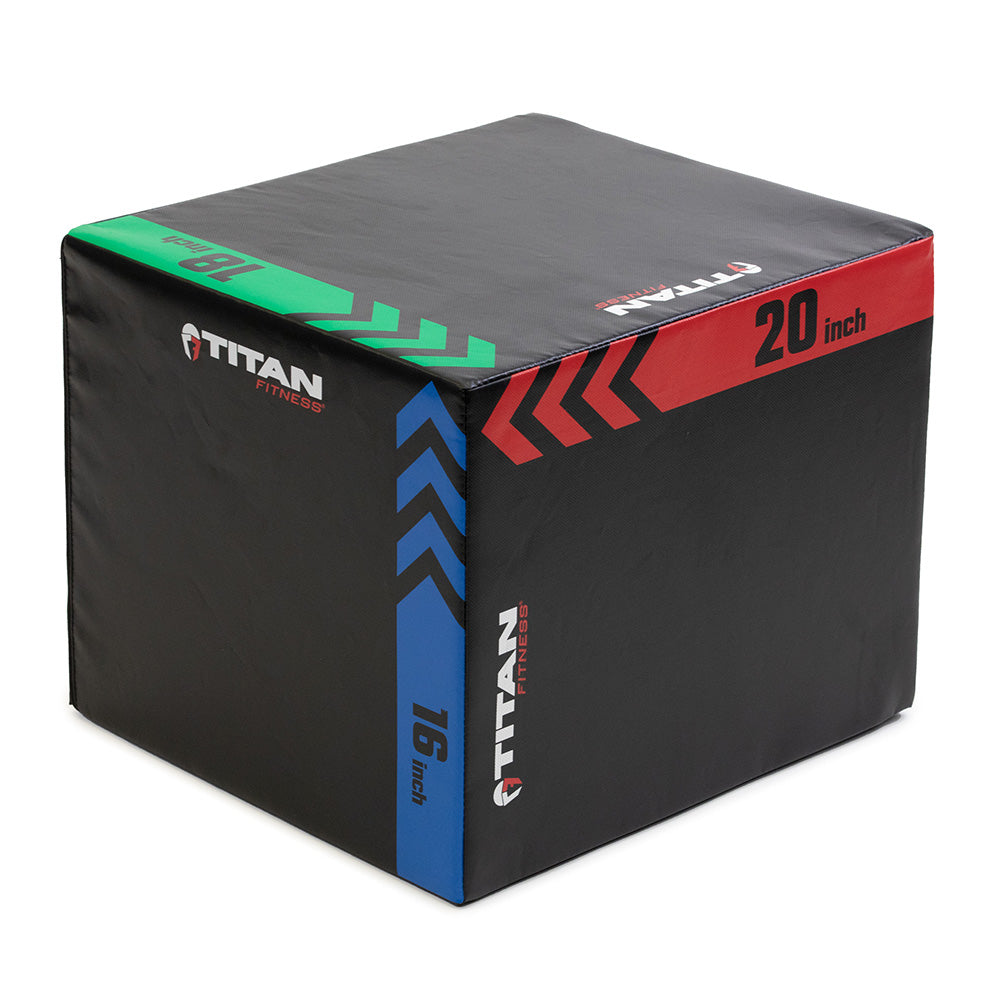
Foam plyo boxes come in various sizes and heights. Choose a height that matches your fitness level. Beginners should start with lower boxes to build confidence. Taller boxes suit advanced users for more challenging jumps. Some boxes offer multiple heights in one unit. This option adds versatility to workouts. Always pick a size that feels comfortable and safe.
Material Quality And Durability
High-quality foam ensures comfort and safety during exercises. Look for dense foam that absorbs impact well. Durable covers protect the foam from tears and wear. Materials should be easy to clean and resistant to sweat. Good quality foam plyo boxes last longer and perform better. Avoid boxes with thin or cheap foam that break quickly.
Stability Features
Stable foam plyo boxes prevent slipping and wobbling. Check for non-slip bases or grips on the bottom. A wide base adds balance during jumps and landings. Some boxes have reinforced edges to keep shape intact. Stability is crucial for user safety and confidence. Test the box on your workout surface before use.
Setting Up Your Foam Plyo Box
Setting up your foam plyo box correctly is key for a safe and effective workout. A proper setup helps prevent injuries and improves your exercise performance. This section guides you through the best steps to prepare your foam plyo box before use.
Ideal Workout Space
Choose a flat, open area with enough room around the box. Clear away any clutter or obstacles. Ensure the space has good lighting to see the box clearly. Avoid slippery floors like tiles or wet surfaces. A carpeted or rubber gym floor works best.
Ensuring Surface Stability
Place the foam plyo box on a stable surface to stop it from moving. Test the box by pressing down with your hands. It should not wobble or slide. If needed, use a non-slip mat under the box. This adds grip and keeps the box steady during jumps or steps.
Securing The Box
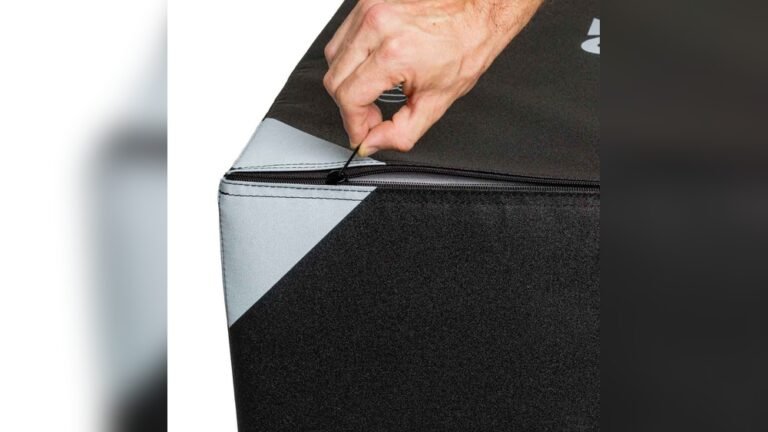
Check the box for any signs of damage before each use. Make sure the foam is firm and not worn out. If your box has straps or Velcro, fasten them tightly. This prevents the box from opening or shifting. Always keep the box secured to avoid accidents.
Basic Foam Plyo Box Exercises
Basic foam plyo box exercises build strength and improve coordination. These moves target your legs, glutes, and core. They suit all fitness levels and help boost balance and power. Use the foam plyo box safely for best results.
Step-ups
Stand facing the foam plyo box. Place one foot firmly on the box. Push through your heel to lift your body up. Bring the other foot to meet the first on top. Step down carefully one foot at a time. Repeat, alternating the leading foot.
Box Jumps
Stand close to the foam plyo box with feet shoulder-width apart. Bend your knees slightly and swing your arms back. Explode upward, jumping onto the box softly. Land with both feet flat and knees bent. Step down gently and repeat for reps.
Box Squats
Stand in front of the foam plyo box with feet shoulder-width apart. Lower yourself down by bending your knees and hips. Sit back gently onto the box, keeping your chest up. Pause briefly, then push through your heels to stand. Keep your core tight during the move.
Advanced Plyo Box Movements
Advanced plyo box movements add variety and intensity to workouts. They improve strength, balance, and coordination. These exercises target different muscle groups for full-body benefits. Using a foam plyo box reduces impact, making these moves safer.
Try these advanced exercises to challenge yourself and increase power. Focus on control and proper form to avoid injuries. Start slow and increase speed as you gain confidence.
Lateral Jumps
Lateral jumps improve agility and lateral strength. Stand beside the foam plyo box with feet shoulder-width apart. Jump sideways onto the box, landing softly with both feet. Step down carefully and repeat to the other side. Keep your knees slightly bent and use your arms to balance. This move enhances side-to-side movement skills.
Single Leg Push-offs
Single leg push-offs build leg strength and balance. Place one foot on the foam plyo box. Push off forcefully with the foot on the box to jump upward. Land softly on the same foot and repeat. Keep your core tight and body upright. This exercise targets the calves, quads, and glutes for explosive power.
Box Dips
Box dips focus on upper body strength, especially triceps. Sit on the edge of the foam plyo box and place your hands beside your hips. Slide your hips off the box and lower your body by bending your elbows. Push back up to the start position. Keep your back close to the box and legs extended. This movement tones arms and shoulders effectively.
Form And Technique Tips
Good form and proper technique improve your workout safety and effectiveness. Using a foam plyo box requires focus on key movements. Paying attention to foot placement, landing style, and knee alignment prevents injury. It also helps you build power and control during jumps. Below are some form and technique tips to follow for better results.
Proper Foot Placement
Place your entire foot flat on the plyo box surface. Avoid landing on your toes or heels alone. Keep your feet shoulder-width apart for better balance. This stance supports strong, stable jumps and landings. Make sure the foot placement feels natural and steady before jumping.
Landing Softly
Land with bent knees to absorb impact gently. Use your muscles to control the landing, not just your bones. Try to make your landing quiet and smooth. Soft landings reduce stress on joints and lower injury risk. Focus on landing with control every time you jump down or up.
Maintaining Knee Alignment
Keep your knees in line with your toes throughout the movement. Do not let your knees collapse inward or bow outward. Proper knee tracking protects your joints and improves strength. Watch your knees carefully during jumps and squats on the box. Correct alignment helps maintain good form and prevents pain.
Safety Precautions
Using a foam plyo box can boost your workout power and agility. Safety is key to avoid injuries and get the best results. Follow these safety steps every time you train with the plyo box.
Warm-up Routines
Start with light exercises to prepare your muscles. Stretch your legs, hips, and ankles gently. A good warm-up raises your heart rate slowly. It helps your body adjust to jumping and landing. Spend at least 5 to 10 minutes warming up.
Progressive Training
Begin with low heights on the foam box. Increase the height only after you feel confident. Practice simple jumps before moving to complex moves. Build strength and balance step by step. This reduces the risk of falling or injury.
Avoiding Common Mistakes
Keep your knees aligned with your feet when landing. Land softly on the whole foot, not just toes or heels. Do not rush through the exercises. Use the foam box on a flat, stable surface. Check the box for damage before each use.
Incorporating Foam Plyo Box In Workouts
Incorporating a foam plyo box in workouts brings variety and challenge to your fitness routine. This tool helps improve strength, balance, and agility through different exercises. Its soft surface lowers injury risk and suits all fitness levels. Using the foam plyo box regularly can boost your workout effectiveness and keep sessions exciting.
Circuit Training Ideas
Create a circuit using the foam plyo box for full-body workouts. Start with step-ups, then jump onto the box. Follow with incline push-ups using the box edge. Add box dips for triceps and finish with quick box taps for cardio. Repeat the circuit 3-4 times for a strong, fast workout.
Combining With Bodyweight Exercises
Use the foam plyo box to enhance bodyweight exercises. Try Bulgarian split squats with your rear foot on the box. Perform elevated push-ups placing hands on the box for less strain. Add box jumps between sets of squats or lunges to increase heart rate. Mixing bodyweight moves with the box builds strength and endurance.
Using For Rehabilitation
The foam plyo box supports gentle rehab exercises. Use it for controlled step-ups to improve knee stability. Perform slow box squats to regain leg strength. Balance exercises on the box help restore ankle mobility. Its cushioned surface protects joints during recovery. Always follow advice from health professionals for rehab workouts.
Maintaining Your Foam Plyo Box
Maintaining your foam plyo box ensures it stays safe and lasts longer. Regular care keeps the foam firm and the outer surface clean. Proper maintenance helps avoid injuries and keeps your workouts effective.
Cleaning Tips
Wipe the foam plyo box with a damp cloth after each use. Use mild soap and water for deeper cleaning. Avoid harsh chemicals that can damage the foam or cover. Let it air dry completely before storing.
Checking For Wear And Tear
Inspect the box regularly for cuts or tears in the foam. Check the seams and stitching for any loosening or damage. Replace the box if the foam becomes too soft or uneven. Safety is key during every workout session.
Storage Recommendations
Store the foam plyo box in a cool, dry place away from direct sunlight. Avoid placing heavy objects on top to prevent deformation. Keep it off damp floors to stop mold or mildew growth. Proper storage keeps the box firm and clean.

Credit: www.lifelinefitness.com

Credit: www.fringesport.com
Frequently Asked Questions
How To Use Plyometric Jump Box?
Stand facing the plyometric box. Jump explosively onto it, landing softly with knees slightly bent. Step down carefully and repeat. Maintain even weight distribution and engage your core throughout. Use for jumps, step-ups, or dips to improve power and agility safely.
How To Use A Foam Roller For Beginners?
Sit or lie on the foam roller targeting a muscle group. Slowly roll over tight spots. Pause and breathe deeply for 30-60 seconds. Continue rolling to release tension. Use gentle pressure and avoid rolling joints or bones. Start with short sessions to build comfort and effectiveness.
Is 20 Minutes Of Plyometrics Enough?
Yes, 20 minutes of plyometrics can be effective for strength and power if performed with proper intensity and technique.
What Is A Soft Plyo Box Used For?
A soft plyo box enhances safe plyometric training by providing a cushioned surface for jumps, step-ups, and strength exercises. It reduces impact on joints and minimizes injury risk during workouts.
Conclusion
Using a foam plyo box adds variety to your workouts. It helps build strength, speed, and balance safely. Start with basic moves and increase difficulty slowly. Always focus on soft landings to protect your joints. Regular practice improves your fitness and coordination.
Keep your form correct and listen to your body. A foam plyo box suits all skill levels well. Try different exercises to keep sessions fun and effective. Consistency brings steady progress and better results.
I am a certified fitness coach with over 10 years of experience helping people improve their strength, endurance, and overall health. Specializes in workout programming, weight training, fat loss, muscle building, home fitness, and evidence-based nutrition.My goal is to make fitness simple and practical through well-researched guides, honest product reviews, and actionable training advice.