If you’ve ever wondered how to get the most out of your rowing machine, you’re in the right place. This guide will walk you through everything you need to know to use your rowing machine safely and effectively.
Whether you want to burn calories, build strength, or improve your endurance, mastering the proper technique is key. You’ll learn the step-by-step motions, how to set your machine, and tips to avoid common mistakes. By the end, you’ll feel confident and ready to turn your workouts into results you can see and feel.
Let’s dive in and make every stroke count!
Rowing Basics
Rowing is a simple yet effective exercise. It works many muscles and improves heart health. Before starting, learning the basics is important. Proper technique helps avoid injury and increases workout benefits.
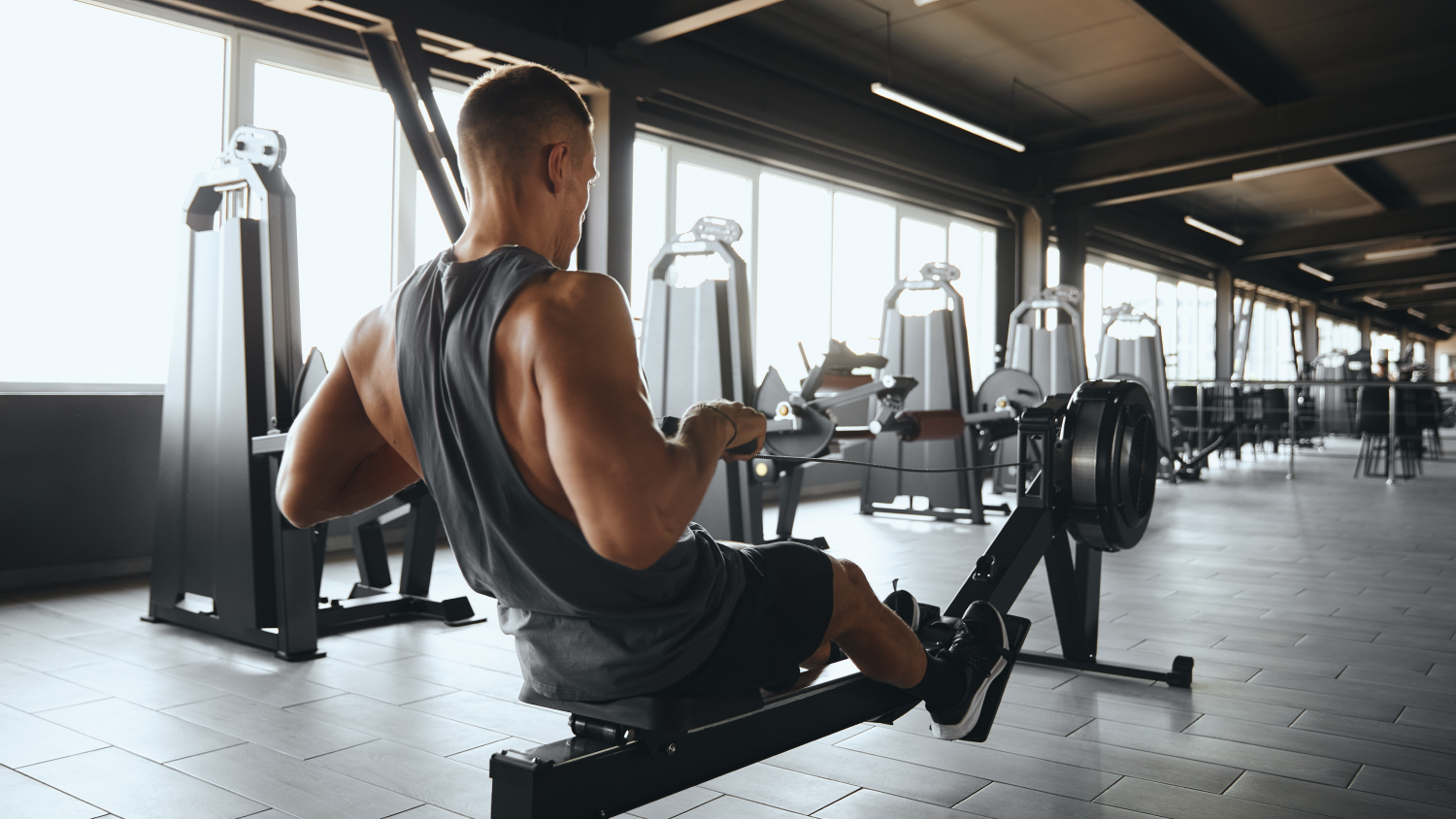
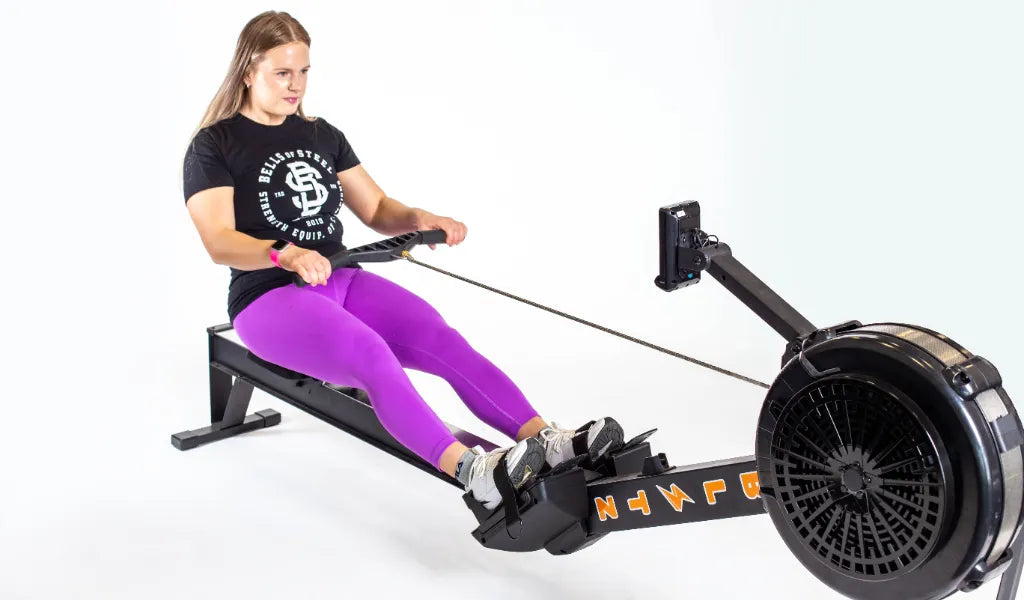
Proper Posture
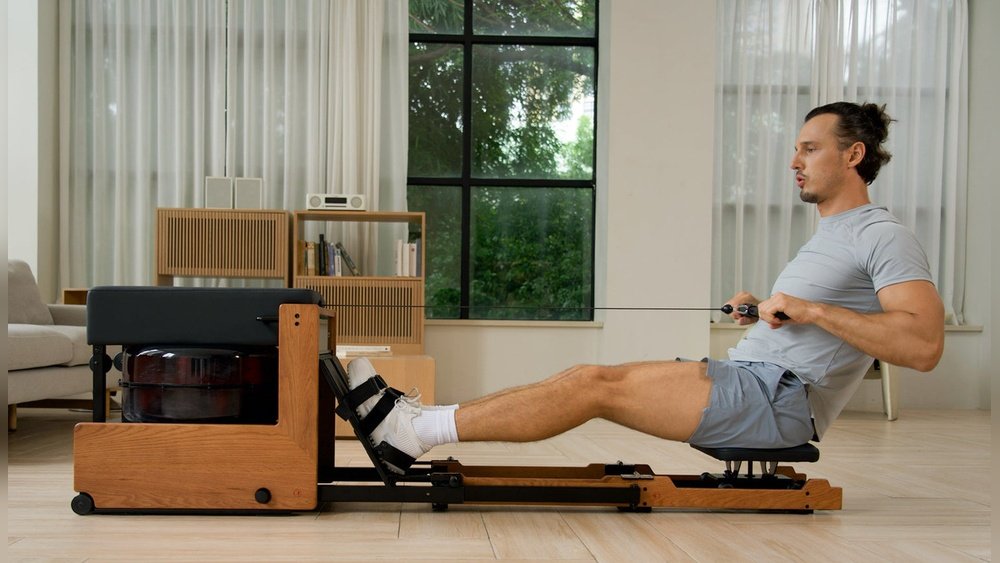
Sit tall with your back straight. Keep your shoulders relaxed but not slouched. Engage your core muscles to support your spine. Avoid leaning too far forward or backward. Good posture improves power and protects your back.
Foot Placement
Place your feet flat on the footrests. Secure the straps snugly over the widest part of your feet. Your heels should stay in contact with the footrests during the stroke. Correct foot placement gives you stability and helps push off strongly.
Handle Grip
Hold the handle with a relaxed grip. Keep your wrists flat and straight, not bent. Avoid gripping too tightly to prevent tension in your hands and arms. A proper grip allows smooth, controlled rowing motions.
Credit: merachfit.com
Mastering The Stroke
Mastering the rowing stroke improves your workout efficiency and reduces injury risk. This section breaks down the stroke into clear phases. Learn each phase step-by-step to row smoothly and powerfully. Proper technique helps build strength and endurance fast.
Drive Phase Sequence
The drive phase starts with your legs. Push strongly through your heels to straighten your legs. Next, lean your upper body back slightly at the hips. Finally, pull the handle toward your lower chest using your arms. Keep your grip relaxed to avoid tension. This sequence uses your largest muscles first for maximum power.
Recovery Phase Sequence
The recovery phase reverses the drive. First, extend your arms fully forward. Then, lean your upper body forward from the hips. Lastly, bend your knees to slide the seat forward. Move smoothly and control your speed. This phase prepares your body for the next stroke and helps conserve energy.
Breathing Techniques
Breathe deeply and rhythmically during rowing. Inhale as you recover and prepare to push. Exhale forcefully during the drive phase. This breathing pattern supplies oxygen to your muscles. It also helps maintain a steady pace. Avoid holding your breath to stay relaxed and focused.
Setting Resistance Levels
Setting the resistance level on a rowing machine shapes your workout intensity. It controls how hard you must pull during each stroke. Proper adjustment helps match your exercise to your fitness level and goals. Understanding resistance types and how to change them is key to effective workouts.
Types Of Resistance
Rowing machines offer several resistance types. Air resistance uses a flywheel that spins faster with harder pulls. Water resistance mimics real rowing with a tank of water creating drag. Magnetic resistance uses magnets to create a quiet, smooth pull. Hydraulic resistance relies on pistons and is common in smaller machines. Each type changes how the rowing feels and how much effort you need.
Adjusting For Fitness Goals
Set resistance low for warm-ups or endurance workouts. This helps build stamina with less strain. Increase resistance for strength training to challenge your muscles more. High resistance boosts power and calorie burn. Beginners should start with light resistance to avoid injury. Change levels gradually as your fitness improves to stay challenged and motivated.
Workout Plans
Creating effective workout plans on a rowing machine helps improve fitness steadily. Different routines target strength, speed, and endurance. Choose plans that fit your current fitness level and goals. Consistency with these workouts leads to better results.
Beginner Routines
Start with short sessions of 10 to 15 minutes. Row at a steady, comfortable pace to learn the technique. Focus on proper form: legs push first, then lean back, and pull with arms. Rest for one or two minutes between sets. Repeat three to four times per session.
Interval Training
Alternate between high-intensity bursts and low-intensity recovery periods. For example, row hard for 30 seconds, then slow for 60 seconds. Repeat this cycle 8 to 10 times. Interval training boosts your heart rate and burns calories fast. It improves power and speed over time.
Endurance Sessions
Row at a moderate pace for longer periods, such as 30 to 60 minutes. Keep your strokes smooth and steady to conserve energy. This builds cardiovascular fitness and muscle stamina. Drink water regularly and listen to your body to avoid fatigue.
Weight Loss Tips
Rowing machines offer an effective way to lose weight. This low-impact exercise burns calories while building muscle. Knowing how to use the machine properly helps maximize weight loss. Follow these tips to get the best results from your rowing workouts.
Calorie Burn Optimization
Focus on rowing at a steady, challenging pace. Increase resistance to work your muscles harder. Aim for sessions that last at least 20 minutes. Short breaks between intervals keep your heart rate high. Use proper form to avoid injury and use energy efficiently. Track your calories burned to stay motivated. Consistency is key to burning more calories over time.
Combining Rowing With Diet
Weight loss depends on both exercise and diet. Eat balanced meals with lean protein, vegetables, and whole grains. Avoid sugary drinks and processed foods. Drink plenty of water before and after rowing. Smaller, frequent meals help maintain energy levels. Pairing rowing with a healthy diet speeds up fat loss. Keep a food journal to monitor your intake easily.
Credit: bellsofsteel.us
Injury Prevention
Using a rowing machine can improve fitness and strength. Avoiding injuries keeps workouts safe and effective. Proper technique and care protect muscles and joints. Follow these tips to row safely and enjoy your sessions.
Common Mistakes
Bending your back too much strains your spine. Leaning too far forward or backward causes pain. Pulling with your arms first wastes energy. Push with your legs before using your arms. Keep your movements smooth and controlled. Avoid jerky or fast motions to reduce injury risk.
Warm-up And Cool-down
Start with light rowing to warm your muscles. Warm muscles reduce the chance of strains. After rowing, slow down for a cool-down phase. Stretch your legs, back, and arms gently. This helps your body recover and prevents stiffness.
Using Rowing With Joint Issues
Rowing is low-impact and gentle on joints. Adjust resistance to avoid too much strain. Keep your knees slightly bent during strokes. Stop if you feel sharp or unusual pain. Consult a doctor before starting if you have joint problems.
Tracking Progress
Tracking progress is key to improving your rowing workout. It helps you stay motivated and see your growth over time. With clear data, you can adjust your routine to get better results. This section explains how to use your rowing machine’s features to track progress effectively.
Using Machine Metrics
Your rowing machine shows useful numbers. These include time, distance, strokes per minute, and calories burned. Watch these metrics to understand your effort. Record your stats after each session. Compare them weekly to notice improvements. Consistent tracking helps you push harder and row longer.
Setting Performance Goals
Set simple, clear goals for each workout. For example, aim to row a certain distance or burn a number of calories. Choose goals that challenge you but are reachable. Update your targets as you improve. Goals keep your workouts focused and rewarding. Celebrate small wins to stay motivated.

Credit: www.tousains.com
Rowing Benefits
Rowing machines offer many health and fitness benefits. They help improve your overall strength and stamina. This machine engages multiple muscle groups at once. It suits all fitness levels, from beginners to experts. Regular rowing workouts can boost your heart health and muscle tone. The low impact nature protects your joints during exercise.
Full-body Workout
Rowing works your legs, arms, back, and core muscles. Each stroke involves pushing with your legs and pulling with your arms. Your core stabilizes your body through the movement. This coordinated action builds strength and endurance evenly. It helps improve posture and balance over time.
Cardio And Strength
Rowing combines cardio exercise with resistance training. It raises your heart rate to improve cardiovascular health. At the same time, it builds muscle strength. This dual effect burns calories efficiently and tones your body. You get a powerful workout in a short time.
Low Impact Advantages
Rowing is gentle on your joints compared to running or jumping. The smooth, seated motion reduces stress on knees and ankles. It suits people with joint pain or injuries. You can exercise longer and recover faster. This makes rowing a safe choice for many users.
Frequently Asked Questions
Is Rowing Good For High Bp?
Rowing improves heart health and lowers blood pressure by providing effective, low-impact cardiovascular exercise. Always consult a doctor first.
What Do The Numbers 1 And 10 Mean On A Rowing Machine?
The numbers 1 and 10 on a rowing machine indicate resistance levels. 1 is the lowest, making rowing easier. 10 is the highest, increasing workout intensity and effort. Adjusting these controls customizes your exercise challenge.
Can You Use A Rowing Machine With A Torn Meniscus?
Using a rowing machine with a torn meniscus depends on injury severity. Consult a doctor before exercising. Low-impact rowing may aid recovery but avoid pain and strain.
Is Rowing Good For Bone Density?
Rowing strengthens muscles and supports bone health but offers limited direct impact to increase bone density.
Conclusion
Using a rowing machine regularly improves fitness and builds strength. Focus on correct form to avoid injury and get best results. Start slow, then increase intensity as you gain confidence. Rowing works many muscles and supports heart health too. Remember to breathe steadily and keep your back straight.
Consistency matters more than speed or power. Enjoy the process and track your progress over time. This simple exercise can fit into any busy schedule. Keep rowing, stay active, and feel healthier every day.
I am a certified fitness coach with over 10 years of experience helping people improve their strength, endurance, and overall health. Specializes in workout programming, weight training, fat loss, muscle building, home fitness, and evidence-based nutrition.My goal is to make fitness simple and practical through well-researched guides, honest product reviews, and actionable training advice.