
For most people, the LifePro vibration plate is the better buy — it’s cheaper and does everything a home user needs. Pick Bluefin instead if you want a bigger platform and stronger motors for heavier daily use.
Vibration plates compared: LifePro vs Bluefin
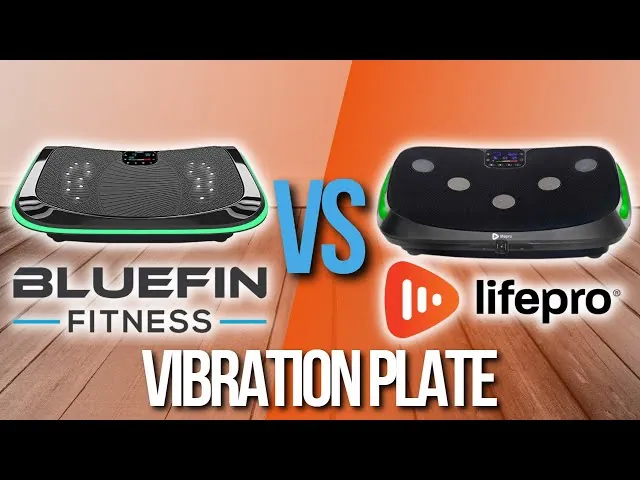
Both brands sell whole-body vibration plates that shake your muscles while you stand, sit or hold a pose. They target the same job — light toning, balance work and circulation — but they sit at different price points and build quality.
| Method | How long | Effort | Cost | Best for |
|---|---|---|---|---|
| LifePro Waver | 10–15 min | Low | Low | First-time buyers, small spaces |
| LifePro Rumblex | 10–20 min | Low | Medium | More settings, home toning |
| Bluefin Fitness plate | 10–20 min | Low | Medium | Bigger stance, daily use |
| Bluefin Fitness Pro | 15–30 min | Medium | High | Heavier build, gym-style feel |
How a LifePro vibration plate works
LifePro plates use a oscillating or tri-planar motion — the platform tilts side to side, like a seesaw. You feel it most in your legs and core.
- Place the plate on a hard, flat floor, not carpet.
- Stand with feet shoulder-width apart, knees soft.
- Start on the lowest speed for 2 minutes.
- Build to 10–15 minutes per session, 3–4 times a week.
- Hold a wall or chair if balance feels shaky.
LifePro is good at one thing: getting you moving at home for less money. Its weakness is build quality — the motors are smaller, so heavy daily use wears them faster. If you have a heart condition, a pacemaker or you’re pregnant, talk to your doctor before you start.
How a Bluefin vibration plate works

Bluefin plates run on dual or quad motors with a wider platform, so you can stand further apart and add more bodyweight moves. The motion is stronger and smoother at higher speeds.
- Set the plate on a firm floor with 2 feet of clear space around it.
- Choose a preset or manual mode on the remote.
- Warm up at low speed for 3 minutes.
- Work at medium speed for 10–20 minutes.
- Cool down at low speed for 2 minutes.
Bluefin’s strength is stability — a bigger deck and stronger motors handle daily sessions better. The weakness is price and size: it costs more and takes up real floor space. Skip it if you live in a small flat or only want light use.
A fourth option, a cheap no-name plate from a marketplace, rarely lasts. It’s fine for a trial month, but the warranty and spare parts are usually missing.
Which vibration plate fits your situation?
If you’re in a hurry, grab the LifePro Waver — it’s light, ships fast and sets up in minutes with no assembly fuss.
If this is your first vibration plate, start with LifePro too. The lower speed range is gentler, and you won’t waste money if you stop using it after a month. You can always upgrade later.
If you want the best possible result and don’t mind paying, choose Bluefin. The wider deck and stronger motors let you train longer and harder without the plate feeling strained.
The trade-off is simple: LifePro saves money and space; Bluefin buys you durability and room to move. You can’t get both in one machine.
What matters no matter which plate you pick

Whatever you choose, the basics stay the same. The U.S. Consumer Product Safety Commission publishes recall notices for fitness equipment, so it’s worth a quick check on any model before you buy.
Before you start, clear a hard floor space and keep a chair nearby for balance. Partway through, check that your feet aren’t going numb and your knees aren’t locked — adjust your stance if they are.
At the end, wipe the plate down and unplug it. If you have a medical condition, get clearance from your doctor first; a vibration plate isn’t a treatment for anything.
Frequently asked questions
Is a vibration plate actually good for you?
It can help with light muscle activation and balance, but it’s not a replacement for real exercise. Ask your doctor if you have joint or heart issues.
How long should I use a vibration plate each day?
10–15 minutes per session, 3–4 times a week, is a common starting point. Build up slowly and stop if you feel dizzy or sore.
Can I lose weight with a vibration plate?
No — not on its own. It burns very few calories. Weight loss comes from diet and regular cardio, not from standing on a plate.
Is it safe to use every day?
Yes, for most healthy people, at low to medium speed. Skip it if you’re pregnant, have a pacemaker, or have a healing fracture.
What happens if I use it on carpet?
The plate wobbles and the motors work harder, which can shorten their life. Always use a hard, flat floor.
Why does my vibration plate make noise?
A slight hum is normal. Loud rattling usually means a loose bolt or a worn motor — check the fixings or contact the maker.
Can I return a vibration plate if I don’t like it?
It depends on the seller’s return window, so check the policy before you buy. Most brands allow returns within a set number of days if the box is intact.
Conclusion
Both plates do the same basic job, so pick based on your budget and floor space — not on the marketing claims.
I am a certified fitness coach with over 10 years of experience helping people improve their strength, endurance, and overall health. Specializes in workout programming, weight training, fat loss, muscle building, home fitness, and evidence-based nutrition.My goal is to make fitness simple and practical through well-researched guides, honest product reviews, and actionable training advice.