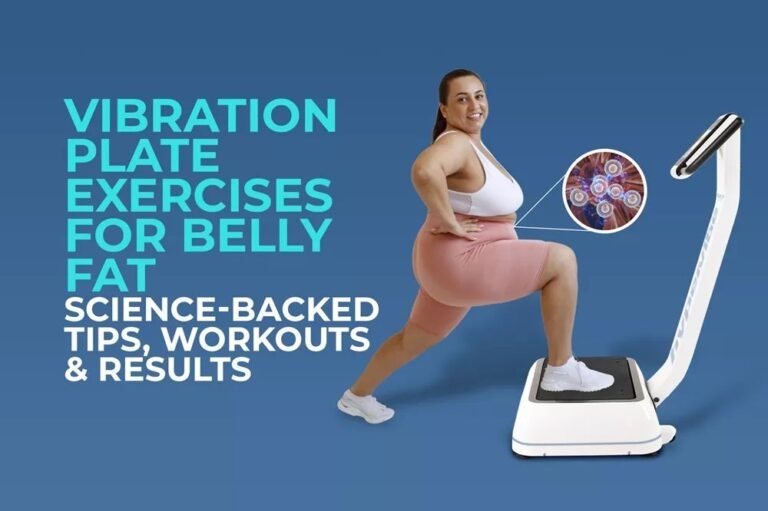
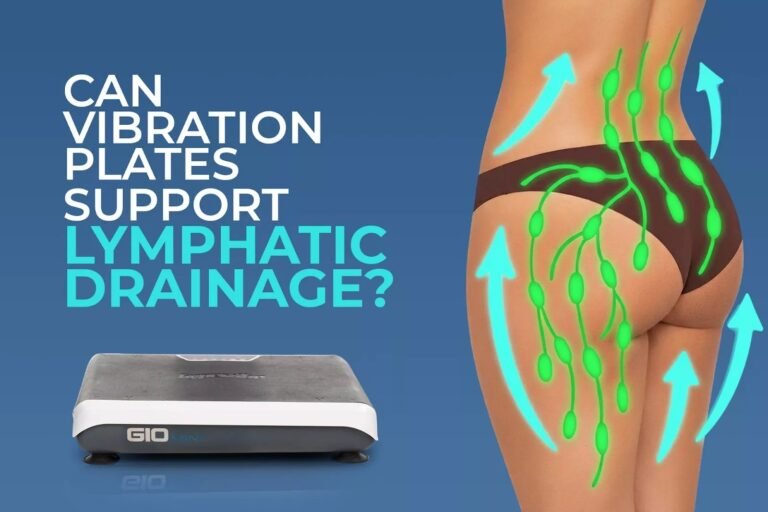
For most people, a LifePro vibration plate is the better buy — it costs less and does the same basic job. A Power Plate wins only if you want the brand that built the category and you’ll use its higher settings.
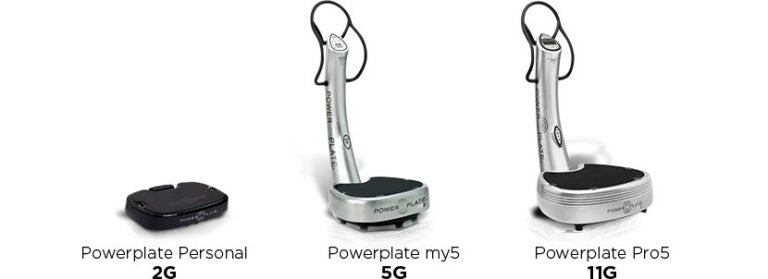
LifePro and Power Plate side by side
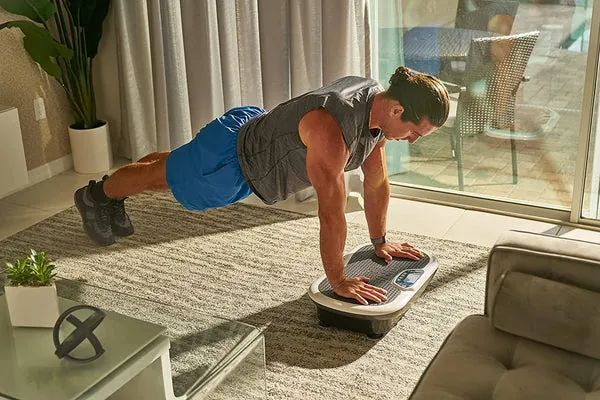
Both machines are vibration plates: you stand on a platform that shakes, and your muscles react to stay steady. The differences come down to power, price, and how much the brand matters to you.
| Method | How long | Effort | Cost | Best for |
|---|---|---|---|---|
| LifePro models | 10–20 min sessions | Low | Low | Home users on a budget |
| Power Plate models | 10–30 min sessions | Low to medium | High | Gyms and serious training |
| Whole-body vibration class | 30–45 min | Medium | Medium | Guided sessions with a trainer |
| Manual balance training | 15–30 min | Medium | Low | People who want no motor at all |
How LifePro vibration plates work
LifePro plates are the budget-friendly pick. They run on a motor that shakes the platform at set speeds, and you control everything from a remote or the panel.
- Place the plate on a hard floor, not carpet — carpet soaks up the vibration.
- Stand on it with soft knees, feet shoulder-width apart.
- Pick a low speed for your first few sessions, about 5–10 minutes.
- Build to 15–20 minutes as your balance improves.
- Hold a wall or chair at first if you feel unsteady.
They’re good for light home use, balance work, and gentle muscle activation. The weakness: lower-end models have less power, so the vibration feels weaker than a commercial machine.
How Power Plate machines work

Power Plate is the brand that popularized whole-body vibration, and its machines are built for gyms and clinics. The platform moves in three directions, not just up and down.
- Step on and set your feet in the position for your target area.
- Choose a frequency — most home users start around 30 Hz.
- Set the time, often 30 to 60 seconds per position.
- Rest between positions, then repeat for 2–3 rounds.
- Adjust the setting as your control improves.
The strength is real power and a solid build. The weakness is price — home models cost far more than a LifePro, and you may not need that power at home.
A fourth option, a studio class, is worth it only if you want a trainer watching your form. Otherwise, skip it.
Which one fits your situation?
If you’re in a hurry and want something simple, a LifePro plate gets you moving today. If it’s your first time using vibration at all, start with LifePro — the lower cost means less risk if you don’t stick with it. If you want the best possible result and money isn’t the issue, Power Plate’s stronger platform and three-direction movement give you more to work with.
The trade-off is the same one running through this whole comparison: you’re paying for power and brand name, or you’re saving money and accepting a gentler shake. Neither choice is wrong — they just suit different people.
What matters no matter which plate you pick

Check the weight limit before you buy — every plate lists one, and the maker’s spec sheet is where you’ll find it. The CPSC publishes recalls and safety notices for fitness equipment, so it’s worth a look.
The limit covers you, not just the plate. A 220-pound user on a 250-pound-rated machine has 30 pounds of headroom, and that margin shrinks the moment you add a weighted vest or push the pace. If you’re within 20 pounds of the limit, buy the next tier up.
Prepare first: hard floor, clear space, and something to hold. Check partway through: if you feel dizzy, stop and sit down. At the end: wipe the platform and check the bolts are tight.
Bolts loosen fastest in the first month. Re-check them weekly for the first four weeks, then monthly after that. A wobble you can feel by hand means stop using it until it’s tightened.
If you have a heart condition, are pregnant, or have a joint problem, talk to your doctor before you start. That’s not a DIY call.
Related guides
- Weight Plates Kg Vs Lbs Conversion
- Weight Plates Workout Routines for Beginners at Home
- Maintenance Tips for Power Rack: Keep It Safe and Sturdy
Frequently asked questions
Is LifePro as good as Power Plate?
For home use, yes — both give you whole-body vibration. Power Plate has more power and a sturdier build, but LifePro covers the basics at a much lower cost.
How long should I use a vibration plate each day?
About 10–15 minutes a day for most home users, split into short sessions. Start at 5 minutes if you’re new and build up slowly.
Is it safe to use every day?
Yes, for most healthy people, at short sessions. Skip it if you’re pregnant, have a heart condition, or have a recent injury — check with your doctor first.
Can a vibration plate help you lose weight?
No, not on its own. It can add light muscle activity, but weight loss comes from diet and overall movement, not from standing on a plate.
What happens if I use it too long?
You may feel dizzy, sore, or lightheaded. Keep sessions short, and stop right away if you feel unsteady.
Do I need to hold something while using it?
At first, yes — a wall or chair helps you balance. Once you’re steady, you can let go and stand freely.
Why does my plate feel weaker than a gym one?
Home plates have smaller motors than commercial machines. That’s normal — it’s the main difference you’re paying for with a gym-grade brand.
Conclusion
Pick the plate that matches your budget and how often you’ll actually use it. A cheaper machine you use daily beats an expensive one that sits in the corner.

I am a certified fitness coach with over 10 years of experience helping people improve their strength, endurance, and overall health. Specializes in workout programming, weight training, fat loss, muscle building, home fitness, and evidence-based nutrition.My goal is to make fitness simple and practical through well-researched guides, honest product reviews, and actionable training advice.