
Mobility drills are simple, repeated movements that take a joint through its full range of motion — think hip circles, shoulder pass-throughs, ankle rocks, cat-cow, and thoracic twists. What separates them is the joint they target and whether you do them before or after training.
Mobility drills at a glance

Each drill below works on a different joint or area, and most need no equipment at all.
| Drill | Best for | Example |
|---|---|---|
| Hip circles | Loosening stiff hips | Standing hip rotations |
| Shoulder pass-throughs | Overhead reach | Dowel or towel pass-throughs |
| Ankle rocks | Deep squat depth | Knee-to-wall ankle rocks |
| Cat-cow | Spine stiffness | Floor spinal flexion and extension |
| Thoracic twists | Upper back rotation | Open-book rotations |
| World’s greatest stretch | Full-body warm-up | Lunge with a twist |
Hip circles
Hip circles are a standing drill that moves each hip through its full range, and they suit anyone who sits for long stretches.
- Warms the hip joint before squats, lunges, or running
- Reveals which side is stiffer, so you know where to focus
- Takes under a minute per side, so it fits any warm-up
- Needs no floor space, so you can do it almost anywhere
Stand on one leg and lift the other knee toward your chest, then draw a slow circle outward and back. Do 8 to 10 circles per direction, per side. If balance is hard, hold a wall or chair.
Shoulder pass-throughs
Shoulder pass-throughs use a stick, towel, or band to take your shoulders through a wide arc, and they’re the drill for tight overhead reach.
- Improves overhead reach for pressing or swimming
- Shows the gap between your two shoulders
- Works with a towel if you have no dowel
- Takes about 30 seconds for a set of 10
Hold a dowel or rolled towel with hands wider than shoulder width, arms straight, and slowly raise it over your head and behind you, then reverse. Do 10 slow reps. If your hands must be very wide, your shoulders are tight — narrow the grip over weeks, not days.
Ankle rocks
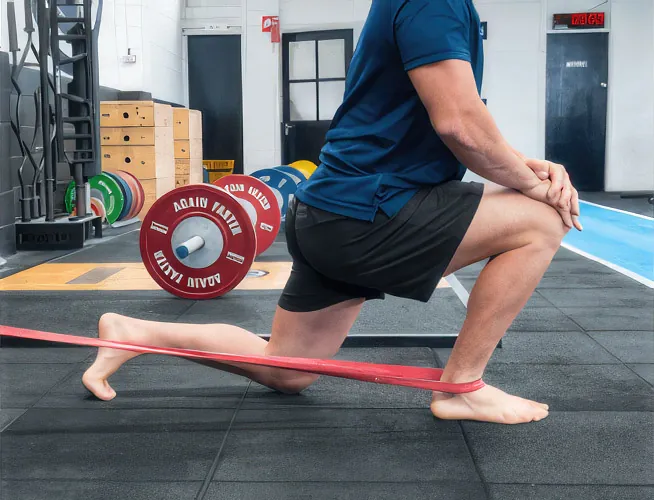
Ankle rocks are a knee-to-wall drill that builds ankle range, and they suit runners, lifters, and anyone whose heels lift in a squat. Pushing too hard can strain the ankle, so stop at a firm stretch, never pain.
- Improves squat depth and heel-down position
- Measures your ankle range with a number
- Takes 2 minutes per side
- Needs only a wall and floor
Stand facing a wall, put your toes a few inches back, and drive your knee toward the wall while keeping your heel flat. Count how many inches back you can stand and still touch the wall. Track that number weekly — the American Academy of Orthopaedic Surgeons notes ankle range varies widely, so compare yourself to your own past number.
Cat-cow
Cat-cow is a floor drill that moves the spine through flexion and extension, and it suits anyone with a stiff back from desk work.
- Eases general back stiffness
- Warms the spine before lifting or yoga
- Takes about 1 minute for 10 slow rounds
- Needs no equipment beyond a mat
Start on hands and knees, arch your back up (cat), then let it dip down (cow), moving slowly with your breath. Do 10 rounds.
More drills worth knowing
A few more cover joints the big five miss. Each one is quick and needs little or no gear.
- Neck rotations — slow turns and tilts for a stiff neck; reach for these after long screen time.
- Wrist circles and stretches — prep the wrists before typing marathons or push-ups.
- Hip flexor stretch — a held stretch for the front of the hip; good after sitting all day.
- Thoracic foam roll — a roller under the upper back to open a rounded spine; for desk workers.
- Leg swings — dynamic front-to-back and side swings; a runner’s pre-run staple.
How to choose your mobility drills
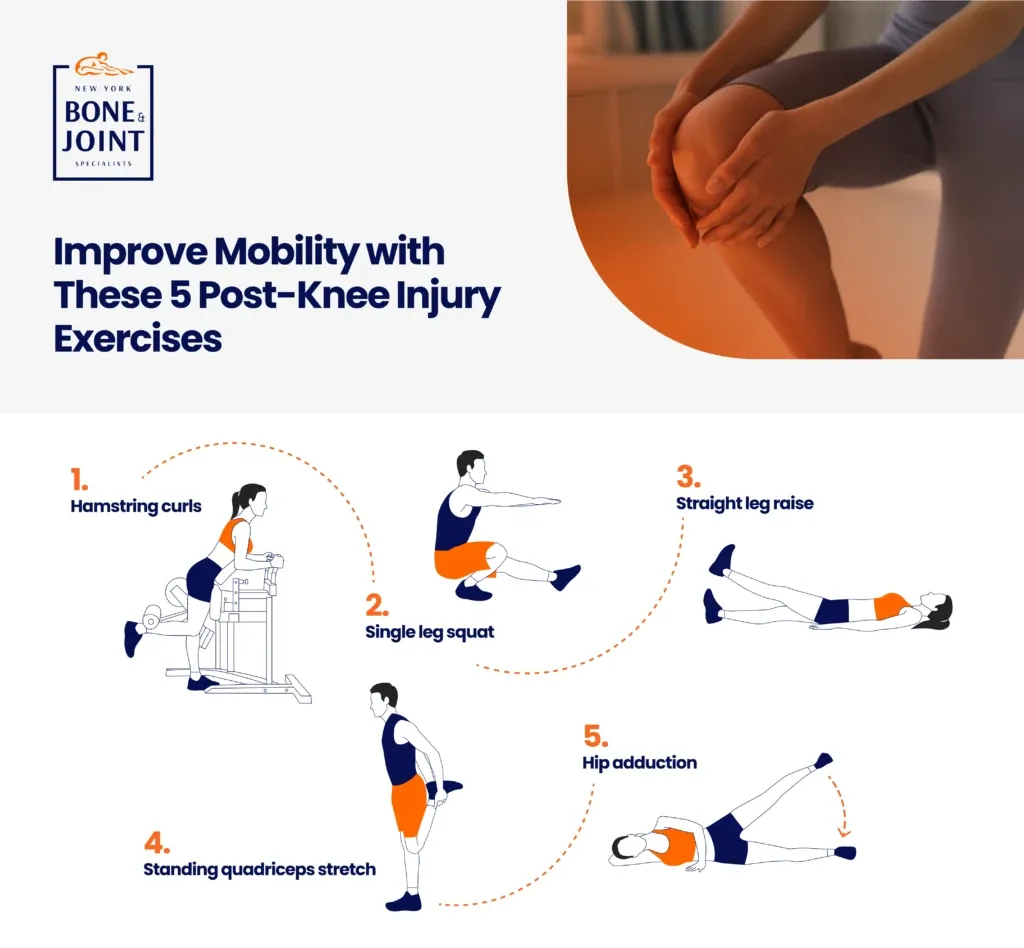
Your starting stiffness decides most of this.
Time matters too. With 5 minutes, pick two drills for your worst area. With 15 minutes, run the full set. These combine well as a warm-up. But if you’re chasing one specific goal, like deeper squats, focus there for a few weeks before adding more.
Frequently asked questions
How long should mobility drills take?
A single drill takes 30 seconds to 2 minutes, depending on reps. A full session of five to six drills runs about 10 to 15 minutes.
Can mobility drills replace stretching?
No, they do different jobs. Mobility drills move a joint actively through its range, while static stretches hold a position. Most people benefit from both — drills before training, static stretches after, when muscles are warm.
Why do my hips feel tighter after mobility drills?
Mild soreness for a day or two is normal after new movement. Sharp or lasting pain is not — that usually means you pushed too far or too fast.
Is it safe to do mobility drills every day?
Yes, for most people. Harder ones, like deep ankle rocks, are better every other day so tissue can recover.
What happens if I skip the warm-up and go straight to lifting?
Your joints start cold and stiff, so your range is smaller and form suffers. Doing two or three drills first takes 2 minutes and helps you hit proper depth.
How often should I do mobility drills to see change?
Most people notice easier movement in 2 to 4 weeks of doing them 3 to 5 times a week.
Does it matter which order I do them in?
Start with the joint you most want to improve, while you’re fresh. Then work from big joints like hips down to smaller ones like wrists. Order matters less than doing them consistently.
What to do next
Pick the one drill for your tightest joint and do it today — 10 slow reps is enough to start. Expect easier movement within 2 to 4 weeks, and track one number to see it. If a joint gives sharp pain or swelling, stop and see a doctor or physical therapist.

I am a certified fitness coach with over 10 years of experience helping people improve their strength, endurance, and overall health. Specializes in workout programming, weight training, fat loss, muscle building, home fitness, and evidence-based nutrition.My goal is to make fitness simple and practical through well-researched guides, honest product reviews, and actionable training advice.