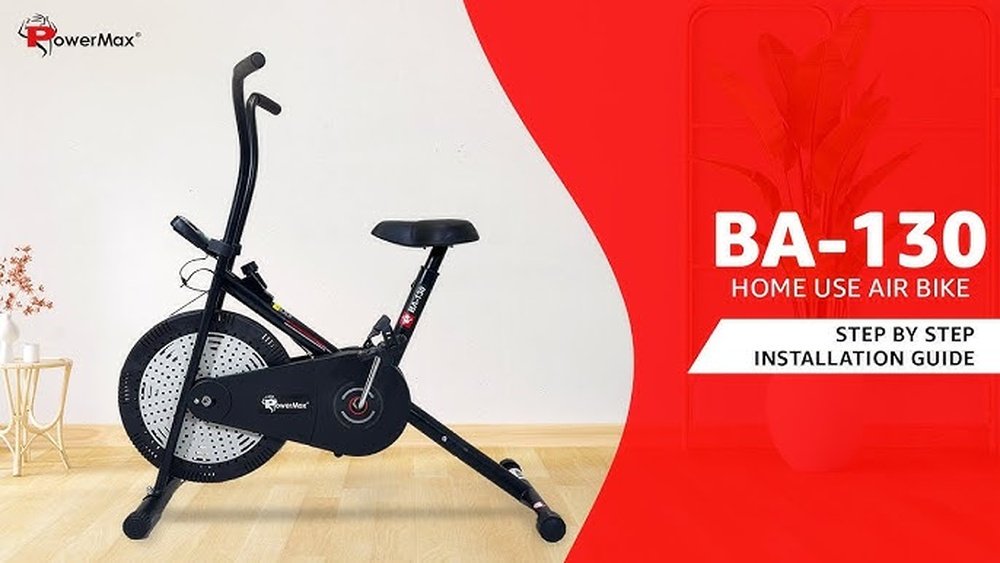
Are you ready to take your workouts to the next level with an air bike but not sure where to start? Your air bike is more than just a stationary machine—it’s a powerful tool that can boost your cardio, tone your entire body, and burn calories faster than many other exercises.
In this guide, you’ll discover simple, effective ways to set up and use your air bike so you get the most from every session. Whether you want to build endurance, shred fat, or improve your overall fitness, mastering the air bike will help you reach your goals faster.
Keep reading to unlock tips and techniques that make your workouts smarter, more efficient, and totally motivating. Your best ride begins here.

Credit: www.youtube.com
Air Bike Basics
Understanding the basics of an air bike is essential for a good workout. This machine uses your effort to create resistance. The harder you pedal and push the handles, the more resistance you face. It works your entire body, combining cardio and strength training.
Air bikes are simple yet effective tools for all fitness levels. Knowing how to adjust and operate them ensures comfort and better results. The following sections explain how air bikes work, their main parts, and how to adjust them properly.
How Air Bikes Work
An air bike uses a large fan to create resistance. When you pedal, the fan blades spin. This movement pushes air, which slows down your pedaling. The faster you pedal, the harder the fan pushes back. This makes your workout more intense. The handles move too, so you push and pull with your arms. This adds upper body exercise to your workout.
Key Components
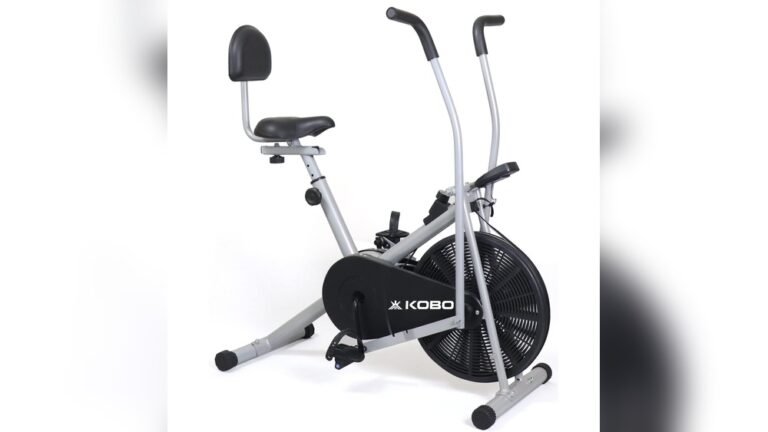
The main parts of an air bike include the pedals, handles, fan, and seat. Pedals connect to the fan and drive its movement. Handles move back and forth and work your arms and shoulders. The fan creates resistance based on your speed. The seat supports your body and can be adjusted for comfort. Some models have a digital display to track speed, time, and calories burned.
Adjusting The Seat And Handlebars
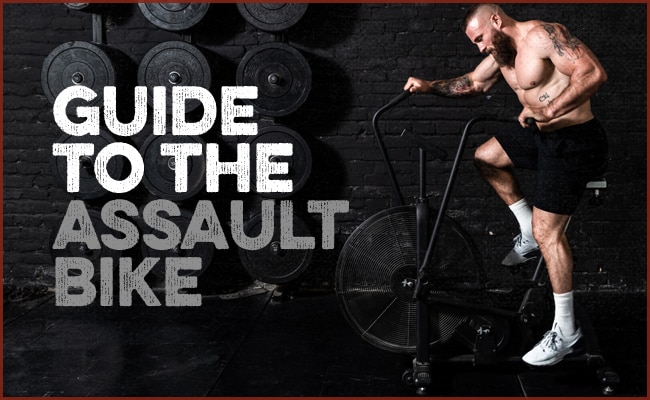
Proper adjustment of the seat and handlebars improves comfort and workout quality. The seat should be at a height where your legs have a slight bend when the pedal is at the lowest point. This avoids knee strain and helps you pedal efficiently. Handlebars should be at a height where you can grip them without stretching or bending your back. Adjusting these parts helps keep your posture correct during exercise.
Credit: www.artofmanliness.com
Proper Form And Technique
Using an air bike with the right form improves workout results and reduces injury risk. Proper technique helps you work your entire body efficiently. Focus on body position, pedaling, and breathing for best performance.
Body Positioning
Sit upright with your back straight and core tight. Keep your shoulders relaxed and down. Place your feet flat on the pedals. Your knees should align with your feet. Avoid leaning too far forward or backward. Maintain a neutral neck position by looking straight ahead.
Pedaling And Handle Movement
Push and pull the handles smoothly. Use your legs to pedal with steady force. Pedal in a full circular motion for even muscle use. Move your arms in sync with your legs. Keep your elbows close to your body. Avoid jerky or uneven movements to prevent strain.
Breathing Tips
Breathe deeply and steadily throughout your workout. Inhale through your nose and exhale through your mouth. Match your breathing rhythm to your pedaling pace. Avoid holding your breath during intense effort. Proper breathing helps maintain endurance and reduces fatigue.
Workout Strategies
The air bike offers versatile workout strategies suitable for all fitness levels. It targets both upper and lower body muscles while boosting cardiovascular health. Choosing the right workout method helps maximize results and keeps exercise engaging. Below are effective strategies to try on your air bike.
Interval Training
Interval training alternates between high and low intensity. Push hard for a short burst, then recover at a slower pace. This method improves endurance and burns calories quickly. Start with 20 seconds of sprinting, followed by 40 seconds of easy pedaling. Repeat for 10 to 15 rounds. Adjust timing based on your fitness level.
Steady-state Cardio
Steady-state cardio means maintaining a consistent, moderate pace. It helps build aerobic capacity and burn fat. Aim for 20 to 45 minutes at a steady effort. Keep your breathing controlled and your pace sustainable. This is great for long workouts and recovery days. Focus on smooth, rhythmic pedaling throughout the session.
Tabata And Hiit Sessions
Tabata and HIIT are intense, short workouts with timed intervals. Tabata consists of 20 seconds all-out effort followed by 10 seconds rest, repeated 8 times. HIIT sessions can vary but focus on maximum effort with brief rest. These sessions boost metabolism and improve speed. They are perfect for quick, effective workouts that fit any schedule.
Maximizing Results
Maximizing results with the Air Bike requires a smart approach. Focus on balancing different workout elements. This balance helps improve fitness faster and keeps motivation high. Careful planning and tracking are key. Follow these tips to get the best from your Air Bike sessions.
Combining Strength And Cardio
Use the Air Bike for both strength and cardio training. Pedal hard to build leg muscles and improve endurance. Push and pull the handles to work your arms and shoulders. Mix intervals of fast pedaling with slower recovery phases. This combination boosts overall fitness and burns more calories.
Tracking Progress
Keep a record of each workout. Note time, distance, and calories burned. Track how long you can sustain high intensity. Watching your progress helps stay motivated. Adjust your workouts based on your results. Use apps or a simple notebook for tracking. Small improvements add up over time.
Recovery And Rest Days
Allow your body to rest between hard workouts. Rest days help muscles recover and grow stronger. Skipping rest can lead to injury or burnout. Use light activity like walking or stretching on rest days. Listen to your body and avoid overtraining. Proper recovery improves long-term performance.
Common Mistakes To Avoid
Using an air bike offers great benefits for cardio and full-body workouts. Avoiding common mistakes helps keep your workouts safe and effective. Mistakes can cause injuries or reduce exercise results. Focus on proper technique and smart training habits.
Poor Posture
Bad posture can cause back and shoulder pain. Keep your back straight and shoulders relaxed. Do not lean too far forward or backward. Grip the handles lightly to avoid tension. Maintain a neutral spine while pedaling. Good posture improves breathing and power output.
Overtraining Risks
Training too hard can lead to fatigue and injury. Listen to your body and rest when needed. Set realistic workout times and intensity levels. Avoid daily intense sessions without recovery. Overtraining reduces performance and increases burnout risk. Balance effort with rest to stay healthy.
Ignoring Warm-up And Cool-down
Skipping warm-up increases injury chances. Begin with light pedaling to prepare muscles. Cool down by slowing the pace gradually. Stretch after workouts to improve flexibility. Warm-up and cool-down help your body adjust safely. These steps boost recovery and reduce soreness.
Maintenance And Care
Proper maintenance and care keep your air bike working smoothly. It extends the bike’s life and improves performance. Simple daily habits prevent damage and costly repairs. Follow these tips to keep your air bike clean and functional.
Cleaning Tips
Wipe down the bike after every use. Use a soft cloth and mild soap. Avoid harsh chemicals that damage surfaces. Clean the pedals and handles carefully. Remove dust from the fan blades regularly. This prevents buildup that slows the bike down.
Regular Checks
Inspect bolts and screws every week. Tighten any loose parts to avoid noise and wobbling. Check the chain or belt for wear. Lubricate moving parts with light oil monthly. Test the resistance system to ensure smooth operation. Replace worn components promptly to maintain safety.
Troubleshooting Common Issues
If the bike makes noise, check for loose bolts. Squeaking sounds often mean dry parts. Apply lubricant to fix this. If resistance feels uneven, inspect the fan and chain. Adjust or replace parts as needed. For digital display errors, reset the console or change batteries. Contact support if problems persist.
Advanced Tips
Advanced tips help you get more from your air bike workouts. These tips focus on fine-tuning your sessions. Small changes make big differences in results and enjoyment. Follow these strategies to push your limits safely and effectively.
Using Resistance Settings
Adjust resistance to match your fitness level and goals. Higher resistance increases effort and builds strength. Lower resistance suits longer cardio sessions and recovery days. Change resistance throughout your workout for variety. This prevents boredom and improves endurance.
Incorporating Upper Body Focus
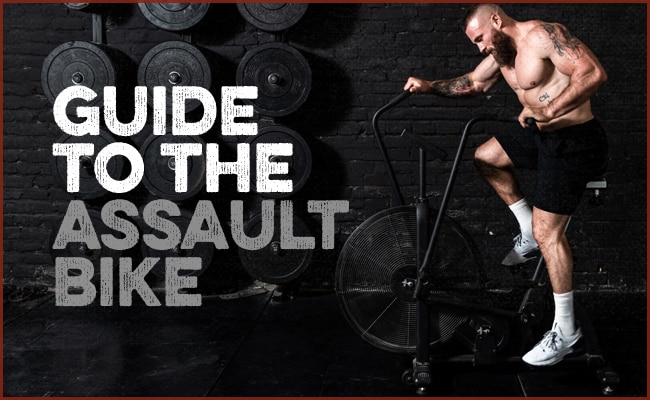
Use the handles actively to engage your arms and shoulders. Push and pull with even force for balanced muscle use. Focus on controlled, smooth movements to avoid strain. Adding upper body effort raises calorie burn. It also creates a full-body workout experience.
Customizing Workouts For Goals
Set clear goals like fat loss, endurance, or strength. Tailor workout length and intensity to fit these goals. Use intervals for fat burning and stamina building. Choose steady pace rides for endurance and recovery. Track progress and adjust workouts to stay on target.
Credit: crossfitelkhorn.com
Frequently Asked Questions
How To Use An Air Bike Properly?
Adjust the seat to your height. Grip handles firmly, push and pull smoothly. Pedal with steady leg power. Maintain consistent breathing and posture. Increase resistance by pedaling faster for an effective full-body workout.
What Is The 75 Rule In Cycling?
The 75 rule in cycling means riding at 75% of your maximum effort for training. It improves endurance and speed effectively.
Is 30 Minutes Of Stationary Bike The Same As 30 Minutes Of Walking?
Thirty minutes on a stationary bike burns more calories than 30 minutes of walking. Bike workouts engage more muscles and increase intensity.
How Often Should I Use An Airbike?
Use an airbike 3-5 times weekly for effective cardio and full-body conditioning. Adjust intensity based on fitness goals.
Conclusion
Using an air bike regularly can boost your fitness well. Keep your posture straight and pedal smoothly. Push and pull the handles with steady strength. Start slow, then increase your speed and time. Remember to breathe deeply and stay hydrated.
This simple routine helps build endurance and strength. Enjoy the full-body workout without heavy strain. Stay consistent, and you will see progress soon. An air bike suits all fitness levels and goals. Try different speeds and intervals to keep it fun.
Your body will thank you for the effort.
I am a certified fitness coach with over 10 years of experience helping people improve their strength, endurance, and overall health. Specializes in workout programming, weight training, fat loss, muscle building, home fitness, and evidence-based nutrition.My goal is to make fitness simple and practical through well-researched guides, honest product reviews, and actionable training advice.