Are you thinking about adding a rowing machine to your workout routine but feel overwhelmed by the options? You’re not alone.
With air, magnetic, water, and hydraulic rowing machines all claiming to be the best, it’s easy to get confused. But don’t worry—we’re here to break down the main types of rowing machines for you. By understanding how each one works and what makes it unique, you’ll be able to find the perfect fit for your fitness goals, space, and budget.
Keep reading to discover which rowing machine matches your needs and how it can help you get the most out of every stroke.

Credit: americanhomefitness.com
Air Rowers
Air rowers are popular rowing machines that use a fan to create resistance. The harder you pull, the more air flows through the fan. This makes the workout feel smooth and natural, similar to rowing on water. Many fitness enthusiasts prefer air rowers for their dynamic resistance and realistic rowing experience.
Resistance Mechanism
Air rowers use a large fan or flywheel. When you pull the handle, the fan spins faster. This pushes air against the blades, creating resistance. The resistance increases with your effort. No need to adjust settings manually. The harder you row, the harder it gets.
Advantages
Air rowers offer a smooth and quiet workout. They mimic the feel of outdoor rowing well. Resistance adjusts automatically to your strength. This helps beginners and advanced users alike. Many models have simple, durable designs. They often cost less than other types. Air rowers provide excellent cardio and strength training.
Drawbacks
Air rowers can be noisy due to the fan. This might bother some users in small spaces. They require more space than compact models. Resistance depends on your effort, which may be tough for beginners. Some find the fan blades bulky or heavy. Maintenance can be needed to keep the fan clean.

Credit: americanhomefitness.com
Magnetic Rowers
Magnetic rowers offer a smooth and quiet rowing experience. They use magnets to create resistance, allowing users to adjust the workout intensity easily. These machines are popular for home use due to their compact design and low noise level.
How Magnetic Resistance Works
Magnetic rowers use a flywheel with magnets near it. The magnets slow down the flywheel’s spin by creating magnetic fields. Stronger magnetic fields mean more resistance. Users can change resistance levels with a dial or digital control.
Benefits
Magnetic rowers are quiet and ideal for shared spaces. They provide smooth, consistent resistance for a steady workout. These rowers need little maintenance because they have no moving parts touching. Many models are compact and fold for easy storage.
Limitations
Magnetic rowers may not offer as much resistance as air or water rowers. The feel can be less natural compared to water rowers. Some users find the resistance levels less challenging for intense training. Also, magnetic rowers can be more expensive than basic models.
Popular Models
Sunny Health & Fitness Magnetic Rowing Machine is a budget-friendly choice. The Concept2 Model D has a magnetic resistance version known for reliability. The NordicTrack RW Rower offers adjustable magnetic resistance with a smooth feel. These models balance price, features, and user satisfaction well.
Water Rowers
Water rowers offer a unique rowing experience by mimicking the feel of rowing on actual water. These machines use a water-filled flywheel to create resistance, providing smooth, natural strokes. Many users appreciate the calming sound of flowing water during workouts.
Water rowers combine cardio and strength training effectively. They are often praised for their durability and aesthetic design, fitting well in home gyms or living spaces.
Water Resistance Explained
Water rowers use a paddle inside a tank filled with water. As you pull the handle, the paddle spins through the water. The resistance increases with your rowing speed. This means the harder you row, the more resistance you feel. The water’s natural flow creates a smooth, consistent motion. This type of resistance closely imitates real rowing on water.
Pros
- Provides smooth, realistic rowing motion.
- Resistance adjusts naturally with effort.
- Creates a soothing water sound during use.
- Usually built with strong, durable materials.
- Stylish designs that look good in any room.
Cons
- Water tanks can be heavy and bulky.
- Requires occasional water maintenance and cleaning.
- Can be more expensive than other types.
- Not as quiet as magnetic rowers.
- Tanks may leak if damaged or mishandled.
Top Brands
- WaterRower – Known for handcrafted wooden frames and smooth rowing feel.
- First Degree Fitness – Offers adjustable water resistance and durable builds.
- Sunny Health & Fitness – Provides affordable water rowers for beginners.
- Kinetic by Kurt – Focuses on fitness and training water rowers.
Hydraulic Rowers
Hydraulic rowers use pistons to create resistance during rowing. They are compact and fit well in small spaces. These machines often cost less than other types of rowers.
Hydraulic rowers offer a smooth rowing motion. They allow users to adjust resistance easily. This makes them suitable for beginners and light workouts.
Piston-based Resistance
The key feature of hydraulic rowers is their piston system. The pistons pressurize hydraulic fluid to create resistance. Users can usually adjust the piston pressure to change difficulty. This system mimics the feeling of rowing on water.
Strengths
- Compact and lightweight design saves space.
- Affordable option for home workouts.
- Resistance is easy to adjust with simple controls.
- Quiet operation compared to air or water rowers.
- Good for beginners learning rowing technique.
Weaknesses
- Resistance may feel less natural than water or air rowers.
- Pistons can wear out and require replacement.
- Limited resistance range for advanced users.
- Smaller seat and handle size may feel cramped.
- Less smooth motion on some models.
Choosing By Space And Noise
Choosing a rowing machine involves more than just features. Space and noise play key roles. Many people have limited room at home. Others live in apartments where noise matters. Picking the right rowing machine can save you stress. It ensures you enjoy workouts without disturbing others. The right fit depends on your living space and noise tolerance.
Best Options For Small Areas
Compact rowing machines suit small spaces well. Look for foldable models that store easily. Some machines slide under beds or sofas. Slim designs take up less floor area. Hydraulic rowers often have smaller frames. Magnetic rowers may also come in compact styles. Choose one that fits your space comfortably. Measure your available area before buying. This avoids surprises later on.
Quiet Rowing Machines
Noise level matters for peaceful exercise. Water rowers produce soft, soothing sounds. Magnetic resistance rowers operate almost silently. Air rowers tend to be louder, due to fan noise. Hydraulic rowers have moderate noise levels. Quiet machines suit shared living spaces best. Check user reviews for noise feedback. A quiet rowing machine keeps your home calm.
Health Considerations
Rowing machines offer a low-impact workout suitable for many fitness levels. Before starting, consider your health status. Certain conditions require special attention. Understanding these helps avoid injury and improve benefits. Here are key health points to keep in mind.
Rowing With Back Conditions
Rowing can strengthen back muscles and improve posture. People with mild back pain may benefit from gentle rowing. Avoid rowing if you have acute disc injuries or severe spinal stenosis. Keep your back straight while rowing to reduce strain. Consult a doctor before starting if you have chronic back issues.
Post-surgery Use
Rowing after surgery needs careful planning. Hip, knee, shoulder, or back surgery patients should seek medical advice first. Start with low resistance and short sessions. Rowing helps regain strength and mobility once cleared by a doctor. Avoid rowing if pain or discomfort increases during exercise.
Rowing For Cardio And Strength
Rowing combines cardiovascular exercise with muscle strengthening. It works legs, core, and arms simultaneously. This makes it effective for heart health and building endurance. Beginners should focus on technique to avoid injury. Regular rowing improves fitness without stressing joints.
Popular Rowing Machine Brands
Choosing the right rowing machine starts with knowing the top brands. These brands offer machines that fit different needs and budgets. Each brand brings unique features and technology. Understanding these can help pick the best fit for your workouts.
Top rowing machine brands focus on quality, durability, and user experience. They provide options from basic models to high-tech machines with interactive features. These brands have earned trust through consistent performance and positive user feedback.
Hydrow
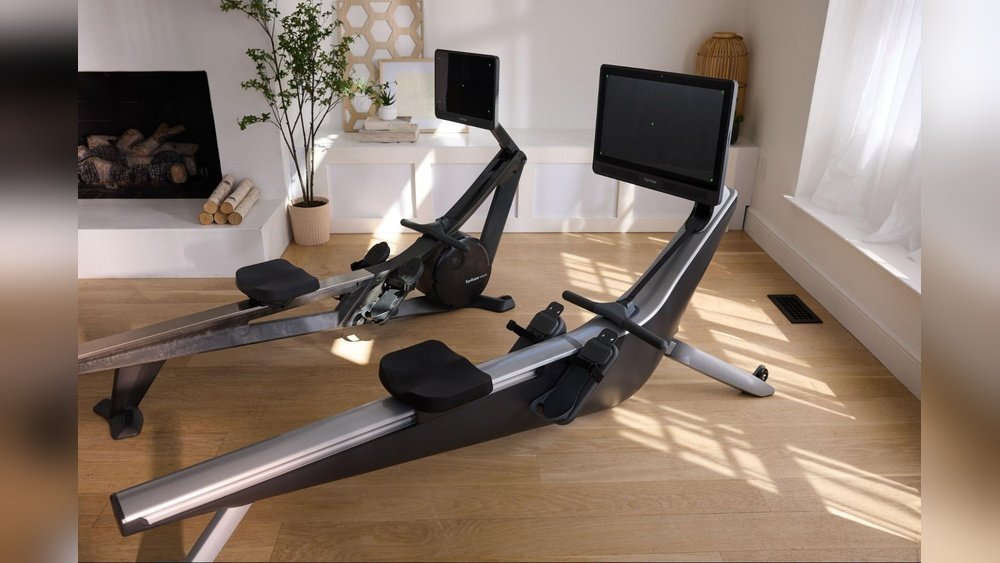
Hydrow offers a sleek rowing machine with a large touchscreen. It features live and on-demand rowing classes. The machine uses electromagnetic resistance for smooth rowing strokes. Hydrow focuses on making workouts engaging and effective.
Peloton
Peloton rowing machines combine fitness and technology. They have a built-in screen for live streaming workouts. The magnetic resistance system allows quiet and adjustable rowing. Peloton appeals to users who want interactive group training.
Aviron
Aviron rowing machines provide a strong workout with a focus on competition. They include gaming elements to keep users motivated. The machines have adjustable resistance and a sturdy build. Aviron suits those who enjoy a challenge during exercise.
Waterrower
WaterRower uses water resistance for a natural rowing feel. The machine is made from wood and looks stylish. It offers smooth and quiet operation. WaterRower appeals to users who want a traditional rowing experience.
Ergatta
Ergatta rowing machines focus on game-based workouts. They use water resistance to mimic real rowing. The machine connects to a tablet for interactive rowing races. Ergatta is ideal for users who enjoy fun and competition.
Budget-friendly Picks
Choosing a rowing machine on a budget can be smart and practical. Many affordable options offer solid performance without breaking the bank. These models suit beginners and casual users who want effective workouts. Budget-friendly rowing machines often include basic features that help build strength and endurance. They provide a good starting point for home fitness without high costs.
Affordable Models
Affordable rowing machines usually use magnetic or hydraulic resistance. These types keep the price low while delivering smooth rowing action. Brands like Sunny Health & Fitness and Stamina offer popular budget models. These machines often have compact designs for small spaces. They include simple displays to track time, distance, and calories. Despite the low price, many offer adjustable resistance levels.
Some budget models lack advanced features like Bluetooth or preset workouts. Still, they support effective cardio and full-body exercise. These machines are lightweight and easy to move. They fit well in apartments or home gyms with limited space.
Value Vs. Features
Value is about getting the best workout for your money. Budget machines focus on core functions instead of extras. Features like heart rate monitors or interactive screens usually cost more. Think about what you really need before buying. A simple machine with good resistance may be better than a feature-rich one you rarely use.
Look for sturdy frames and comfortable seats in budget picks. Some models may sacrifice durability for a lower price. Reading reviews helps spot reliable machines with good value. Prioritize smooth rowing and adjustable tension over bells and whistles. This approach ensures a satisfying workout without overspending.
Credit: www.topiom.com
Frequently Asked Questions
Are There Different Types Of Rowing Machines?
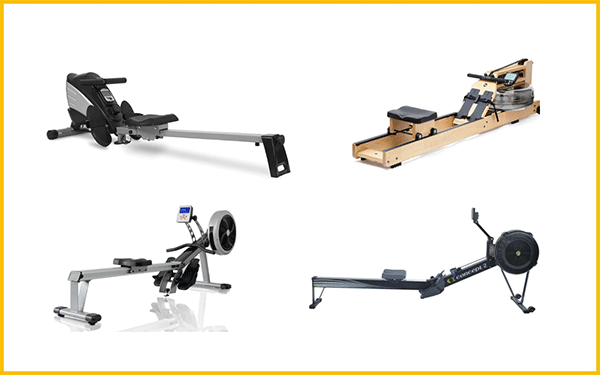
Yes, rowing machines come in four main types: air, water, magnetic, and hydraulic. Each offers different resistance styles and workout experiences. Air rowers provide dynamic resistance, water rowers mimic real rowing feel, magnetic rowers run quietly, and hydraulic rowers are compact and affordable.
Can I Row With Spinal Stenosis?
Rowing with spinal stenosis depends on severity and symptoms. Consult your doctor before starting to avoid pain or injury. Start slowly and focus on proper form.
Can Rowing Lower Cholesterol?
Rowing effectively lowers cholesterol by combining cardio and strength training. It improves heart health and boosts metabolism. This full-body workout helps reduce LDL (bad cholesterol) and increase HDL (good cholesterol), supporting overall cardiovascular fitness and weight management.
Is Rowing Machine Good After Hip Replacement?
Rowing machines provide low-impact exercise suitable after hip replacement. Consult your doctor before starting. Begin slowly, use proper form, and stop if pain occurs.
Conclusion
Choosing the right rowing machine depends on your needs and space. Air, water, magnetic, and hydraulic types each offer unique benefits. Consider noise level, resistance type, and budget before buying. Rowing machines provide excellent full-body workouts and improve fitness. Start with simple models if you are a beginner.
Enjoy steady progress and stay consistent in your exercise routine. Your perfect rowing machine awaits your choice and effort.
I am a certified fitness coach with over 10 years of experience helping people improve their strength, endurance, and overall health. Specializes in workout programming, weight training, fat loss, muscle building, home fitness, and evidence-based nutrition.My goal is to make fitness simple and practical through well-researched guides, honest product reviews, and actionable training advice.