Are you tired of your barbell collars slipping or getting lost during your workouts? You’re not alone.
Barbell collars are essential for keeping your weights secure and your lifts safe, but finding the right fit or replacing broken ones can be frustrating and expensive. What if you could fix or upgrade your barbell collars without breaking the bank?
You’ll discover simple, effective DIY hacks that make your barbell collars more reliable, easier to use, and even better looking. Stick with us, and you’ll learn tricks that save you time, money, and the hassle of constant replacements—so your focus stays on crushing your fitness goals.

Credit: www.reddit.com
Benefits Of Barbell Collars
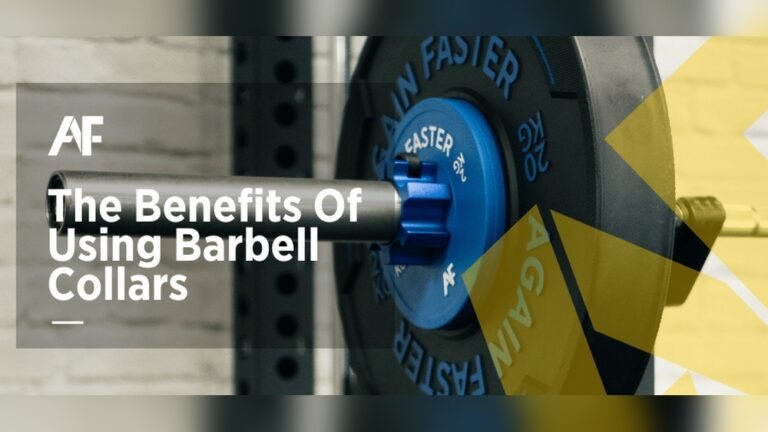
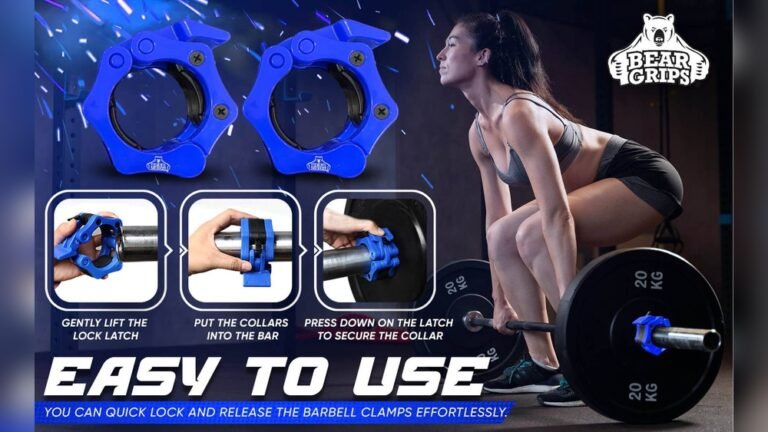
Barbell collars play a key role in weightlifting sessions. They keep weight plates secure on the barbell. This prevents plates from sliding or falling off during lifts. Using collars improves the overall workout experience. It gives lifters better control and confidence. There are several benefits of using barbell collars that enhance training safety and performance.
Enhancing Stability
Barbell collars keep weight plates tightly in place. This stops plates from shifting during movement. Stable plates help maintain balance while lifting. Stability reduces wobbling and uneven weight distribution. This makes lifts smoother and more controlled. Lifters can focus better on their form. Stability also helps in lifting heavier weights safely.
Improving Safety
Safety is the top priority in any gym session. Barbell collars prevent plates from sliding off the bar. Loose plates can cause serious injuries or damage. Collars lock weights firmly, reducing accident risks. They protect lifters and those nearby. Using collars lowers the chance of dropping plates. This creates a safer workout environment for everyone.
Universal Fit Options
Many barbell collars come with universal fit designs. They fit most standard and Olympic barbells. This makes them versatile for different gym setups. Universal collars are easy to use and adjust. They provide a snug fit for various bar sizes. This flexibility makes them a practical choice for home or commercial gyms. Lifters can switch collars between bars without hassle.

Credit: yellowstoneraftzipline.com
Common Barbell Collar Types
Barbell collars keep weight plates secure during lifts. They prevent plates from sliding off the barbell. Different types suit different lifting styles and equipment. Knowing the common barbell collar types helps you choose the right one for your workout.
Spinlock Collars
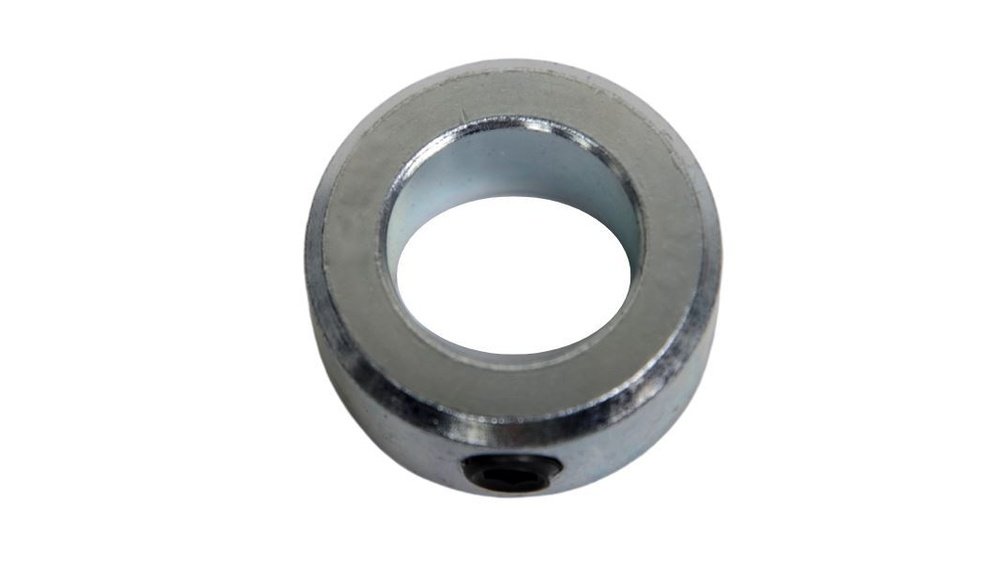
Spinlock collars screw onto the barbell’s threaded ends. They tighten by twisting, locking plates firmly in place. These collars offer a secure hold for heavy lifts. Easy to use and reliable, they fit most standard barbells.
Spring Clips
Spring clips clamp onto the barbell shaft with a strong spring. They slide on and snap into place quickly. Spring clips are lightweight and easy to carry. They work well for lighter workouts and quick plate changes.
Magnetic Collars
Magnetic collars use strong magnets to lock plates together. They attach easily without threading or clamping. These collars save time during workouts and provide a tight grip. Ideal for fast-paced training and versatile use.
Diy Barbell Collar Hacks
DIY barbell collar hacks help you save money and customize your gym gear. Creating your own collars can improve safety and add convenience. These simple projects use everyday items or basic tools. You can make strong, functional collars without buying expensive ones.
Below are easy DIY ideas that fit various skill levels and materials. Try making magnetic collars, use household materials, or strengthen collars by welding. Each method offers unique benefits for your lifting routine.
Making Magnetic Collars
Magnetic collars hold plates tightly without screws or clips. Use strong magnets like neodymium for best grip. Attach magnets to a sturdy band or metal ring. Make sure magnets cover enough surface to prevent slipping. Test the collar on your barbell for a secure fit. Magnetic collars slide on quickly and remove just as fast.
Using Household Materials
Household materials offer creative and affordable collar options. Use old bike inner tubes or thick rubber bands for grip. Cut the material to fit tightly around the barbell. Secure ends with zip ties or strong glue. Another idea is using PVC pipe sections as a collar base. Wrap the pipe with tape or foam for extra hold. These collars are flexible and easy to replace.
Welding And Strengthening Tips
Welding adds strength to metal collars for heavy lifting. Use a metal ring as the base and weld a locking mechanism. Ensure welds are smooth and cover all joints well. Check collar fit before welding fully. Reinforce weak points by adding small metal plates. Always wear safety gear during welding. Proper welding extends collar life and improves safety.

Credit: www.youtube.com
Securing Weights Effectively
Securing weights on a barbell is crucial for safety and performance. Properly fastened collars keep plates stable during lifts. Loose plates can cause imbalance and accidents. Using simple DIY hacks can improve how you secure your weights. These tips help maintain focus and protect your body from injury.
Proper Plate Loading Order
Start by placing the heaviest plates closest to the bar. This keeps the weight balanced and steady. Next, add smaller plates moving outward. This order prevents shifting during lifts. Proper loading makes collar placement easier and more secure. It also reduces wobbling and improves lifting control.
Preventing Collar Loosening
Check collars before every set. Tighten them firmly to avoid slipping. Use rubber bands or tape under collars for extra grip. This simple trick stops collars from sliding. Avoid over-tightening, which can damage the barbell or collar. Regular inspection keeps your setup safe and reliable.
Alternative Weight Locks
Spinlock collars are common but not the only option. Use spring clips or clamp collars as alternatives. DIY chain collars also work well for certain lifts. These alternatives provide solid grip without much cost. Experiment with different locks to find what fits your barbell best. Always ensure any lock used fits tightly and safely.
Storage Solutions For Collars
Barbell collars are small but important gym accessories. Keeping them organized saves time and space. Proper storage also protects collars from damage. Many gym owners and lifters struggle with cluttered collars. Simple storage solutions make a big difference. Here are some easy and creative ways to store your barbell collars at home or in your gym.
Creative Storage Hacks
Use wall-mounted baskets or small bins to hold collars. Label each container for quick access. Magnetic strips on the wall can hold metal collars securely. Pegboards offer flexible storage with hooks and shelves. Clear containers help you see collars without opening boxes. These ideas keep collars tidy and easy to find.
Diy Vertical Holders
Build a vertical holder using PVC pipes or wood. Cut pipes to size and glue them to a board. Attach the board to the wall for a space-saving rack. Each pipe holds one or two collars neatly. Paint or decorate the holder for a personal touch. Vertical storage keeps collars off the floor and well organized.
Repurposing Old Collars
Old or broken collars can become storage tools. Use them as hooks by attaching to a wooden board. Stack them to create a custom shelf for small items. Cut and reshape collars to hold cables or cords. Repurposing saves money and reduces waste. Give your old collars a new life in your gym space.
Maintenance And Care Tips
Proper maintenance and care keep your barbell collars safe and effective. Regular attention prevents damage and ensures they work well every time. Simple DIY tips can help you extend their lifespan and save money.
Cleaning And Inspecting
Clean your collars after every use to remove dust and sweat. Use a soft cloth with mild soap and water. Avoid harsh chemicals that can damage the material. Dry them completely before storing to prevent rust or mold.
Inspect collars for cracks, rust, or loose parts. Check the locking mechanism to make sure it works smoothly. Early detection of issues prevents accidents during lifting.
Repairing Damaged Collars
Small cracks or loose parts can often be fixed at home. Use strong glue or epoxy to seal cracks in plastic collars. Tighten any screws or bolts that have come loose.
Replace worn-out rubber grips with new ones for better hold. If metal parts are bent, gently bend them back using pliers. Avoid heavy repairs on badly damaged collars; safety is key.
Extending Collar Lifespan
Store collars in a dry, cool place away from direct sunlight. Avoid dropping or throwing them on hard surfaces. Rotate between multiple collars to reduce wear on a single pair.
Regular cleaning and prompt repairs keep collars functioning longer. Proper use and care protect your investment and keep workouts safe.
Frequently Asked Questions
Do You Need To Use Barbell Collars?
Yes, barbell collars secure weight plates, enhancing safety and stability during lifts. They prevent plates from sliding off the barbell. Using collars reduces injury risk and improves workout focus. Always pair collars with proper gym safety equipment for the best protection.
How To Loosen Barbell Collars?
Grip the collar firmly and twist counterclockwise to loosen. Use a cloth for better grip if needed. Avoid forcing to prevent damage.
How To Secure Plates On A Barbell?
Load larger plates first, then smaller ones. Slide plates onto the barbell sleeve tightly. Secure with a barbell collar or clamp to prevent movement. Check collar firmness before lifting to ensure safety and stability during exercises.
Are Barbell Collars Universal?
Barbell collars are not universal. They come in sizes for standard or Olympic bars. Always check compatibility before buying.
Conclusion
DIY hacks for barbell collars help keep your weights secure. They save money and add convenience. Simple materials often create strong, reliable collars. These hacks improve your workout safety and efficiency. Try these easy ideas to protect your equipment. Your gym sessions become safer and more enjoyable.
Small tweaks make a big difference in lifting stability. Keep experimenting to find what works best for you. Stay consistent, stay safe, and lift with confidence.
I am a certified fitness coach with over 10 years of experience helping people improve their strength, endurance, and overall health. Specializes in workout programming, weight training, fat loss, muscle building, home fitness, and evidence-based nutrition.My goal is to make fitness simple and practical through well-researched guides, honest product reviews, and actionable training advice.