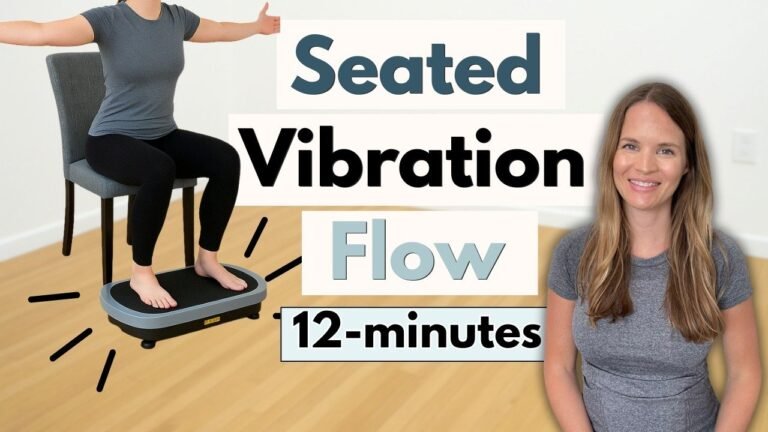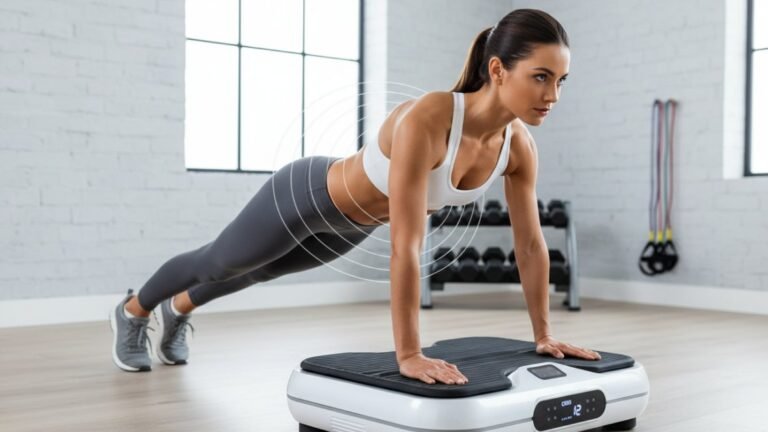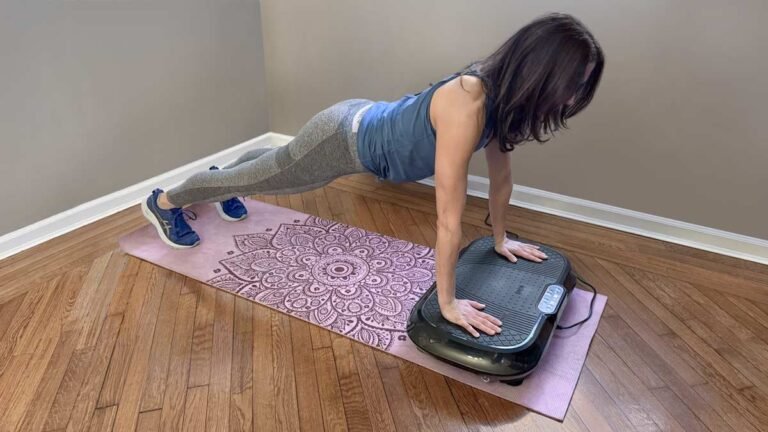
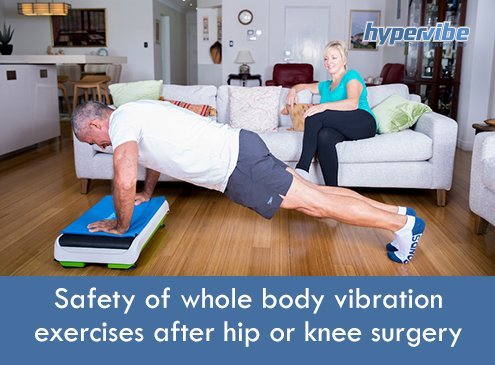
Yes, you can use a vibration plate after hip replacement, but only once your surgeon clears you for it. If your hip is still healing or your implant isn’t fully stable, wait. Ask your surgeon at your next visit before you step on one.
When a vibration plate is safe after hip replacement

The answer depends on how far along your recovery is. A hip that’s still bonding to the implant can’t take the same load as a hip that’s fully healed. Your surgeon knows your case, so their word beats any general rule here.
| Your situation | Answer | Why |
|---|---|---|
| Cleared by surgeon | Yes | Your surgeon has judged the implant stable enough for gentle load |
| Still healing, not yet cleared | No | Implant may not be stable yet, and fall risk is high |
| Using a walker or cane for balance | No | Vibration plus poor balance means a fall |
| Hip feels fine, surgeon says go ahead | Yes | Your own recovery is the real measure |
| Cemented implant, doctor approves | Usually yes | Cement holds right away, but ask first |
| Cementless implant, not yet cleared | Usually not | Bone must grow into the implant first |
| You have a loose or painful implant | No | Vibration can make a loose implant worse |
The table gives you the pattern, but your own surgeon’s instructions override every row. When in doubt, wait.
What actually decides the answer
The deciding factor is how well your implant has bonded to your bone. A hip replacement uses either a cemented implant, which holds with surgical cement, or a cementless one, which your bone grows into over time. That bonding process takes weeks to months, and vibration adds load your hip has to absorb.
The American Academy of Orthopaedic Surgeons explains that full recovery from hip replacement often takes several months, and that your surgeon sets your activity limits based on your implant type and healing. That’s why the timeline matters more than the machine.
If your surgeon has cleared you and your hip feels stable, gentle vibration is reasonable. If you’re still healing, on a walker, or feel any pain in the hip, skip it until you’re checked. If X, then yes; if Y, then wait.
How to start if you get the green light

Start slow and let your body tell you what’s too much. Stop the moment your hip aches or your balance feels off.
- Get written clearance first. Ask your surgeon or physical therapist to confirm vibration plates are okay for your implant. A clear “yes” in your notes is your sign to proceed.
- Set the lowest speed. Begin at the lowest setting and stand for 1-2 minutes. If you feel no hip pain, the setting is right for now.
- Hold the handrail the whole time. Keep one hand on a rail or a sturdy chair. If you can’t balance without holding on, this isn’t for you yet.
- Build up slowly. Add 1 minute per session, up to 10 minutes, only if you stay pain-free. Steady, pain-free sessions show it’s working.
- Stop at the first sign of hip pain. Pain means stop and call your surgeon. That’s the signal your hip isn’t ready.
A real trade-off sits here: vibration plates may help with balance and muscle tone, but they add load to a hip that’s still healing. For some people the risk isn’t worth it. This isn’t for anyone still using a walker, anyone with a loose implant, or anyone whose surgeon said no.
The mistake that sets recovery back
The most common mistake is starting before the surgeon clears you. People feel good early on and assume the hip is healed. It isn’t — the implant is still bonding, and a fall or a hard jolt can loosen it or cause a fracture.
That mistake can cost you a second surgery and months of lost recovery time. The check that avoids it’s simple: read your discharge papers or call your surgeon’s office and ask whether vibration plate use is safe for you yet. Don’t guess from how you feel.
When to stop and call your surgeon

- Hip pain during or after use — this can mean the implant is stressed, so call your surgeon.
- A fall or near-fall on the plate — even without pain, get the hip checked, since a fall can damage the implant.
- New swelling, warmth, or redness — this can point to a problem your surgeon needs to see.
- Your hip feels loose or clicks — stop at once and see your orthopedic specialist.
Anything past gentle standing belongs to a physical therapist or your surgeon, not a home machine. If you’re unsure, that uncertainty is your signal to stop and ask.
Related guides
- Weight Plates Kg Vs Lbs Conversion
- Weight Plates Workout Routines for Beginners at Home
- Best Bumper Plates for Home Gym Reddit Picks 2026: Top Buys
Frequently asked questions
Can I use a vibration plate after hip replacement?
Only with your surgeon’s clearance. Clearance comes when your surgeon judges the implant has bonded, which varies by implant type and healing. Before that, the added load and fall risk outweigh any benefit.
How long after hip replacement can I use a vibration plate?
It depends on your implant type and healing, and your surgeon’s timeline is the one that counts. Cementless implants need longer for bone to grow in.
Is a vibration plate safe for a replaced hip?
It’s safe once you’re cleared and stable on your feet. It’s not safe while you’re still healing, using a walker, or feeling hip pain. Balance and implant stability decide it.
Why does my hip hurt after using a vibration plate?
Pain usually means the hip took more load than it’s ready for. Stop using it and call your surgeon. Don’t push through it, since pain is your hip telling you it’s not ready.
What happens if I use one too early?
You risk loosening the implant, a fracture, or a fall that damages the hip. Any of these can mean a second surgery. That’s why surgeon clearance comes before you step on.
Does a vibration plate help hip replacement recovery?
It may help with balance and muscle tone once you’re healed, but it’s not a proven rehab tool for a new hip. Physical therapy is the main path. Ask your therapist before adding one.
How often can I use a vibration plate after hip replacement?
Start with 1-2 minutes at the lowest setting, once a day, and build to 10 minutes only if you stay pain-free. More isn’t better here. Stop if the hip aches.
Your next step
Call your surgeon’s office and ask if you’re cleared for a vibration plate. Expect a clear yes or no based on your implant and healing stage. If you feel hip pain, a click, or a near-fall, stop and get checked before you use it again.
I am a certified fitness coach with over 10 years of experience helping people improve their strength, endurance, and overall health. Specializes in workout programming, weight training, fat loss, muscle building, home fitness, and evidence-based nutrition.My goal is to make fitness simple and practical through well-researched guides, honest product reviews, and actionable training advice.