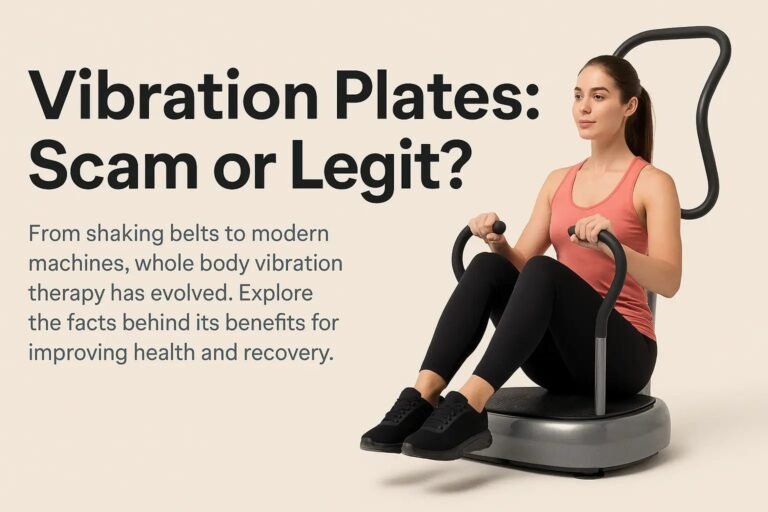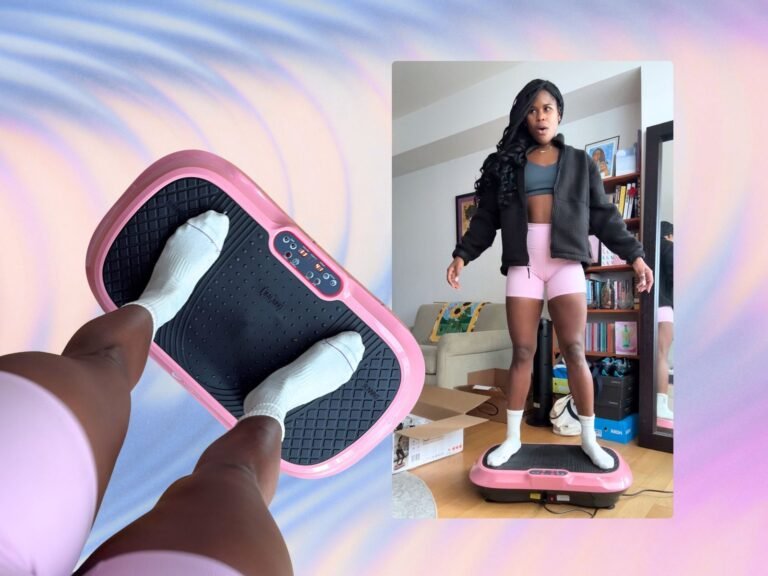
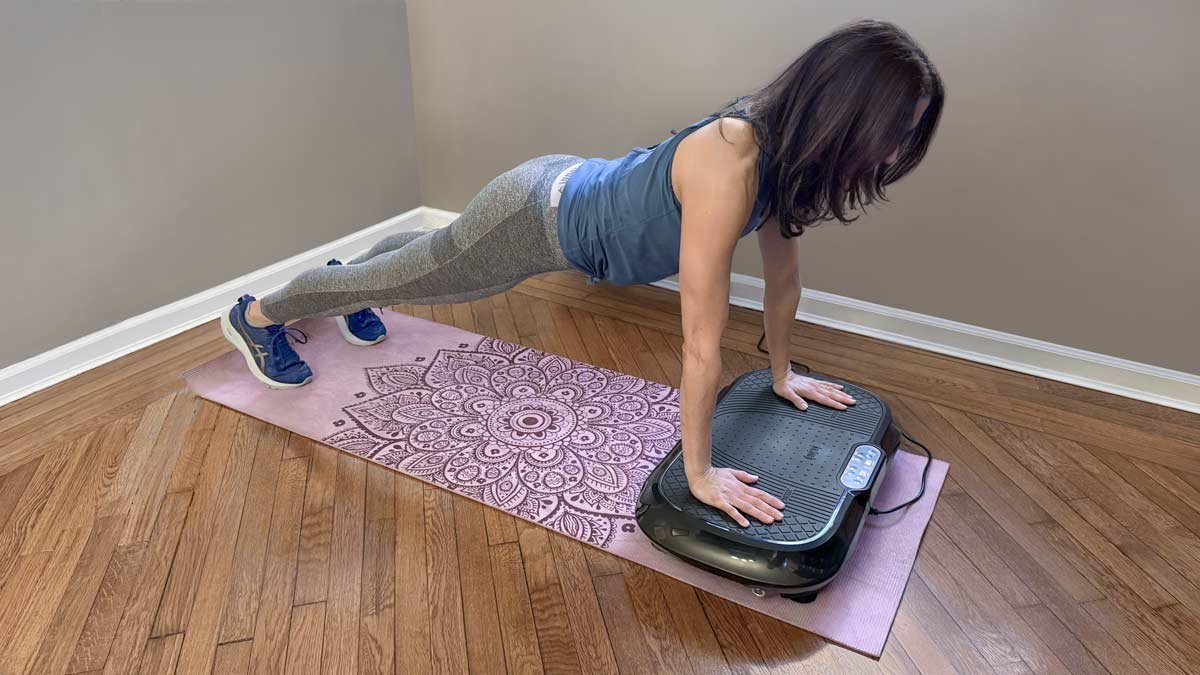
Reddit threads on vibration plates cover four main kinds: whole-body vibration platforms, oscillating plates, sonic vibration plates, and compact mini plates. What separates them is the direction of the movement.
Vibration plate types at a glance
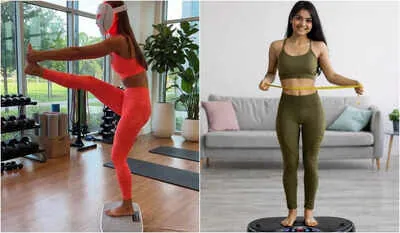
Movement direction is the first thing to check, because it decides which muscles fire and how the plate feels under your feet. The table below puts the four common types side by side.
| Type | Best for | Example |
|---|---|---|
| Oscillating (seesaw) plate | Balance and low-impact standing work | A plate that tilts side to side |
| Vertical (triplanar) plate | Fast whole-body buzzing | A plate that moves up and down only |
| Sonic plate | Gentle, quiet sessions at home | A low-humming plate for apartments |
| Mini plate | Desk and small-space use | A foot-only plate under a desk |
| Pivotal plate | Hip and core rotation work | A plate that rocks front to back |
Oscillating plates
An oscillating plate rocks like a seesaw around a center pivot. The movement is slower and easier to stand on for longer.
- Trains balance because your hips have to correct the tilt
- Feels gentler on the joints than a fast vertical plate
- Works well for standing poses and light squats
- Lets you hold a stretch while the plate moves under you
Standing on an oscillating plate for 10 minutes at a low setting is a common first session.
Vertical vibration plates
A vertical plate moves straight up and down. It suits people who want a fast, intense shake and don’t mind holding on.
- Delivers the most rapid movement per second
- Good for short, intense standing sessions
- Common in gyms and studios
- Easy to overdo on day one
Example: 60 seconds at a mid setting, then 60 seconds rest, repeated 5 times, is a typical beginner round. A vertical plate can move up to 50 times per second, though the exact figure depends on the model.
Sonic vibration plates
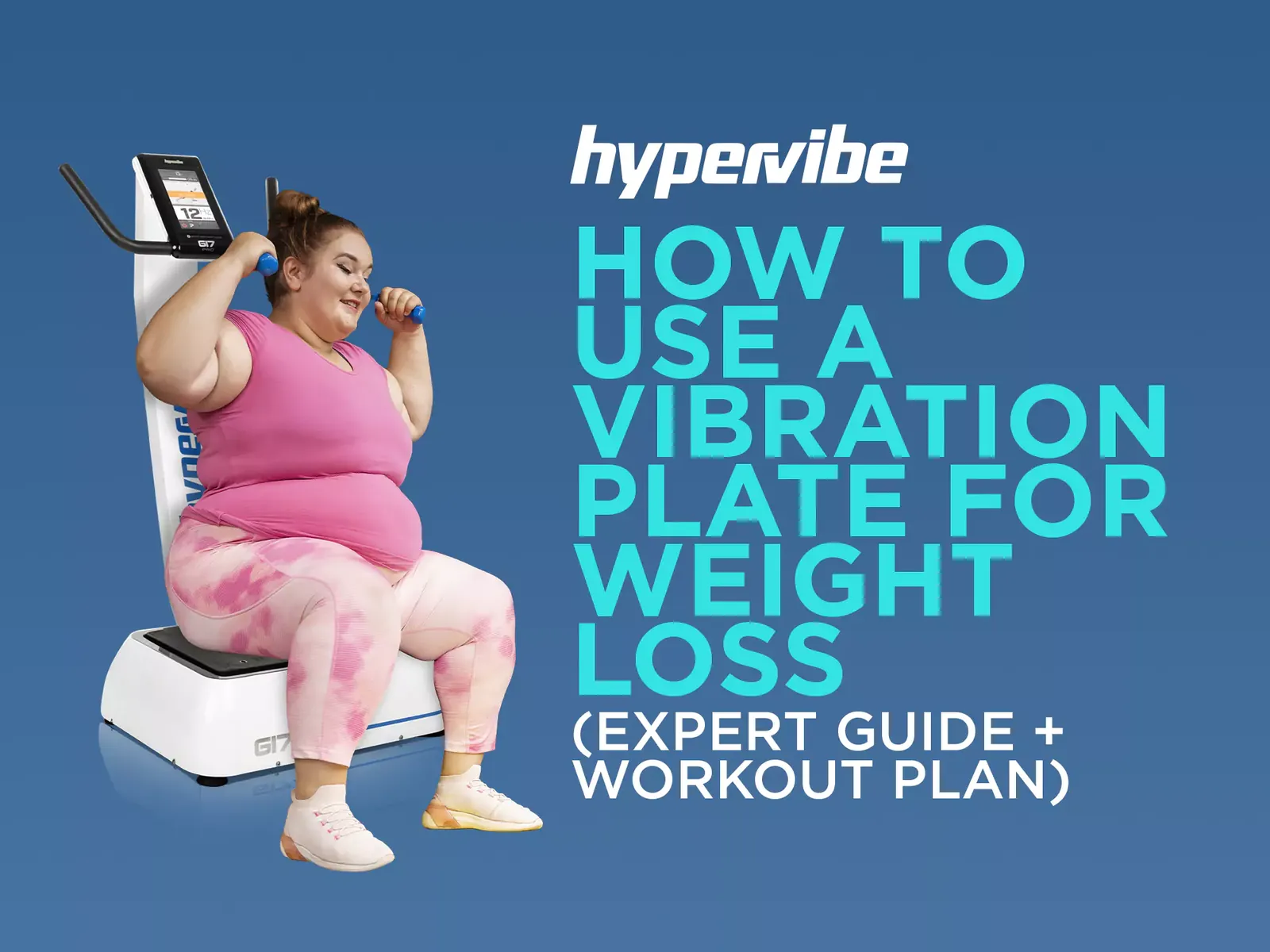
A sonic plate uses a speaker-like motor that hums rather than thumps.
- Quiet enough for shared walls and floors
- Smooth, low-vibration feel underfoot
- Good for longer, gentler sessions
- Less intense than a vertical plate
Example: 15 minutes on a sonic plate at a low setting while watching TV is a realistic home use. If you have a heart condition, are pregnant, or have a recent fracture or joint replacement, talk to your doctor before using any vibration plate.
Mini vibration plates
A mini plate is a small foot-only unit that fits under a desk or beside a chair. It suits people who sit for long hours and want movement without standing up. It won’t train your whole body, but it’s the easiest one to actually use daily.
- Fits in small rooms and under desks
- Easy to use while seated
- Low commitment, low space
- Only works the feet and lower legs
Example: 10 minutes with both feet on a mini plate while answering emails is the common pattern.
Other types worth knowing
Two more types come up often enough to name. They’re less common in home setups.
- Pivotal plates rock front to back instead of side to side, which shifts the work toward your hips and lower back. Pick this one if side-to-side tilt feels awkward.
- Triplanar plates combine up-and-down, side-to-side, and front-to-back motion in one unit. They’re the most complex type and usually the most expensive.
- Commercial-grade plates are built for gyms and studios with heavier frames and longer duty cycles. Reach for one only if you’re running classes, not home sessions.
- Compact folding plates collapse for storage. Good if you live in a small apartment and need to put it away after each use.
How to choose a vibration plate from Reddit reviews
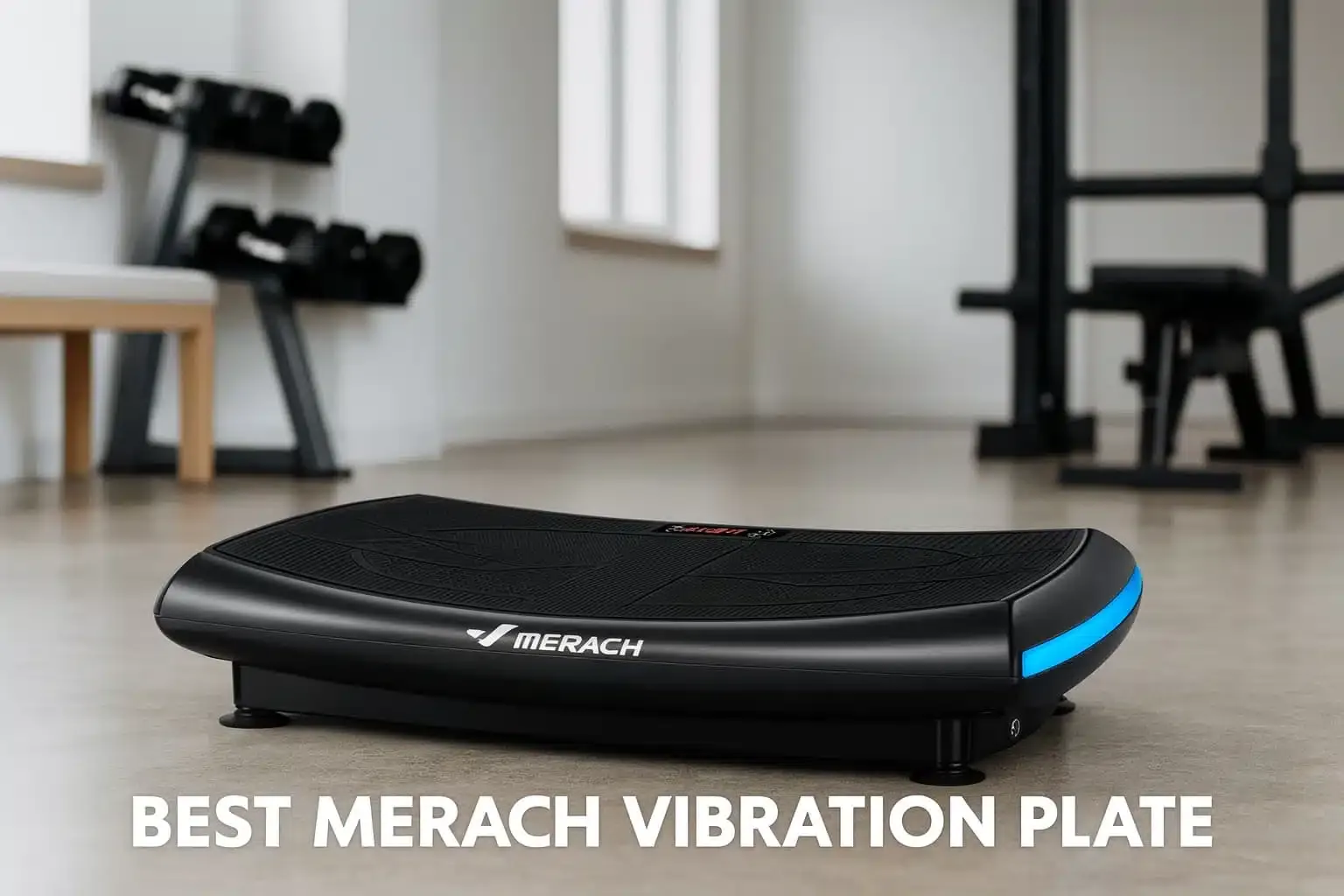
Three things about you settle the choice. First, your space: an oscillating or vertical plate needs a spare corner; a mini plate doesn’t. Second, your joints and balance: if standing on a moving surface feels unsafe, pick a sonic plate. Third, your goal: balance work points to oscillating, intensity points to vertical, quiet home use points to sonic.
Related guides
Frequently asked questions
Can vibration plates help you lose weight?
No, not on their own. A 2017 review in the journal Obesity Reviews found whole-body vibration gave small effects on body fat in some studies, but the evidence was weak. Treat it as a supplement to walking and diet, not a replacement.
Why do my legs feel weird after using one?
The tingling is normal and usually fades within 10 to 20 minutes. It comes from the rapid muscle contractions. If it lasts longer than an hour or comes with pain, stop and see a doctor.
How long should a session be?
Start with 5 to 10 minutes per session, 3 times a week, at a low setting. Build up slowly over 4 to 6 weeks. Longer isn’t better — most home users stay under 20 minutes.
Is it safe to use every day?
For most healthy adults, yes — 10 to 15 minutes daily at a low setting is fine. Skip it on days when you’re sore, and check with your doctor if you have a heart condition, are pregnant, or have a recent injury.
What happens if I use it on the highest setting first?
You’ll likely feel dizzy, sore, or nauseous for a day or two. Start low and short. The highest setting is for people who’ve built up over weeks, not for a first session.
Does it matter which brand I buy?
Less than the type. An oscillating plate from any brand moves the same way. Check the weight limit, the warranty length, and the motor type on the product page before buying.
How long until I notice a difference?
Most people notice better balance or looser muscles within 2 to 4 weeks of regular use. Visible strength or body changes take longer and depend on what else you’re doing.
Can I use it if I have back pain?
Maybe, but ask your doctor or physical therapist first. Vibration can help some backs and aggravate others. Don’t guess with your spine.
Start with one short session
Pick the type that matches your space and body, then do one 5-minute session at the lowest setting today. You’ll know it’s working when your legs feel lightly tired, not shaky or painful. If you feel dizzy, faint, or have chest pain, stop right away and call your doctor.
I am a certified fitness coach with over 10 years of experience helping people improve their strength, endurance, and overall health. Specializes in workout programming, weight training, fat loss, muscle building, home fitness, and evidence-based nutrition.My goal is to make fitness simple and practical through well-researched guides, honest product reviews, and actionable training advice.