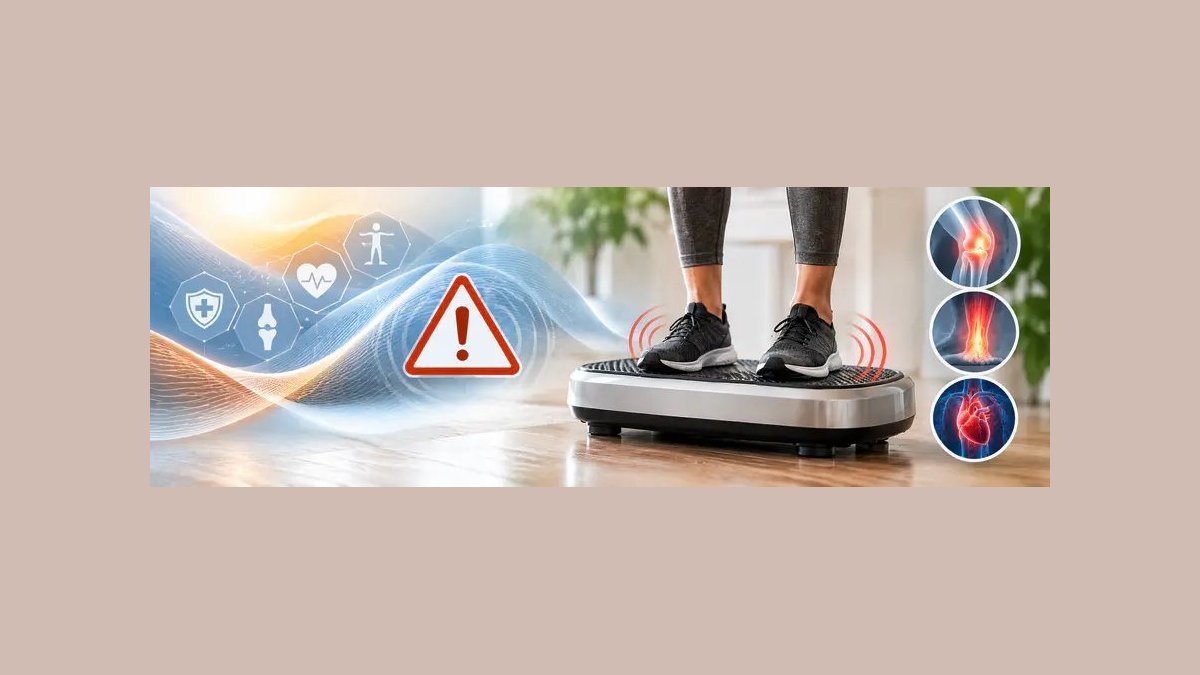
Feeling dizzy on a vibration plate usually comes from standing too long in one position while your muscles fight the platform’s rhythm. Stop the session right now and sit down until the room settles. Then check the clock: if your last session ran past 15 minutes at full speed, that’s your cause.
What your dizziness is telling you

The feeling you get — spinning, light-headed, or a bit seasick — points to one of a few specific things. Start with the table below and match what you noticed to what it usually means.
| What you notice | What it usually means | What to do first |
|---|---|---|
| Dizzy after 10-15 minutes | Session ran too long | Cut to 10 minutes next time |
| Spinning only when you stand up | Blood pressure dip | Stand up slowly, hold a wall |
| Queasy, like motion sickness | Inner ear reacting to vibration | Lower the speed one level |
| Dizzy in the first 2 minutes | Too fast a start | Warm up at the lowest setting |
| Headache plus dizziness | Neck locked, jaw tight | Relax shoulders, chin down |
| Dizzy only on one leg | Balance muscles working hard | Hold the handlebar |
| Fine during, dizzy 10 min after | Dehydration or low food | Drink water, eat something |
| Dizzy every single time | Not the plate — see a doctor | Stop and get checked |
Standing too long in one spot
Your muscles make tiny corrections the whole time the plate shakes. That work pulls blood toward your legs, and your brain gets less of it than it wants. The longer you stand, the worse it gets — most people notice it between 10 and 15 minutes at a moderate setting.
Check it in under a minute: sit down for 5 minutes, then stand up slowly. If the spinning fades, time was the problem. Keep sessions to 10 minutes, or split them into two 5-minute blocks with a sit-down between. You’ll know it worked when you finish without that floaty feeling.
Your blood pressure drops when you step off

The plate vibrates your whole body, and that can widen your blood vessels a little. When you step off and stop moving, your blood pressure dips for a few seconds and your brain notices. This is the same reason some people feel dizzy getting out of a hot bath.
Test it: sit on the edge of the bed for 60 seconds after your session, then stand. If the room spins only in that first moment, it’s blood pressure, not the plate itself. Fix it by stepping off slowly and holding something solid for 30 seconds.
The difference from the first cause is timing — this one hits after you stop, not during.
Inner ear trouble you already had
Your inner ear runs your balance, and strong vibration can confuse it — especially if you’ve had vertigo, an ear infection, or motion sickness before. This one is less common, and it’s the one to take seriously. The Cleveland Clinic’s guide to vertigo explains how the inner ear controls balance and what triggers it.
You can tell it apart from the other two by one thing: the room keeps spinning even after you sit still for 5 minutes. Time and slow standing won’t fix it. If that’s you, stop using the plate until a doctor checks your ears.
When dizziness on a vibration plate means stop
Four signs mean this isn’t a do-it-yourself fix anymore:
- Fainting or near-fainting — your brain wasn’t getting enough blood.
- Chest pain or a racing heart — this needs a doctor today, not next week.
- Dizziness that lasts over an hour — something else is going on.
- Weakness on one side, or slurred speech — call emergency services now.
If you’re pregnant, have a heart condition, or take blood pressure medicine, talk to your doctor before using a vibration plate at all. A physiotherapist or your doctor can check your balance safely — a plate can’t.
Related guides
- Weight Plates Kg Vs Lbs Conversion
- Weight Plates Workout Routines for Beginners at Home
- Best Bumper Plates for Home Gym Reddit Picks 2026: Top Buys
Frequently asked questions
Can a vibration plate make you dizzy?
Yes. Standing still while the plate shakes pulls blood to your legs and taxes your balance system, so your brain gets less blood flow. It’s most common after 10-15 minutes at a moderate or high setting.
Why do I feel dizzy after using a vibration plate?
Your blood pressure often dips for a few seconds after you step off and stop moving. Sit for 60 seconds before standing, and the spinning usually passes within half a minute.
How long should I use a vibration plate if it makes me dizzy?
Start with 5 minutes at the lowest speed. Add 2 minutes per session only if you finish with no dizziness. Most people who feel dizzy are going past 15 minutes.
Is it safe to keep using a vibration plate if I get dizzy?
Not until you know the cause. Stop, rest, and try a shorter session at a lower speed. If dizziness returns at 5 minutes, see a doctor before using the plate again.
What happens if I ignore the dizziness?
You risk a fall, and falls on a moving platform cause real injuries — sprains, fractures, head knocks. Dizziness that keeps happening can also be a sign of a heart or inner ear problem that needs treatment.
Does the speed setting matter for dizziness?
Yes. Higher speeds shake your body harder and faster, so your muscles and inner ear work more. Drop one speed level and see if the dizziness stops — it usually does.
Does it matter if I hold the handlebars?
It helps a lot. Handlebar support takes the balance load off your legs and lowers your fall risk. If you feel unsteady, hold on for the whole session.
How do I know if it’s the plate or something else?
If you’re dizzy only during or right after a session, it’s likely the plate. If you’re dizzy at other times too — getting out of bed, bending down — that’s not the plate. Get it checked.
Conclusion
Vibration plate dizziness is usually a simple timing problem, not a warning sign. Cut your sessions to 10 minutes, step off slowly, and hold the handlebars. If the spinning shows up when you’re nowhere near the plate, that’s your cue to see a doctor.
I am a certified fitness coach with over 10 years of experience helping people improve their strength, endurance, and overall health. Specializes in workout programming, weight training, fat loss, muscle building, home fitness, and evidence-based nutrition.My goal is to make fitness simple and practical through well-researched guides, honest product reviews, and actionable training advice.