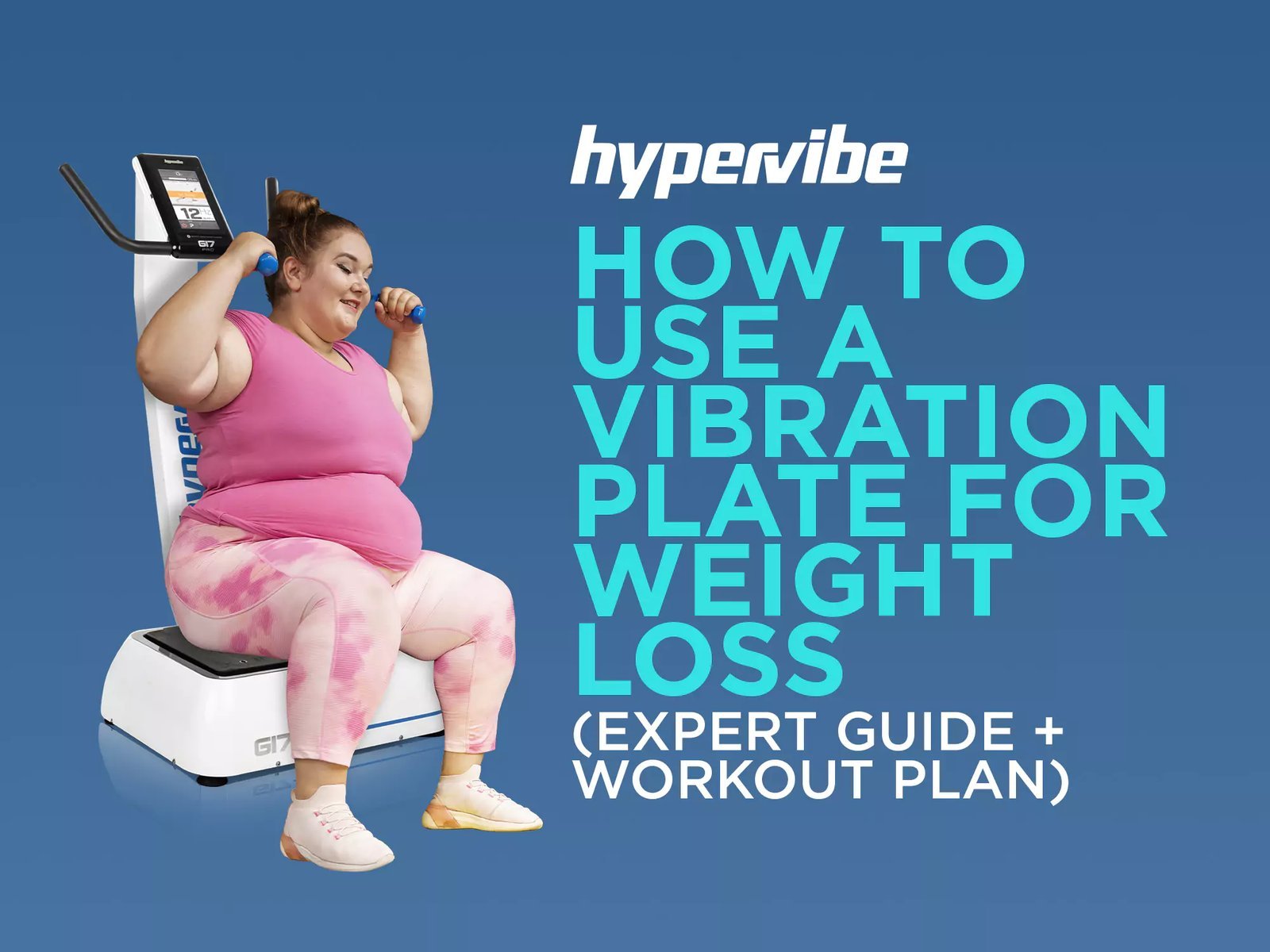
Yes, but only for a few specific results. The vibration plate scientific studies show real gains for balance and bone density in older adults, and small strength gains in trained people. Most fat-loss and cellulite claims have weak or no support.
What changes your result: your age and health, the machine’s settings, and whether you load the movement.
Who should read this

Three kinds of people search this term. The first is someone with a plate at home, or one in their gym, who wants to know if it’s doing anything. They need the honest list of what it can and can’t do.
The second is an older adult worried about balance or bone loss. They need the studies on falls and density, plus the safety rules.
The third is a buyer comparing a plate against a treadmill or weights. They need to know the plate is a supplement, not a replacement.
This page serves the first two best. If you’re shopping for fat loss only, a walking plan and a calorie deficit will do more.
What decides your result
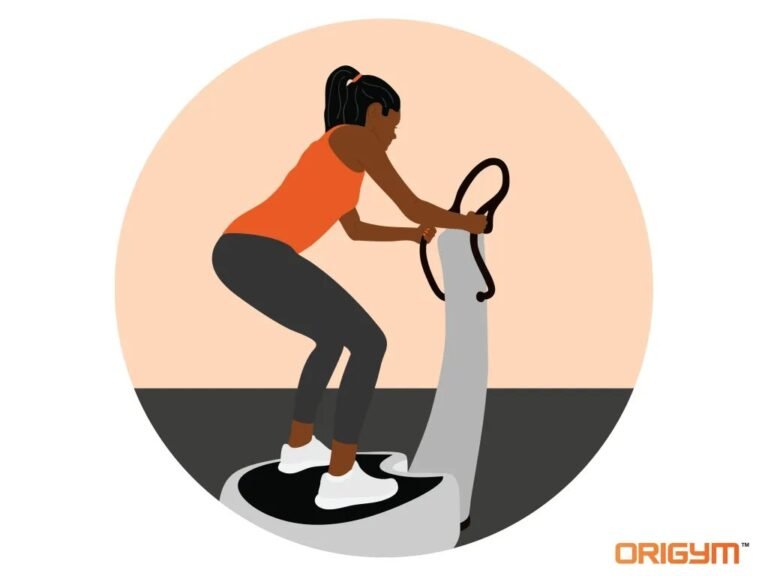
How much you actually load the muscle. Standing still on a plate gives your muscles very little to work against. Squats, lunges and push-ups on the platform add load, and load builds strength.
Your starting point. People with poor balance or low bone density see the clearest changes.
How often you use it. Most published protocols run several sessions a week for 6 to 12 weeks.
Safety screening. This is the one people skip most. If you have a fracture risk, a joint replacement, a pacemaker or you’re pregnant, check with your doctor.
How to use a plate properly
- Read your machine’s manual and note its frequency range in Hz and its amplitude in mm. Write both down before you start.
- Set the plate to a low frequency and low amplitude for your first session. Stay on it for 30 seconds.
- Step off and wait 60 seconds. If you feel fine, do 3 rounds of 30 seconds with 60 seconds rest between them.
- Add 2 or 3 basic moves next session: a squat to a comfortable depth, a static lunge, a calf raise. Do 8 to 12 reps of each.
- Keep your knees soft and your spine tall. Grip a rail or a wall if your balance isn’t steady.
- Build to 3 sessions a week. Keep each session under 15 minutes at first.
- Stop at once if you feel dizzy, get a headache, or feel pain in a joint. Sit down and rest.
- After 6 to 8 weeks, retest one thing you measured at the start, like how long you can stand on one leg.
The judgement call is load. A session where you stand still and chat looks the same as a session with squats, but only one of them gives your muscles a reason to adapt.
If you have a heart condition, a recent fracture, a blood clot risk or you’re pregnant, talk to your doctor before you step on. That’s not a do-it-yourself decision.
Common setups and what they suit
| Your situation | What to do | What it takes | What to watch for |
|---|---|---|---|
| Healthy adult, new to it | Start with 3 short sessions a week | 10-15 min each | Dizziness on day one |
| Older adult, balance focus | Hold a rail, do static poses | 3 sessions weekly | Losing your footing |
| Bone density concern | Ask your doctor first | Medical clearance | Fracture risk |
| Gym member with a plate | Add squats and lunges | 8-12 reps per move | Skipping warm-up |
| Bad knees or hips | Keep the range small | Shorter sessions | Joint pain after |
| Pregnant | Get clearance or skip it | Doctor’s advice | Any discomfort |
| Buying a plate | Check Hz and mm specs | Compare models | Vague spec sheets |
What experienced users get right

They load the movement, not just the machine
Standing on a plate and letting it buzz is the least effective way to use it. People who get results treat the plate as a platform for squats, lunges, push-ups and calf raises. The vibration adds a balance challenge on top of work the muscle already has to do.
They measure one thing and repeat it
Pick a single marker, like how many seconds you can stand on one leg, or how many chair stands you can do in 30 seconds. Retest it at 6 to 8 weeks under the same conditions.
What goes wrong and how to fix it
Most problems come from too much, too soon, or from a setting that doesn’t match the goal.
| What you notice | What it usually means | What to do first | How to stop it happening again |
|---|---|---|---|
| Dizziness or a headache | Session too long or too intense | Stop, sit down, rest | Cut to 30-second rounds |
| Sore knees after | Too much amplitude, poor form | Rest the joint | Lower the setting, soften knees |
| No change after 8 weeks | Standing still, too few sessions | Add loaded moves | Track one marker weekly |
| Tingling in the feet | Long time on the platform | Step off and walk | Cap rounds at 60 seconds |
| Back ache | Locked knees, stiff posture | Reduce range | Keep spine tall, knees soft |
| Bored, stop going | No goal, no progress data | Set one testable target | Retest every 6 to 8 weeks |
What the rules and safety bodies say
Vibration plates aren’t a medical device, so no regulator approves them for treatment. That means the safety advice sits with your doctor, not with a government agency. In the US, the FDA’s medical device guidance explains what counts as a device and what doesn’t, which is why plates are sold as fitness gear.
If you have a pacemaker, a metal implant, a history of clots, a hernia or you’re pregnant, treat the plate as something to clear with a clinician first. A physiotherapist or your family doctor can tell you whether whole-body vibration is safe for your specific condition. That’s the line where this stops being a home decision.
What it costs you
A home plate runs from budget models to commercial units, and prices change often, so check current listings rather than trusting a fixed figure. The bigger cost is time: 3 sessions a week at 15 minutes each is about 45 minutes weekly, plus warm-up.
What moves the cost up: higher amplitude and a stronger motor, a brand name, and extra handles or straps. What moves it down: a basic model, buying used, or using the plate already in your gym. The hidden cost is the one people miss — a plate you don’t use is the most expensive option of all.
Keeping it right afterwards
Store the plate somewhere dry and flat, and keep it unplugged when it’s not in use. Wipe the platform after each session, since sweat and dust both shorten the life of the surface. Check the power cord and the feet every few months.
The sign it needs attention is a change in the vibration itself: a new rattle, a weaker shake, or a platform that feels uneven under your feet. Stop using it and check the manual or contact the maker. Don’t keep training on a plate that feels different from the one you started with.
When a plate is the wrong choice

Skip the plate if you’re pregnant without medical clearance, if you have a pacemaker or a recent fracture, or if you’re recovering from surgery. In those cases, a physiotherapist-led program is the right route, not a home machine.
It’s also the wrong first buy if your goal is weight loss. A walking plan plus a calorie deficit will beat it. And if you have severe balance problems, start with supervised rehab, not a plate in your living room.
Frequently asked questions
Do vibration plates actually work?
For balance, bone density in older adults, and small strength gains, yes. For fat loss and cellulite, the evidence is weak. Results depend on your health, the settings, and whether you load the movement.
How long until I see results?
Most studies run 6 to 12 weeks with several sessions a week. Expect your first measurable change in balance or strength around week 6, assuming you train 3 times weekly.
Is it safe to use every day?
Probably, if sessions are short and you feel fine. Most protocols use 3 sessions a week, not daily. Daily use raises the risk of joint soreness, so start with 3 and build.
Can vibration plates help bone density?
Some studies in postmenopausal women show small gains when paired with other exercise. The effect is modest, and it isn’t a substitute for medication or a doctor’s plan if you have osteoporosis.
Why do I feel dizzy on a vibration plate?
Dizziness usually comes from a session that’s too long or too intense. Step off, sit down, and cut your rounds to 30 seconds. If it keeps happening, see your doctor before continuing.
What happens if I just stand on it?
Very little. Standing still gives your muscles almost nothing to work against. You’ll get a mild balance challenge at best. Add squats, lunges or calf raises to make it count.
Does it matter which setting I use?
Yes. Low frequency with higher amplitude and high frequency with low amplitude do different things. Check your machine’s manual for its range, and match the setting to your goal.
Is it safe during pregnancy?
Only with your doctor’s approval. Whole-body vibration hasn’t been proven safe in pregnancy, so treat it as a decision for your clinician, not a fitness choice.
Start here
Pick one marker you can measure today, like single-leg stand time, and write it down. Expect a small, steady change by week 6 if you train 3 times a week with loaded moves. Stop and call your doctor if you get chest pain, lasting dizziness, or joint pain that doesn’t settle.
I am a certified fitness coach with over 10 years of experience helping people improve their strength, endurance, and overall health. Specializes in workout programming, weight training, fat loss, muscle building, home fitness, and evidence-based nutrition.My goal is to make fitness simple and practical through well-researched guides, honest product reviews, and actionable training advice.