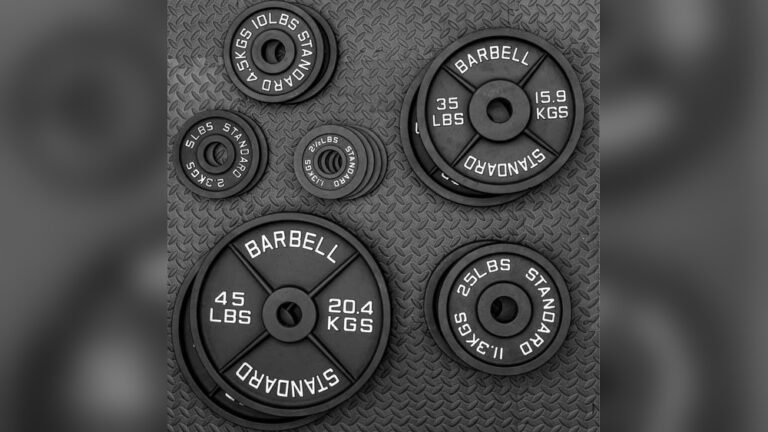
If you’ve just started building your home gym, you’ve probably noticed something confusing: weight plates come marked in either kilograms (kg) or pounds (lbs). Sometimes, you see both units on the same plate. Other times, the plates only have one. This can make it hard to know exactly how much you’re lifting. Understanding the kg vs lbs conversion chart is not just a math skill—it’s a practical tool for safe and effective training. In this guide, you’ll learn everything you need to confidently choose, use, and convert weight plates, no matter the markings.
Why Weight Plate Units Matter
When you buy weight plates, you’ll see two main units: kilograms (kg) and pounds (lbs). Most countries use kilograms, but pounds are common in the US. If you pick up a plate marked “20 kg,” that’s not the same as “20 lbs.” Using the wrong conversion could mean lifting heavier or lighter than you intended. For new home gym owners, knowing the exact weight helps you:
- Set the right goals
- Track your progress
- Avoid injuries from unexpected loads
A simple conversion chart can save you trouble and make workouts safer and more precise.
How To Convert Kg To Lbs (and Vice Versa)
The conversion between kilograms and pounds is straightforward. Here are the formulas:
- To convert kg to lbs: Multiply by 2.2046
- To convert lbs to kg: Divide by 2.2046
For example:
- 10 kg × 2.2046 = 22.046 lbs
- 45 lbs ÷ 2.2046 = 20.41 kg
You don’t need to memorize these formulas. Most home gym owners use a handy chart or calculator. But knowing the math helps, especially if you buy plates from different brands.
Weight Plates Kg Vs Lbs Conversion Chart
Here’s a practical chart showing common weight plate sizes in both kilograms and pounds. This is helpful when mixing plates or comparing sets.
| Kg | Lbs | Common Plate Color |
|---|---|---|
| 1.25 | 2.75 | White |
| 2.5 | 5.5 | Red |
| 5 | 11 | Black |
| 10 | 22 | Green |
| 15 | 33 | Yellow |
| 20 | 44 | Blue |
| 25 | 55 | Red |
| 35 | 77 | Black |
| 45 | 99 | Green |
*Suggested image placement: “Weight plates with both kg and lbs markings” (alt text: “Weight plates showing kilograms and pounds side by side”)*
Understanding Plate Markings
Some weight plates show only kg or only lbs. Others show both. Here’s why:
- European brands usually mark in kilograms.
- US brands tend to use pounds.
- International competitions use kilograms.
If your plates only show one unit, use the chart above or a calculator app. Don’t guess—mismatching weights can lead to injury or poor results.

Credit: www.crossfitlimes.com
Why Conversions Can Matter For Your Workout
Imagine you plan to lift “100 lbs,” but your plates are marked in kilograms. If you put two 20 kg plates on each side (total 80 kg), you’re lifting 176 lbs—not 100 lbs! This mistake is common for beginners and can throw off your workout plan.
Non-obvious tip: It’s easy to miscalculate when mixing plate sizes or brands. Always check your math and use a conversion chart when combining plates.
Most Popular Plate Sizes
Home gym owners often start with these plate sizes:
- 2.5 kg (5.5 lbs)
- 5 kg (11 lbs)
- 10 kg (22 lbs)
- 15 kg (33 lbs)
- 20 kg (44 lbs)
- 25 kg (55 lbs)
- 35 lbs (15.9 kg)
- 45 lbs (20.4 kg)
US plates often come in 2. 5, 5, 10, 25, 35, and 45 lbs. International plates are usually in multiples of 2. 5 kg.
*Suggested image placement: “Stack of weight plates in different sizes and colors” (alt text: “Color-coded weight plates organized by size”)*
Choosing Kg Or Lbs Plates For Your Home Gym
When starting your home gym, you’ll need to decide between kg and lbs plates. Here’s what matters:
- Your Location: If you live in the US, pounds are easier to find. In Europe or Asia, kilograms are standard.
- Consistency: Choose one unit for all plates to make tracking simple.
- Compatibility: Some bars fit only certain plate types, like Olympic (kg) or standard (lbs).
- Training Goals: If you follow international programs, kilograms may fit better.
A common mistake is mixing kg and lbs plates. This makes it harder to track progress, especially if you switch between units often.
Common Mistakes When Using Weight Plates
Many beginners fall into these traps:
- Mixing units: Using both kg and lbs plates in one workout without proper conversion.
- Ignoring bar weight: Forgetting to add the bar weight, which is often in kg or lbs.
- Estimating instead of calculating: Guessing the weight instead of using a chart.
- Assuming all plates are equal: Not all “10 kg” plates weigh exactly 10 kg—manufacturing differences can occur.
Always double-check your math and aim for consistency.

Credit: twkf.gov.tr
Weight Plates Kg Vs Lbs: Which Is Better?
There’s no “best” unit—both kg and lbs plates work well. Here’s a quick comparison:
| Feature | Kg Plates | Lbs Plates |
|---|---|---|
| Standard in competitions | Yes | No |
| Easy to find in US | No | Yes |
| Easy to find outside US | Yes | No |
| Simple progress tracking | Yes (if all plates are kg) | Yes (if all plates are lbs) |
| Plate color coding | Common | Rare |
Non-obvious insight: Color-coded kg plates help you quickly spot the weight, especially in busy gyms or dark rooms.
Practical Tips For Home Gym Owners
If you want your workouts to be safe and effective, follow these practical steps:
- Pick one unit: Stick to either kg or lbs for all your plates.
- Label your plates: If plates are not marked clearly, use stickers or paint.
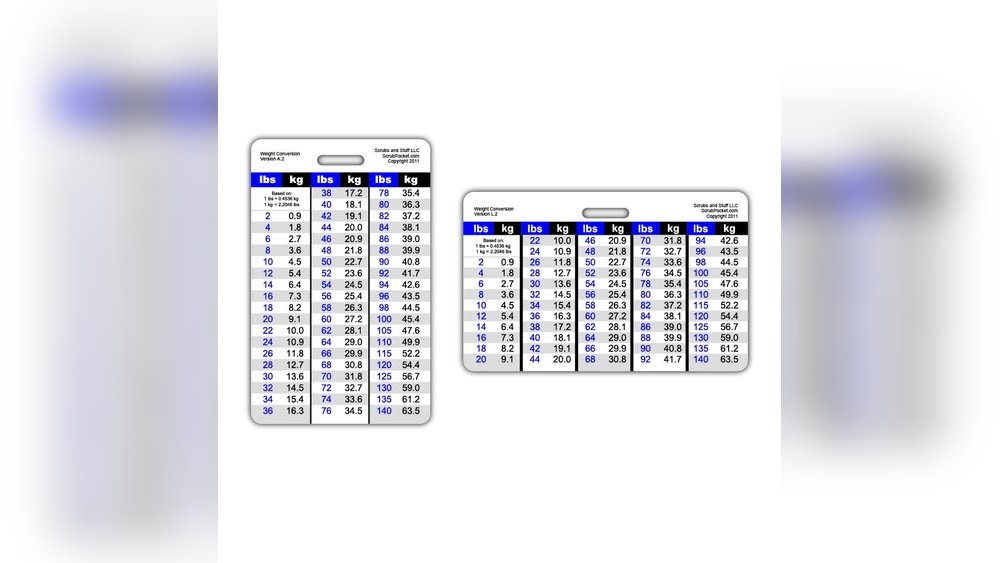
- Print a conversion chart: Keep it on your gym wall for quick reference.
- Use a smartphone calculator: There are free apps for quick conversions.
- Check bar weight: Standard Olympic bars weigh 20 kg (44 lbs). Standard US bars are often 45 lbs.
- Plan your workouts in one unit: If your training plan is in kg, use kg plates.
*Suggested image placement: “Conversion chart posted on a gym wall” (alt text: “Home gym with weight plate conversion chart for easy reference”)*
Real Examples: Mixing Plates In Home Gyms
Let’s say you bought a set of kg plates but later add some lbs plates. Here’s how to mix them safely:
- If you use a 10 kg plate and a 25 lbs plate, first convert one unit:
- 10 kg = 22 lbs
- Total weight = 22 lbs + 25 lbs = 47 lbs
This can get tricky with more plates, so always use a chart or calculator.
A beginner mistake: forgetting to include the bar’s weight. If your bar is 20 kg and you add 40 kg in plates, your total is 60 kg (132 lbs). Many people only count plates, missing the bar entirely.
How Plate Material And Shape Affect Weight
Not all plates are made the same. Standard materials are:
- Cast iron
- Rubber-coated
- Bumper plates (for Olympic lifting)
Each type may have slight differences in weight due to manufacturing. For example, cheap plates may weigh less than marked, especially after years of use.
Shape matters too. Some plates are thicker or larger in diameter, affecting how many you can fit on a bar.
*Suggested image placement: “Different types of weight plates: iron, bumper, rubber” (alt text: “Weight plates in various materials and shapes”)*
Buying Tips For New Home Gym Owners
When choosing weight plates, keep these points in mind:
- Check markings: Ensure plates are clearly marked in kg or lbs.
- Check accuracy: Some brands list the exact weight tested.
- Buy from trusted brands: Better brands mean more accurate weights.
- Choose plates with handles: Easier to grip and move.
- Look for color coding: Makes identification quicker.
- Check compatibility with your bar: Olympic bars need Olympic plates.
Avoid buying plates with faded markings, as these can cause confusion.
Advanced Tips: Planning Your Plate Set
If you’re serious about strength training, plan your plate set with future goals in mind:
- Buy pairs: Always buy plates in pairs for balance.
- Get smaller increments: 1.25 kg (2.5 lbs) plates help with gradual progress.
- Calculate total weight: Make sure your plates plus bar meet your max lift targets.
- Consider storage: Get a rack or stand for easy access.
Non-obvious insight: Having small plates (like 1.25 kg or 2.5 lbs) allows you to increase your lifts gradually, which is key for beginners.

Credit: repfitness.com
Quick Reference Kg Vs Lbs Conversion Table
For fast checks, here’s a simple table covering the most common home gym plate sizes:
| Kilograms | Pounds |
|---|---|
| 1 kg | 2.2 lbs |
| 2 kg | 4.4 lbs |
| 5 kg | 11 lbs |
| 10 kg | 22 lbs |
| 15 kg | 33 lbs |
| 20 kg | 44 lbs |
| 25 kg | 55 lbs |
| 50 kg | 110 lbs |
*Suggested image placement: “Quick reference chart for kg and lbs” (alt text: “Conversion chart for weight plates in kilograms and pounds”)*
Where To Find Reliable Conversion Tools
If you want more tools, you can use online calculators or official charts. For example, the Wikipedia page on pounds gives detailed information about conversions and history.
Motivating Takeaways For Home Gym Owners
Building your home gym is a big step. Understanding weight plates kg vs lbs conversion helps you train smarter and safer. Choose one unit, use clear markings, and keep a conversion chart handy. Avoid mixing units unless you’re confident in your math. Remember, small details like plate accuracy and bar weight can make a big difference in your progress.
As you gain experience, you’ll find that tracking your lifts becomes easier, and your results will improve. Don’t let unit confusion slow you down. With this guide—and a good conversion chart—you’re ready to lift confidently and reach your goals.
I am a certified fitness coach with over 10 years of experience helping people improve their strength, endurance, and overall health. Specializes in workout programming, weight training, fat loss, muscle building, home fitness, and evidence-based nutrition.My goal is to make fitness simple and practical through well-researched guides, honest product reviews, and actionable training advice.