Setting up a home gym can feel exciting but also a bit confusing, especially when you’re choosing your first set of weight plates. You may have seen many types—rubber, steel, bumper, iron, Olympic, standard—and wondered, “What are the different types of weight plates explained simply?
” Picking the right plates is important for your workouts, safety, and long-term satisfaction. This guide will break down each type, show how they compare, and help you avoid common mistakes. By the end, you’ll feel confident walking into any fitness store or ordering online.
Why Understanding Weight Plates Matters
Many beginners buy the cheapest plates or the first set they see. But not all weight plates are the same. The type you pick affects:
- Your safety during lifts
- Noise and floor protection
- How much you can lift
- How long your gear lasts
Making a smart choice saves money and keeps your gym enjoyable.
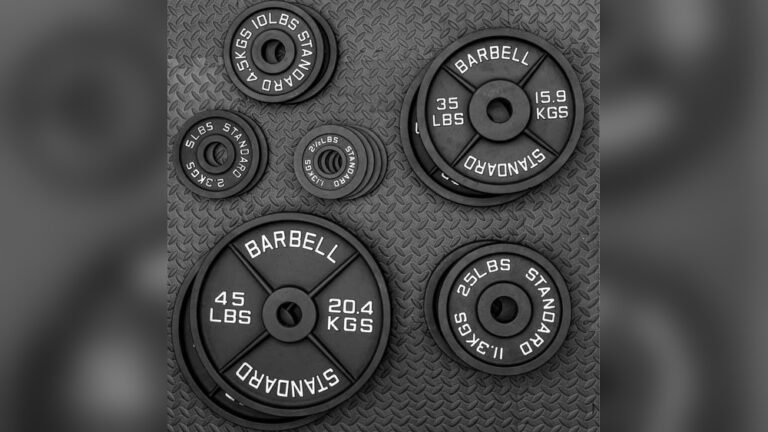
> _Image suggestion: A variety of weight plates (iron, rubber, bumper, Olympic) laid out on a gym floor_
> Alt Text: Different Weight Plate Types For Home Gyms
Basic Weight Plate Designs
All weight plates share one main goal: add resistance to your barbell or dumbbell. But their designs fit different needs.
Standard Plates
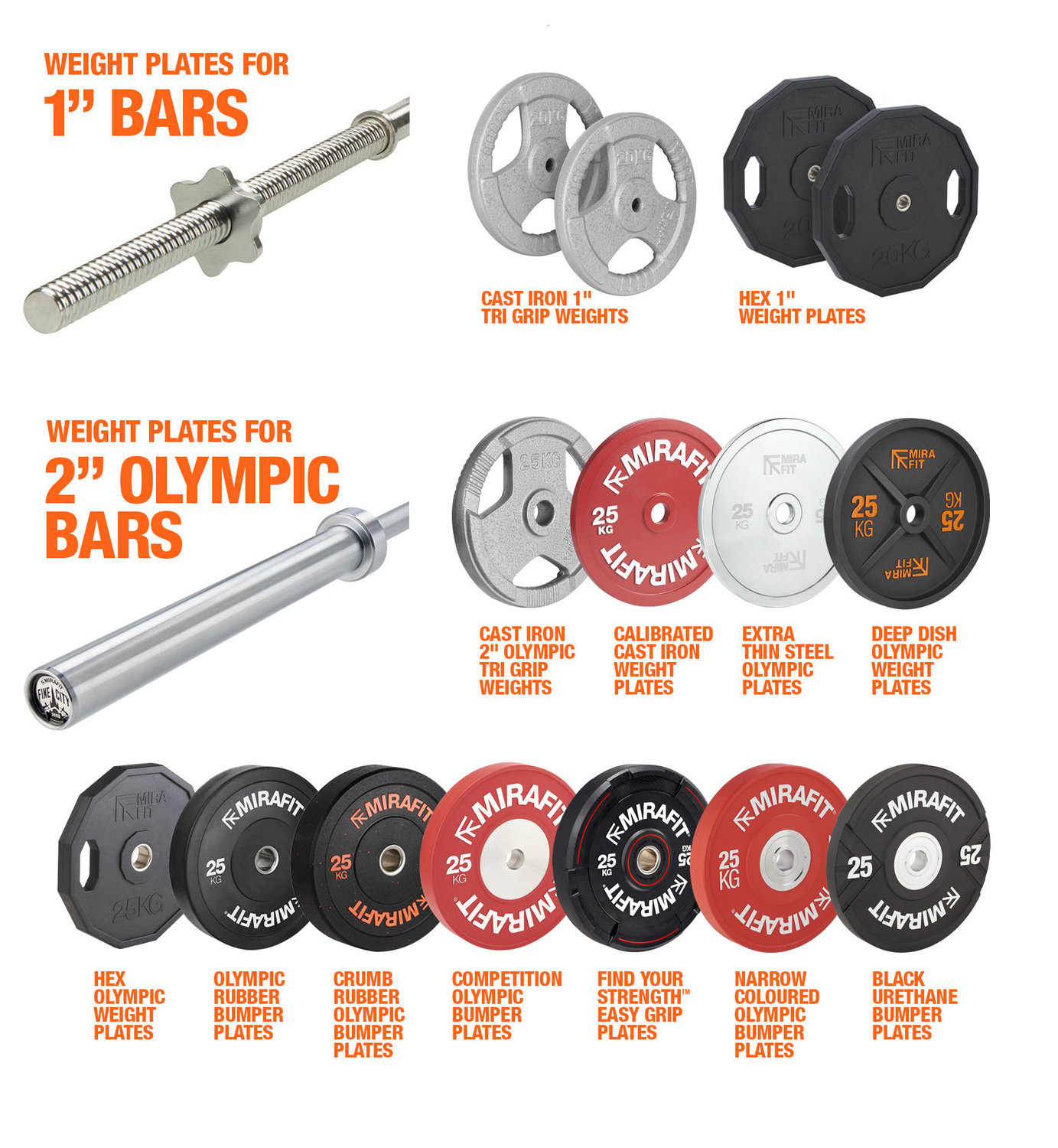
Standard plates have a 1-inch (25mm) hole in the center. They fit on standard bars (not Olympic) and are usually found in beginner or budget home gyms.
- Common weights: 2.5, 5, 10, 25, 35, and 50 pounds
- Material: Cast iron, sometimes coated with enamel or rubber
- Best for: Light strength training, small spaces
Example: You buy a basic barbell set at a chain store—the plates are usually standard size.
Olympic Plates
Olympic plates have a 2-inch (50mm) hole and fit on Olympic bars (the type used in competitions and most commercial gyms).
- Common weights: 2.5, 5, 10, 25, 35, 45 pounds (and metric equivalents)
- Material: Iron, steel, or rubber-coated
- Best for: Heavy lifting, advanced training, most home gyms
Olympic plates are more stable and less likely to shift on the bar.
Image suggestion: Close-up of a hand loading an Olympic plate onto a barbell
Alt text: Loading an Olympic weight plate onto a barbell
Types Of Weight Plates By Material
Choosing the right material can impact your lifting experience, home safety, and maintenance.
Cast Iron Plates
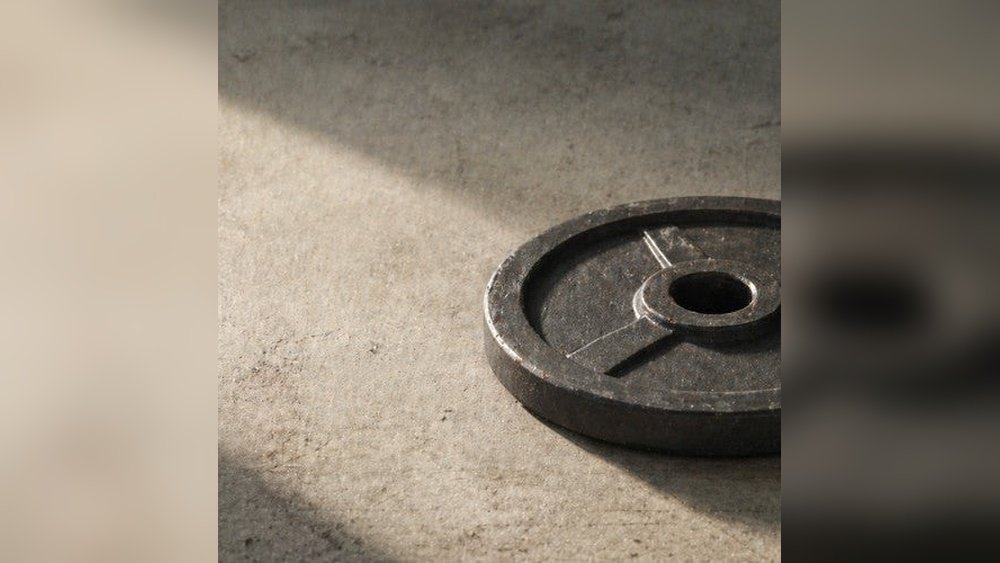
Cast iron plates are the classic weight plate. They’re strong, last for decades, and are usually the most affordable.
Pros:
- Very durable
- Compact size
- Low cost
Cons:
- Noisy when dropped
- Can damage floors
- Prone to rust if not cared for
Rubber-coated Plates
Rubber-coated weight plates have a layer of rubber around the iron core. They’re much quieter and safer for home use.
Pros:
- Quieter lifts
- Protect floors
- Resist rust
Cons:
- Slightly more expensive
- Can smell when new
Tip: Air out rubber plates outside before first use to reduce odor.
Bumper Plates
Bumper plates are made of thick, solid rubber. They’re designed for Olympic lifts where you drop the bar from overhead.
Pros:
- Safe to drop on the floor
- All plates have same diameter for safe lifting
- Protects barbell and floor
Cons:
- Take up more space on the bar
- Usually more costly
Example: If you plan to do deadlifts, cleans, or snatches, bumper plates are ideal.
Image suggestion: Stack of colorful bumper plates in a garage gym
Alt text: Bumper plates stacked for Olympic lifting
Urethane-coated Plates
Urethane plates use a premium plastic coating, making them even tougher than rubber.
Pros:
- Best durability
- No smell
- Fade and chip-resistant
Cons:
- Highest cost
- Harder to find in entry-level sets
Comparing Key Weight Plate Types
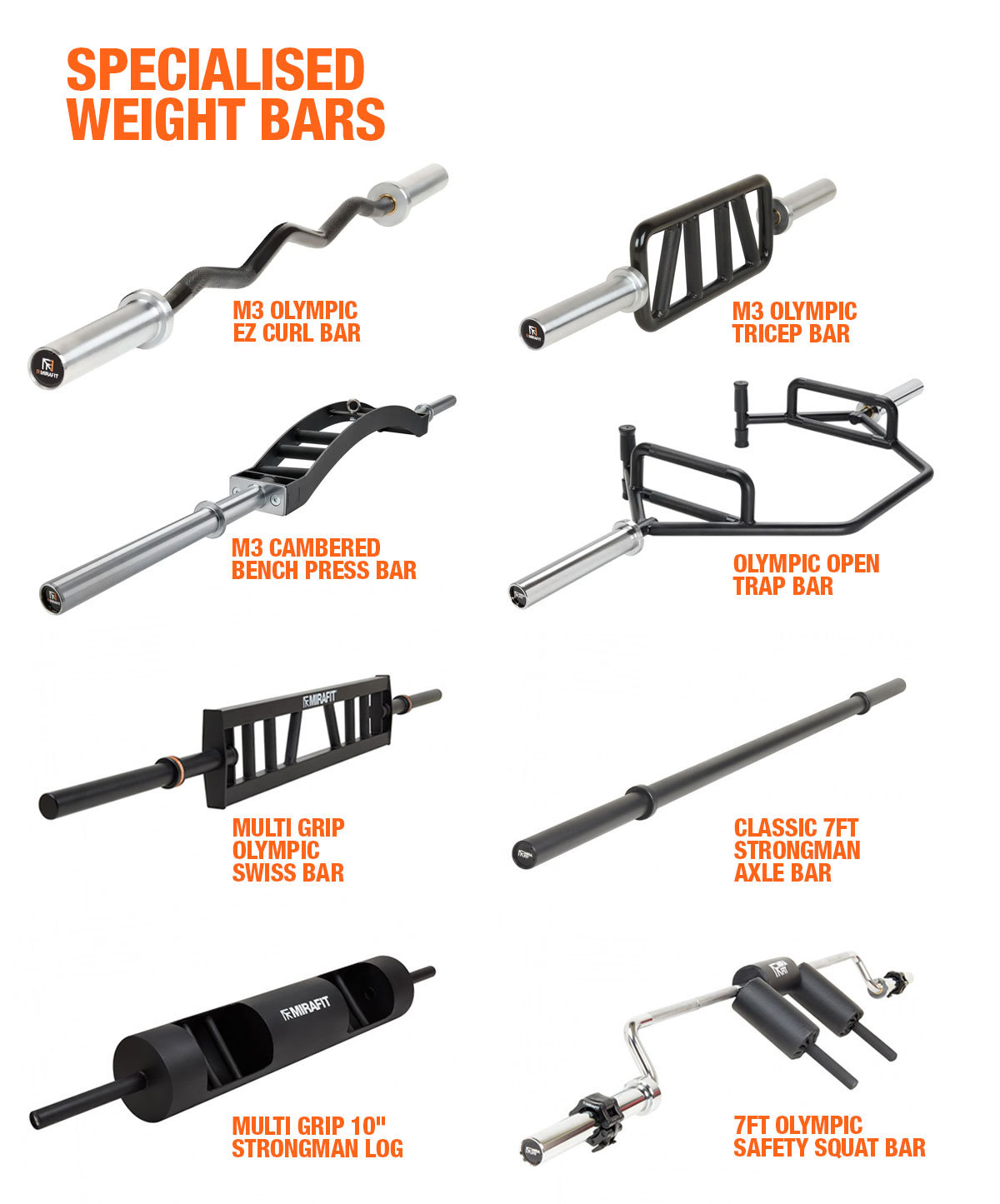
Here’s a quick visual comparison to help you see the main differences:
| Type | Main Material | Noise Level | Floor Protection | Best For |
|---|---|---|---|---|
| Cast Iron | Iron | Loud | Low | Budget, basic lifting |
| Rubber-Coated | Iron + Rubber | Medium | Medium | Home gyms, safety |
| Bumper | Solid Rubber | Low | High | Olympic lifting, garage gyms |
| Urethane | Iron + Urethane | Low | High | Pro gyms, longevity |
Credit: mirafit.co.uk
Specialty Weight Plates
Some weight plates are designed for unique needs or advanced training.
Fractional Plates
Fractional plates are very light (0.25–1 kg or 0.25–2.5 lbs). They let you increase the barbell weight by tiny amounts—great for breaking through strength plateaus.
Tip: Many home gym owners skip these, but they are invaluable for steady progress, especially in presses or Olympic lifts.
Grip Plates
Grip plates have holes or handles molded into them. This makes loading and carrying much easier, and you can use them for exercises without a bar.
Example: Use grip plates for weighted lunges or plate raises.
Technique Plates
Technique plates are lightweight but have the same diameter as bumper plates. They’re made from plastic or light rubber, helping beginners learn form without heavy weight.
When to use: If you’re teaching kids or practicing Olympic lifts safely.
Choosing The Right Weight Plates For Your Home Gym
Every home gym is different. The best weight plates depend on your goals, space, and budget.
Key Factors To Consider
- Barbell type: Olympic bars need Olympic plates. Standard bars need standard plates.
- Training style: If you do CrossFit or Olympic lifts, choose bumper plates.
- Budget: Iron plates cost less, but rubber or urethane last longer and protect your space.
- Space: Rubber and bumper plates are bigger; iron plates are more compact.
- Noise: Rubber and bumper plates are much quieter for home use.
Common Home Gym Mistakes To Avoid
- Mixing standard and Olympic plates or bars (they’re not compatible)
- Buying only large plates (smaller plates are needed for gradual progress)
- Skipping floor protection—iron plates can crack concrete or tile
- Not checking your bar’s weight capacity before loading heavy plates
Practical Examples: Which Plates For Which Lifters?
- Beginner lifter (basic strength): Standard or rubber-coated Olympic plates, with pairs from 2.5 lbs to 25 lbs.
- Intermediate lifter (bench, squat, deadlift): Full set of Olympic plates, at least two 45 lb pairs, plus small increment plates.
- Olympic weightlifter: Set of bumper plates, fractional plates, and a strong Olympic bar.
- Small apartment gym: Rubber or urethane plates, focus on quiet and compact design.
How Many Plates Do You Need?
Most home gyms can start with:
- Two 45 lb plates
- Two 25 lb plates
- Two 10 lb plates
- Two 5 lb plates
- Two 2.5 lb plates
This allows for most exercises and smooth weight jumps. Add more as you get stronger.
Weight Plate Size And Thickness Comparison
Sometimes, the same weight plate can have a different thickness depending on its material and brand. This matters if you plan to lift very heavy—thick plates fill the bar faster.
| Weight | Cast Iron Plate Thickness | Bumper Plate Thickness | Urethane Plate Thickness |
|---|---|---|---|
| 45 lbs | 1.2 in | 2.8 in | 1.3 in |
| 25 lbs | 1.0 in | 2.0 in | 1.1 in |
| 10 lbs | 0.8 in | 1.0 in | 0.9 in |
Tip: If you’re aiming to deadlift 400 lbs or more, check the bar length and plate thickness to ensure all plates fit.
Understanding Plate Accuracy And Calibration
Not all weight plates are exactly the weight shown on the label. Standard home gym plates can be off by 2–5%. Competition or “calibrated” plates are much more accurate but cost more.
- Regular plates: May weigh a bit more or less than stated (affects progress for advanced lifters)
- Calibrated plates: Precise within a few grams, used for powerlifting and Olympic competitions
For most home gyms, a small difference is fine, but if you want exact numbers, look for calibrated plates.

Credit: www.menshealth.com
Cleaning And Maintaining Weight Plates
Taking care of your plates keeps them safe and looking good.
- Wipe down regularly with a damp cloth (especially rubber plates)
- Store on racks or stands to prevent rust or damage
- Avoid leaving outside—moisture causes iron plates to rust quickly
Non-obvious tip: Use silicone spray (not WD-40) on iron or rubber plates to prevent rust and maintain shine.
Where To Buy Quality Weight Plates
Buy from trusted fitness stores or reputable online sellers. Avoid secondhand plates with cracks or deep rust. Read reviews and check for warranty. For a deeper understanding, see the Wikipedia weight plate article.
Credit: mirafit.co.uk
Key Takeaways For Home Gym Owners
- Choose Olympic plates for most home gyms—they offer the best long-term flexibility.
- Rubber or bumper plates protect your floors, reduce noise, and last longer—ideal for apartments or shared homes.
- Include small increment plates for steady, safe strength gains.
- Check bar and plate compatibility before buying.
- Invest in a few quality plates rather than a large set of low-quality gear.
> _Image suggestion: Home gym setup with rubber bumper plates and a sturdy barbell on a lifting platform_
> Alt text: Home gym with bumper plates and barbell on floor
Building your home gym is a journey. By understanding the different types of weight plates, you’ll make smart choices, avoid common mistakes, and enjoy safer, more effective training for years. Your strength journey starts with the right foundation.
I am a certified fitness coach with over 10 years of experience helping people improve their strength, endurance, and overall health. Specializes in workout programming, weight training, fat loss, muscle building, home fitness, and evidence-based nutrition.My goal is to make fitness simple and practical through well-researched guides, honest product reviews, and actionable training advice.