Setting up a home gym can be exciting, but choosing the right weight plates is often confusing for beginners. Understanding the weight plates size chart kg lbs Olympic standard is essential if you want to make smart choices, save money, and train safely. Whether you want to lift for strength, fitness, or just to stay active, the plates you buy will shape your workouts for years.
Let’s break down everything you need to know about weight plate sizes, differences between kilograms and pounds, and how to read Olympic standard charts—so you buy the right plates from the start.
Why Weight Plate Size Matters For Home Gyms
The size and type of weight plates you choose will affect your workouts, equipment compatibility, and even storage space. Home gym owners sometimes buy random plates without thinking about:
- Barbell fit (hole diameter)
- Plate diameter and thickness
- Weight accuracy
- Ease of handling
- Future upgrade options
A little knowledge now will save you time, frustration, and money later.
*[Image suggestion: A photo of Olympic weight plates in various sizes, stacked on a rack. Alt text: “Different Olympic weight plates in kg and lbs”]*
Understanding The Main Types: Standard Vs. Olympic Plates
Before looking at size charts, you should know the two main types of weight plates:
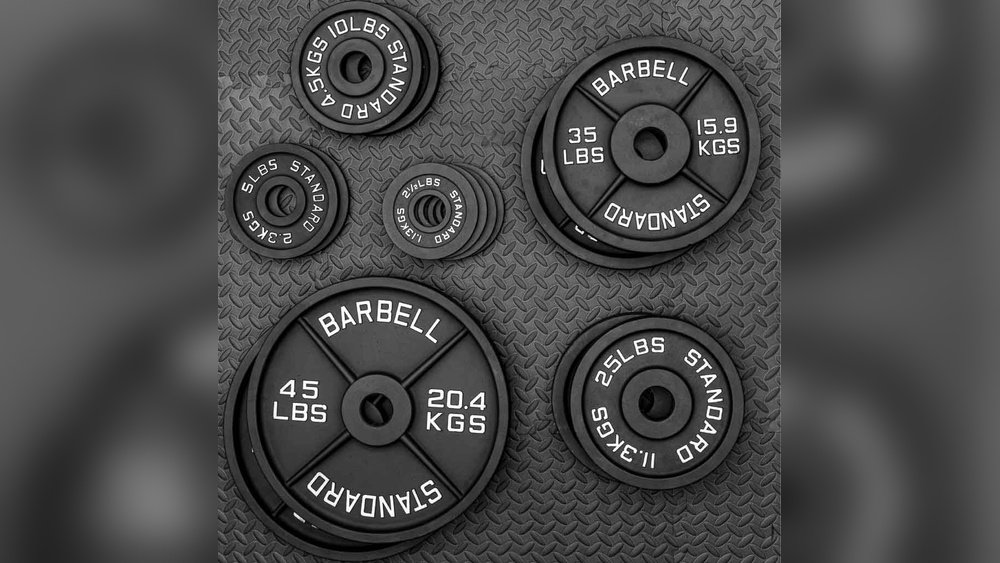
- Standard plates: Usually have a 1-inch (25mm) center hole. Common in older or very basic home gyms.
- Olympic plates: Feature a 2-inch (50.4mm) center hole and are the worldwide standard for commercial gyms and competitions.
Olympic plates are generally recommended for home gyms because:
- More stable on the barbell
- Easier to find new or used
- Work with most modern gym equipment
- Available in higher weights
Standard plates can be cheaper, but they limit your options as you get stronger.
The Basics: Kilograms Vs Pounds
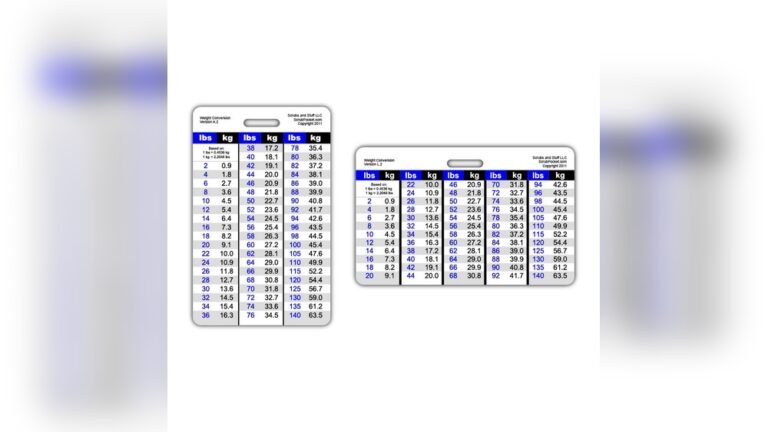
Weight plates are labeled in either kilograms (kg) or pounds (lbs), depending on where you live and the manufacturer. Mixing both types can be confusing and can easily lead to mistakes in your workout.
- 1 kg = 2.204 lbs (roughly)
- Most U.S. plates use pounds
- Most international/Olympic plates use kilograms
It’s a good idea to choose one system and stick to it. If you already own a barbell or some plates, buy more in the same unit to avoid mistakes.
Common Olympic Weight Plate Sizes (kg And Lbs)
Olympic plates come in a range of sizes, each with a standard diameter and thickness. Here’s a quick look at the most common plates you’ll see:
Olympic Weight Plate Sizes In Kilograms
| Weight (kg) | Diameter (mm) | Thickness (mm) | Color (Competition) |
|---|---|---|---|
| 1.25 | 160 | 15 | Usually None |
| 2.5 | 190 | 18 | Usually None |
| 5 | 230 | 24 | White |
| 10 | 325 | 32 | Green |
| 15 | 400 | 36 | Yellow |
| 20 | 450 | 42 | Blue |
| 25 | 450 | 53 | Red |
Olympic Weight Plate Sizes In Pounds
| Weight (lbs) | Diameter (inches) | Thickness (inches) |
|---|---|---|
| 2.5 | 5.5 | 0.4 |
| 5 | 6.9 | 0.6 |
| 10 | 7.8 | 0.9 |
| 25 | 11.2 | 1.1 |
| 35 | 14.0 | 1.3 |
| 45 | 17.7 | 1.5 |
Note: Exact sizes can vary slightly by brand, but these measurements cover the main standards.
*[Image suggestion: Close-up of a 20kg blue Olympic plate showing size markings. Alt text: “20kg blue Olympic weight plate with size marking”]*
Color Coding For Easy Identification
Many Olympic standard plates use color coding, especially in competitions. This makes it quick and easy to see how much weight is on the bar.
Standard color codes:
- Red: 25 kg (55 lbs)
- Blue: 20 kg (44 lbs)
- Yellow: 15 kg (33 lbs)
- Green: 10 kg (22 lbs)
- White: 5 kg (11 lbs)
Smaller plates or non-competition plates often use black or uncolored designs.
Bumper Plates Vs Iron Plates
You’ll see two main types of Olympic plates:
- Bumper plates: Made of dense rubber, all the same diameter (usually 450mm/17.7 in), safe for dropping during Olympic lifts.
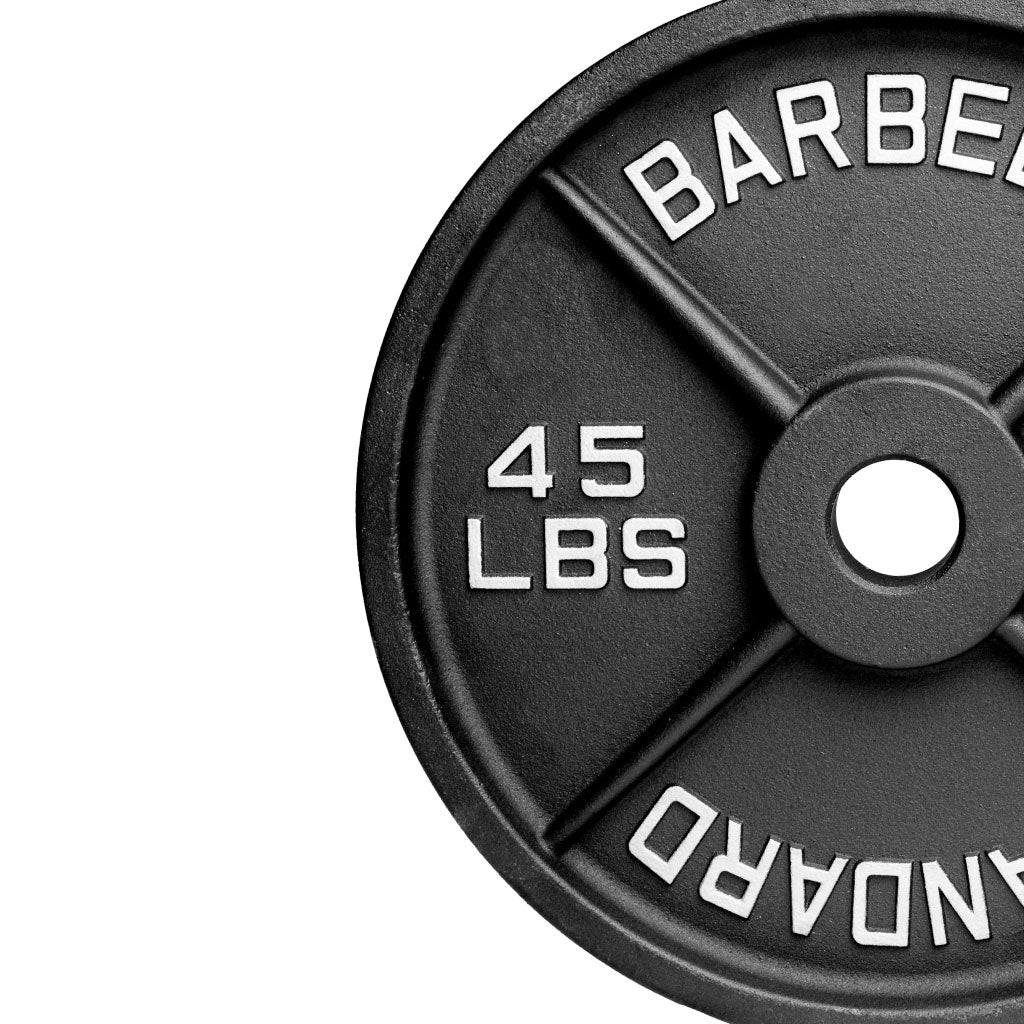
- Iron or steel plates: Usually smaller in diameter except for 20 kg/45 lb, not designed for dropping.
Bumper plates are ideal if you do deadlifts, cleans, or snatches, as they protect your floor and equipment. Iron plates are cheaper and more compact, but not safe for dropping from a height.
Credit: barbellstandard.com
How To Read A Weight Plates Size Chart (kg/lbs Olympic Standard)
When you look at a weight plates size chart kg lbs Olympic standard, focus on these key details:
- Weight: Check both kg and lbs columns to avoid mixing.
- Diameter: Olympic bumpers are always 450mm (17.7 in), but metal plates can be smaller.
- Thickness: Thicker plates limit how many fit on a barbell—important if you plan to lift heavy.
- Hole size: Olympic is 50.4mm (2 in). Standard is 25mm (1 in).
Here’s a quick comparison of how much weight you can fit on a standard Olympic bar:
| Plate Type | Max Plates Per Side | Total Plate Weight |
|---|---|---|
| Bumper (20kg) | 4 | 160 kg (352 lbs) |
| Iron (20kg) | 6 | 240 kg (529 lbs) |
*This shows why thinner iron plates are preferred for very heavy lifts, but bumpers are better for floor safety. *
Choosing The Right Weight Plates For Your Home Gym
Start by answering these questions:
- What lifts do you want to do? (Olympic, powerlifting, general fitness)
- How strong are you now, and what’s your goal?
- Do you have a solid floor or need floor protection?
- Is space a big concern for you?
Most home gym owners should start with:
- A pair of 20kg/45lb plates
- A pair of 10kg/25lb plates
- A pair of 5kg/10lb plates
- At least one pair of smaller change plates (2.5kg/5lb and 1.25kg/2.5lb)
This allows for gradual weight increases, which is important for progress and safety.

Credit: dumbbellsdirect.com
Common Mistakes Beginners Make
- Mixing standard and Olympic plates: They’re not compatible. Always check the hole size.
- Buying only big plates: You’ll struggle to make small increases. Change plates (1.25kg/2.5lb) are essential for steady progress.
- Ignoring plate thickness: If you want to deadlift heavy, thick bumper plates may fill the bar before reaching your target weight.
- Choosing random brands: Cheap plates can be poorly sized and off-weight, making your lifts harder to track.
- Not checking unit labels: Mixing kg and lbs causes confusion and possible injury.
Practical Tips For Buying Weight Plates
- Stick to one type: Olympic is best for most home gyms.
- Buy in sets: Sets are cheaper and ensure you get pairs.
- Read reviews: Look for accurate weight and solid construction.
- Check the return policy: In case the plates don’t fit your barbell.
- Plan for the future: Buy enough plates to let you grow stronger over time.
If you’re unsure about a brand or need technical details, the Wikipedia page on weight plates has more background.
Practical Examples For Home Gym Owners
- Beginner lifter: Two 20kg plates, two 10kg, two 5kg, and four 2.5kg plates let you load 70kg (154 lbs) in small steps.
- Intermediate lifter: Add two 25kg (or 55lb) plates to reach 120kg+ (265 lbs) easily.
- Olympic lifter: Use bumper plates in color-coded sets for fast loading and safe drops.
*[Image suggestion: Home gym with bumper and iron plates stored neatly. Alt text: “Home gym with organized bumper and iron weight plates”]*
Non-obvious Insights Beginners Miss
- Not all 20kg/45lb plates are the same thickness. Cheap bumpers can be up to 20% thicker, limiting how much you can load. Always check thickness if you plan to lift heavy.
- Plates can be off by up to 5% in cheap brands. This means your 20kg plate might actually weigh 21kg or 19kg, affecting your progress. Look for “calibrated” plates if you want accuracy.
Storing And Handling Plates Safely
- Use a plate tree or wall rack to keep your plates off the floor.
- Store heavy plates at the bottom, lighter plates at the top.
- Always check that plates are secure on the bar before lifting.
- Clean rubber plates with mild soap; avoid harsh chemicals.
Motivating Yourself To Train Consistently
Having the right plates makes workouts safer and more enjoyable. With a solid set of plates, you can focus on your training—not equipment problems.
- Visual progress: Adding plates to your bar is motivating.
- Easy adjustments: Change plates let you increase weight gradually.
- Confidence: Knowing your equipment matches Olympic standards builds trust in your setup.

Credit: www.gdr-architecten.be
Final Thoughts
Getting the right weight plates size chart kg lbs Olympic standard information helps you make smart choices for your home gym. Focus on Olympic plates, stick to one measurement system, and buy a range of sizes for flexibility. Check thickness, accuracy, and make sure your plates fit your barbell. Avoid common mistakes, and your training will be safer and more effective for years to come.
Setting up your gym is an investment in your health and strength. With the right knowledge, you’ll avoid expensive mistakes and enjoy lifting every session. Start with a basic set, learn as you go, and upgrade as your goals grow—you’ll thank yourself later.
I am a certified fitness coach with over 10 years of experience helping people improve their strength, endurance, and overall health. Specializes in workout programming, weight training, fat loss, muscle building, home fitness, and evidence-based nutrition.My goal is to make fitness simple and practical through well-researched guides, honest product reviews, and actionable training advice.