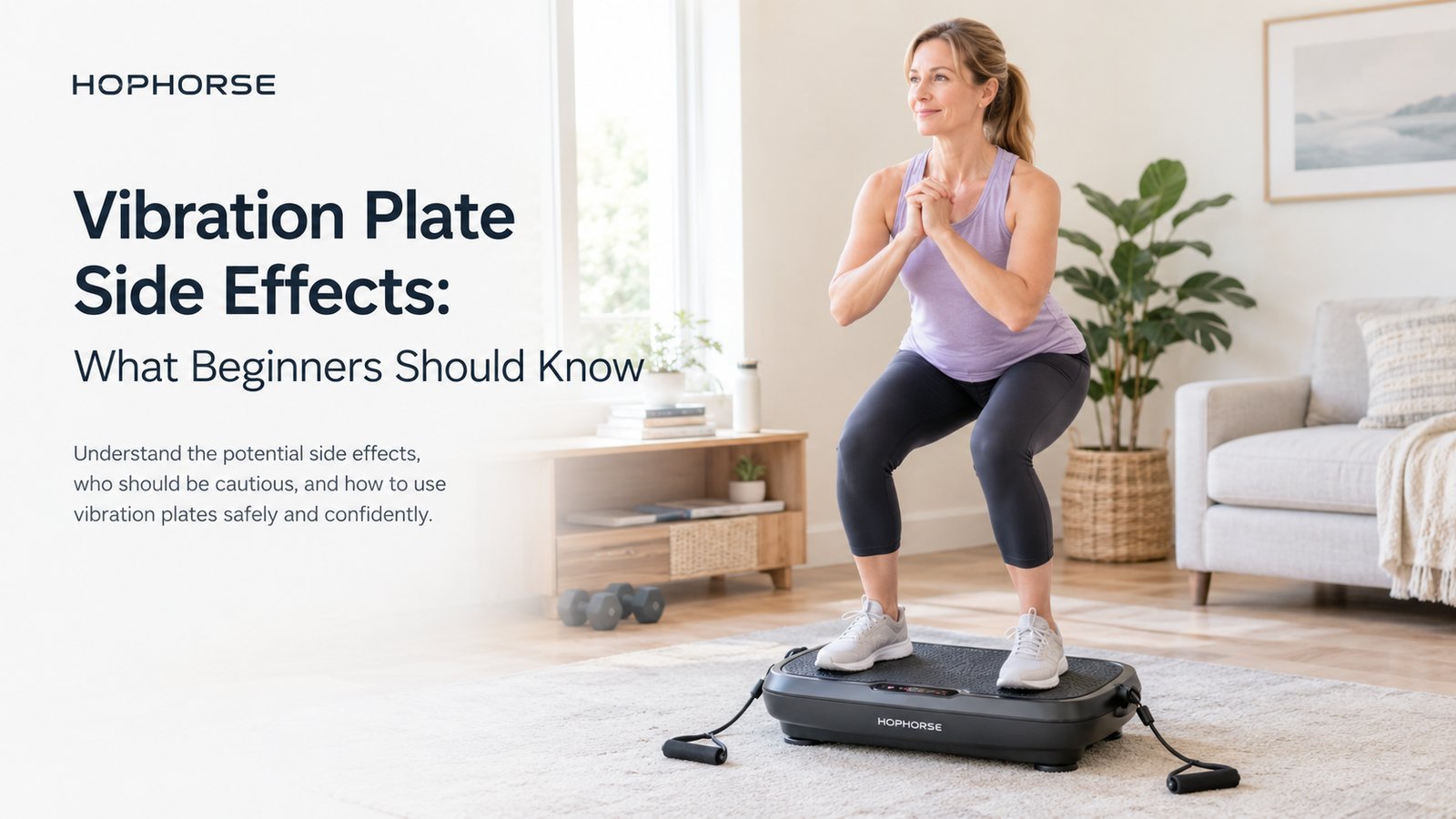
Usually. A vibration plate is safe for most healthy adults, but its side effects can be serious if you’re pregnant, have a recent fracture, or wear a pacemaker. Push through the wrong symptom and you can turn a mild injury into a long recovery.
Who can use a vibration plate safely
| Situation | Safe? | Why |
|---|---|---|
| Healthy adult, no conditions | Yes | Normal standing use is low impact |
| Pregnant | No | Shaking the belly and pelvis isn’t worth the risk |
| Pacemaker or implanted device | No | Strong vibration can disturb the device |
| Recent fracture or surgery | No | Healing bone and tissue need stillness |
| Back pain, no red flags | With care | Short sessions, low setting, stop if it worsens |
| Dizziness or inner-ear problems | With care | Balance loss can lead to a fall |
| Joint replacement, healed | With care | Check with your surgeon first |
What the harm actually looks like
The most common vibration plate side effects are sore muscles, tingling feet, and mild dizziness after a session. These fade in a day or two for most people. The rare, serious harm comes from using a plate when you shouldn’t.
Falls are the biggest real risk. Standing on a moving platform with your eyes closed, or stepping off too fast, can drop you. A fall on a hard floor can break a wrist or a hip, especially if you’re over 60.
People with a pacemaker face a different problem. The FDA has warned that strong vibration can interfere with implanted electronic devices. Check your device’s own manual, or ask your cardiologist, before you stand on any plate.
Nerve damage is rare but real. Long sessions, day after day, can leave your feet numb or buzzing. If that feeling doesn’t go away within a few hours, stop and see a doctor.
Signs you should stop right away

Stop the moment you notice any of these:
- Chest pain or pressure — get off and call for help.
- Sudden severe dizziness — you’re about to fall.
- Numbness or tingling that won’t fade — nerve irritation, not progress.
- Sharp joint or back pain — not the “good sore” of a workout.
- A headache that builds during the session — often a sign the setting is too high.
- Blurred vision or a racing heartbeat — stop and sit down.
If you have a heart condition, a spinal injury, or you’re pregnant, this isn’t a home decision. Talk to your doctor or a physical therapist before you use a plate at all.
How to use one with less risk
- Start with 5 minutes at the lowest setting, once a day, for your first week.
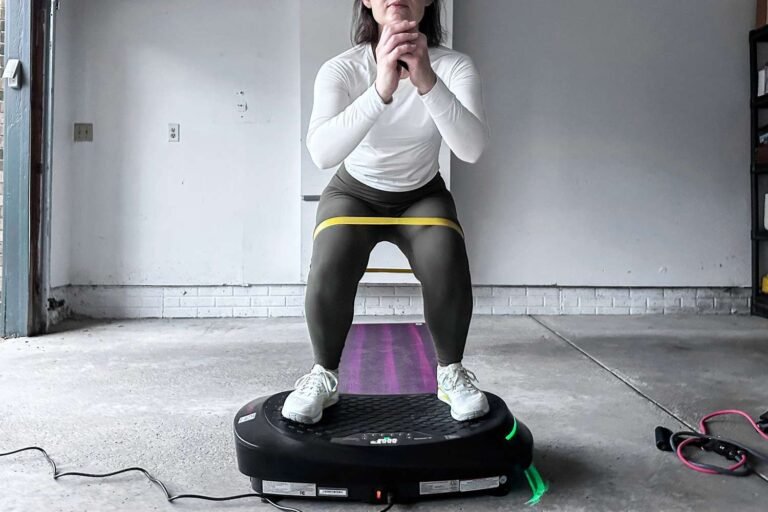
- Stand with feet shoulder-width apart and knees slightly bent — never locked.
- Hold a wall, chair, or rail for your first 3 sessions until balance feels steady.
- Keep sessions to 10-15 minutes, 3 to 4 times a week, at a moderate setting.
- Wear flat, closed shoes or stand barefoot — no socks on a smooth plate.
- Skip the deep squat and lunge poses until you’ve used the plate for 2 weeks.
- Stop at the first sign of dizziness, and sit down before you step off.
- Check your device’s manual for a weight limit — most home plates cap around 250-300 lbs.
If something already went wrong

Get off the plate and sit down first. If you fell, don’t rush to stand — check for pain in your hip, wrist, or head before you move. For tingling feet, rest them and see if the feeling returns within a few hours.
Call your doctor if numbness lasts past a day, if you have chest pain, or if a fall left you bruised and stiff. For a pacemaker patient who felt palpitations during use, contact your cardiologist the same day. Anything past a mild, short-lived ache belongs with a medical professional, not a home fix.
Frequently asked questions
Can a vibration plate make you sick?
Yes, some people feel nausea or dizziness in the first few sessions. It usually comes from the head and inner ear reacting to the shaking. Lower the setting and shorten the session.
Why do my feet tingle after using a vibration plate?
Tingling means the nerves in your feet are reacting to repeated vibration. It should fade within a few hours. If it lasts longer, stop using the plate and see a doctor.
How long should a vibration plate session be?
Keep it to 10-15 minutes, 3 to 4 times a week, at a moderate setting. Beginners should start at 5 minutes. Longer sessions don’t add much and raise your risk of soreness.
Is it safe to use a vibration plate every day?
For healthy adults, yes — 10 minutes a day is fine. But daily use at high settings can cause muscle soreness and nerve irritation. Give your body a rest day between longer sessions.
What happens if you use a vibration plate while pregnant?
Don’t. There’s no clear evidence it’s safe, and the shaking reaches your belly and pelvis. Ask your doctor about safer exercise instead until after you give birth.
Does a vibration plate help you lose weight?
No, not on its own. It can build a little muscle tone, but weight loss comes from diet and regular activity. Treat the plate as a small add-on, not the main plan.
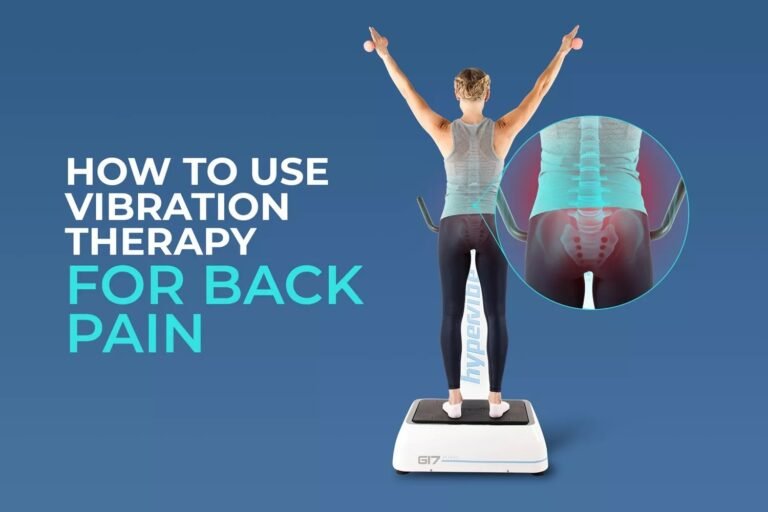
Can it hurt your back?
It can, if you already have a back problem or use a high setting too soon. Mild soreness is normal. Sharp pain, or pain that shoots down a leg, means stop and get it checked.
Is it safe if you have a hip or knee replacement?
Usually, once your surgeon says you’ve healed. Ask before you start. Early use on a healing joint can loosen the implant or cause pain.
Conclusion
Vibration plates are a low-risk tool for most healthy adults, as long as you start slow and stop at the first warning sign. The people who get hurt are the ones who ignore dizziness, push through nerve tingling, or use a plate when a doctor should have been asked first.

I am a certified fitness coach with over 10 years of experience helping people improve their strength, endurance, and overall health. Specializes in workout programming, weight training, fat loss, muscle building, home fitness, and evidence-based nutrition.My goal is to make fitness simple and practical through well-researched guides, honest product reviews, and actionable training advice.