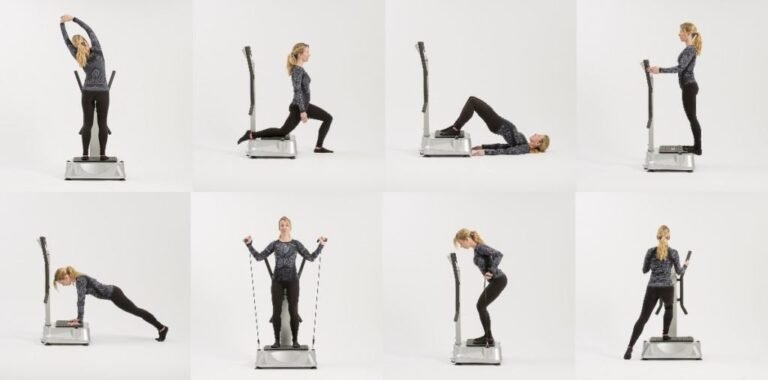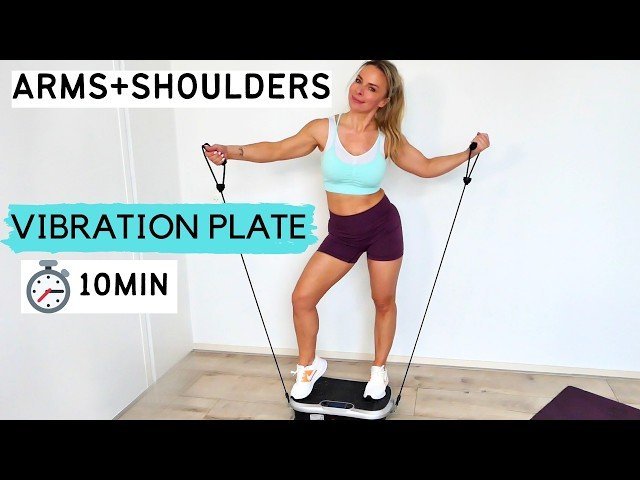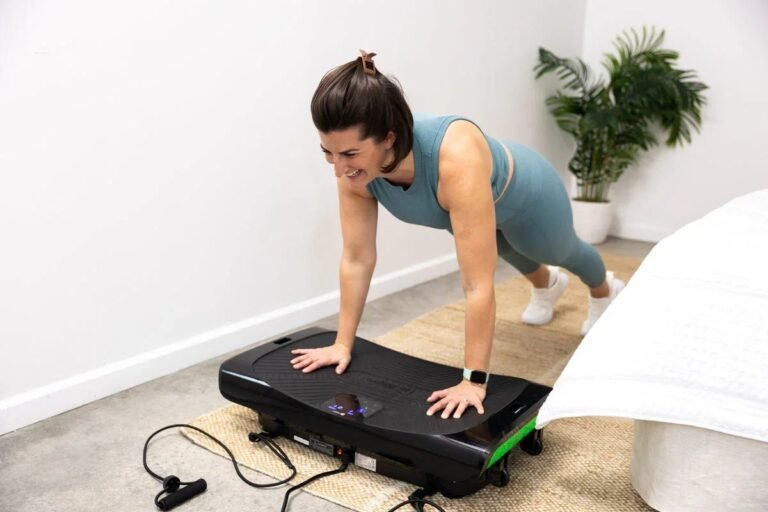

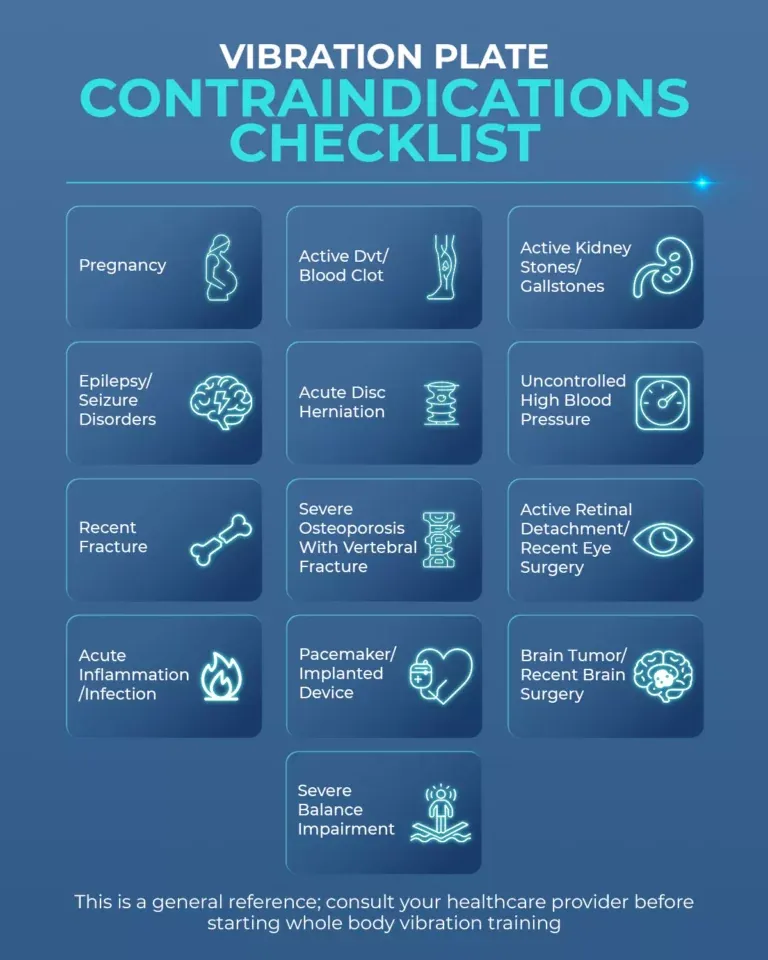
Usually no — most pacemaker manufacturers and cardiologists treat whole-body vibration machines as a device to avoid, and you shouldn’t step on one without written clearance from your cardiologist. Strong vibration can interfere with the leads or the device’s sensing, and the worst realistic outcome is a skipped or misread heartbeat.
Is a vibration plate safe with a pacemaker
Sorting your situations before you use any machine saves a phone call later. Here’s how the common ones break down.
| Situation | Safe? | Why |
|---|---|---|
| Walking, light housework | Yes | Normal daily movement doesn’t disturb the device |
| Sitting near a running vibration plate | With care | Strong vibration can still reach you at close range |
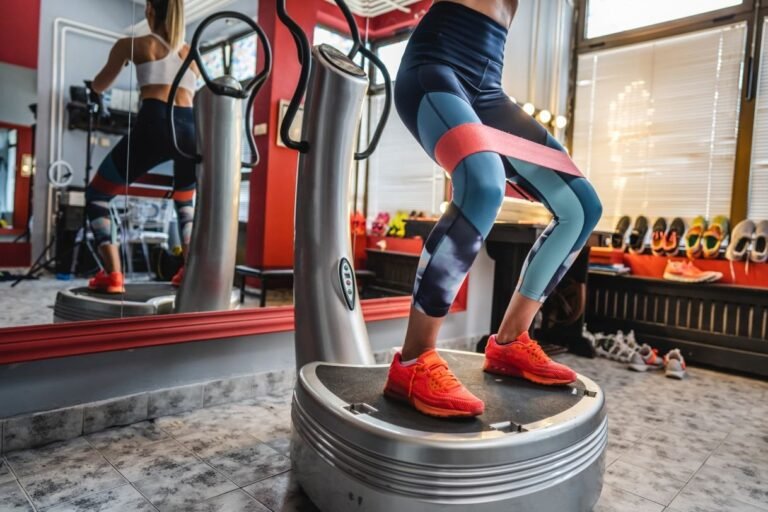
| Standing on a vibration plate | No | High-frequency shaking can affect device and leads |
| Holding vibrating power tools briefly | With care | Ask your cardiologist; keep sessions short |
| MRI scan | No | Only in special MRI-conditional setups, hospital supervised |
| Airport security wands | With care | Ask for a hand search instead of the wand |
| Phone in your chest pocket | No | Keep phones a few inches away from the device, not directly over it |
What the vibration actually does to the device
A pacemaker listens for your heart’s natural electrical signals and fires only when it needs to. A vibration plate shakes your whole body at high frequency, and that shaking can trick the device’s sensing circuits or stress the leads where they sit in the heart. Vibration plates are marketed for people with osteoporosis or circulation problems, exactly the group most likely to carry a cardiac device.
The FDA regulates pacemakers and publishes guidance on electromagnetic interference with them. Its FDA page on pacemakers explains how the devices work and what patients should avoid. The final call on any specific device belongs to your cardiologist and your device’s manufacturer.
Warning signs to stop using it right away

If you’re ever on or near a vibration machine and any of these happen, step off and stop immediately. Don’t wait to see whether it passes.
- Dizziness or lightheadedness — your heart rate may have dropped or become irregular
- Fluttering or pounding in your chest — the device may be sensing something it shouldn’t
- A hiccups-like twitch in your chest — can mean the device is stimulating nearby muscle
- Sudden shortness of breath — stop and sit down; call for help if it doesn’t settle quickly
- Fainting or near-fainting — this needs urgent medical attention, not a rest on the sofa
If any of these happen near a vibration plate, don’t get back on one. Call your cardiology clinic the same day, and call emergency services if the symptoms don’t stop within a few minutes.
Safer ways to get the same benefit
Most people want a vibration plate for bone density, circulation, or gentle muscle tone. You can reach those goals without the device risk. Here’s a safer routine that covers the same ground:
- Ask your cardiologist for written clearance before starting any new exercise, and bring the vibration-plate question to that appointment.
- Start with 20–30 minutes of brisk walking, 5 days a week — this alone improves circulation and bone health.
- Add light resistance work twice a week: 2 sets of 10 reps with bands or 1–2 kg hand weights, adjusting the weight to what you can lift comfortably.
- Do balance work — standing on one foot for 20–30 seconds per side, holding a chair if you need it.
- If your doctor approves and you want weight-bearing impact, try low-impact stepping or heel raises, 2 sets of 15, instead of machine vibration.
- Ask about a DEXA bone scan so you and your doctor can track whether your routine is actually working, rather than guessing.
A vibration plate takes less time than walking. If your schedule can’t fit 30 minutes a day, talk to your cardiologist rather than buying the machine quietly.
If you’ve already used one
If you’ve stepped on a vibration plate and felt nothing unusual, don’t panic — one session is unlikely to have damaged the device. Your clinic can run an interrogation, a quick office test that reads the device’s stored data. Don’t try to check the device yourself at home beyond your usual pulse check, and don’t rely on how you feel — a device can behave oddly without symptoms.
Frequently asked questions
Can vibration shake a pacemaker loose?
No, a single session won’t shake a properly implanted device loose. The real concern is interference with sensing and long-term stress on the leads, which is why doctors advise avoiding whole-body vibration rather than worrying about the device physically moving.
How long after getting a pacemaker can I exercise?
Most people return to light exercise within a few weeks, but your cardiologist gives the exact timeline — commonly around 4–6 weeks before resuming more strenuous activity. Follow your own device clinic’s instructions, because healing times and device types differ.
Is it safe to stand near a vibration plate?
With care. Strong vibration travels through floors and nearby surfaces, so don’t lean on or sit against a running machine. If you feel any chest fluttering or dizziness while it’s running nearby, move away and mention it to your cardiologist.
What happens if I use a vibration plate by accident?
One short session with no symptoms is very unlikely to cause harm, but don’t repeat it. Book a device check with your cardiology clinic so they can read the stored data and confirm the device behaved normally.
Does it matter what type of pacemaker I have?
Yes, it matters. Sensitivity, pacing mode, and lead placement all vary between devices, so two people with pacemakers can get different answers. Your device card — the one your clinic gave you — lists your exact model, and that’s what your cardiologist bases the answer on.
Can I use a vibration plate with a stent instead?
Usually yes, but it’s the same rule: ask first. A stent isn’t electronic, so vibration doesn’t interfere with it the way it can with a pacemaker, but your cardiologist knows whether your heart is ready for that kind of exercise at all.
Conclusion
The safest path is short: get written clearance from your cardiologist before you buy, keep your device card with you, and choose walking and light strength work if the answer is no. Your heart doesn’t need the machine — it needs the movement.
I am a certified fitness coach with over 10 years of experience helping people improve their strength, endurance, and overall health. Specializes in workout programming, weight training, fat loss, muscle building, home fitness, and evidence-based nutrition.My goal is to make fitness simple and practical through well-researched guides, honest product reviews, and actionable training advice.