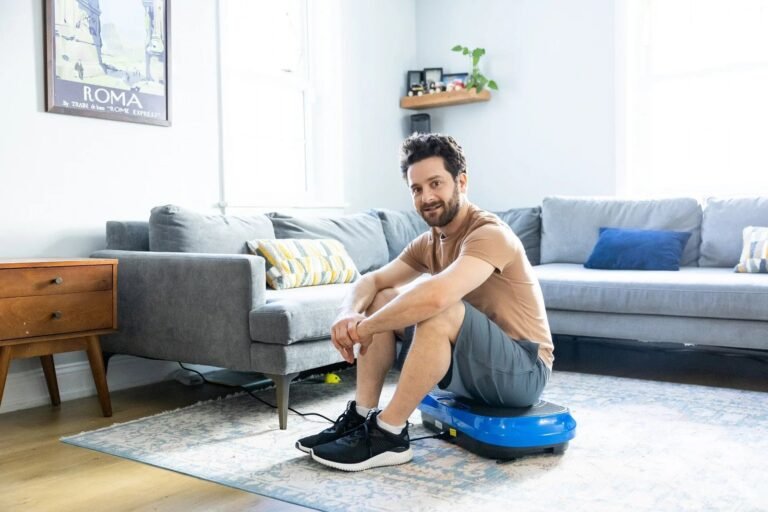
A bluefin fitness vibration plate review comes down to one thing: the plates are budget home machines, and the model you pick, your body weight, and how often you use it decide whether it’s worth the money. They’re sold mainly through Amazon and the Bluefin Fitness site, not in gyms.
Three things change that answer. Which plate you buy, because the range runs from small flat models to ones with handlebars. How much you weigh, since cheaper motors stall sooner under load. And whether you want a gentle daily habit or serious training, because most home plates aren’t built for the second one.
Who should read this
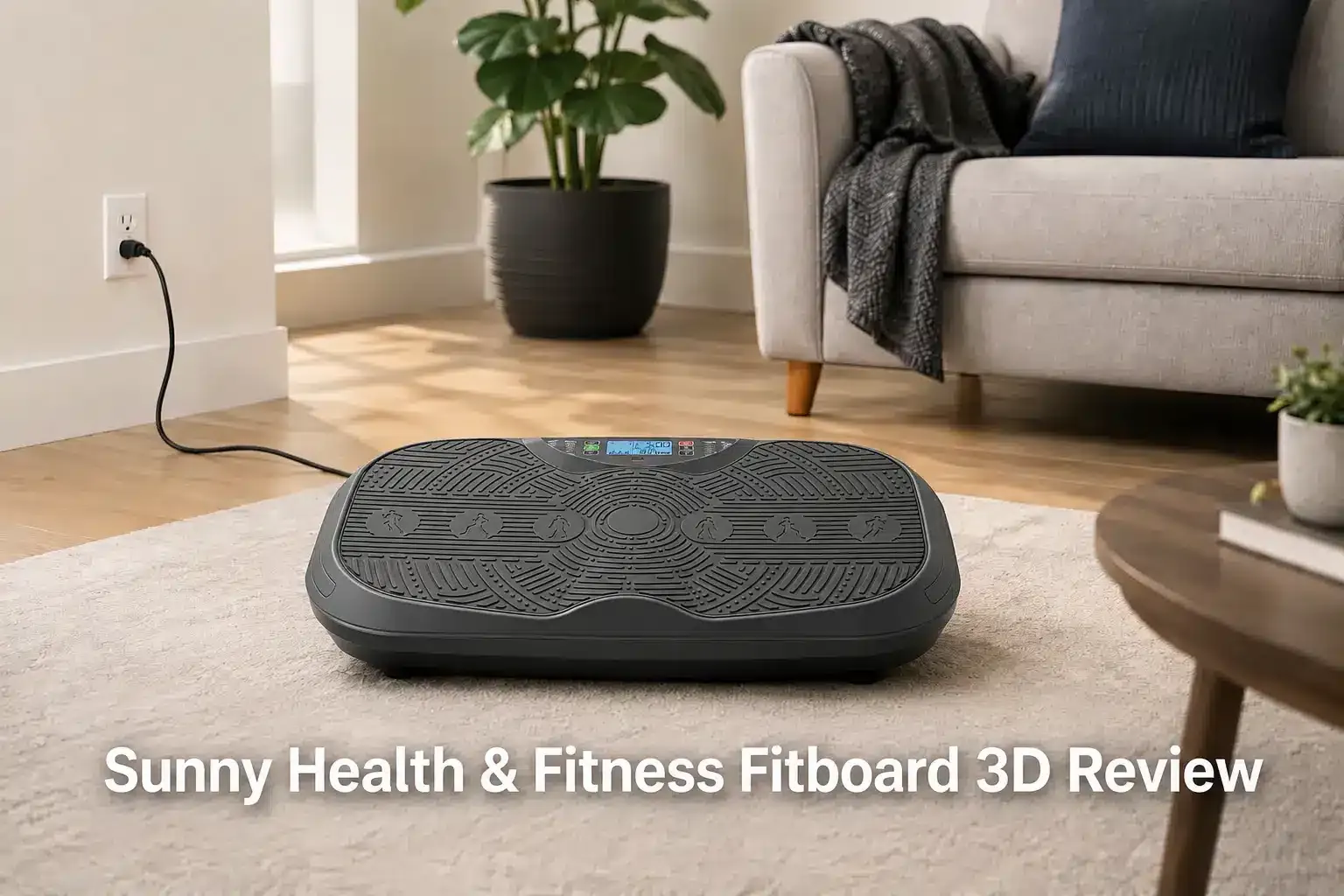
Three kinds of people type this title. The third is comparing Bluefin against other budget brands and wants the limits before spending.
If you’re a physiotherapist or you’ve been told to use vibration therapy for a medical condition, read the NHS page on vibration plates and whole body vibration instead. That’s a different job with different rules.
What actually decides the result
Body weight is the biggest factor.
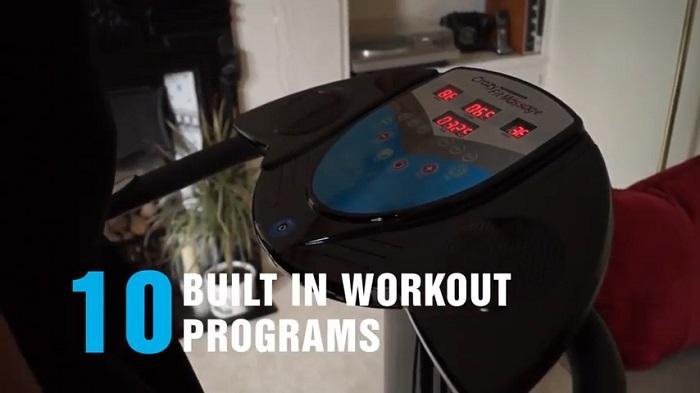
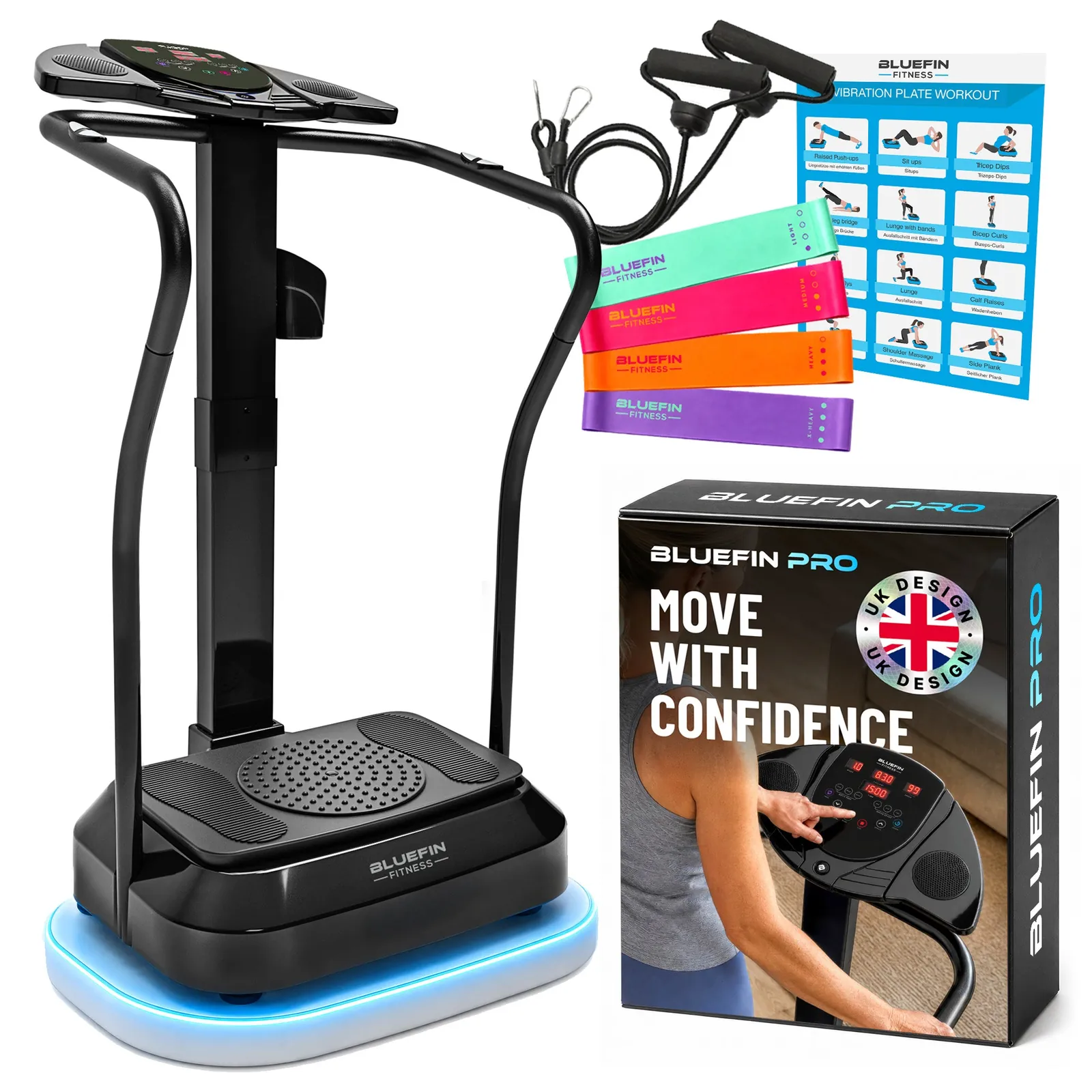
Second is the model. The bigger models have stronger motors and more programs, but they take up real floor space — check the footprint in the specs, since some are over 2 feet wide.
Third is how you use it. Standing still for 10 minutes is one thing; squats, lunges and push-ups on the plate are another. The second group gets more from the machine, but balance matters, and that’s where most people slip.
The one people get wrong most often is speed.
Setting up and using it step by step
- Unbox and check the parts list against the manual. Confirm you have the plate, the remote, the power cord and any bands. Missing parts should be reported to the seller within the return window.
- Place the plate on a hard, flat floor. Carpet softens the vibration and can make the plate wobble. Test by pressing each corner — if it rocks, move it.
- Plug in and charge the remote if yours has one. Most Bluefin remotes use a small coin battery or USB charging, and the manual states which.
- Stand on the plate with both feet shoulder-width apart, knees soft. Hold a wall or chair for the first session. If you feel unsteady, stop and reset your stance.
- Turn on at the lowest speed and stay there for 1-2 minutes. You should feel a gentle buzz through your legs, not a jolt. If it’s uncomfortable, drop a level.
- Build to 10 minutes per session, 3-5 times a week, adding a minute or two each time. Stop if you feel dizzy or your feet go numb.
- Add simple moves only once standing feels easy — slow squats, then lunges. Keep one hand near support.
- Wipe the plate with a damp cloth after use and store it flat. Don’t stack anything on top.
The judgement call is knowing when to stop. A session should feel like light exercise, not a strain. If you’re gripping the handlebars the whole time, the speed is too high for you right now.
If you have a heart condition, a pacemaker, are pregnant, or have a recent fracture or joint replacement, don’t use a vibration plate without asking your doctor first. That’s a medical decision, not a fitness one.
The main variations at a glance
| Your situation | What to do | What it takes | What to watch for |
|---|---|---|---|
| Total beginner, low budget | Flat plate, lowest speeds | 10 min, 3x a week | Balance on first sessions |
| Want handlebars and bands | Larger model with frame | More floor space | Check footprint in specs |
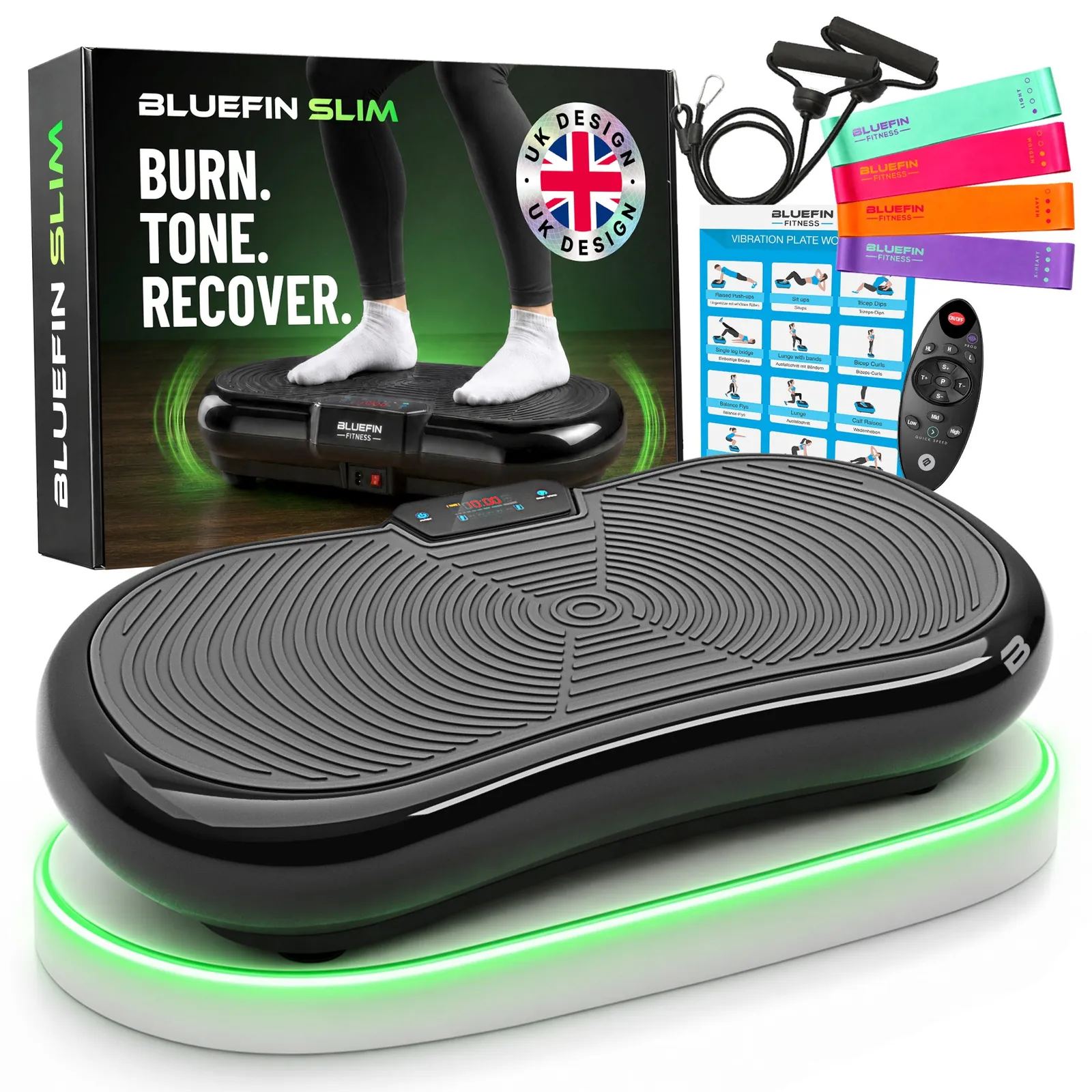
| Small apartment | Slim flat plate | Storage against a wall | Noise on hard floors |
| Knee or hip sensitivity | Ask a doctor first | Medical clearance | Stop if pain increases |
| Want strength training | Use it as a warm-up only | Free weights alongside | Plate isn’t a gym replacement |
| Heavier user | Check max weight rating | Higher-rated motor | Weak buzz near the limit |
What separates a good result from a poor one
Experienced users treat the plate as a habit tool, not a workout. They set it up where they’ll actually see it, use it at the same time each day, and keep sessions short enough to repeat tomorrow.
Preparation and setup
They put the plate on a hard floor, near a wall or sturdy chair, and test the lowest speed before their first real session.
What they check and what they leave alone
They check for wobble, unusual grinding, and whether the belt or motor sounds change over weeks. They leave the high speeds alone until standing feels boring.
What goes wrong, and what to do
Most problems with these plates are simple: setup, balance, or expectations. Here’s how to match what you’re seeing to a fix.
| What you notice | What it usually means | What to do first | How to stop it happening again |
|---|---|---|---|
| Plate wobbles | Uneven floor or soft carpet | Move to hard flat floor | Check floor before each session |
| Weak vibration | Speed too low or weight near limit | Raise speed one level | Check max user weight rating |
| Grinding noise | Something loose inside | Stop use, contact seller | Keep the receipt and warranty |
| Remote won’t respond | Battery flat or pairing lost | Replace battery, re-pair | Store remote off the plate |
| Feet go numb | Session too long or shoes too tight | Stop, rest, shorten session | Cap sessions at 10 minutes |
| Dizziness | Speed too high for you | Sit down, lower speed | Build up slowly over weeks |
The rules and safety limits that apply
Vibration plates are sold as fitness equipment, not medical devices, so they don’t carry the approvals a hospital machine would. In the US, the Consumer Product Safety Commission (CPSC) handles recalls and safety complaints for home fitness gear — check CPSC.gov for any recall on your model.
That number is the hard limit. Going over it strains the motor and voids nothing in law but does shorten the machine’s life.
If you’re pregnant, have a pacemaker, a heart condition, or a healing fracture, whole-body vibration isn’t a do-it-yourself decision. Ask your doctor, and follow their answer over anything on a product page.
What it really costs you
The money is the small part. Budget flat plates usually sit in the low hundreds of dollars, and larger models with handlebars cost more — check the current price on the Bluefin site or the Amazon listing, because it moves with sales.
The real cost is time and consistency. Ten minutes, three to five days a week, is the honest commitment. Skip two weeks and you’re back near the start.
There’s also a hidden cost: floor space. A larger model can take up more room than a yoga mat, and if it ends up folded behind a sofa, you’ve paid for a clothes rack.
Keeping it working afterwards
Wipe the plate after each session and keep drinks away from the motor housing. Store it flat, not leaning, and don’t stack weight on top.
The sign it needs attention is a change in sound or feel — a new rattle, a weaker buzz, or a burning smell. Stop using it and contact the seller or Bluefin support.
If the remote dies, that’s usually a battery, not the plate. Replace it and re-pair before assuming the machine is broken.
When a Bluefin Fitness vibration plate isn’t right
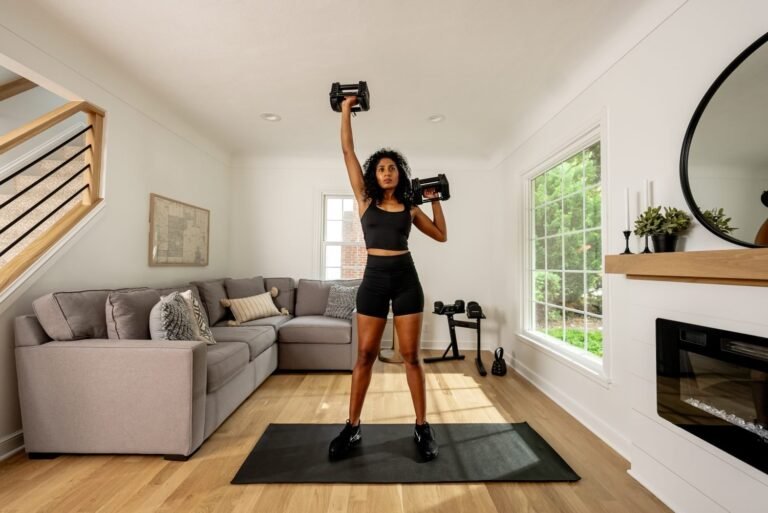
Skip a vibration plate if you want to build real strength or muscle. Free weights, resistance bands and bodyweight training do that better, and a plate won’t replace them.
Skip it if you have a medical condition on the list above — get clearance first, or use a supervised program at a clinic instead.
And skip it if you won’t use it at home. A gym membership or a walking routine you’ll actually keep beats a machine that sits in the corner.
Related guides
Frequently asked questions
Is a Bluefin Fitness vibration plate worth it?
For gentle daily movement at home, yes — if you’ll use it consistently. For serious strength training, no. It’s a habit tool, not a gym replacement.
How long should you use a vibration plate each day?
Start with 1-2 minutes at the lowest speed, then build to about 10 minutes per session, 3-5 days a week. Longer sessions don’t add much and raise the risk of dizziness.
Can you lose weight using a vibration plate?
Not by itself. Any weight change comes from your overall activity and diet. A plate adds light movement, and that’s a small part of the picture.
Is it safe to use every day?
For most healthy adults, yes, at low speeds and short sessions. If you’re pregnant, have a pacemaker or a heart condition, ask your doctor before using one at all.
What happens if you use a vibration plate too much?
You may feel dizzy, sore, or numb in the feet. Stop, rest, and shorten your next session. Build up slowly rather than jumping to long, high-speed sessions.
Does the vibration plate matter for results?
The plate matters less than consistency. A cheap plate you use daily beats an expensive one in the closet. Check the max user weight rating before buying.
Why does my vibration plate feel weak?
Either the speed is too low or you’re near the plate’s maximum user weight. Raise the speed one level, and check the weight rating on the product page.
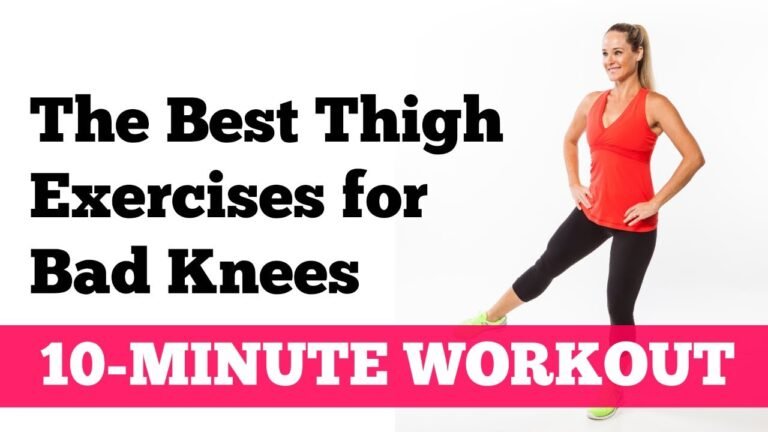
Can you use a vibration plate if you have bad knees?
Ask your doctor first. Some people with joint issues are told to avoid whole-body vibration, and that’s a medical call, not a fitness one.
Conclusion
Start by checking the max user weight on the model you’re considering and standing on it at the lowest speed for two minutes. You’ll know it’s working when the buzz feels steady under both feet and you can stand without gripping anything. If you feel dizzy, numb, or any sharp pain, stop and speak to a doctor before using it again.

I am a certified fitness coach with over 10 years of experience helping people improve their strength, endurance, and overall health. Specializes in workout programming, weight training, fat loss, muscle building, home fitness, and evidence-based nutrition.My goal is to make fitness simple and practical through well-researched guides, honest product reviews, and actionable training advice.