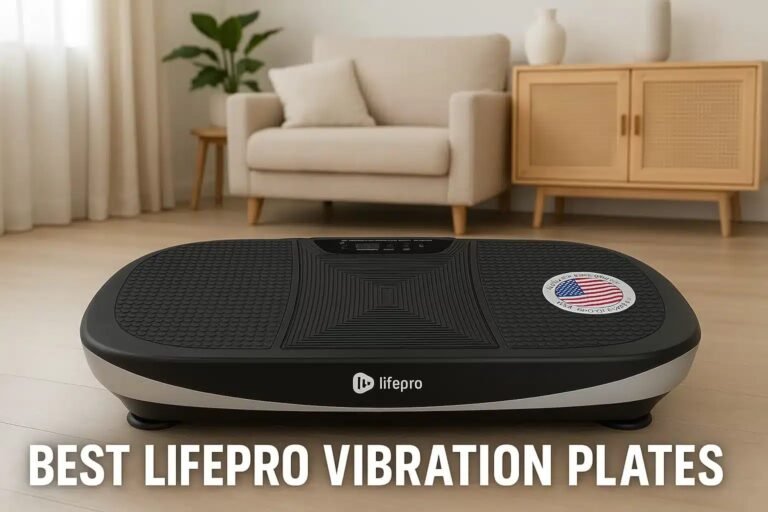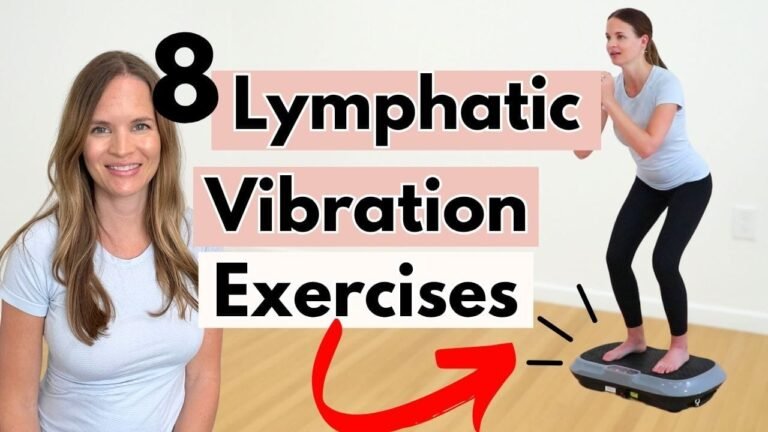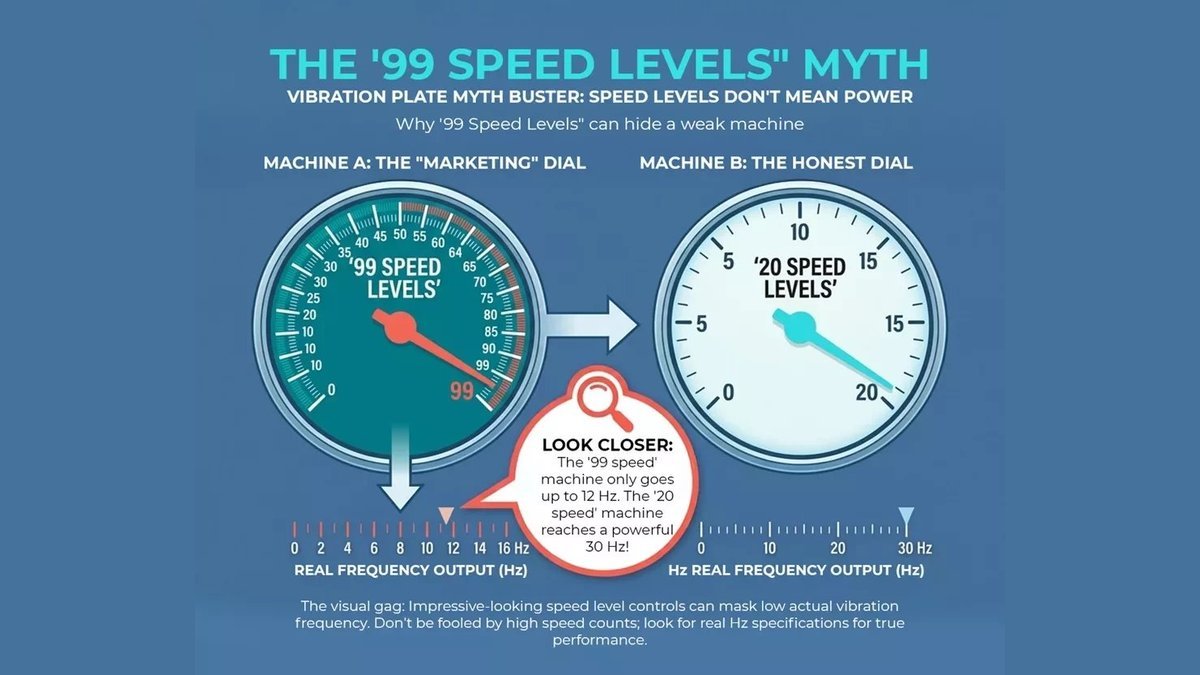
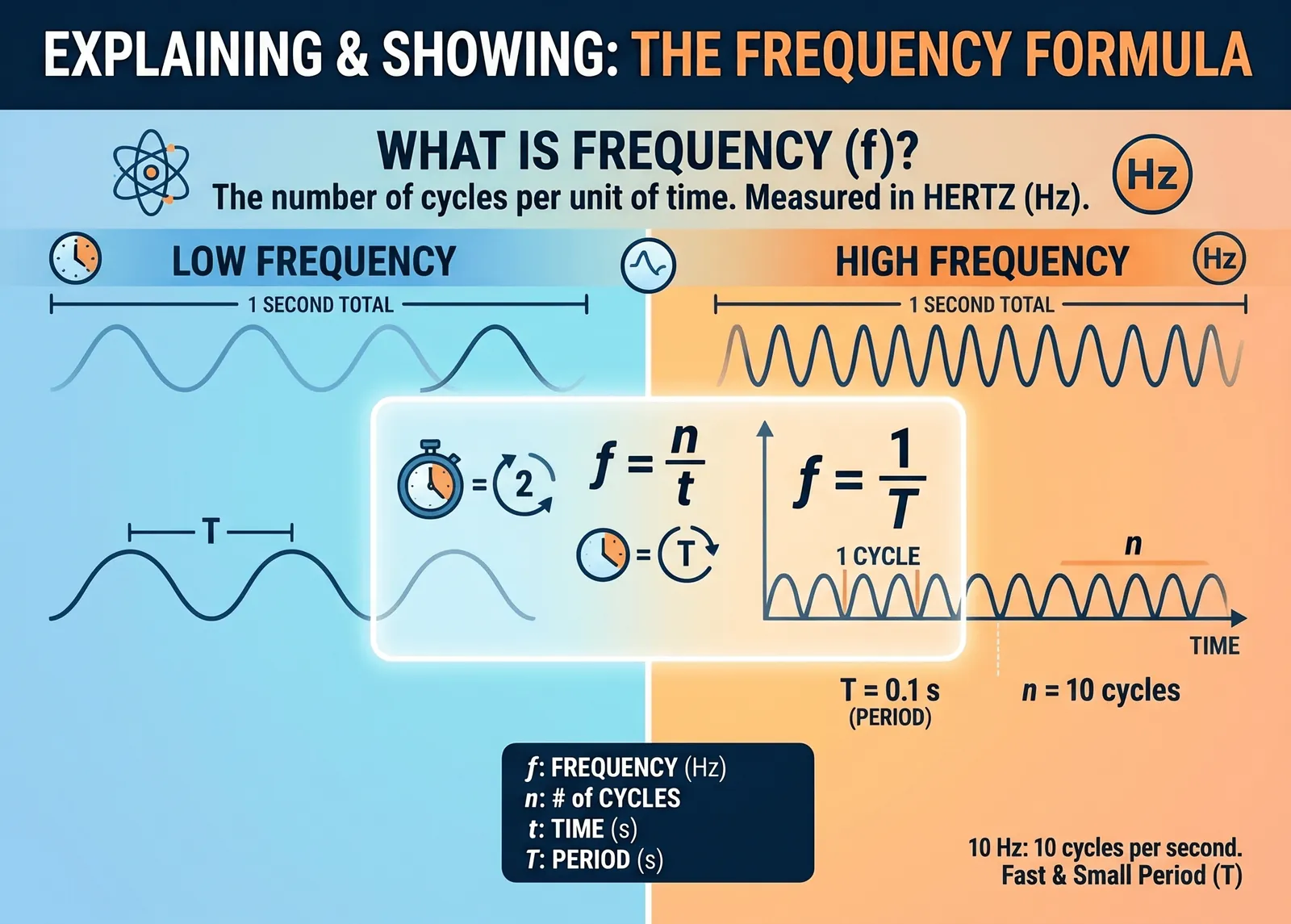
Vibration plate frequency is the number of times per second the platform moves up and down, measured in hertz (Hz). Most home plates run between 10 Hz and 50 Hz. Lower numbers feel slow and wobbly; higher numbers feel fast and firm. This guide explains what each range does, how to set the machine, and the mistakes that waste your time.
What frequency means on a vibration plate

Frequency is the speed of the movement. One hertz means one full up-and-down cycle every second. Amplitude is different — that’s how far the platform travels, usually measured in millimeters. Both settings change how hard your muscles work.
The common misconception is that a higher number is always better. It isn’t. Too high, and your feet just buzz against the plate without you controlling anything.
How to set your vibration plate
- Start at 10-15 Hz for 30 seconds, just to feel the movement and check your balance.
- Move to 20-30 Hz for 1-2 minutes. This is the range most people use for standing, squats and lunges.
- Try 30-40 Hz for 30-60 seconds if you want a harder session. Keep your knees slightly bent.
- Hold each position for 30-60 seconds, then rest 30 seconds. Repeat 3-5 times.
- Keep total session time at 10-15 minutes. More isn’t better here.
- Stop if you feel dizzy, numb or sharp pain anywhere.
The one judgement call that matters: pick a frequency where you can still control your body. If your feet slide, your teeth chatter or you can’t hold the position, drop 5-10 Hz. A clean 25 Hz session beats a messy 45 Hz one every time.
Frequency and time settings at a glance
Use this as a starting point, then adjust by how you feel during the session.
| Situation | What to use | How long | What to watch for |
|---|---|---|---|
| First session ever | 10-15 Hz | 30-60 seconds | Balance and dizziness |
| Standing still | 20-30 Hz | 1-2 minutes | Foot numbness |
| Squats or lunges | 25-35 Hz | 30-60 seconds | Knee control |
| Plank or push-up hold | 30-40 Hz | 20-40 seconds | Wrist and lower back strain |
| Upper body (arms on plate) | 20-30 Hz | 30-60 seconds | Elbow and shoulder position |
| Cool-down | 10-20 Hz | 1-2 minutes | Relaxed breathing |
| Daily total | Mixed | 10-15 minutes | Overtraining soreness |
What experienced users do differently
They warm up before they step on. Five minutes of walking or light stretching first means your muscles are already awake, so the vibration does something instead of just rattling you.
Check your stance, not just the dial
Foot position is the first thing to get right. Feet shoulder-width apart gives you a stable base; feet together makes the plate much harder to handle at the same frequency. Heels flat, weight even, knees soft. If you’re gripping the handles hard, the setting is too high for you right now.
Leave the long sessions alone
Sessions past 15 minutes don’t add much and they do add soreness. Your muscles need the recovery more than they need another buzz.
Common problems and quick fixes

| What you notice | What it usually means | What to do first |
|---|---|---|
| Feet go numb or tingle | Session too long, or standing too still | Cut to 60 seconds, shift weight slightly |
| Can’t keep balance | Frequency too high for your level | Drop 5-10 Hz, widen your stance |
| No feeling of effort | Frequency too low, or you’re too relaxed | Raise 5 Hz, bend knees more |
| Sore knees next day | Too much time at high frequency | Lower the setting, shorten the session |
| Headache or dizziness | Motion sensitivity | Stop, sit down, try a much lower setting |
| Machine shakes or walks | Plate on soft floor or uneven ground | Move to a hard, level surface |
Safety rules and limits
Vibration plates are fitness equipment, not medical devices, unless a specific model has clearance as one. The U.S. Food and Drug Administration classifies whole-body vibration machines as medical devices, so check the label if a seller claims medical benefits — the FDA’s device classification page explains how that works. Stop and see a doctor if you get chest pain, severe dizziness or lasting numbness. Don’t use a plate with a healing fracture, a blood clot or uncontrolled high blood pressure.
Keeping your routine working
Write down the frequency, the time and how it felt after each session. Once a week, look back: if the same setting now feels easy, go up 5 Hz. If you’re sore or sleeping badly, go down 5 Hz. If you stop for two weeks or more, restart at 15 Hz for a few sessions before returning to your old setting — your control fades faster than your memory of it.
When a vibration plate is the wrong choice
If your goal is weight loss, a plate burns very little on its own — walking or cycling does more per minute. A physiotherapist is the right person for balance or rehab work, not a home plate.
Related guides
- Benefits of Weight Plate Exercises for Home Workouts Explained
- What are the Different Types of Weight Plates Explained Simply
Frequently asked questions
What Hz is best for weight loss?
No frequency burns meaningful calories by itself. Use 20-30 Hz for 10-15 minutes as a small add-on to walking or cycling, which do the real work.
Can I use a vibration plate every day?
Yes, 10-15 minutes a day is fine for most healthy adults. Take at least one rest day a week, and skip it if you’re still sore from yesterday.
How long should a session be?
10-15 minutes total, split into 30-60 second holds with 30 second rests. Sessions longer than 15 minutes add soreness without adding much benefit.
Is a vibration plate safe?
For most healthy adults, yes, at 10-40 Hz for short sessions. It’s not safe with a pacemaker, a healing fracture or during pregnancy without a doctor’s approval.
What happens if the frequency is too high?
You lose control of the movement. Your feet slide, your knees lock and your muscles stop responding properly. Drop 5-10 Hz until you can hold the position cleanly.
Does higher Hz mean a harder workout?
Not always. Past a point, higher frequency just makes you vibrate more, not work more. Control and body position decide how hard the session really is.
Can I use a vibration plate after a knee replacement?
Only with your surgeon’s or physiotherapist’s approval. They’ll tell you the safe frequency and time for your specific recovery stage — don’t guess this one.
Conclusion
Start low, stay in control, and let your own log tell you when to change the setting. The number on the dial matters less than how well you hold the position.

I am a certified fitness coach with over 10 years of experience helping people improve their strength, endurance, and overall health. Specializes in workout programming, weight training, fat loss, muscle building, home fitness, and evidence-based nutrition.My goal is to make fitness simple and practical through well-researched guides, honest product reviews, and actionable training advice.