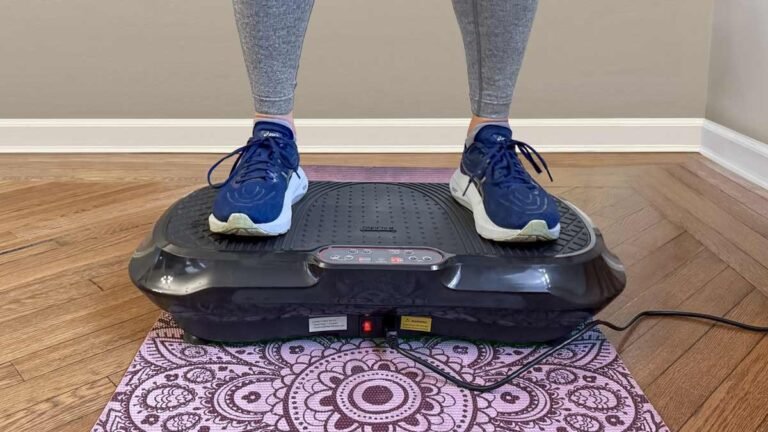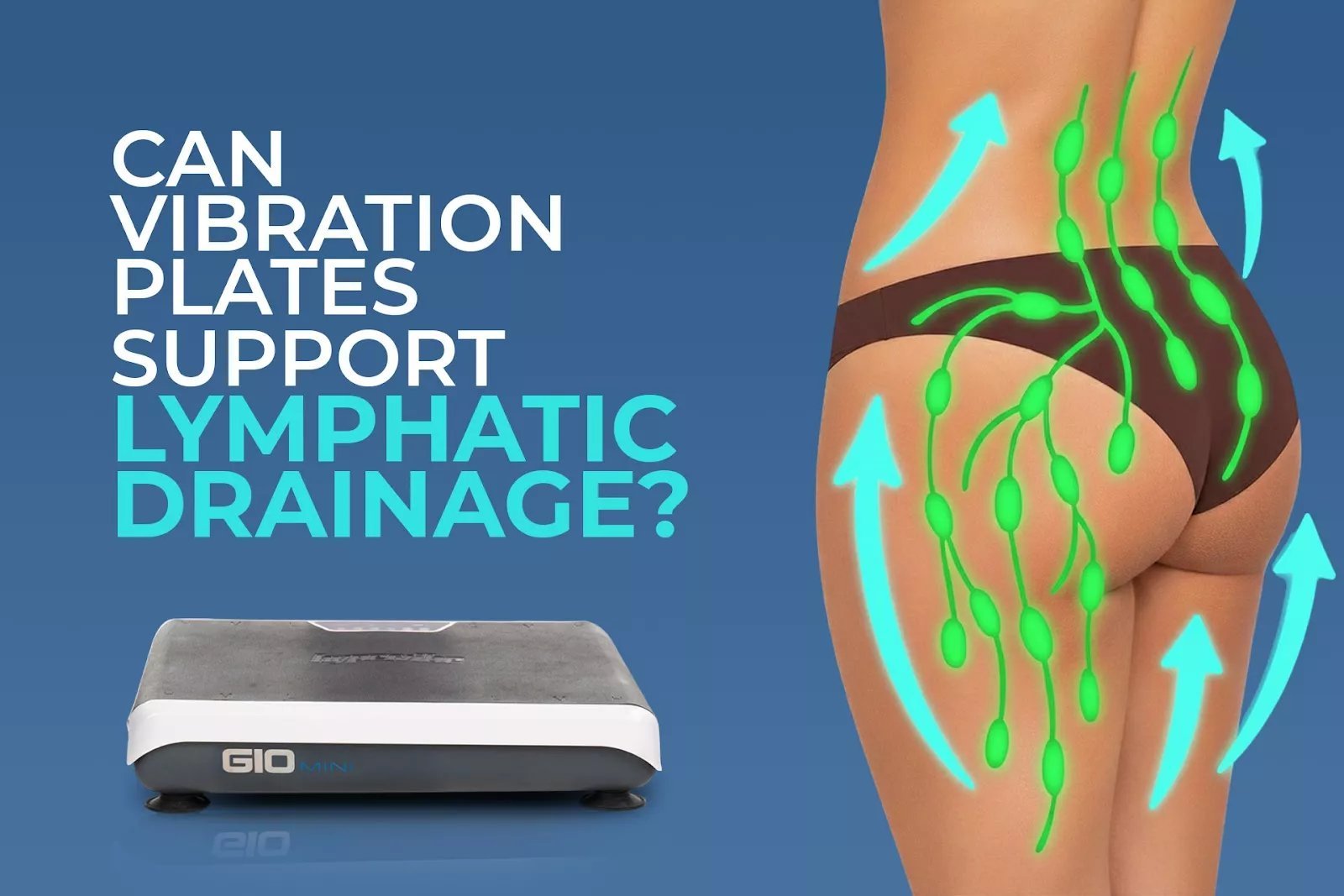
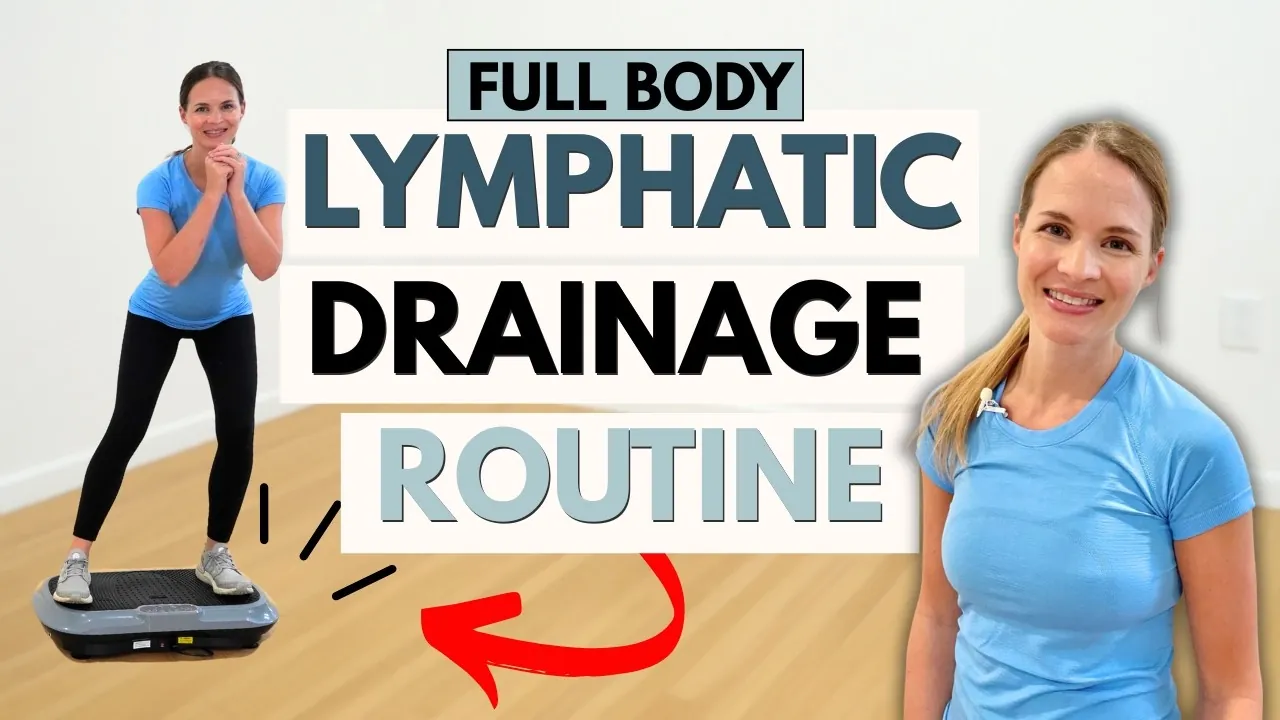
A vibration plate can support lymphatic drainage because the rapid muscle contractions it triggers act like a pump for your lymph system, which has no pump of its own — your movement is what moves lymph fluid. Standing, squatting, or stretching on the plate for 10–15 minutes a few times a week, combined with hydration and deep breathing, is the standard routine most beginners start with.
Key Takeaways
- Sessions of 10–15 minutes at low frequency (5–15 Hz) are enough for lymphatic work; more isn’t better.
- Always hydrate before and after — lymph moves fluid, and dehydration thickens it.
- Start with 2–3 sessions per week and build up slowly over the first month.
- Simple positions work best: standing with soft knees, shallow squats, calf raises, and seated leg extensions.
- Stop and consult a doctor if you have blood clots, an implanted device, pregnancy, or active infection — vibration is unsafe for these.
- Vibration plates support drainage but don’t replace movement, breathing, and medical care for diagnosed lymph conditions.
How Vibration Helps Lymph Flow
Your lymphatic system relies on muscle contraction and breathing to move fluid through vessels and lymph nodes. The motion also stimulates the one-way valves inside lymph vessels, moving fluid toward the nodes for filtering.
What Frequency and Time to Use
For lymphatic drainage, lower is better.
| Goal | Frequency | Session length | Weekly sessions |
|---|---|---|---|
| Lymphatic drainage (beginner) | 5–10 Hz | 5–10 min | 2–3 |
| Lymphatic drainage (established routine) | 10–15 Hz | 10–15 min | 3–5 |
| Muscle/bone fitness (not drainage) | 20–40 Hz | 10 min | 2–3 |
Pro Tip: If your plate only lists speed levels rather than Hz, use the lowest 1–3 settings for drainage work. You should feel a buzz and muscle flutter, not a jarring shake.
Step-by-Step: Your First Session
- Drink 8–16 oz of water about 30 minutes before stepping on.
- Stand on the plate with soft knees — never lock them, or vibration travels straight to your head and spine.
- Set the machine to its lowest frequency and run it for 3–5 minutes.
- Shift your weight slowly from heels to toes, letting your calves pump.
- Step off, take five slow deep breaths, and note how your legs feel.
- Over the next two weeks, add time in 2-minute increments until you reach 10–15 minutes.
Best Positions for Drainage
Each position targets a different area, and the calf and thigh muscles are the biggest lymph pumps in the body.
| Position | Primary area drained | Duration |
|---|---|---|
| Standing, soft knees, slight bounce | Whole body, calves | 3–5 min |
| Shallow squats (quarter depth) | Thighs, groin nodes | 2–3 min |
| Calf raises (slow up, slow down) | Lower legs, ankles | 2 min |
| One foot on plate, lunge stance | Hips, thighs | 1–2 min per side |
| Seated, feet or thighs on plate | Legs, lower back | 3–5 min |
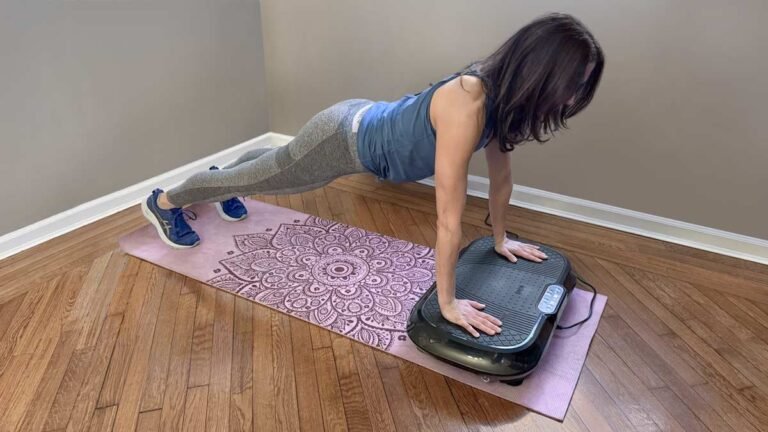
| Hands or forearms on plate, kneeling | Arms, wrists | 1–2 min |
Rotate through three or four positions per session rather than holding one pose the whole time.
A Weekly Routine That Works
- Monday: 10 minutes — standing bounce, squats, calf raises.
- Wednesday: 12 minutes — standing, lunges, seated leg work.
- Friday or Saturday: 15 minutes — full rotation of all six positions.
- Daily between sessions: a 10–20 minute walk and 2 minutes of deep belly breathing, both of which keep lymph moving.
Pro Tip: Do your session before breakfast or at least an hour after a heavy meal. Many people feel slightly nauseated if they vibrate on a full stomach.
Boost Results With These Habits
- Hydration: aim for steady water intake all day, not just around sessions.
- Deep breathing: the diaphragm is a major lymph pump; five minutes of slow belly breathing before or after amplifies the plate’s effect.
- Dry brushing: brushing skin toward the heart before stepping on is a popular pairing.
- Compression socks: helpful if you stand all day or notice ankle swelling.
- Movement snacks: break up sitting every hour; the NHS notes that movement and exercise are central to managing lymph fluid buildup and lymphoedema — see their guidance on lymphoedema treatment.
Who Should Not Use a Vibration Plate
Warning: Talk to your doctor first if you have any of the following — vibration can worsen them:
- Blood clots, deep vein thrombosis, or a recent clot history
- Pregnancy
- A pacemaker or other implanted electronic device
- Recent surgery, fresh fractures, or acute hernia
- Active infection, fever, or flare of an inflammatory condition
- Epilepsy or severe cardiovascular disease
- Retinal detachment risk or recent eye surgery
If you have diagnosed lymphoedema or have had lymph nodes removed, vibration can help some people but should be cleared by your specialist first, since overdoing it can temporarily increase swelling.
Troubleshooting Common Issues
- Itching after sessions: this is common and usually signals increased circulation; it typically fades within a few sessions as your body adapts.
- Headache or dizziness: you’re going too fast or too long — drop to the lowest setting, shorten sessions, and check hydration.
- Swelling that gets worse: stop for a few days, then restart at 5 minutes; if it persists, see a doctor.
- Numbness or tingling in feet: check your stance, soften your knees, and wear cushioned shoes or a mat if your machine allows it.
- No sensations at all: your frequency may be too low to trigger contractions — increase one setting at a time until you feel a distinct muscle flutter.
What to Look for in a Vibration Plate for Lymphatic Drainage
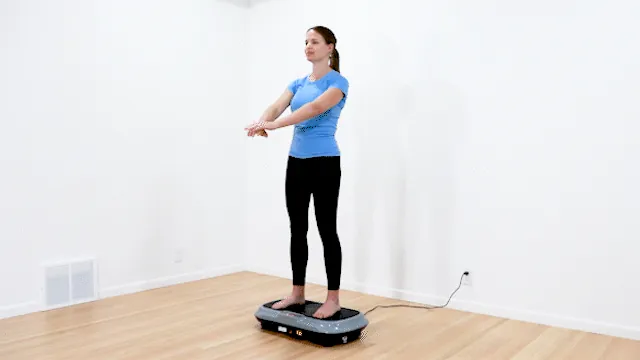
- Frequency range starting at 5 Hz or below — essential for drainage work.
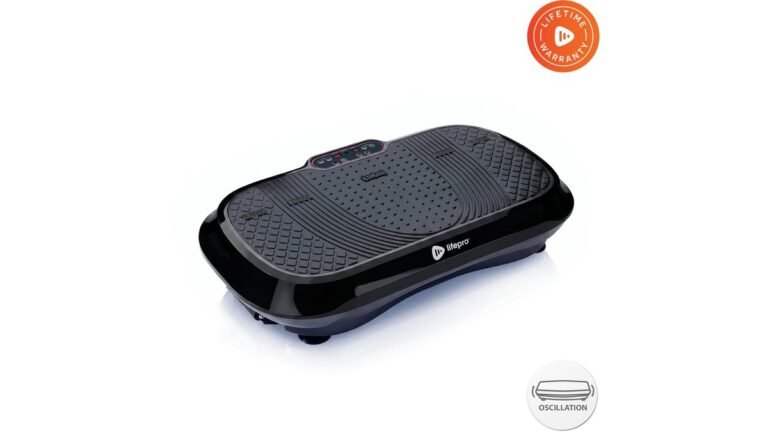
- Oscillation (see-saw) platforms tend to feel gentler than vertical (piston) plates for circulation goals.
- Weight capacity at least 50 lbs above your weight for stability.
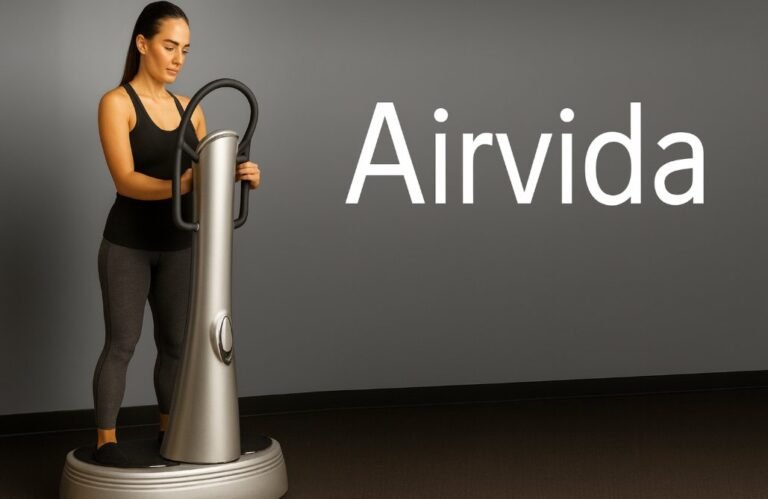
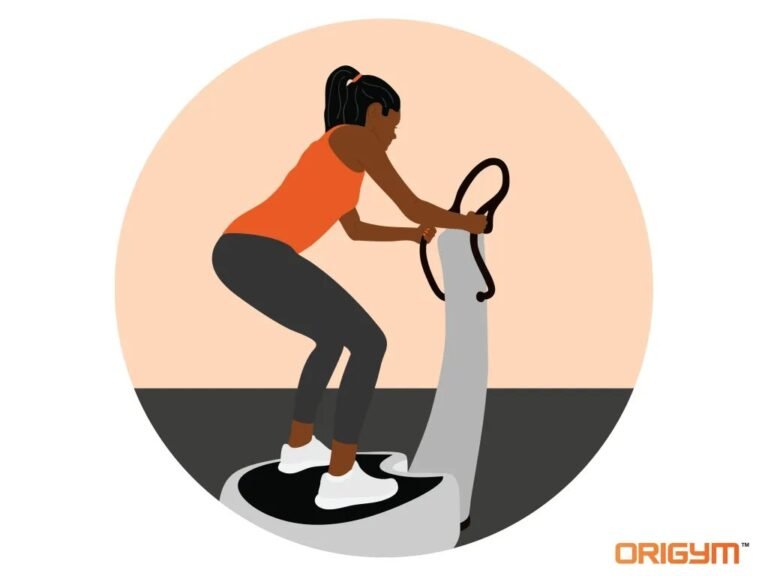
- Handlebars if balance is a concern.
- Common home models include the LifePro Waver, Bluefin 4D, and Rumblex series — all widely sold oscillation or dual-motor plates with low-frequency settings.
Related guides
- Weight Plates Kg Vs Lbs Conversion
- Weight Plates Workout Routines for Beginners at Home
- Best Bumper Plates for Home Gym Reddit Picks 2026: Top Buys
Frequently Asked Questions
How long until I see results?
Most people notice lighter legs and less end-of-day puffiness within 1–2 weeks of consistent sessions. Visible changes in chronic swelling take longer, often 4–8 weeks, and depend heavily on hydration and daily movement between sessions.
Should I use it barefoot or with shoes?
Barefoot or thin-soled socks give the best vibration transfer to your feet and calves. If the vibration feels harsh or you have sensitive joints, use flat cushioned shoes or stand on the foam pad many machines include.
Can I use it every day?
Yes, at low frequency and 10–15 minutes, daily use is generally fine for healthy adults. If you’re new, start with 3 days a week for two weeks and increase gradually while watching for fatigue or swelling.
Does it help with cellulite or weight loss?
Vibration plates can modestly improve circulation and muscle tone, and some small studies suggest limited benefits when combined with exercise. They aren’t a weight-loss tool on their own — diet and regular activity drive that.
Is it safe for seniors?
Often yes, and low-frequency vibration is popular for balance and circulation in older adults. Start at the lowest setting, use a handlebar model, keep sessions under 10 minutes, and get a doctor’s clearance if there are heart, bone, or joint conditions.
Can I sit on the plate instead of standing?
Seated use with feet or thighs on the platform works well for leg drainage and is a good option for limited mobility. Sitting directly on the platform vibrates the spine more, so most people prefer feet-on or thighs-on positions.
Conclusion
A vibration plate works best as one part of a bigger picture: hydrate, move daily, breathe deeply, and keep sessions short and consistent. Pick three positions from the table above, set your machine to its lowest setting, and commit to a 10-minute session three times this week — that simple start is all it takes to begin.

I am a certified fitness coach with over 10 years of experience helping people improve their strength, endurance, and overall health. Specializes in workout programming, weight training, fat loss, muscle building, home fitness, and evidence-based nutrition.My goal is to make fitness simple and practical through well-researched guides, honest product reviews, and actionable training advice.