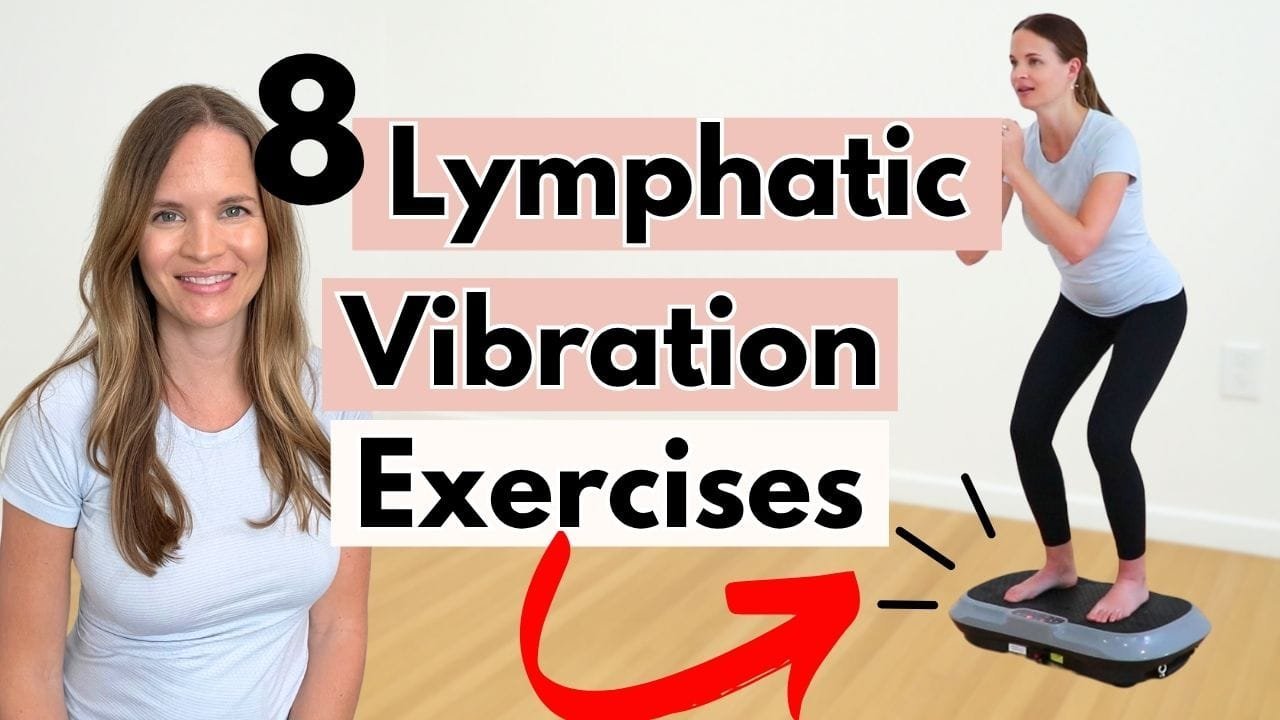
Vibration plate exercises are moves such as squats, calf raises, planks and lunges performed while the machine’s platform shakes beneath you. What separates them is your position on the plate — standing, kneeling, hands down or lying back — which decides which muscles do the work.
Vibration plate exercises at a glance
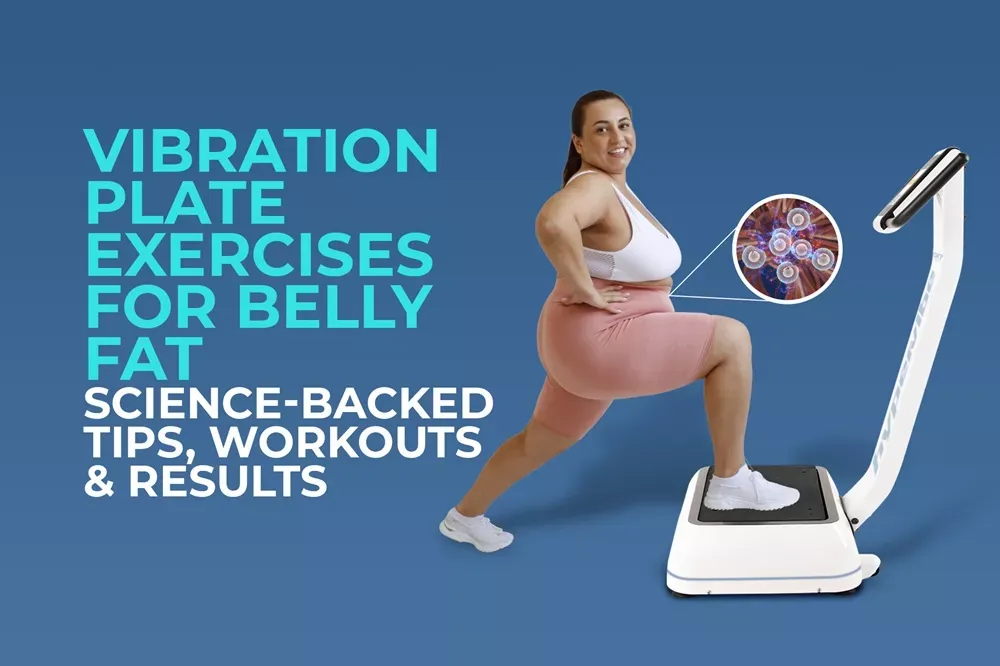
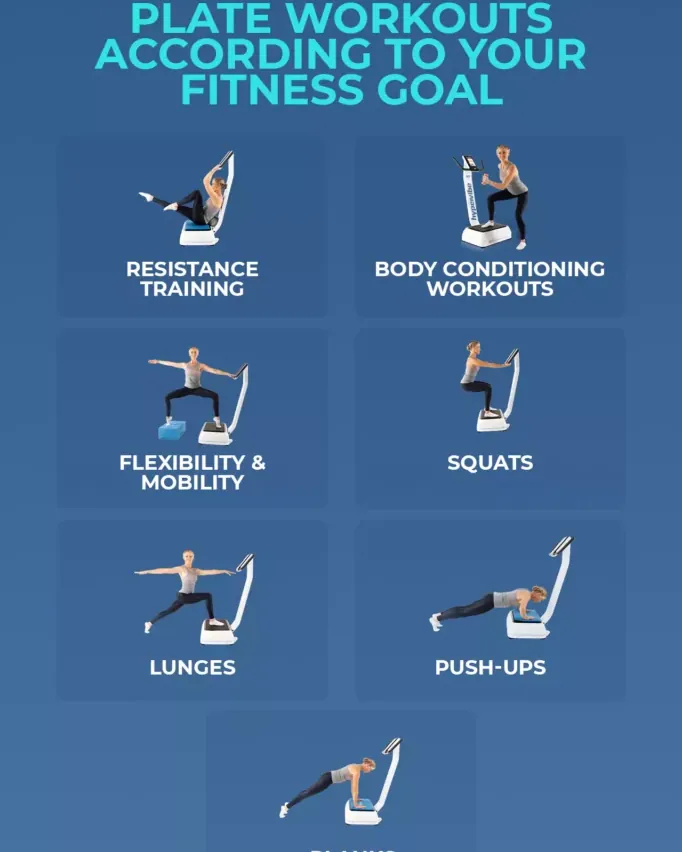
You can do most familiar bodyweight moves on the plate, and each one works a different area. The table below shows the seven most useful ones and where each fits.
| Exercise | What it’s best for | Example you’d recognise |
|---|---|---|
| Squats | Thighs and glutes | Half squat, feet shoulder-width on the plate |
| Calf raises | Lower legs and balance | Rising onto your toes, holding a support |
| Plank | Core and shoulders | Forearms on the plate, body held straight |
| Lunges | One leg at a time | Front foot on the plate, back foot on the floor |
| Push-ups | Chest and arms | Hands on the plate, knees or toes down |
| Glute bridge | Hips and lower back | Lying down, feet on the plate, hips lifted |
| Standing balance | Posture and circulation | Simply standing with bent knees, no move at all |
Squats on a vibration plate
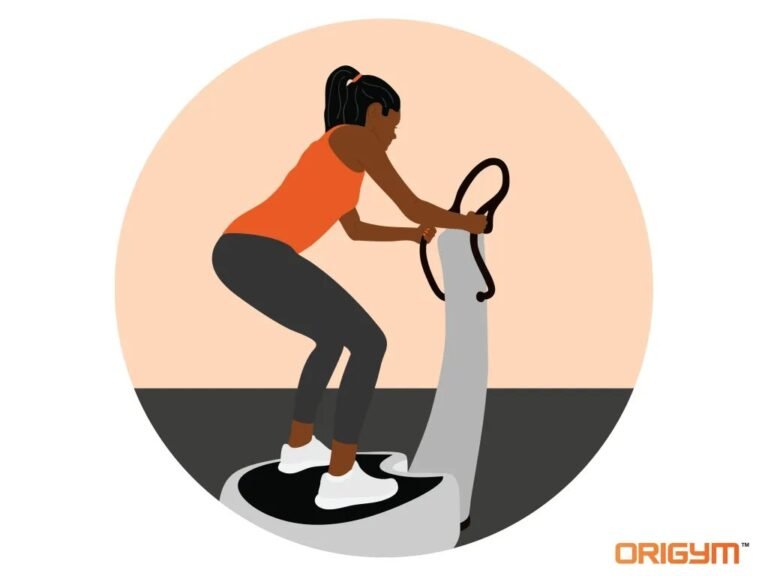
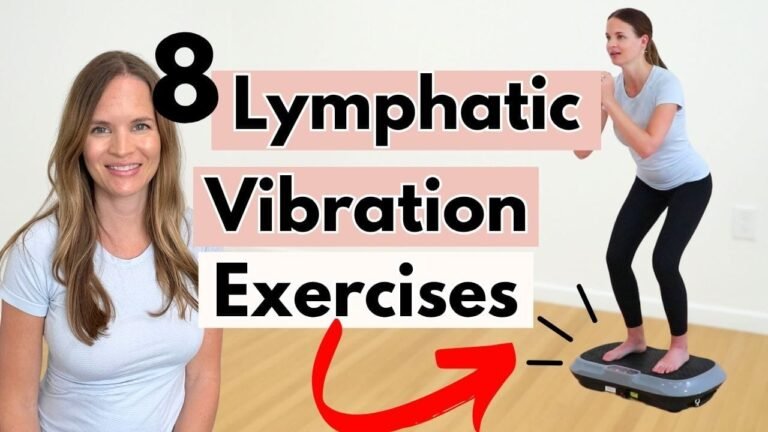
A vibration plate squat is a half squat with both feet on the moving platform.
- Wakes up the thighs and glutes without heavy weights
- Takes 2–3 minutes per set, so it fits a short session
- Improves how steadily you can lower and hold your body weight
- Works even at low vibration settings, so it’s gentle on the knees
A typical example: stand on the plate with feet shoulder-width apart, lower into a half squat, and hold it for 30 seconds at a low-to-medium setting. Rest, then repeat twice.
Calf raises on a vibration plate
Calf raises mean rising onto the balls of your feet while the plate vibrates, and they also train your balance. Because you’re on your toes, your ankles and lower legs are working to keep you steady.
- Strengthens the calves, which support every step you take
- Sharpens ankle stability, useful as you get older
- Needs no bending, so it suits people with stiff hips or knees
- Doubles as a balance drill without any extra equipment
Try it like this: stand tall, hold a wall or chair for light support, and rise onto your toes for 20–30 seconds while the plate runs at a low setting. Lower slowly and repeat three times.
Plank on a vibration plate
A vibration plate plank is a forearm plank with your elbows on the platform. The vibration adds challenge to the hold, so a short hold can feel harder than it looks. It suits people who already plank comfortably.
- Trains the deep core muscles that protect your lower back
- A 20–30 second hold is enough — no need for minutes
- Also works shoulders and arms in the same hold
- Adds challenge without adding any equipment
One real example: set the plate to low, place both forearms on it, extend your legs behind you and hold a straight line for 20 seconds. Keep your hips level — if they sag, drop to your knees.
If you have wrist, shoulder or back problems, a shaking plank can make things worse, so clear it with a doctor or physiotherapist first.
Lunges on a vibration plate
A vibration plate lunge puts your front foot on the platform and your back foot on the floor. The moving leg gets the vibration while the other controls your balance.
- Fixes strength differences between your left and right leg
- Builds hip and thigh strength for stairs and walking
- Trains balance more than two-footed moves do
- Needs only a small space to step back into
Do it like this: place your right foot in the centre of the plate, step your left foot back into a lunge, and hold for 20–30 seconds at a low setting. Swap sides and repeat twice each.
Other moves worth knowing
- Push-ups (hands on the plate) — hands on the platform, body lowered toward it. Good for chest and arms if floor push-ups feel too hard; drop to your knees.
- Glute bridge — lie on your back, heels on the plate, lift your hips. For people who sit most of the day and want their hips working again.
- Standing balance — simply stand on the plate with soft knees for 1–2 minutes. The easiest starting point for beginners or anyone recovering between workouts.
- Massage and recovery stance — sit with your legs or calves resting on the plate after a workout. For loosening tight muscles, not for building strength.
Which vibration plate exercise is yours?
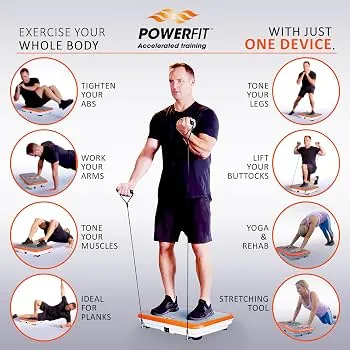
Start from what you want to reach. If your goal is general strength and you’re new to the machine, squats are the safest first move. If balance or ankle strength is your concern — common as you get older — calf raises give you the most for the effort. If you already exercise and want a harder core workout, the plank is the one. And if one leg feels weaker than the other, lunges will show you and fix it.
These combine well. A 10-minute session of squats, calf raises and a plank covers most of the body, and none of them rules out the others. You don’t have to pick one and leave the rest.
The limit here is your machine’s vibration speed. Two plates set to the same number can feel completely different, so check the frequency range printed on your machine or in its manual, and start at the lowest setting your model offers.
Related guides
- Best Kettlebells for One-Hand Exercises 2026: Top Picks for Strength
- What are the Different Types of Weight Plates Explained Simply
Frequently asked questions
Can you lose weight just standing on a vibration plate?
No. Standing alone burns very few calories. The plate works best as a support for real exercises like squats and lunges, combined with a normal healthy diet.
How long should you spend on a vibration plate?
Most sessions run 10–15 minutes, built from holds of 20–30 seconds each. Start with 5 minutes at the lowest setting and add time only when it feels easy.
Is it safe to use a vibration plate every day?
For most healthy people, yes, at low settings. If you’re pregnant, have a pacemaker, recent surgery, or a hernia, ask your doctor first before using a vibration plate.
What happens if you use a vibration plate too much?
You can get sore muscles, dizziness or joint strain, the same as overdoing any workout. If you feel numbness, sharp pain or ongoing headaches, stop and see a doctor.
Does it matter what speed you set?
Yes, speed is the main dial you turn. Low speeds suit balance work and beginners; higher speeds make strength holds harder. Always start low and step up one setting at a time.
Can older adults do vibration plate exercises?
Yes, and the standing and calf-raise moves suit them well. Start with 5 minutes at the lowest speed, keep a chair or wall nearby, and check with a doctor first.
How soon will you see results?
Many people feel steadier and less stiff after a few weeks of regular short sessions, while visible strength and muscle changes take longer, as with any exercise.
Your first vibration plate session
Set your plate to its lowest speed and do one 30-second squat hold, then two 20-second calf raises. You should feel your muscles buzzing and working by the end of each hold. If you feel sharp pain, dizziness or numbness, stop and speak to your doctor before continuing.
I am a certified fitness coach with over 10 years of experience helping people improve their strength, endurance, and overall health. Specializes in workout programming, weight training, fat loss, muscle building, home fitness, and evidence-based nutrition.My goal is to make fitness simple and practical through well-researched guides, honest product reviews, and actionable training advice.