For most people, the best exercise for lymphatic system health is brisk walking, because your lymph vessels rely on muscle movement to push fluid along, and walking does that safely for nearly everyone. If your joints can’t take regular walking, rebounding on a mini-trampoline is the next best choice.
Exercise that helps your lymphatic system
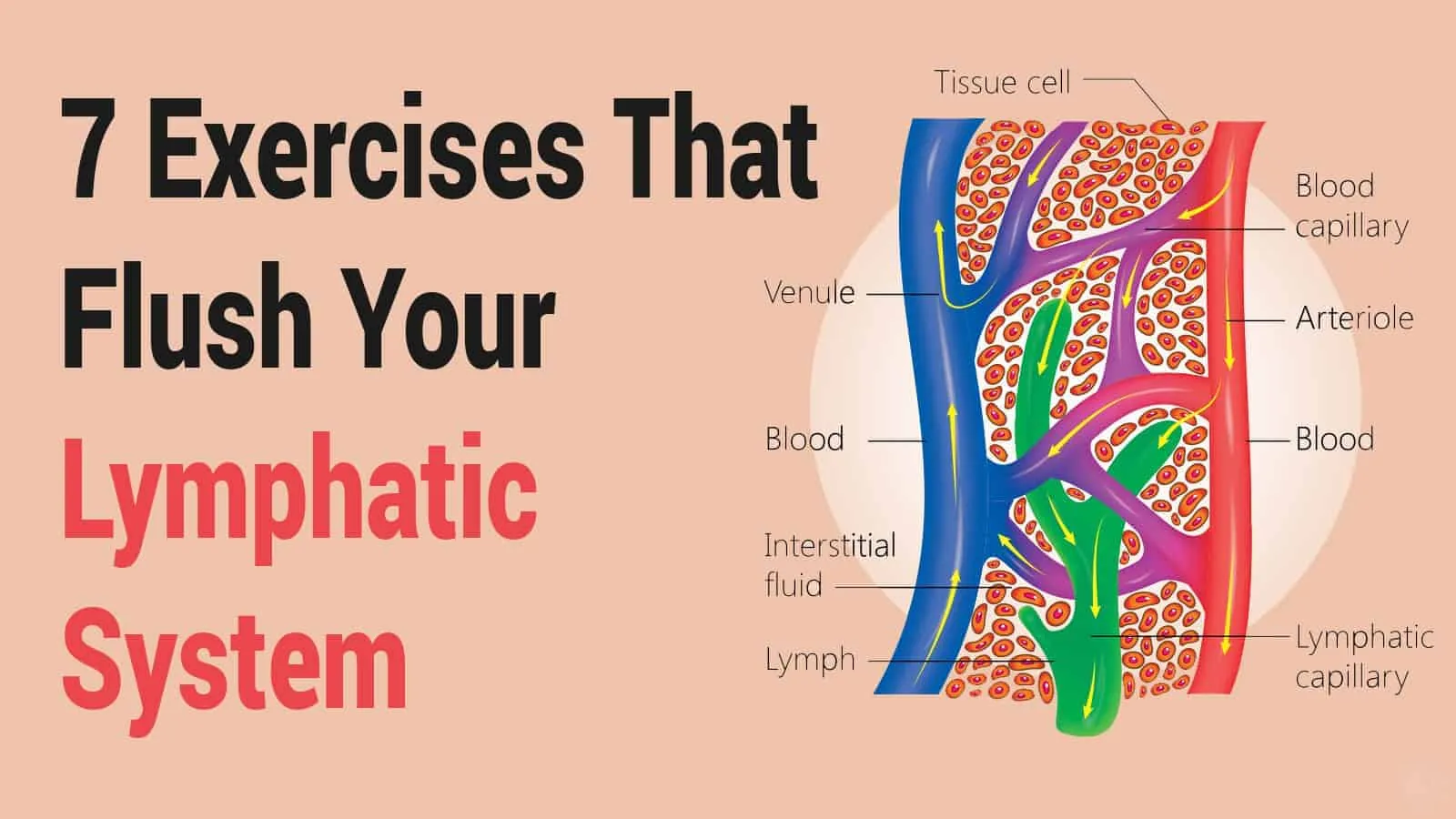
Your lymphatic system has no pump like your heart. It only moves when your muscles squeeze the vessels around it, so nearly any rhythmic movement helps. The real differences come down to intensity, joint impact, and how long you can keep it up. Here’s how the main options compare.
| Method | How long | Effort | Cost | Best for |
|---|---|---|---|---|
| Brisk walking | 30 min a day | Low | Low | Most people, every day |
| Rebounding (mini-trampoline) | 10–15 min | Medium | Medium | Bad knees, short sessions |
| Swimming | 30 min | Medium | Medium | Full-body movement, low impact |
| Yoga with deep breathing | 15–20 min | Low | Low | Gentle days, beginners |
Brisk walking, step by step
Walking works because your leg muscles contract against the ground with every step, squeezing lymph vessels in your calves and thighs.
- Start with 5 minutes at an easy pace to warm up.
- Speed up until you can talk but couldn’t sing — that’s the brisk zone.
- Keep going for 20–30 minutes, letting your arms swing naturally.
- Cool down with 5 easy minutes.
Its strength is that you can do it anywhere, with no equipment, and it doesn’t beat up your body. Its weakness is that it’s easy to walk too slowly and get little benefit — if you can sing along to music while you walk, you’re not moving fast enough.
Rebounding on a mini-trampoline

Rebounding uses gentle up-and-down bouncing, and the muscle activity involved helps move lymph along. You don’t jump high — your feet barely leave the surface.
- Stand in the center of the trampoline, feet hip-width apart.
- Bounce gently for 1–2 minutes, letting your heels lift but not jumping hard.
- Add small arm swings or light knee lifts as you get comfortable.
- Build up to 10–15 minutes, once or twice a day.
It’s easy on the knees and takes less time than a walk. Its weakness: a mini-trampoline costs money and takes up space, and if your balance isn’t steady, you’ll need a support bar model or a hand on a wall.
Swimming and water movement
Water presses on your whole body, and that constant pressure supports lymph flow while your muscles work against the water’s resistance.
- Get in waist-to-chest-deep water and walk or march for 5 minutes.
- Swim easy laps, or do water walking, for 20–30 minutes.
- Finish with slow leg swings and arm circles at the edge.
Its strength is full-body, low-impact movement — no other method works your arms and legs at once without impact. Its weakness is access: you need a pool, and for many people that means a membership or a schedule you don’t control.
A fourth option: lymphatic drainage massage, done by a trained therapist. It’s useful after surgery or for medical swelling, but it’s a treatment, not exercise, and it costs far more per session.
Which one fits your situation?
If you’re short on time, rebounding is a convenient option — 10 minutes of gentle bouncing is a quick session you can fit in. If you’re starting from zero fitness, begin with walking, because you already know how and you can’t really do it wrong. The trade-off is simple — the easier a method is on your body, the longer you need to do it, so the gentlest options demand more minutes.
Rules that work for every method

Whichever you pick, the same basics apply. General activity guidelines from CDC physical activity recommendations call for about 150 minutes of moderate movement a week for adults — your lymph work fits inside that, not on top of it.
- Before: drink a glass of water to stay hydrated.
- During: keep it moderate. Panting-hard exercise isn’t better here.
- After: if you have swelling in one limb that’s new, getting worse, or only on one side, stop self-treating and see a doctor — that pattern needs a proper diagnosis, not a workout plan.
How much movement you need varies with your starting point.
Frequently asked questions
How long does it take to see results from lymphatic exercise?
Many people report feeling looser and less puffy after a period of daily movement. Visible swelling changes take longer, and ongoing swelling after two weeks of consistent exercise should be checked by a doctor.
Can exercise help with lymphedema?
Yes, but carefully. For diagnosed lymphedema, exercise is usually part of treatment, but it should be prescribed alongside compression by a lymphedema therapist. Starting intense exercise without that support can make swelling worse.
Is rebounding safe for bad knees?
For many people, the trampoline’s surface is softer than hard pavement, which some find easier on the knees. If kneeling, jumping, or deep knee bends already hurt, start with 2–3 minutes of gentle bouncing and stop if pain increases.
What happens if you don’t move enough?
Your lymph flow slows down, since your muscles are its only pump. That doesn’t cause disease by itself, but long sitting can leave you feeling stiff and puffy, and existing swelling often feels worse after an inactive day.
Why does deep breathing matter for lymph flow?
Your diaphragm’s movement helps draw lymph through the largest lymph vessel in your chest. Slow, deep belly breaths create pressure changes that help move lymph upward, which is why yoga and breathing work pair well with any of the exercises above.
Is it safe to exercise every day for lymph health?
Yes. Gentle, moderate movement like walking, easy rebounding, or swimming is safe daily for healthy adults. If you feel exhausted, unusually sore, or notice new swelling, take a rest day and ease the intensity back down.
Conclusion
Movement beats any gadget or supplement here — pick the option you’ll actually repeat, start with ten minutes today, and build from there.

I am a certified fitness coach with over 10 years of experience helping people improve their strength, endurance, and overall health. Specializes in workout programming, weight training, fat loss, muscle building, home fitness, and evidence-based nutrition.My goal is to make fitness simple and practical through well-researched guides, honest product reviews, and actionable training advice.