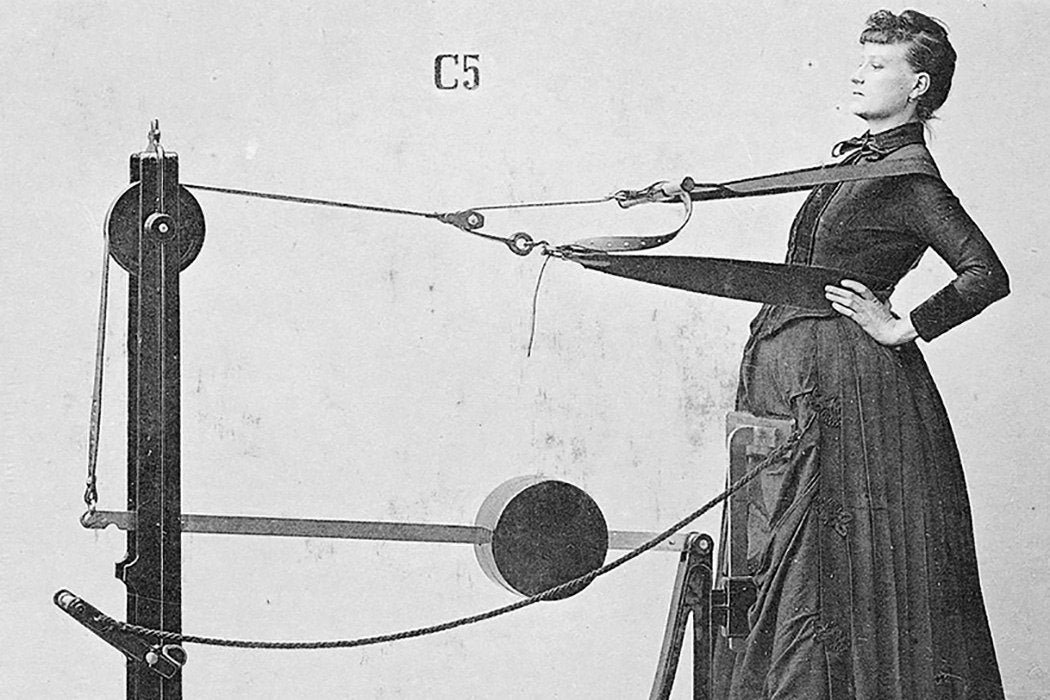
Whole body vibration starts in the 1800s, when doctors noticed that shaking a muscle made it work harder. You stand on it, your muscles twitch fast, and your body reacts like it’s exercising.
How a vibration platform works
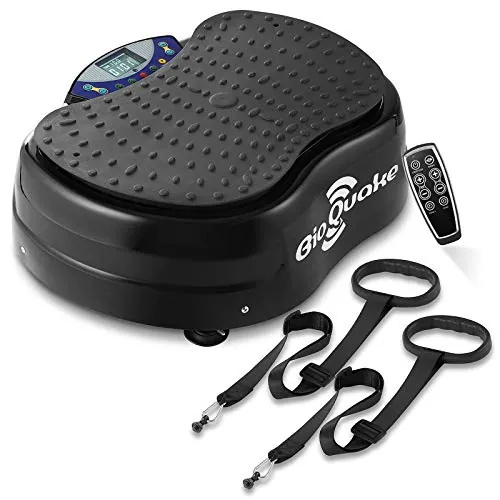
A vibration platform sends energy up through your feet, and your muscles answer with fast contractions. The machine controls two things: how far the platform moves and how many times per second it moves.
| Part or input | What it does | What you notice when it goes wrong |
|---|---|---|
| Motor | Spins the platform | Platform feels weak or stalls |
| Platform plate | Moves up and down or side to side | Wobble or uneven shake |
| Frequency setting | Sets shakes per second | Too slow feels like nothing |
| Amplitude setting | Sets how far it travels | Too big feels jarring |
| Your stance | Decides which muscles load | Knees locked, no effect |
| Session timer | Controls how long you stand | Too long, next-day soreness |
Frequency is measured in hertz. Amplitude is measured in millimeters, the distance the plate travels. The label on the machine or its manual lists both — that’s where you check your own numbers, not a guess.
What happens in one session
A full cycle runs from the moment you step on to the moment you step off.
- You set frequency and amplitude on the panel, using the range printed in your machine’s manual for your model.
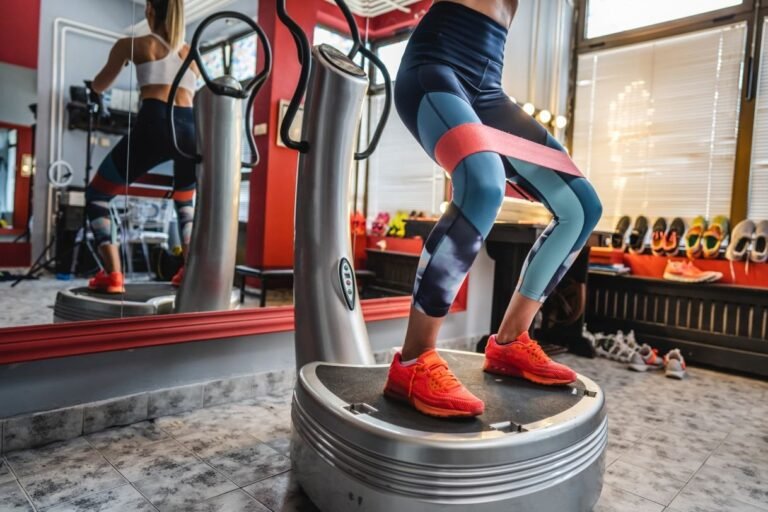
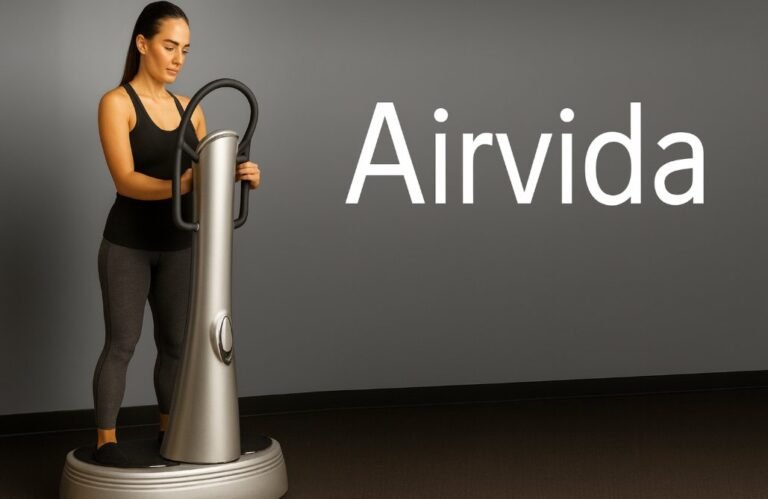
- You step on barefoot or in thin-soled shoes, feet about shoulder-width apart, and grip the handles if your machine has them.
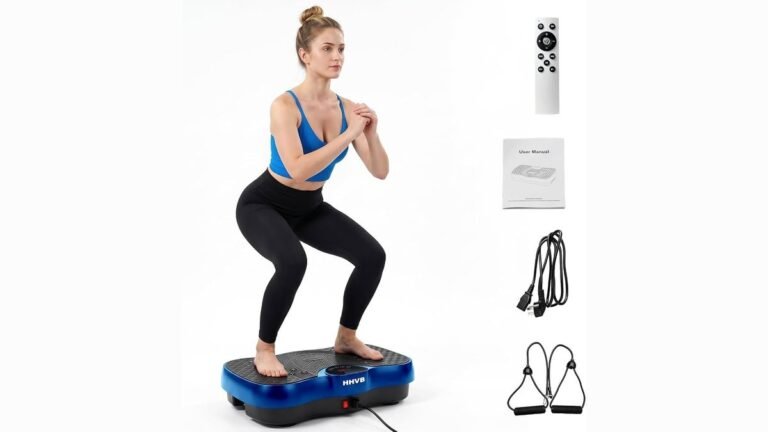
- You bend your knees slightly — roughly 15 to 30 degrees — so the shake travels into your thighs, not just your feet.
- The plate starts moving. Muscles fire in short bursts, often many times per second, far faster than you could tense them on purpose.
- You hold the stance for 30 to 60 seconds on most home machines, though commercial units often run shorter.
- You rest for about the same time, then repeat for 2 to 5 rounds depending on your machine and fitness.
- You step off slowly, since your legs may feel unsteady for a minute or two afterward.
- You note the settings you used, so next time you can adjust one number at a time instead of both.
Why whole body vibration has a mixed reputation
Whole body vibration gets called both a workout and a gimmick because of what’s actually moving. A platform only loads the muscles that are fighting the shake. If you stand straight-legged, the vibration passes through bone and the effect drops. If you bend your knees and hold a squat, the load lands on your thighs and glutes.
Early claims about bone density and weight loss got ahead of the evidence. NASA did study vibration as a way to protect astronauts’ muscles and bones in space, and that work is real. But a space program’s findings don’t transfer to a 10-minute session in your living room. The dose, the stance, and the person are all different.
Muscle soreness after a session usually points to the stance and duration, not a broken machine. Joint pain points to amplitude being too high for your body.
What you control and what you don’t
You control more than you’d think. The machine sets the ceiling, but your body decides how much of that ceiling you use.
What you control
- Your stance: knee bend, foot width, and whether you add a squat or lunge.
- Your session length and how many rounds you do.
- Which frequency and amplitude you pick, within the machine’s range.
- Whether you hold the handles or let your legs do the balancing.
- How often you train — daily, every other day, or less.
What’s fixed by design
- The maximum frequency and amplitude the motor can produce.
- The direction of movement: most home plates go up and down, some also tilt.
- The plate’s size, which limits how wide your stance can be.
- The build quality, which sets how long the machine lasts.
If you have a joint replacement, a recent fracture, or you’re pregnant, talk to your doctor before you start.
Getting more out of each session

Progress comes from changing one number at a time. Bump frequency up by a small step and keep amplitude the same for a week before you touch anything else.
Warm up for 2 to 3 minutes with light movement before you step on, since cold muscles handle the shake worse. If you’re new, start with 2 rounds of 30 seconds and add a round weekly.
Frequently asked questions
When was whole body vibration first used?
Vibration for muscle work goes back to the 1800s, when doctors used shaking devices on patients. Modern motorized platforms grew out of Russian and later NASA research into muscle and bone loss in the 1960s through the 1980s.
Does whole body vibration actually build muscle?
It can load muscles, but the effect is smaller than lifting weights. The muscles fire fast and briefly, so it’s best seen as a supplement to resistance training, not a replacement for it.
How long should a whole body vibration session be?
Most home sessions run 10 to 20 minutes total, split into 30 to 60 second rounds with equal rest. Commercial machines often use shorter rounds, so check your own machine’s manual for its recommended range.
Is whole body vibration safe for your knees?
It’s safe for many people at low amplitude, but high amplitude can jar the joint. If you have knee problems, keep amplitude low and knees only slightly bent, and ask your doctor first.
What happens if you use it every day?
Daily use is fine for most healthy people at moderate settings, but daily high-amplitude sessions can leave you sore.
Why do some people say it doesn’t work?
Standing straight-legged with locked knees lets the shake pass through without loading muscle. Bending the knees and holding a stance is what turns the vibration into real work.
Can you lose weight with a vibration plate?
No — vibration alone burns few calories and won’t drive meaningful weight loss. It can add a small amount of muscle activity, but diet and cardio do the heavy lifting.
Does the direction of the plate matter?
It changes which muscles load. Up-and-down plates hit the legs most; tilting or side-to-side plates add more balance work. Neither is better — it depends on your goal.
Conclusion
Whole body vibration has been around for over a century, and the machine hasn’t changed as much as the claims around it. What decides your result is simple: knee bend, session length, and the two settings on the panel. Get those right, log them, and change one at a time.

I am a certified fitness coach with over 10 years of experience helping people improve their strength, endurance, and overall health. Specializes in workout programming, weight training, fat loss, muscle building, home fitness, and evidence-based nutrition.My goal is to make fitness simple and practical through well-researched guides, honest product reviews, and actionable training advice.