
If you have ever stood on a shaking platform at a gym or watched someone buzz through a workout on social media, you have probably wondered whether a vibration plate is worth the money. This vibration plate buying guide cuts through the hype and gives you the practical answers: what these machines actually do, which specs matter, what they cost, and how to avoid the duds.
Key Takeaways
- Frequency (Hz) and amplitude (mm) matter more than the brand name — match them to your goal before you buy.
- Oscillating plates suit most beginners; tri-planar (spiral) plates are the most intense and cost the most.
- Expect to pay roughly $100–$1,500, with solid mid-range units around $250–$600.
- A weight capacity of at least 300 lb and a warranty of 2+ years are non-negotiable for durability.
- Vibration plates are a training supplement, not a weight-loss shortcut — pair them with resistance work.
What a Vibration Plate Actually Does
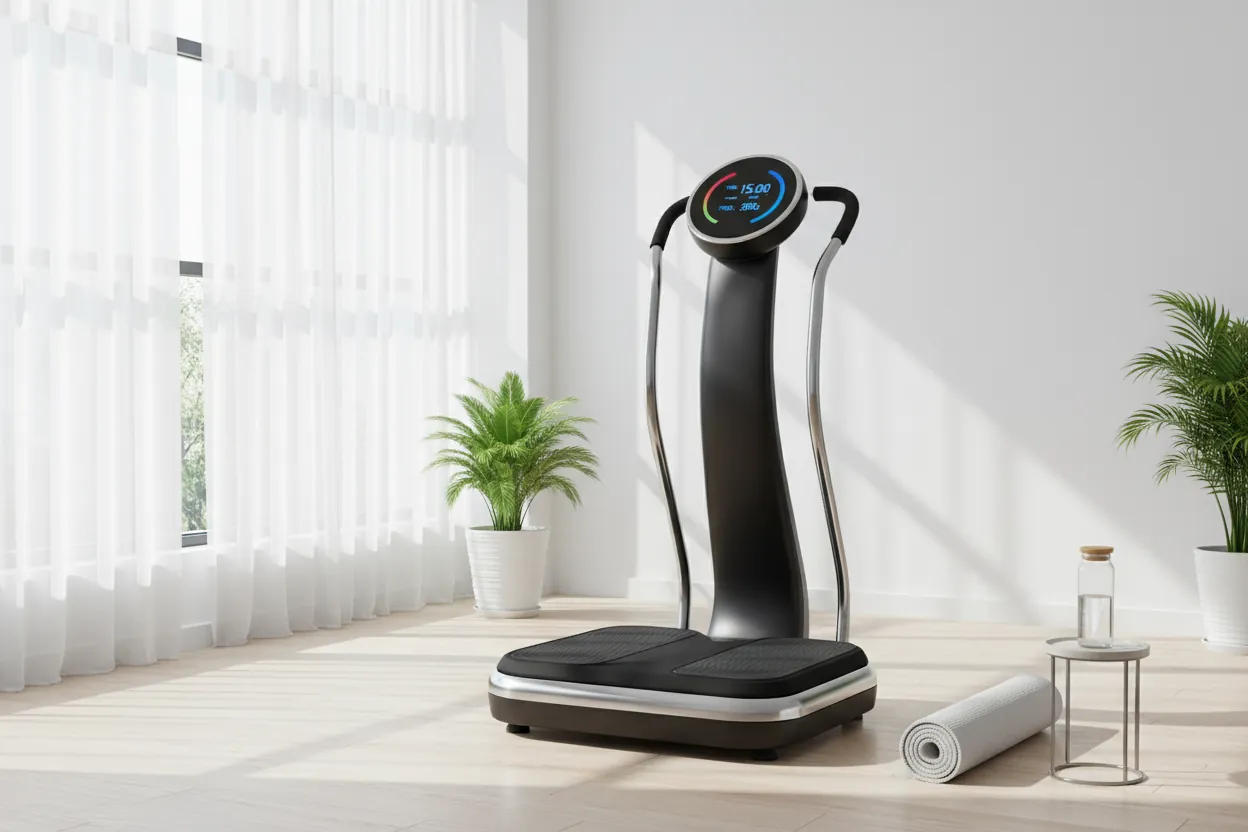
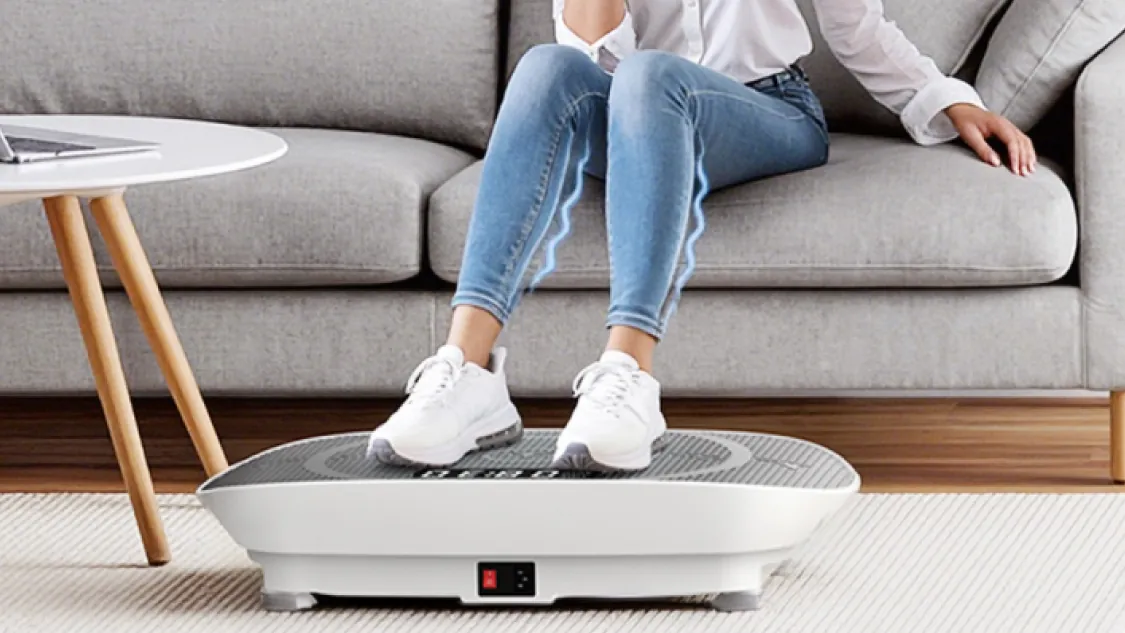
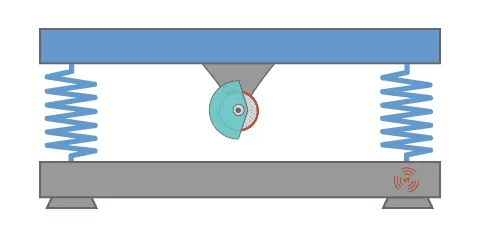
A vibration plate sends rapid mechanical oscillations through your body while you stand, sit, or hold a pose on it. Your muscles fire reflexively to stabilize you, which is why a 10-minute session can feel like a light workout. Research on whole-body vibration shows modest gains in strength and balance, but the effect depends heavily on how you use the machine — not the machine alone. It’s a tool for muscle activation, circulation, and balance training, not a passive fat-burner.
The Three Plate Types
| Type | Motion | Best For | Typical Price |
|---|---|---|---|
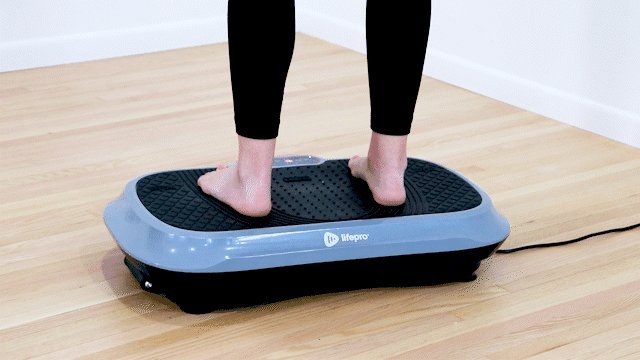
| Oscillating (pivotal) | See-saw, side to side | Beginners, balance, rehab | $150–$600 |
| Vertical (linear) | Up and down | Strength, higher intensity | $200–$800 |
| Tri-planar (spiral) | Three-directional | Advanced users, max intensity | $600–$1,500 |
Oscillating plates are the gentlest and the easiest to adapt to. Vertical plates deliver more force but are harder on joints. Tri-planar units combine both and are the premium option.
Frequency and Amplitude Explained
These two numbers decide whether a plate is right for you.
- Frequency (Hz): the number of oscillations per second. Most home plates run 5–40 Hz. Lower ranges (5–15 Hz) suit warm-ups and circulation; higher ranges (20–40 Hz) target strength and power.
- Amplitude (mm): how far the plate travels. Typical range is 1–10 mm. Higher amplitude means more intensity, but also more stress on joints.
Pro Tip: For general fitness, look for a plate that reaches at least 30 Hz with adjustable amplitude — fixed-amplitude budget models limit your progression.
Features Worth Paying For
| Feature | Why It Matters | Skip It If |
|---|---|---|
| Adjustable speed | Lets you progress | You only want light use |
| Resistance bands | Adds upper-body work | You train arms separately |
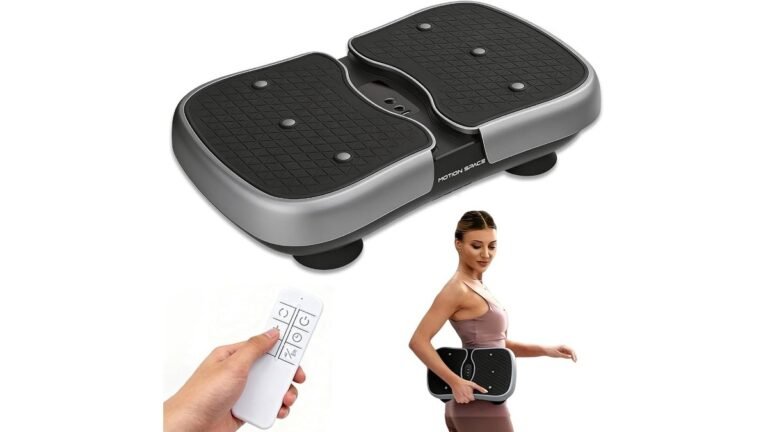
| Remote control | Safer speed changes mid-pose | You always start slow |
| Non-slip surface | Prevents falls | — (always required) |
| Handrails | Helps balance beginners | You’re experienced |
Warning: A smooth, grippy deck is a safety feature, not a luxury. Falls on a moving plate are a real risk, especially for older users.
Who Should Not Use One
Vibration plates aren’t for everyone. Check with a doctor first if you’re pregnant, have a pacemaker, recent fractures, hernias, or uncontrolled hypertension. The FDA regulates some vibration devices as medical equipment, so if a seller claims medical benefits, verify the clearance before trusting it. For most healthy adults, sessions of 10–15 minutes, three to four times a week, are a sensible starting point.
How to Use It Properly
- Start at the lowest speed for your first week.
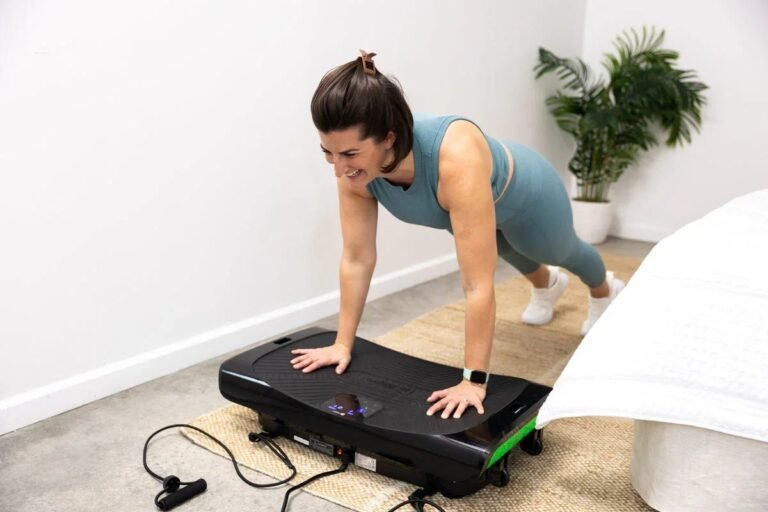
- Hold basic poses — squat, lunge, plank — for 30–60 seconds.
- Add resistance bands for upper-body activation.
- Progress the frequency, not the duration, as you adapt.
- Stop if you feel dizzy or experience joint pain.
Bold labels aside, consistency beats intensity here. Ten focused minutes done regularly outperforms one long, sporadic session.
Budget vs Premium: What Changes
Cheap plates ($100–$200) usually offer fixed speed, lower build quality, and shorter warranties. Mid-range models ($250–$600) add adjustable frequency, better motors, and 2–3 year warranties. Premium plates ($700+) bring tri-planar motion, higher weight limits, and commercial-grade components. For home use, the mid-range is the sweet spot for most buyers.
Common Mistakes to Avoid
- Buying on amplitude alone without checking frequency range.
- Ignoring the weight capacity — under-spec’d motors fail fast.
- Skipping the warranty terms, especially motor coverage.
- Expecting weight loss without diet or resistance training.
- Choosing a plate too small for your stance width.
Frequently Asked Questions
How much should I spend on a vibration plate?
Most home users get the best value between $250 and $600. Budget models under $200 work for light use but often lack adjustable frequency. Premium plates above $700 suit serious or commercial use.
Do vibration plates actually help you lose weight?
They can modestly increase calorie burn and muscle activation, but they aren’t a weight-loss solution on their own. Pair them with a calorie-controlled diet and resistance training for real results.
What frequency is best for beginners?
Start around 10–15 Hz and progress gradually. Once comfortable, move toward 20–30 Hz for strength work. Never jump straight to the highest setting.
Are vibration plates safe for knees?
Oscillating plates are generally gentler on joints than vertical ones. If you have knee issues, choose lower amplitude and consult a physiotherapist before starting.
How long should a session last?
10–15 minutes, three to four times weekly, is plenty for most people. Longer sessions don’t necessarily mean better results and can increase fatigue.
Can I use a vibration plate every day?
Daily light use is usually fine, but muscles need recovery. Most guidelines suggest three to four sessions per week with rest days between.
The Bottom Line on Specs
Focus on frequency range, amplitude, weight capacity, and warranty before you look at brand names. A well-specced mid-range plate will outperform a flashy budget one every time.
Pick your goal first — balance, strength, or circulation — then match the plate type and specs to it. Write down your budget, shortlist two or three models that hit your frequency and weight-capacity targets, and check the warranty before you click buy.
I am a certified fitness coach with over 10 years of experience helping people improve their strength, endurance, and overall health. Specializes in workout programming, weight training, fat loss, muscle building, home fitness, and evidence-based nutrition.My goal is to make fitness simple and practical through well-researched guides, honest product reviews, and actionable training advice.