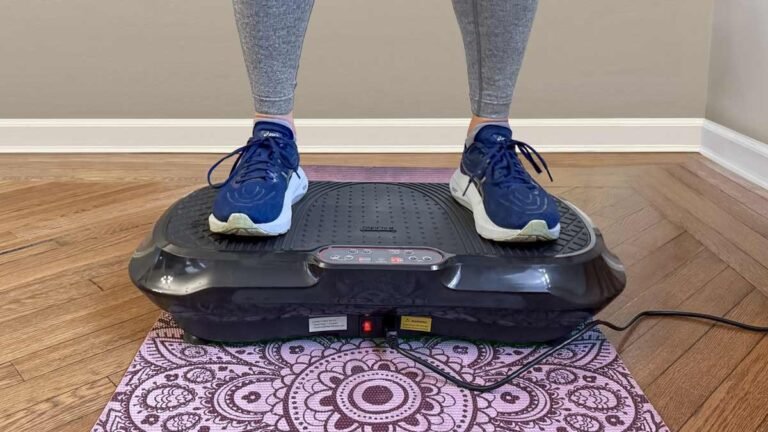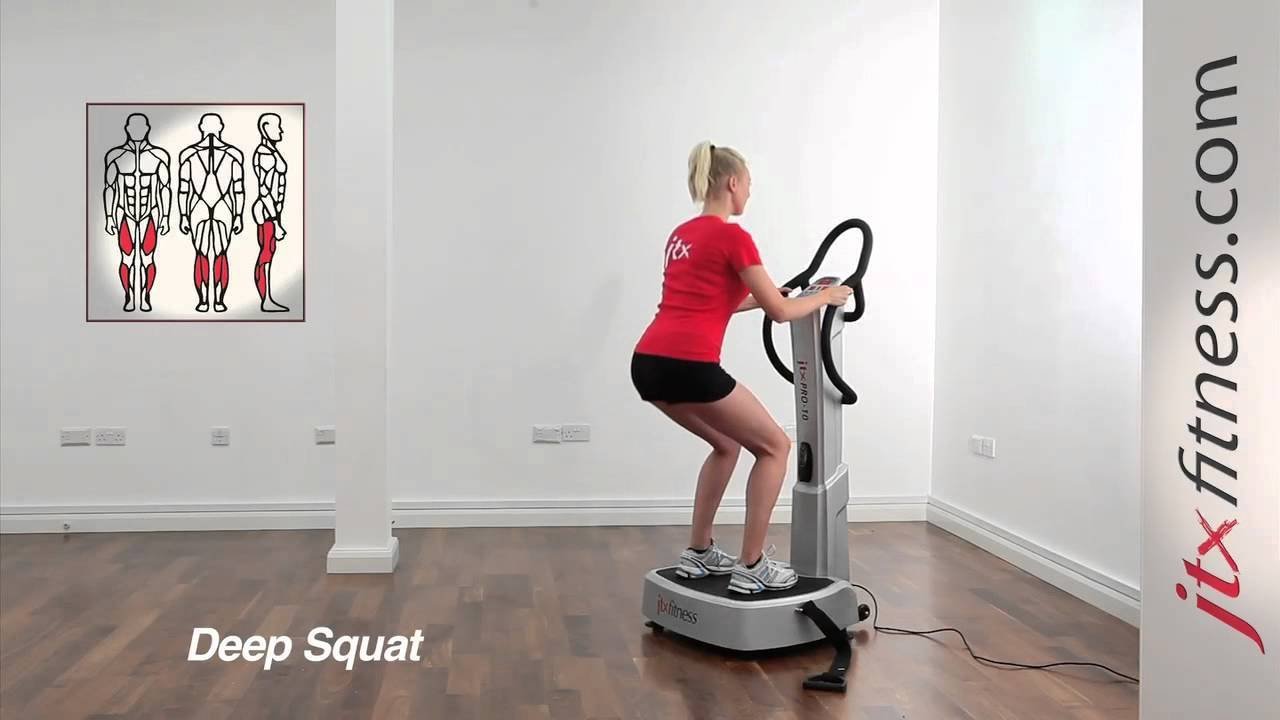
This guide covers whether vibration plates improve squats, how to do them safely, and what to expect. The short answer: doing squats on a vibration plate can increase muscle activation compared with floor squats, mostly because your stabilizing muscles work harder against the rapidly moving surface.
Key Takeaways

- Squats on a vibration plate can boost muscle activation because your body fights the oscillating surface, but research shows the effect is an enhancement, not a replacement for regular strength training.
- Start with a low frequency (15–20 Hz) and short sessions of 5–10 minutes; most home plates max out around 30–40 Hz.
- A half-squat position (knees bent 30–60 degrees) is the standard stance; deep squats on a moving plate raise your risk of losing balance.
- Adults should aim for muscle-strengthening work at least twice a week, according to the CDC physical activity guidelines for adults, and vibration squats can count toward that.
- People who are pregnant, have recent surgery, acute hernia, severe cardiovascular disease, or implanted electronic devices shouldn’t use vibration plates.
- Expect noticeable results in 4–8 weeks of consistent use, mainly in quadriceps, glutes, and balance.
Why Squats Work Better on a Vibration Plate
A vibration plate moves a few millimeters up and down, typically 15–50 times per second. Holding a squat on that surface forces constant micro-adjustments to stay stable.
Studies on whole body vibration (WBV) generally find modest increases in muscle activation and small improvements in leg strength and bone density when vibration is combined with exercise.
How to Do Squats on a Vibration Plate: Step by Step
Setup
- Place the plate on a firm, level floor — never carpet pile or an uneven surface.
- Stand with feet shoulder-width apart, centered on the platform.
- Set frequency to 15–20 Hz for your first sessions.
- Keep a slight bend in the knees at all times; locked knees transmit vibration straight to your spine.
The Movement
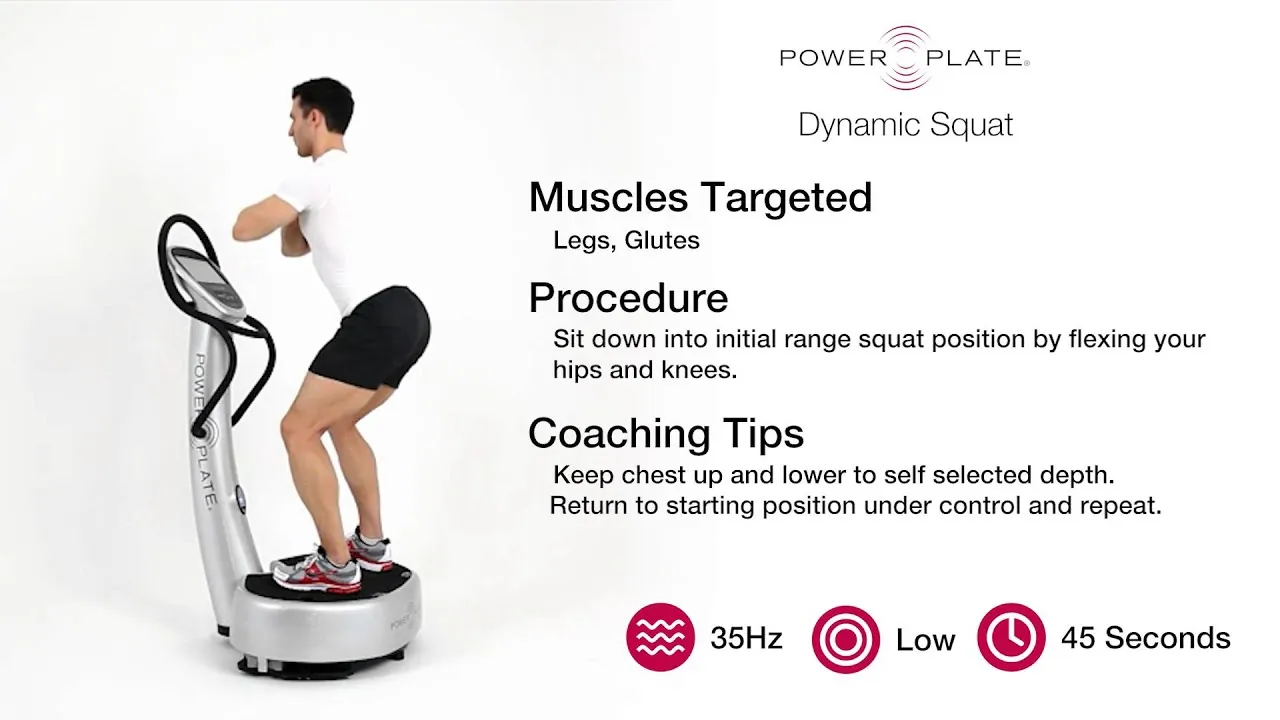
- Push your hips back and bend your knees into a half squat, thighs roughly 45 degrees from vertical.
- Keep your chest up, weight in your heels, and knees tracking over your toes.
- Hold the bottom position for 15–30 seconds, or perform slow, controlled repetitions.
- Step off the plate between sets to rest your nervous system.
Sets and Reps
| Variable | Beginner | Intermediate | Advanced |
|---|---|---|---|
| Frequency | 15–20 Hz | 20–30 Hz | 30–40 Hz |
| Hold per set | 15–20 sec | 30–45 sec | 45–60 sec |
| Sets | 2–3 | 3–4 | 4–5 |
| Rest between sets | 60–90 sec | 45–60 sec | 30–45 sec |
| Sessions per week | 2–3 | 3 | 3–4 |
Pro Tip: If the vibration makes your teeth chatter or your vision blur, the frequency is too high or your knees are too straight.
Squat Variations to Try on the Plate
Once the basic hold feels controlled, rotate through these:
- Sumo squat hold — wide stance, toes turned out, emphasizes inner thighs and glutes.
- Squat with overhead reach — raises your center of mass and increases core demand.
- Calf raise in squat position — targets the lower leg while the thighs stay loaded.
- Single-leg squat hold — advanced; hold a wall or rail for support.
- Squat with dumbbells — light weights (5–15 lb) only, keeping your balance intact.
Common Mistakes and How to Fix Them
| Mistake | Why It’s a Problem | Fix |
|---|---|---|
| Standing with locked knees | Vibration travels to the spine and head | Keep a soft knee bend at all times |
| Squatting too deep too soon | Balance loss and joint strain | Master the half squat for 2–3 weeks first |
| Sessions over 15 minutes | Fatigue wrecks form and raises injury risk | Cap early sessions at 10 minutes |
| Craning the neck forward | Neck tension plus vibration causes headaches | Eyes forward, chin level |
| Ignoring the machine’s max weight | Plate motors fail or run erratically | Check the rated capacity, usually 250–330 lb |
Warning: Stop immediately if you feel numbness, sharp joint pain, dizziness, or chest discomfort. Vibration amplifies whatever is already irritated.
What Results to Expect and When
With 3 sessions per week, most users report tighter-feeling legs and better balance within 4–8 weeks. Think of the plate as a way to add intensity to bodyweight work, warm up before lifting, or maintain strength when you can’t get to the gym.
Who Should Avoid Vibration Plate Squats
Skip the plate if you have any of the following:
- Pregnancy
- Recent fractures, surgeries, or joint replacements (within the healing window your surgeon sets)
- Acute thrombosis or severe circulatory problems
- Implanted electronic devices such as pacemakers or cochlear implants
- Acute hernia, retinal detachment history, or severe epilepsy
- Uncontrolled high blood pressure or acute cardiovascular disease
If you’re over 65 or managing a chronic condition, check with your doctor first.
Choosing a Plate That Handles Squats
| Feature | Minimum for Squats | Better Option |
|---|---|---|
| Platform size | 20 inches wide | 25+ inches wide |
| Max user weight | 250 lb | 300+ lb |
| Frequency range | 15–30 Hz | 10–40 Hz adjustable |
| Plate type | Oscillation (seesaw) | Dual motor (oscillation + linear) |
| Price range | $150–$300 | $400–$1,200 |
Brands include LifePro, Power Plate (the professional standard), Bulletproof Vibe, and Confidence Fitness. Larger platforms matter more than top speed — you need room for a stable shoulder-width stance.
Frequently Asked Questions
How long should I stand on a vibration plate doing squats?
Start with 5–10 minutes total, split into holds of 15–30 seconds. Fatigue on a vibrating platform degrades form quickly, and sloppy form causes injuries.
Is it better to sit or squat on a vibration plate?
Squatting is far more effective. Sitting on the platform does little for your legs and is less controlled. A stability ball on the plate engages the core, but squats remain the primary use.
Can vibration plate squats help with weight loss?
Modestly. It burns calories and builds muscle, but a 10-minute session isn’t a major burner. Pair vibration squats with walking, resistance training, and a calorie deficit for fat loss.
What frequency should beginners use?
Begin at 15–20 Hz. Increase by 5 Hz only when you can hold a clean half squat for 45 seconds.
Do I wear shoes or go barefoot?
Either works, but thin-soled shoes or bare feet give better proprioception. Thick, cushioned running shoes dampen the vibration and reduce the effect.
Can I do squats on a vibration plate every day?
Not recommended. Your muscles need 24–48 hours to recover, same as any strength work.
Conclusion
Vibration plate squats are a low-impact, time-efficient way to add challenge to a basic movement, and they reward good form more than high settings. Start this week: set your plate to 15 Hz, hold a half squat for 20 seconds, and build from there — small, consistent sessions will get you further than one heroic workout ever will.

I am a certified fitness coach with over 10 years of experience helping people improve their strength, endurance, and overall health. Specializes in workout programming, weight training, fat loss, muscle building, home fitness, and evidence-based nutrition.My goal is to make fitness simple and practical through well-researched guides, honest product reviews, and actionable training advice.