Whole-body vibration platforms range from about $80 for a basic mini unit to $2,500 or more for a commercial-grade machine, and how you choose a vibration plate depends on your budget, your space, and what you actually want it to do. The specs that matter, the specs that don’t, and how to match a machine to your goal are covered below.
Key Takeaways
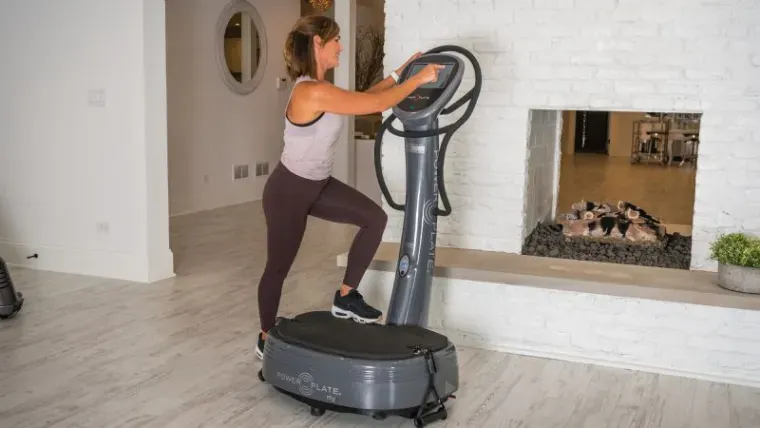
- Match the drive type first: oscillating (pivotal) plates tilt side to side and suit balance and rehab; lineal (vertical) plates move straight up and down and are the better fit for strength and bone-density goals.
- Motor type beats motor size in marketing: most home units use AC motors, while brushless DC motors run quieter and last longer but cost more.
- Amplitude and frequency are the two specs that change your workout. Look for adjustable frequency (roughly 5–40 Hz) and amplitude of 1–2 mm (lineal) or 10–12 mm (oscillating).
- Weight capacity and build quality matter more than app features. A steel frame rated to at least 300 lb will outlast a plastic deck with a Bluetooth speaker.
- Return shipping on a 60-lb platform can cost $100+. Buy from a seller with a clear return policy before you commit.
How a Vibration Plate Actually Works
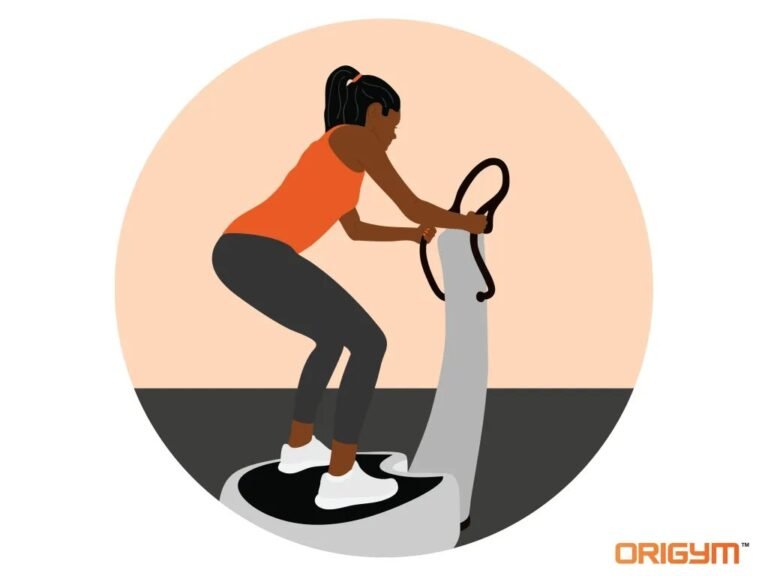
A motor drives a platform that oscillates or moves vertically, and your muscles respond with rapid, involuntary contractions to keep you stable. That reflex is why a 10-minute session can feel like a workout: your stabilizing muscles fire dozens of times per second. The effect is real, but it isn’t a replacement for resistance training or cardio — it’s an add-on.
Choose the Drive Type First
This is the single decision that shapes everything else.
| Drive type | Motion | Best for | Typical amplitude |
|---|---|---|---|
| Oscillating (pivotal) | Side-to-side seesaw | Balance, rehab, circulation | 10–12 mm |
| Lineal (vertical) | Straight up and down | Strength, bone density, athletic training | 1–2 mm |
| Tri-planar | Combines both | General fitness, variety | Varies |
Oscillating plates are gentler and easier to stand on. Lineal plates deliver more force per movement and are the type most often used in clinical and athletic settings. If you have joint issues or you’re new to vibration training, start with oscillating.
What Specs Should You Compare?
Ignore the marketing and check these five numbers.
- Frequency range: Look for 5–40 Hz. Lower frequencies (5–15 Hz) suit stretching and rehab; higher (25–40 Hz) suit strength work.
- Amplitude: The distance the plate travels. Lineal plates run 1–2 mm; oscillating plates run 10–12 mm. Adjustable amplitude is worth paying for.
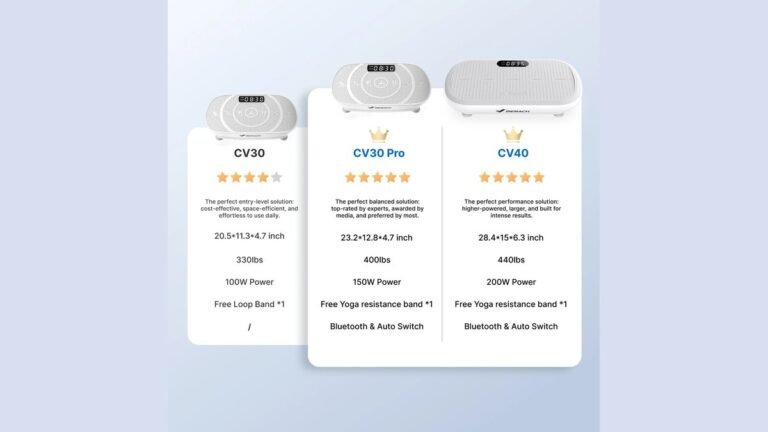
- Weight capacity: A minimum of 300 lb for home use. Commercial units often rate 400 lb or more.
- Motor type: AC motors are common and cheap; brushless DC motors are quieter, more efficient, and longer-lasting.
- Platform size: At least 20 x 30 inches if you plan to do more than stand still. Small plates limit you to standing and seated moves.
Which Brands and Models Are Worth a Look?
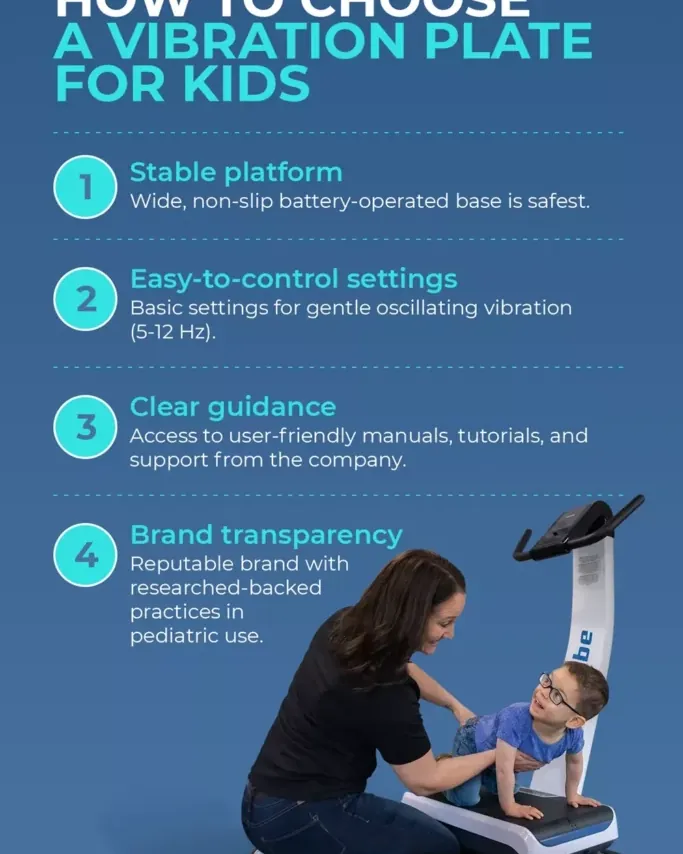
You don’t need to chase a single “best” brand — you need a machine whose specs match your goal. A few names that exist and are commonly sold:
- LifePro — budget to mid-range, widely available, good entry point.
- Power Plate — commercial and prosumer line, the brand most rehab clinics use.
- Hypervibe — lineal plates with strong specs for the price.
- Theralive — oscillating plates aimed at home users.
Pro Tip: Buy from a retailer with a stated return window and check who pays return freight. Vibration plates are heavy, and shipping a 60-lb unit back can cost $100 or more.
Match the Machine to Your Goal
| Your goal | Drive type | Frequency | Amplitude |
|---|---|---|---|
| Weight loss / general tone | Oscillating or lineal | 20–30 Hz | Moderate |
| Bone density | Lineal | 30–40 Hz | Low (1–2 mm) |
| Balance and rehab | Oscillating | 5–15 Hz | High (10–12 mm) |
| Athletic performance | Lineal | 30–40 Hz | Low to moderate |
If your goal is bone health, note that the evidence for vibration and bone density is mixed and most supportive studies use specific protocols. The U.S. Bone and Joint Initiative publishes background on bone health that puts vibration in context alongside load-bearing exercise.
Don’t Overpay for These Features
- Bluetooth speakers and app control — nice, not necessary.
- Huge exercise libraries — most are repackaged bodyweight moves.
- “Detox” or “lymphatic drainage” claims — no credible mechanism supports these as marketed.
- Remote controls — useful, but not worth a $200 premium.
Spend the money on build quality and adjustable settings instead.
Safety and Who Should Skip It
Vibration training isn’t for everyone. Skip it, or get medical clearance first, if you:
- Are pregnant
- Have a pacemaker or implanted electronic device
- Have a history of blood clots or recent fractures
- Have severe osteoporosis or a spinal injury
- Experience dizziness or vertigo easily
Warning: Start with short sessions — 5 to 10 minutes — at low frequency, and build up. Overdoing it on day one is the most common beginner mistake.
Set Up and Use It Correctly
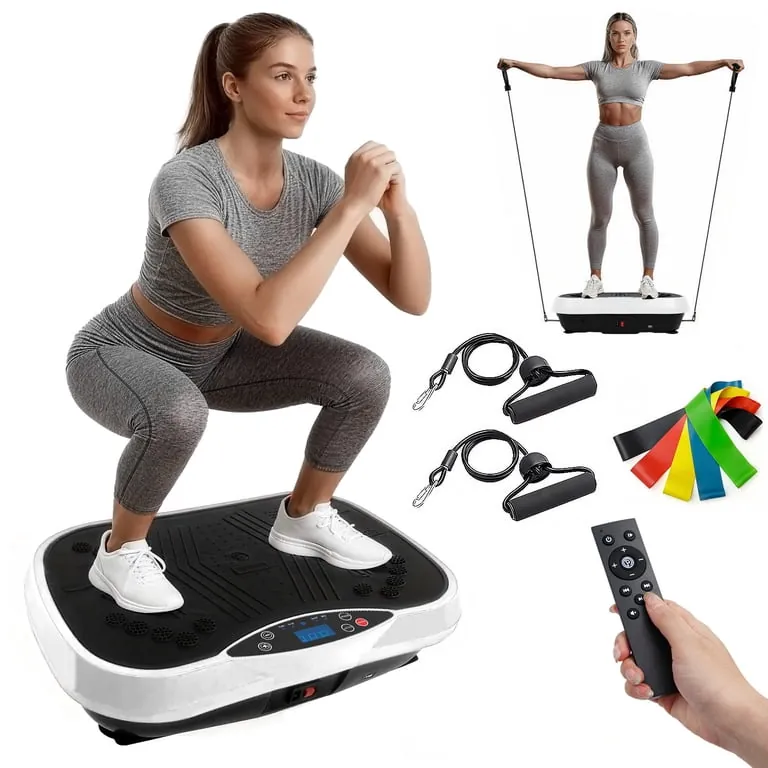
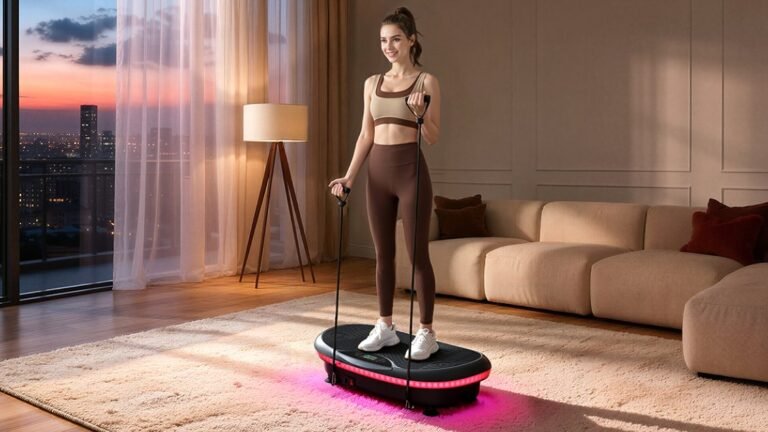
- Place the plate on a hard, level floor — carpet absorbs vibration and reduces the effect.
- Wear flat-soled shoes or go barefoot; cushioned running shoes dampen the vibration.
- Keep a slight bend in your knees to protect your joints.
- Progress by increasing time first, then frequency, then adding movements.
Frequently Asked Questions
How much should I spend on a vibration plate?
For occasional home use, $150–$400 gets a solid oscillating or entry lineal plate. For daily training or rehab, budget $500–$1,500. Commercial-grade machines run $2,000–$2,500+. Below $100, expect a small motor and limited frequency range.
Is a vibration plate as good as regular exercise?
No. It complements exercise but doesn’t replace it. Vibration training can improve balance, circulation, and muscle activation, but it won’t build the cardiovascular fitness or progressive strength that walking, lifting, or cycling will.
How often should I use a vibration plate?
Most protocols suggest 3–5 sessions per week, 10–15 minutes each. Beginners should start with 5 minutes at low frequency and add time gradually. Daily use is generally fine once you’re adapted.
What’s the difference between oscillating and lineal plates?
Oscillating plates tilt side to side like a seesaw, which is gentler and better for balance and rehab. Lineal plates move straight up and down, delivering more force and suiting strength and bone-density goals. Tri-planar plates combine both motions.
Can a vibration plate help with weight loss?
Only marginally. It burns calories and can support a fitness routine, but no credible evidence shows it produces significant weight loss on its own. Treat it as a supplement to diet and regular exercise, not a shortcut.
Do I need to anchor or bolt the plate down?
No. Vibration plates are freestanding and designed to sit on a hard floor. Just make sure the surface is level and there’s clearance around the platform so it can move freely without hitting walls or furniture.
Conclusion
Pick the drive type that matches your goal, confirm the frequency and amplitude are adjustable, and buy from a seller with a fair return policy. Start with a single 5-minute session this week, and let your body tell you whether the machine fits before you commit to a longer routine.

I am a certified fitness coach with over 10 years of experience helping people improve their strength, endurance, and overall health. Specializes in workout programming, weight training, fat loss, muscle building, home fitness, and evidence-based nutrition.My goal is to make fitness simple and practical through well-researched guides, honest product reviews, and actionable training advice.