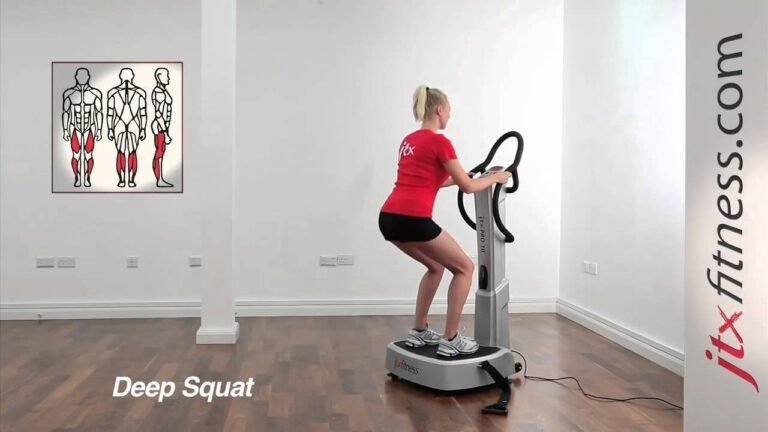

A power plate is real exercise equipment, not a passive fat-burner. It makes muscles contract many times per second, so a 15-minute session can feel like hard work — but the research on fat loss and bone strength is mixed.
Three things change what you’ll get. Your goal — strength, rehab, or weight loss. Your budget. And your body: vibration training isn’t safe for everyone.
Who a Power Plate actually suits

People come to a Power Plate review for very different reasons, and they don’t need the same page. Someone with knee or hip pain has read that vibration training helps balance and muscle power, and wants to know if that’s true.
The rest of this article assumes you’re healthy enough for normal exercise. If you’re not sure, that’s a conversation with your doctor, not a blog.
What actually decides your results
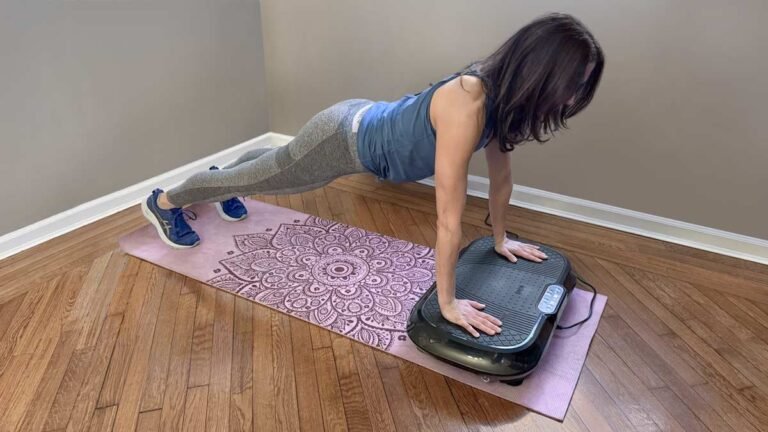
Effort level decides almost everything. Standing relaxed does very little. Adding a squat, lunge, or press turns it into training. If you can hold a conversation easily, you’re not working hard enough.
Your body weight and joint health change the risk side. If you have a joint replacement, a disc problem, or ongoing pain, that force is a reason to get medical clearance first.
The one people get wrong most often is consistency. Two short sessions a week for months beats one hard session that leaves you sore and unmotivated.
Using a Power Plate step by step
- Get clearance if you need it. If you’re pregnant, have a joint replacement, a heart condition, or a history of blood clots, speak to your doctor before your first session. Sign: you have a clear yes or no in writing.
- Set the plate to its lowest frequency and amplitude. On most machines that’s the bottom of the dial. Sign: the plate hums gently and you can stand comfortably.
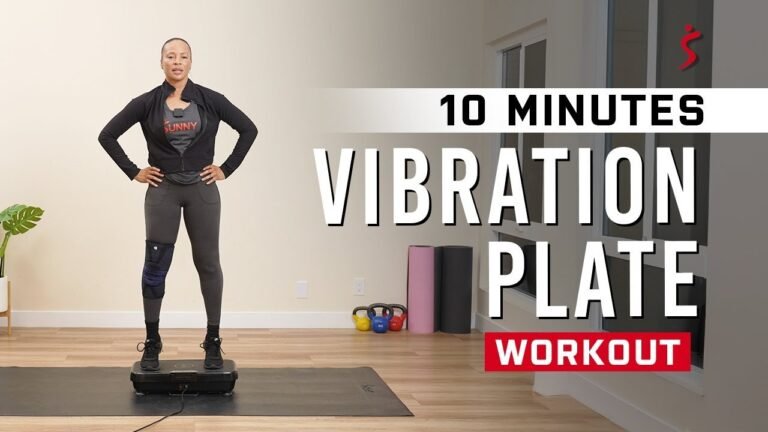
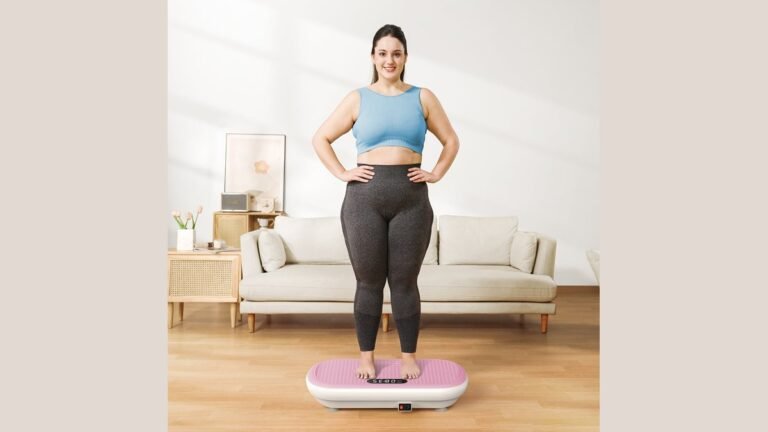
- Stand with feet shoulder-width apart, knees soft. Don’t lock your knees. Sign: you feel a light buzz through your legs, not a jolt.
- Hold for 30 seconds, then step off. Sign: your legs feel warm and slightly tired, not painful.
- Rest 30 to 60 seconds. Sign: your breathing is back to normal.
- Add one movement — a squat to about 45 degrees. Do 8 to 10 slow reps. Sign: the last two reps feel genuinely hard.
- Repeat for 3 to 4 total rounds. Sign: you’ve done 10 to 15 minutes of real work.
- Increase frequency only after 2 weeks at the same setting feels easy. Sign: you finish a session without feeling challenged.
The judgement call is knowing when to add difficulty.
Stop and get medical advice if you feel dizzy, get a headache, or have joint pain that lasts past the session.
Common situations and what to do
| Your situation | What to do | What it takes | What to watch for |
|---|---|---|---|
| Total beginner at a gym | Book one induction session | 30 minutes, free with membership | Staff who’ve never used it |
| Knee or hip pain | Get clearance, then start low | A doctor’s visit first | Pain during, not after |
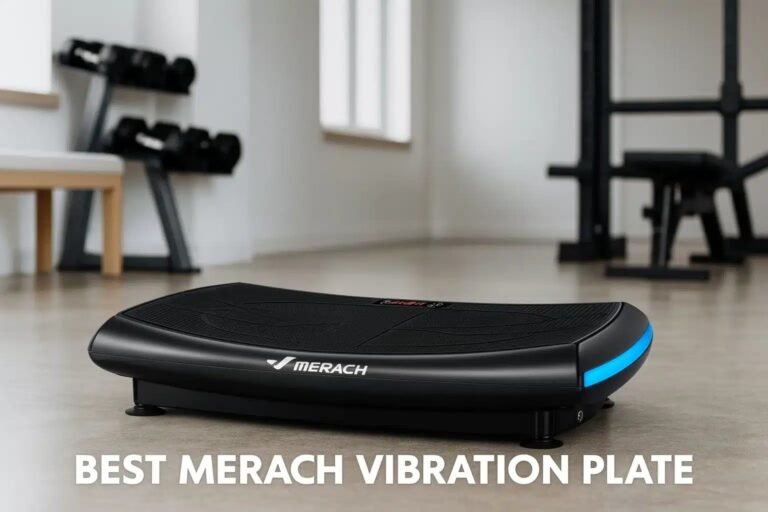
| Shopping for home use | Compare specs, not marketing | Hours of research | Warranty length and parts |
| Pregnant | Ask your doctor first | One appointment | No clearance, no session |
| Already lifting weights | Use it as a warm-up only | 5 to 10 minutes | Skipping real resistance work |
| Older adult, balance concerns | Hold a rail or chair | Same 10 to 15 minutes | Dizziness on standing |
What experienced users do differently

They prepare the body, not the machine
Experienced users warm up for 5 minutes and check their stance in a mirror.
They leave things alone
Experienced users keep the frequency steady for weeks and progress by adding reps, holds, or a harder movement pattern. They also skip the machine entirely on days when they’ve done heavy squats or deadlifts, because vibration adds load to already-tired tissue.
What goes wrong and how to fix it
Most problems come from going too hard too soon, or from using it instead of real resistance work.
| What you notice | What it usually means | What to do first | How to stop it happening again |
|---|---|---|---|
| No soreness or effort | Standing too still | Add a squat or lunge | Treat it as training, not standing |
| Sore knees after sessions | Too much force, too soon | Drop to lowest setting | Build up over weeks |
| Dizziness when stepping off | Blood pressure response | Sit down, breathe | Get medical advice before continuing |
| Boredom after 2 weeks | No progression plan | Add new movements | Track reps and settings |
| No weight change | Diet not addressed | Review food intake | Use it as one tool, not the tool |
| Back ache during holds | Poor posture on plate | Reduce hold time | Check stance in a mirror |
The rules and safety limits
Vibration platforms are sold as fitness equipment, not medical devices, so they carry no treatment approvals.
If you have any of those conditions, the right next step is your doctor, not the gym floor.
What it really costs you
The money side splits into two paths.
Home units are a different number, and it’s a large one. Prices change with model, size and country, so check the maker’s official site or a reputable retailer for today’s figure rather than trusting a review written years ago.
The cost that isn’t money is time and effort. Anything less and you won’t see much.
Keeping it up after the first month
Progress shows up as easier sessions, not as a number on a scale.
Keep a simple log: date, setting, movement, reps. If nothing has changed in the log, nothing has changed in your body.
When a Power Plate isn’t the right choice

Skip it if you want to build serious strength or muscle size.
Skip it if you’re pregnant, have a joint replacement, a heart condition, or a clotting disorder, unless your doctor clears you first.
And skip it if you want weight loss without changing your diet.
Related guides
Frequently asked questions
Does a Power Plate actually work?
Yes, for muscle activation and balance in older adults — but the evidence for fat loss and bone density is mixed. Treat it as a training tool, not a treatment.
How long should a Power Plate session be?
10 to 15 minutes, two or three times a week, at a setting where the last reps feel hard. Longer sessions don’t add much and raise your injury risk.
Is a Power Plate safe during pregnancy?
No, not without your doctor’s approval. Power Plate’s own manual lists pregnancy as a condition needing medical clearance, so ask your doctor before any session.
Can you lose weight using a Power Plate?
Only as part of a calorie-controlled diet. Vibration training burns fewer calories than walking at the same duration, so it can’t carry weight loss on its own.
How much does a Power Plate cost?
Home units cost far more than gym access, and prices change by model and country. Check the maker’s official site or a major retailer for today’s price.
What happens if you use it every day?
Daily use raises your risk of joint soreness and doesn’t speed up results. Two or three sessions a week with real effort works better than seven easy ones.
Does it matter which setting you use?
Yes. Higher frequency and amplitude mean more force through your joints. Start at the lowest setting and progress by adding movement, not by turning the dial up.
Why do I feel dizzy after using one?
Vibration can affect blood pressure and balance, especially if you stand up quickly. Sit down, breathe, and get medical advice before your next session.
Start here
Do one short session this week: lowest setting, 30-second holds, one squat variation, 10 minutes total. If you feel dizzy, get a headache, or have joint pain that lasts past the session, stop and speak to your doctor.
I am a certified fitness coach with over 10 years of experience helping people improve their strength, endurance, and overall health. Specializes in workout programming, weight training, fat loss, muscle building, home fitness, and evidence-based nutrition.My goal is to make fitness simple and practical through well-researched guides, honest product reviews, and actionable training advice.