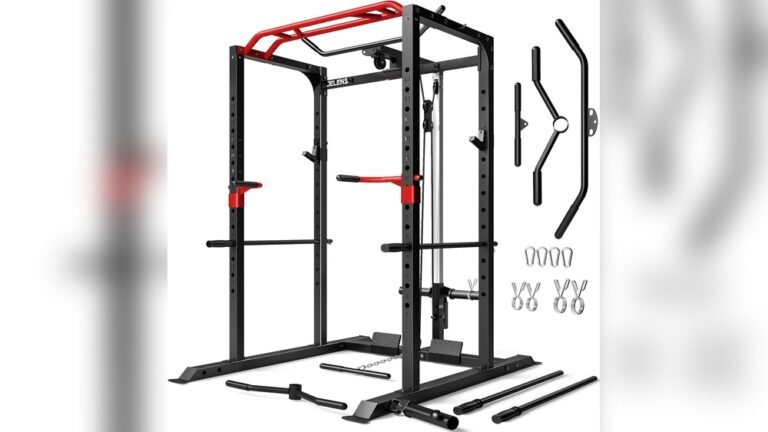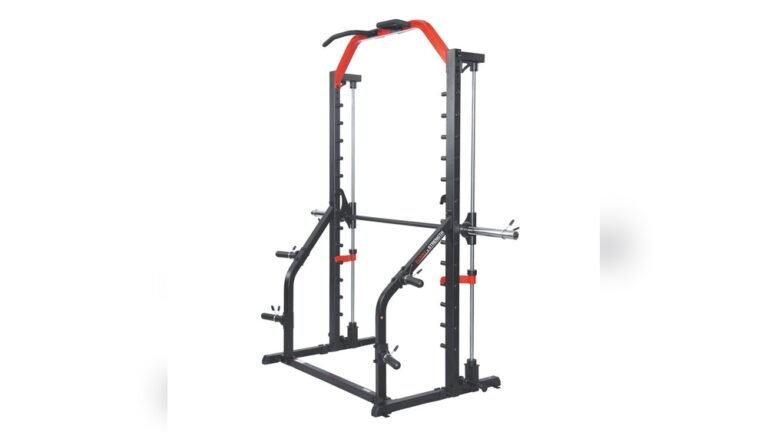
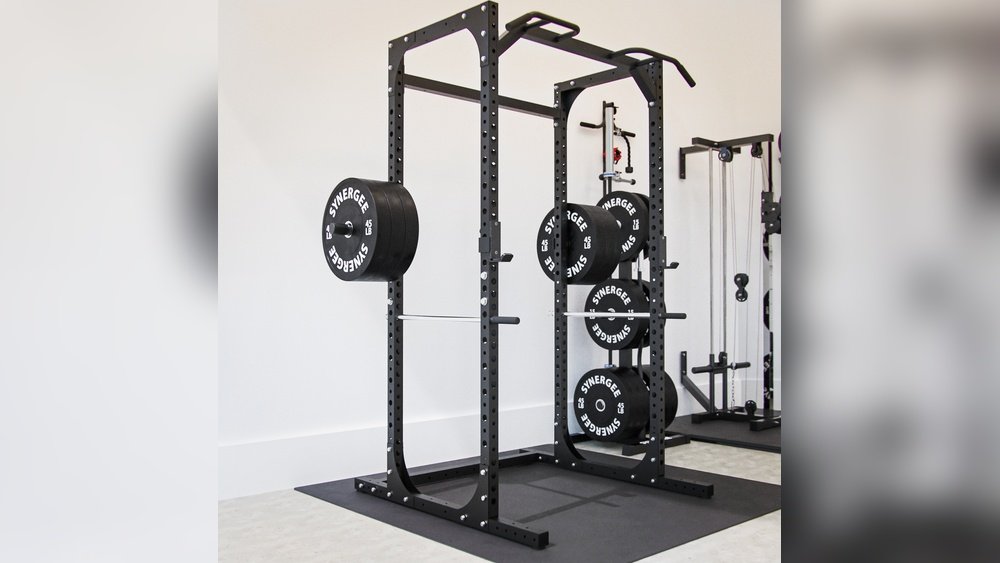
If you own a squat rack, you know how important it is to keep it in great shape. But do you know the best way to store your squat rack so it lasts longer and stays safe to use?
Whether you have limited space or want to protect your equipment from rust and damage, how you store your squat rack can make a big difference. You’ll learn simple, effective tips to keep your squat rack organized, clean, and ready for your next workout.
Keep reading to discover how small storage habits can save you time, money, and frustration down the road. Your squat rack deserves the best care—let’s make sure it gets it!
Space-saving Rack Placement
Saving space is key when storing a squat rack. Many homes and gyms have limited room. Smart placement keeps your workout area clear and safe. Proper rack placement also protects your equipment from damage. Small changes can make big differences in space use.
Wall-mounted Options
Wall-mounted racks free up floor space effectively. These racks attach directly to sturdy walls. Installation requires solid anchors and proper tools. Wall racks keep your squat rack off the ground. This setup creates more walking and workout area. Choose a spot near your workout zone for convenience. Wall racks also keep equipment organized and easy to reach.
Corner Storage Ideas
Corners often go unused but hold great storage potential. Placing your squat rack in a corner saves central floor space. Corner racks fit snugly and stay out of the way. This placement reduces clutter and opens more room for exercises. Use corner shelves or hooks to store accessories nearby. Keep the area tidy to maximize workout flow and safety.
Foldable Racks
Foldable squat racks offer flexible space-saving solutions. They fold flat against a wall or stand when not in use. These racks are perfect for small rooms or shared spaces. Folding racks allow quick setup and easy storage. Look for strong hinges and secure locking mechanisms. This type of rack combines convenience with stability during workouts.
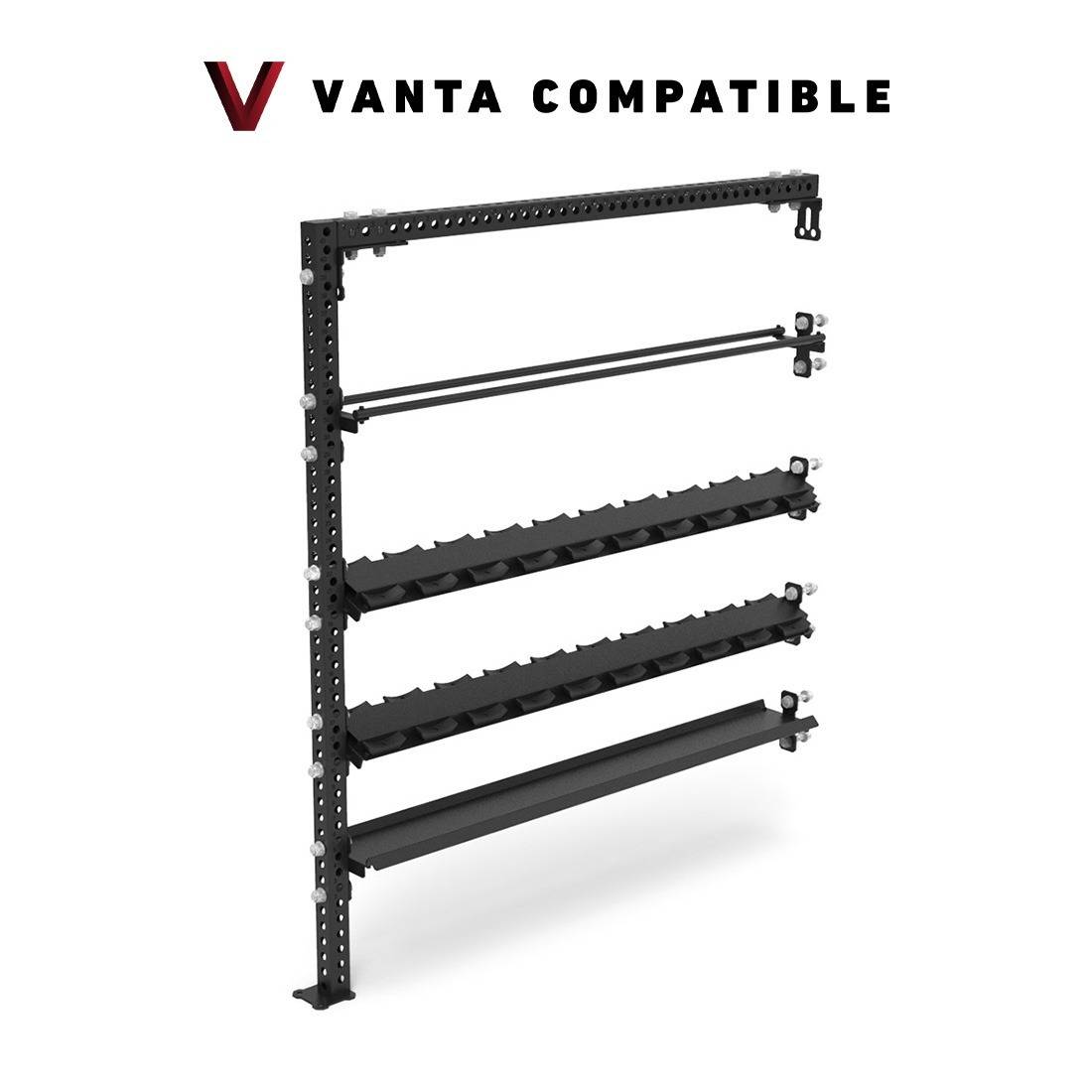
Credit: www.smai.com
Protecting Against Rust
Rust can damage your squat rack and shorten its life. Protecting it from rust keeps it strong and safe. Follow these simple steps to guard your rack against corrosion.
Sealing Steel Tubing
Steel tubing can trap moisture inside, causing rust from within. Seal the open ends with rubber caps or metal plugs. This stops water from entering the tubes. Check seals regularly and replace if worn or loose.
Using Rust-inhibiting Paint
Rust-inhibiting paint forms a protective layer on metal surfaces. Apply this paint to all exposed steel parts. It blocks moisture and oxygen, which cause rust. Repaint every few years to maintain strong protection.
Climate Control Tips
Store your squat rack in a dry, well-ventilated space. Avoid damp basements or garages with high humidity. Use a dehumidifier to reduce moisture in the air. Keep the area clean and dry to prevent rust buildup.
Cleaning And Maintenance
Cleaning and maintenance keep your squat rack safe and long-lasting. Dirt, sweat, and dust build-up can damage the rack’s surface. Regular care prevents rust and ensures smooth operation. Follow simple steps to maintain your equipment in top shape.
Routine Wiping
Wipe the squat rack after every use. Use a soft cloth with warm water or mild soap. This removes sweat and dust that cause corrosion. Focus on bars, handles, and weight holders. Dry the rack thoroughly to avoid moisture damage. Routine wiping keeps your rack clean and fresh.
Deep Cleaning Techniques
Perform deep cleaning once a month. Use a brush to scrub hard-to-reach places. Mix mild detergent with water for better cleaning power. Avoid harsh chemicals that damage paint or metal. Rinse with clean water and dry completely. Deep cleaning removes stubborn dirt and rust spots.
Lubricating Moving Parts
Lubricate hinges, bolts, and pulleys regularly. Use silicone spray or light machine oil. This reduces friction and wear on moving parts. Apply a small amount and wipe excess oil away. Lubrication helps keep your rack functioning smoothly and quietly. Check moving parts monthly for best results.

Credit: prlifting.com
Safety And Stability Checks
Performing regular safety and stability checks on your squat rack is essential. These checks prevent accidents and extend the rack’s lifespan. Small issues can become serious risks if ignored. Always prioritize safety before each workout or storage session.
Tightening Bolts And Nuts
Check all bolts and nuts for tightness. Use a wrench to tighten any loose parts. Loose bolts cause instability and may lead to accidents. Do this check monthly or more often if you use the rack frequently. Tight connections keep the rack steady during heavy lifts.
Inspecting J-cups And Pins
J-cups and pins hold the barbell in place. Examine them for cracks, bends, or damage. Replace any worn or broken parts immediately. Damaged J-cups or pins can fail under load, causing injury. Keep these components in good condition for secure lifting.
Listening For Wear Signs
Listen for unusual sounds during use, like creaks or clicks. These noises may indicate wear or loose components. Pay attention to any changes in how the rack feels while lifting. Early detection of wear helps avoid sudden failures. Investigate and fix issues as soon as they appear.
Storage Environment Tips
Creating the right environment for storing your squat rack helps protect it from damage. A good storage space keeps the rack dry, stable, and free from clutter. These tips focus on maintaining your equipment’s condition and making your workout area safe and organized.
Using Rubber Flooring
Rubber flooring provides a strong base for your squat rack. It absorbs shock and reduces noise during workouts. This flooring also protects the rack’s metal from scratching and rusting. Rubber mats prevent moisture buildup under the rack, lowering rust risk. It is easy to clean and keeps your space neat.
Keeping Area Dry And Clutter-free
Moisture causes rust and weakens metal parts on your squat rack. Store the rack in a dry room with good air circulation. Avoid damp basements or garages prone to humidity. Remove any clutter around the rack to allow easy access and prevent accidents. A clean space also helps spot any wear or damage quickly.
Outdoor Storage Precautions
Storing a squat rack outdoors needs extra care to avoid rust and damage. Use a weatherproof cover to shield it from rain and sun. Place the rack on a raised platform or rubber mat to keep it off wet ground. Check the rack often for signs of rust or wear. Apply protective coatings or sealants on metal surfaces for added protection.

Credit: www.shoshitamam.com
Weight And Load Management
Managing weight and load properly is crucial when storing a squat rack. This ensures safety and keeps the rack in good condition. Understanding the limits and risks helps prevent damage and accidents.
Understanding Capacity Limits
Every squat rack has a maximum weight capacity. This includes the barbell, weights, and any attachments. Exceeding this limit can weaken the structure or cause it to fail. Always check the manufacturer’s guidelines before loading your rack. Keeping weight within limits extends the rack’s lifespan and ensures safe use.
Avoiding Overloading Risks
Overloading a squat rack can lead to serious injuries and equipment damage. Heavy weights can bend or break the frame. It can also cause the rack to tip over if not balanced correctly. Distribute weight evenly on both sides to maintain stability. Regularly inspect the rack for signs of wear or stress after heavy use.
Frequently Asked Questions
Can I Leave A Squat Rack Outside?
You can leave a squat rack outside, but protect it from rust by sealing tubing ends and choosing powder-coated racks. Regular maintenance prevents corrosion.
How To Keep A Squat Rack From Rusting?
Wipe your squat rack after use to remove moisture and sweat. Apply rust-inhibiting paint on chips. Store in a dry place and lubricate moving parts regularly. Seal steel tubing ends to block moisture. Check bolts and joints often to prevent rust and maintain stability.
Does Gym Equipment Get Rusty In A Shed?
Gym equipment stored in a shed can rust due to moisture and humidity exposure. Keep it dry and ventilated to prevent rust. Regular cleaning and protective coatings also help maintain equipment condition.
How To Maintain A Squat Rack?
Clean the squat rack regularly with mild soap and water. Lubricate moving parts to prevent rust. Tighten bolts and inspect J-cups and safety pins for wear. Store the rack in a dry place and use protective flooring to extend its lifespan.
Conclusion
Storing your squat rack properly keeps it safe and lasts longer. Choose a dry, clean spot to avoid rust and damage. Regularly wipe it down to remove sweat and dust. Tighten bolts and check parts often to stay safe. Use protective covers or mats if possible.
Simple care saves time and money on repairs. Keep your workout space neat and your rack ready for action. Small steps make a big difference in maintaining your equipment.

I am a certified fitness coach with over 10 years of experience helping people improve their strength, endurance, and overall health. Specializes in workout programming, weight training, fat loss, muscle building, home fitness, and evidence-based nutrition.My goal is to make fitness simple and practical through well-researched guides, honest product reviews, and actionable training advice.