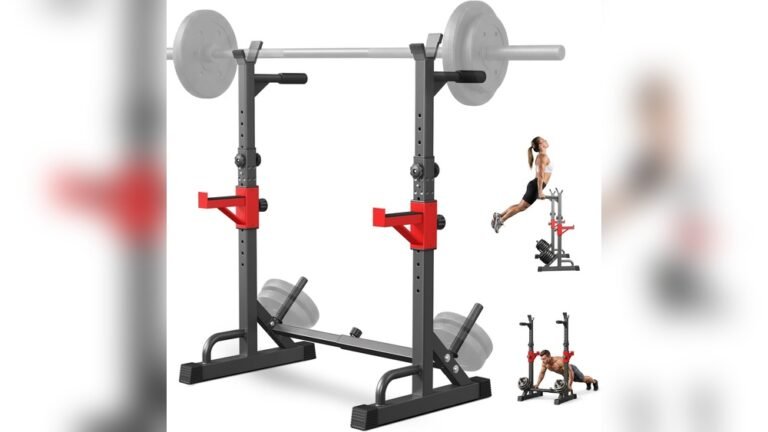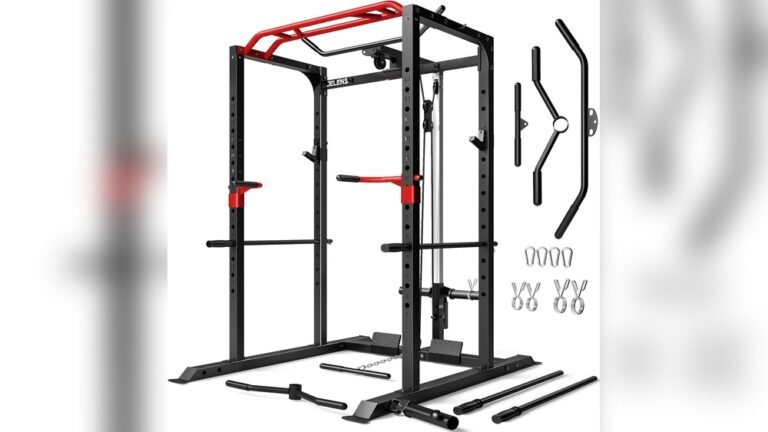
You use your squat rack to push your limits and build strength, so keeping it clean is key to staying safe and getting the most from your workouts. But how do you clean your squat rack properly without wasting time or damaging the equipment?
If you want a simple, effective routine that keeps your rack looking great and working smoothly, this guide is for you. Read on to discover easy steps and smart tips that will help you maintain your squat rack like a pro—and ensure every workout feels fresh and hygienic.
Daily Cleaning Routine
A daily cleaning routine keeps your squat rack safe and ready to use. Dirt, sweat, and chalk build up fast. Cleaning regularly stops rust and damage. It also makes your gym look neat and fresh.
Follow three simple steps each day. These steps take only a few minutes. They help your squat rack last longer and work well.
Brush Off Dust And Chalk
Start by brushing off dry dust and chalk. Use a soft brush or microfiber cloth. This removes loose particles from bars and bolts. It keeps the rack clean and prevents chalk from sticking. Brush every corner, including joints and corners.
Wipe Metal Surfaces
Next, wipe all metal parts with a clean cloth. Focus on areas you touch most. This clears away sweat and grime. Use a dry or slightly damp cloth for best results. Wiping prevents rust and keeps metal shiny.
Use Mild Soap Solution
Prepare a mild soap solution with warm water and a few drops of dish soap. Dip a cloth in the solution and wring it out well. Gently wipe down the squat rack’s metal surfaces. Avoid soaking the metal to stop rust. This cleans deep dirt and sweat. Rinse the cloth and wipe again with clean water. Let the rack air dry completely before use.
Credit: www.catalystathletics.com
Removing Rust
Rust can damage your squat rack and reduce its lifespan. Removing rust keeps your equipment safe and strong. Follow these steps to clean rust properly and protect your rack.
Use Nylon Brush
Start by scrubbing rust with a nylon brush. It removes loose rust without scratching metal. Brush in circular motions for best results. Avoid wire brushes as they can damage the surface. Clean all rusty areas thoroughly before moving on.
Apply Rust Remover Safely
Choose a rust remover made for gym equipment. Read instructions carefully before use. Wear gloves and work in a well-ventilated area. Apply rust remover with a cloth or sponge. Let it sit for the time the product suggests. Wipe off rust and residue with a clean cloth. Repeat if needed, but do not overuse chemicals.
Prevent Future Rust Build-up
Keep your squat rack dry after workouts. Wipe down sweat and moisture immediately. Use a light coat of protective spray or oil on metal parts. Store the rack in a dry, cool place. Check regularly for signs of rust and clean early. These steps help maintain your rack’s condition long-term.
Disinfecting The Rack
Disinfecting the squat rack is vital for a clean and safe workout space. Sweat, chalk, and germs build up fast. Regular disinfection helps stop bacteria and viruses. It keeps the rack fresh and safe for every user. Follow simple steps to disinfect the rack properly. Choose the right products and apply them carefully. This process protects your health and extends the rack’s life.
Choose Safe Cleaning Products
Select cleaning products that are gentle on metal surfaces. Harsh chemicals can damage paint and cause rust. Use mild soaps or cleaners made for gym equipment. Look for products that clean well but do not harm the rack. Safe cleaners protect your gear and keep it looking new. Always test a small area first to check for any reaction.
Avoid Harsh Chemicals
Steer clear of bleach or ammonia-based cleaners. These can corrode metal parts and ruin finishes. Strong chemicals may leave harmful fumes. They can irritate your skin and lungs. Use products that are designed for fitness equipment. These cleaners remove dirt and germs without damage. Keep your cleaning routine safe and effective.
Use Epa Approved Disinfectants
EPA approved disinfectants kill germs effectively. They meet strict safety and performance standards. Use sprays or wipes labeled for gym equipment use. Follow the instructions on the label for best results. Allow disinfectant to sit on surfaces for the recommended time. This ensures all bacteria and viruses are removed. Using EPA approved products keeps your rack hygienic and safe.
Maintaining Moving Parts
Maintaining the moving parts of your squat rack is essential for safety and smooth operation. Regular care prevents wear and tear, ensuring your equipment lasts longer. Focus on key areas like cable pulleys, loose components, and weight storage. These parts need attention to avoid damage and keep workouts safe.
Lubricate Cable Pulleys
Apply silicone-based lubricant to cable pulleys to reduce friction. This helps the cables move smoothly during exercises. Avoid using heavy oils that attract dust and dirt. Lubricate pulleys every few weeks or after heavy use. Clean the pulley surface before applying lubricant for best results.
Check For Loose Components
Inspect bolts, nuts, and screws regularly. Tighten any loose parts to prevent accidents. Loose components can cause instability and noise during workouts. Use the right tools to secure each piece firmly. Make it a habit to check these parts at least once a month.
Inspect Weight Storage
Weight storage pegs should hold plates securely without wobbling. Check for cracks or bends in the metal. Remove any rust with a wire brush and apply a rust-preventive spray. Keep storage areas clear of debris to avoid damage. Proper storage protects both your weights and rack.
Protecting The Finish
Protecting the finish of your squat rack keeps it looking new and prevents damage. A good finish stops rust and wear over time. Clean and care for the surfaces gently to extend the life of your equipment. Use the right tools and cleaners that do not harm the rack’s coating. Follow simple steps to keep your squat rack’s finish safe and strong.
Clean Powder-coated Surfaces
Powder coating gives the rack a smooth, durable surface. Use a soft cloth or microfiber to wipe dust and dirt. Avoid harsh chemicals that can break down the coating. Light soap and warm water work well to clean these surfaces. Dry the rack fully after cleaning to avoid water spots or rust.
Avoid Abrasive Pads
Never use steel wool or rough scrubbers on the rack. Abrasive pads scratch the finish and expose metal underneath. Scratches lead to rust and corrosion. Stick to soft sponges or cloths for cleaning. Gentle wiping keeps the rack’s surface intact and smooth.
Use Gentle All-purpose Cleaners
Choose mild cleaners without bleach or strong acids. Harsh chemicals damage the finish and cause fading. Mix a small amount of dish soap with water for an effective cleaner. Spray or dampen a cloth with the solution, then wipe the rack. Always rinse with clean water and dry well.
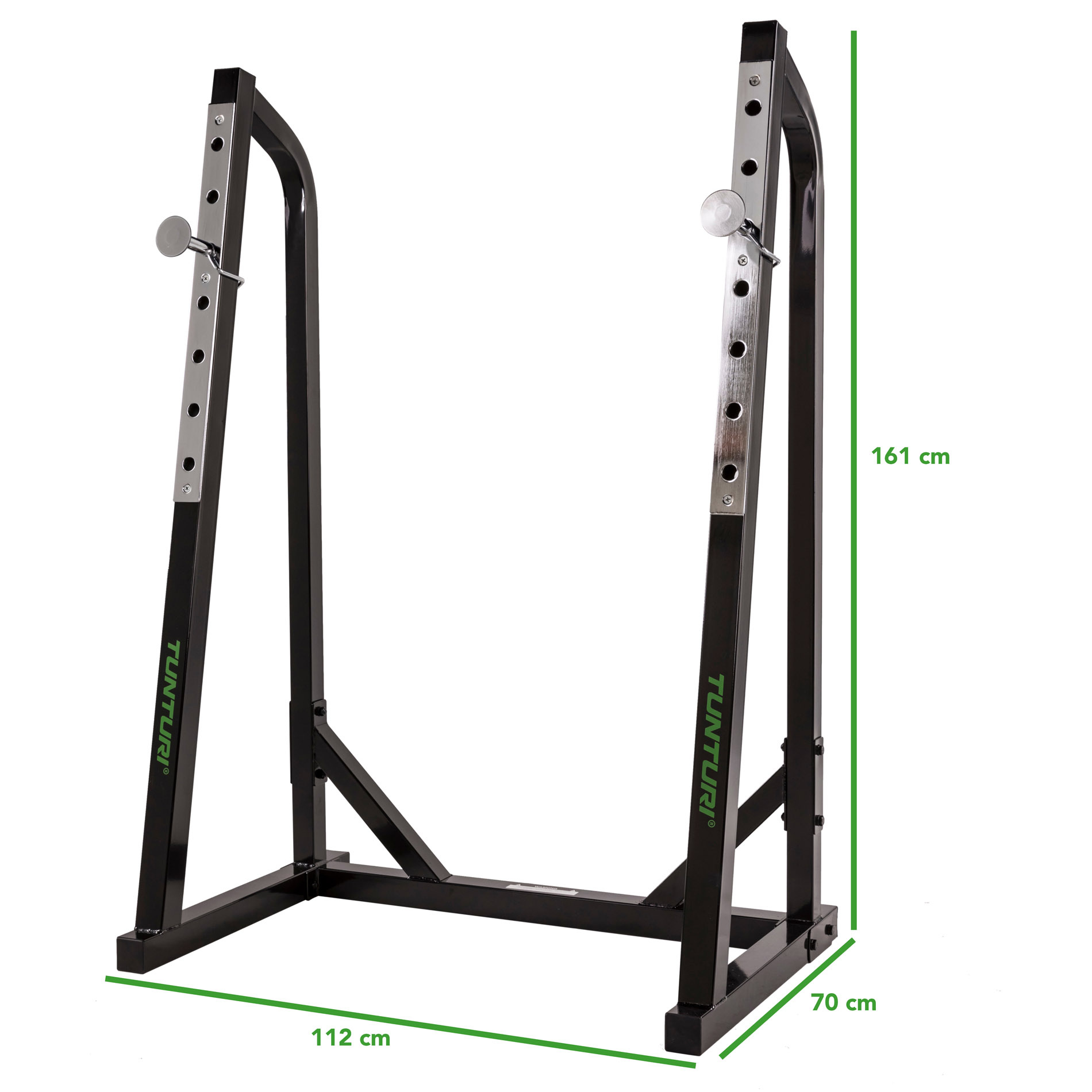
Credit: www.tunturi.com
Preventive Care Tips
Preventive care keeps your squat rack in top shape longer. Simple habits stop damage and rust early. You save money and avoid repairs. Follow these tips to protect your investment and keep workouts safe.
Keep Gym Insulated
Cold or damp air causes metal to rust quickly. Keep your gym warm and dry. Use heaters or dehumidifiers if needed. Good insulation blocks moisture and temperature changes. This prevents corrosion and extends your squat rack’s life.
Manage Equipment Load
Do not overload your squat rack beyond its weight limit. Heavy weight can bend or break parts. Spread weight evenly during workouts. Check load capacity in the manual. Proper loading avoids damage and keeps the rack stable.
Store Plates Properly
Store weight plates on designated holders, not on the floor. Piling plates can scratch or dent the rack. Use plate storage pegs that fit your rack. Keep plates clean and dry before storing. Organized storage protects your rack and gym space.
Spot Cleaning After Use
Spot cleaning the squat rack after each use keeps the equipment safe and hygienic. It also helps prevent rust and damage from sweat and chalk buildup. Quick cleaning saves time and effort later. Everyone benefits from a clean and ready-to-use rack.
Wipe Sweat And Chalk
Sweat and chalk can cause corrosion and make the rack slippery. Use a damp cloth to wipe off these residues immediately after use. Focus on the bar, handles, and joints. Removing sweat prevents rust and keeps the rack looking new.
Use Microfiber Cloths
Microfiber cloths trap dust, sweat, and chalk better than regular towels. They do not scratch the metal surface. Keep a few microfiber cloths nearby for easy access. Wash them regularly to maintain cleanliness and effectiveness.
Encourage Gym Etiquette
Good gym habits help maintain clean equipment. Remind users to wipe down the rack after their workout. Provide cleaning supplies like spray bottles and cloths in visible spots. This small effort creates a healthier and more respectful gym space.

Credit: www.youtube.com
Frequently Asked Questions
What To Clean A Squat Rack With?
Clean a squat rack with a soft brush or microfiber cloth to remove dust and chalk. Wipe metal parts using warm water mixed with mild dish soap. Avoid bleach or harsh chemicals. Use an alcohol-free, EPA-approved disinfectant wipe for sanitation.
Dry thoroughly to prevent rust.
Do You Wipe Down A Squat Rack?
Yes, always wipe down a squat rack after use. Use a soft cloth with warm water and mild soap to clean metal surfaces. This prevents rust, removes sweat and chalk, and maintains hygiene. Avoid harsh chemicals to protect the rack’s finish and ensure a safe workout environment.
How To Clean A Rusty Squat Rack?
Remove loose rust with a wire brush. Wipe the rack using warm water and mild dish soap. Dry thoroughly. Apply a rust-resistant spray to prevent future rust. Repeat cleaning regularly to maintain the squat rack’s condition.
How To Maintain A Squat Rack?
Clean the squat rack regularly by wiping with mild soap and warm water. Brush off chalk and dirt. Lubricate moving parts with silicone oil. Check and tighten bolts often. Avoid overloading weight storage to prevent damage.
Conclusion
Cleaning your squat rack keeps it safe and durable. Use mild soap and warm water to wipe surfaces. Remove dust and chalk regularly with a soft cloth. Check for rust and treat it promptly to avoid damage. Keep bolts tight and parts well-lubricated for smooth use.
A clean rack helps you focus on your workout. Regular care saves money and extends equipment life. Make cleaning part of your routine. Your squat rack will thank you.

I am a certified fitness coach with over 10 years of experience helping people improve their strength, endurance, and overall health. Specializes in workout programming, weight training, fat loss, muscle building, home fitness, and evidence-based nutrition.My goal is to make fitness simple and practical through well-researched guides, honest product reviews, and actionable training advice.