Choosing the right size Smith machine can make all the difference in your workouts and overall fitness progress. If you’ve ever felt unsure about which Smith machine fits your space and strength goals, you’re not alone.
Getting the perfect fit isn’t just about the machine’s dimensions—it’s about how it matches your body, workout style, and available room. In this size guide, you’ll discover simple tips and clear measurements to help you pick the ideal Smith machine for your needs.
Keep reading to make confident choices that boost your training and keep your home gym safe and efficient.
Credit: event.rmutt.ac.th
Smith Machine Basics
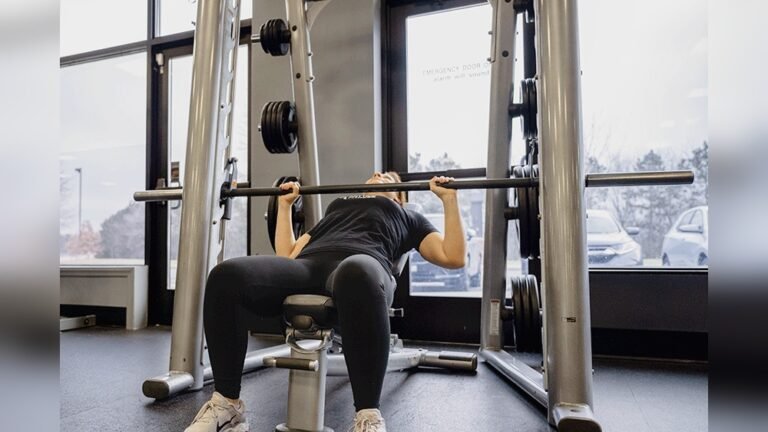
The Smith machine is a popular gym equipment designed for safe weightlifting. It guides the barbell on fixed rails, making exercises more controlled. Understanding its basics helps you choose the right size and weight for your workouts. This section explains key points about Smith machine sizes, barbell weights, and counterbalance effects.
Common Sizes And Dimensions
Smith machines vary in size depending on their design and purpose. Typical heights range from 80 to 90 inches. The width usually falls between 40 and 50 inches. Depth varies from 30 to 50 inches. Home models tend to be smaller for space-saving. Commercial models are larger and built for heavy use. Always measure your workout area before buying.
Barbell Weight Variations
The barbell on a Smith machine does not weigh the same as a free barbell. Most Smith machine bars weigh between 15 and 25 pounds. Standard Olympic barbells weigh about 45 pounds. Some machines have lighter bars for beginners or home use. The exact weight is often listed on the machine or in the manual. Knowing the bar’s weight helps you track your lifting progress.
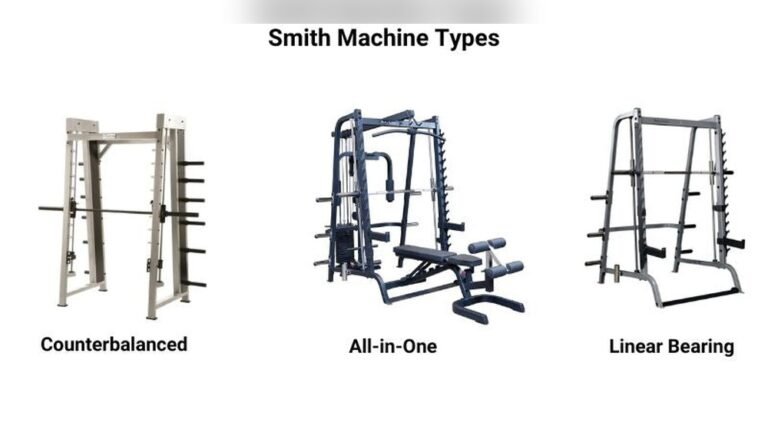
Counterbalance Effects
Many Smith machines include a counterbalance system. It reduces the barbell’s effective weight. This system uses springs or weights to make lifting easier. The counterbalance can subtract 10 to 20 pounds from the total load. It allows beginners to start with lighter resistance safely. Check if your machine has a counterbalance and factor it into your workout.
Measuring Your Space
Measuring your space is the first step in choosing the right Smith machine for your home gym. It helps avoid buying a machine that does not fit well or limits your workout. Knowing your room’s dimensions ensures smooth installation and safe use. Take careful measurements of the area you want to place the Smith machine. Consider the space needed not only for the machine but also for your movements and accessories.
Room Requirements
Measure the length and width of your available space in feet or meters. The Smith machine needs enough room for the frame and barbell. Leave extra space around it for lifting and exercises. A small workout area may need a compact Smith machine model. Avoid tight corners and cluttered spaces. Clear floors reduce the risk of tripping or accidents.
Placement Tips
Place the Smith machine on a flat, stable surface to avoid wobbling. Position it away from walls or furniture to allow free movement. Consider placing it near a mirror to check form during exercises. Keep space for additional gear like benches or weights. Ensure easy access to the machine from all sides.
Ceiling Height Considerations
Check the ceiling height before buying a Smith machine. Most machines are tall and need high ceilings to use safely. Measure from floor to ceiling in your workout area. Allow extra clearance above the machine for overhead lifts and bar movement. Low ceilings may restrict certain exercises or cause discomfort.
Choosing The Right Size
Choosing the right size for your Smith machine is essential for a safe and effective workout. The machine must fit your body and exercise needs perfectly. A poorly sized machine can cause discomfort or injury and reduce workout benefits. Focus on your workout goals, body size, and machine adjustability to find the best match. This section guides you through these factors.
Assessing Your Workout Needs
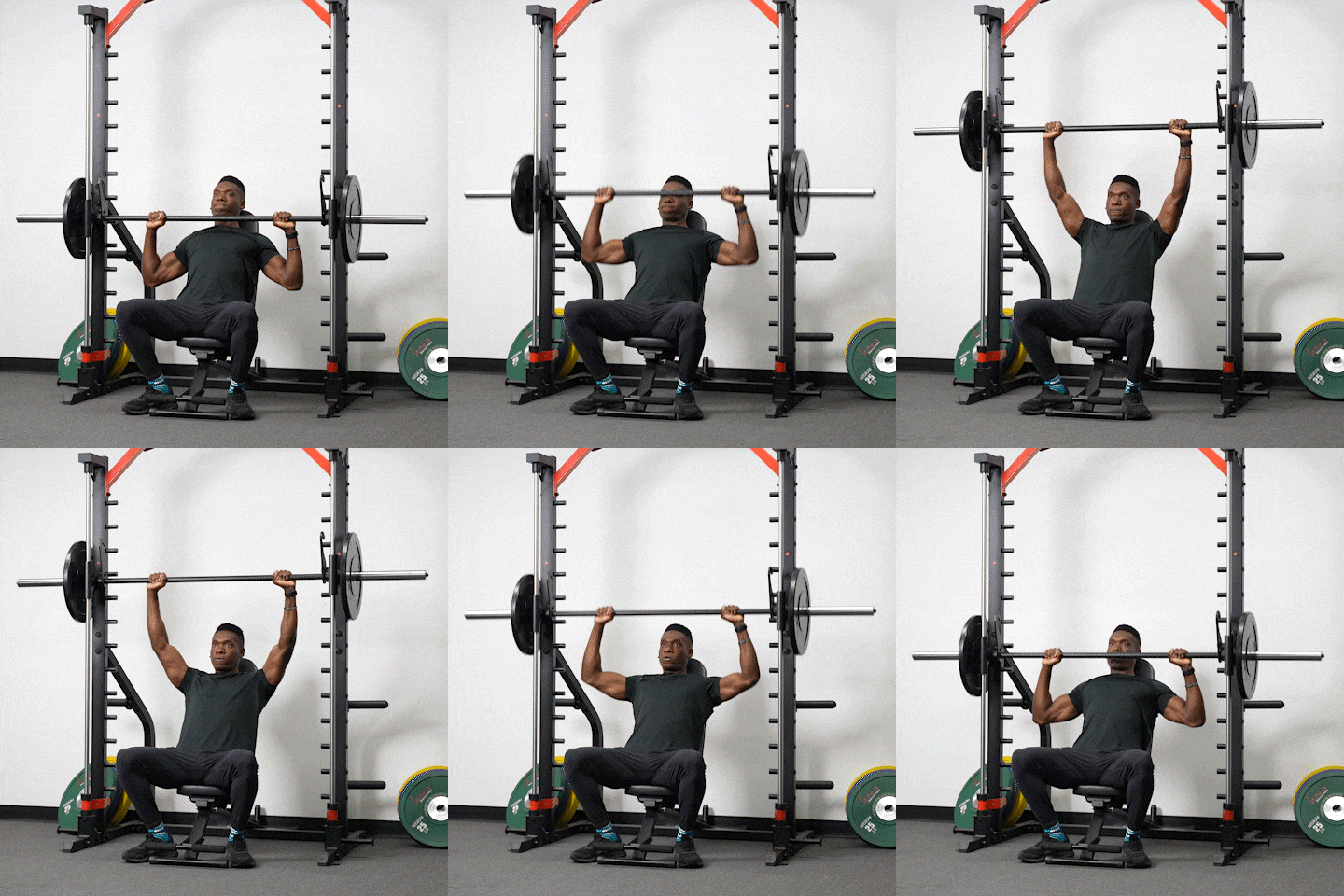
Think about the exercises you will perform. Squats, bench presses, or shoulder presses need different space and bar height. Consider the weight range you plan to lift. Heavy lifting requires a sturdier and larger machine. If you want a compact home gym, look for space-saving models. Your workout style shapes the size and type of Smith machine you choose.
Matching Machine Size To Body Type
Your height and reach affect how the Smith machine fits you. Taller users need higher bar positions and longer guide rails. Shorter users need lower settings and smaller frame sizes. Check the machine’s maximum and minimum bar heights. Ensure the machine supports your full range of motion. Proper fit reduces strain and improves exercise form.
Adjustable Features To Look For
Adjustability is key for a versatile Smith machine. Look for adjustable bar heights and safety stops. These features allow customization for various exercises and users. Some machines offer adjustable footplates or bench attachments. This flexibility helps tailor workouts and improves comfort. Machines with easy-to-use adjustments save time and effort during workouts.
Calculating Weight On Smith Machine
Calculating the weight on a Smith machine helps you track your workout progress correctly. The bar on a Smith machine often weighs differently from a standard barbell. Understanding the actual load ensures safe and effective training. You can measure the bar’s weight using simple methods at home or the gym.
Using Bathroom Scale Method
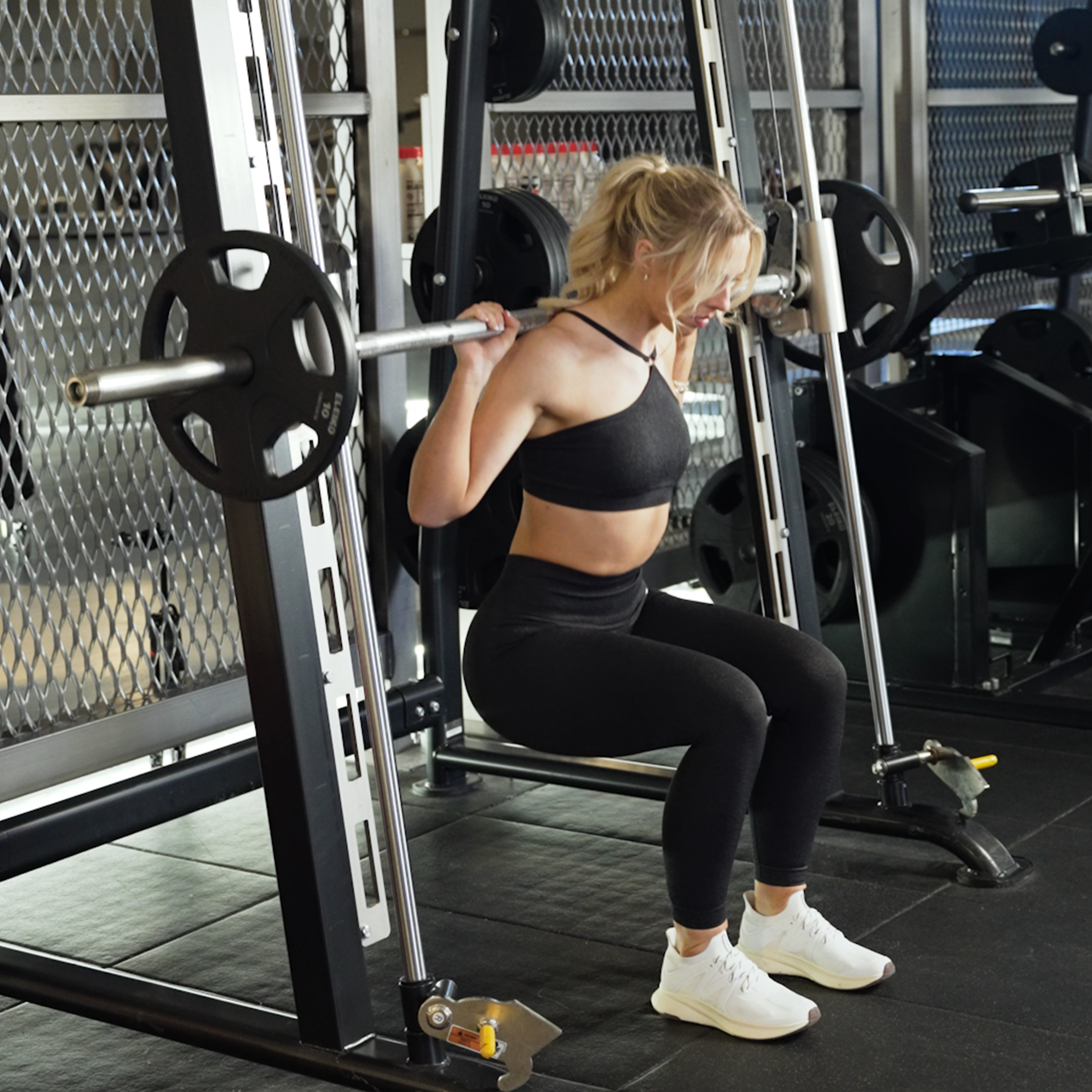
Step onto a bathroom scale and note your weight. Next, rest the Smith machine bar on your shoulders at squat height. Step back onto the scale carefully, holding the bar. The new reading shows your weight plus the bar’s weight. Subtract your body weight from this number. The result is the bar’s weight on the Smith machine.
Using Hanging Scale Method
Attach a hanging scale to the Smith machine bar’s center. Lift the bar slightly off the hooks. The scale will display the bar’s weight directly. This method is quick and gives a clear reading. Use a scale that can handle the bar’s weight for accuracy.
Accounting For Counterbalance
Some Smith machines have counterbalance weights to reduce the load. This means the bar feels lighter than it actually is. Check if your machine has a counterbalance system. Subtract the counterbalance weight from the total bar weight. This adjustment gives a true measure of the lifting weight. Knowing this prevents overestimating the resistance during exercises.
Tips For Accurate Weight Tracking
Accurate weight tracking is essential for effective workouts on a Smith machine. It helps you monitor progress and avoid injury. The weight on the bar may differ from traditional barbells. Follow these tips to track your lifting weight correctly.
Label And Sticker Checks
Always check for labels or stickers on the Smith machine bar. These often show the bar’s weight clearly. Look inside the rack or near the bar ends. This simple step saves guesswork and ensures accurate weight tracking.
Tracking Plate Additions
Remember to add the weight of all plates to the bar weight. Count each plate on both sides. Use the weight printed on the plates. Missing plates or miscounting affects your total weight and progress.
Using Weight Conversion Tools
Smith machine bars vary in weight across brands and countries. Use online weight conversion tools to convert kilograms to pounds or vice versa. This helps when plates or machines use different units. Accurate conversions keep your tracking consistent.
Credit: www.gymshark.com
Space-saving Models
Space-saving models of Smith machines suit small areas well. They offer effective workouts without taking much room. These machines blend strength training with smart design. They fit nicely in apartments or home gyms with limited space.
Compact Designs
Compact Smith machines have smaller footprints. They often feature slimmer frames and fewer bulky parts. These designs maximize floor space while maintaining stability. Users can perform many exercises without needing a large area. Compact models also tend to be lighter, making them easier to move and store.
Multi-function Machines
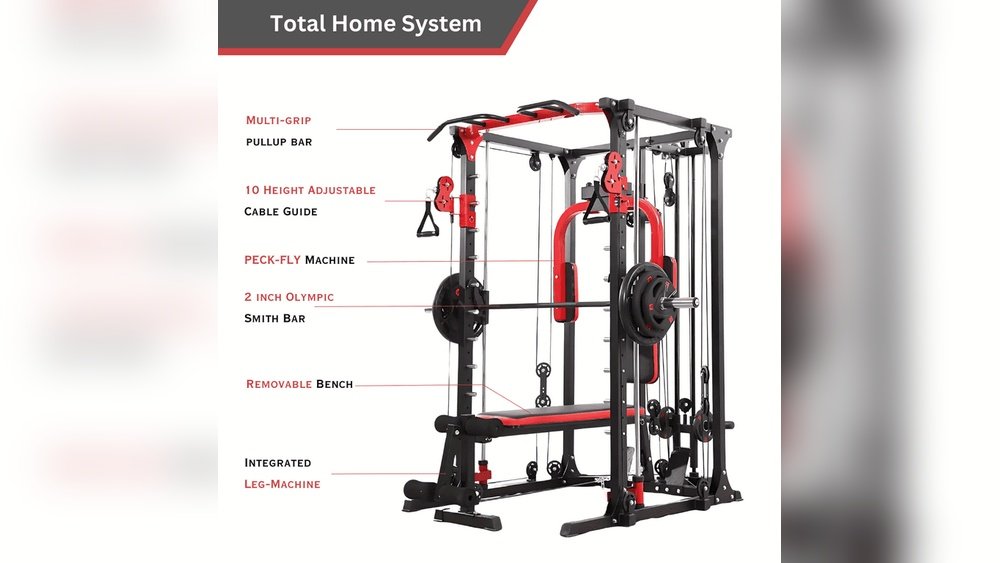
Multi-function Smith machines combine several workout options in one. They include attachments for pull-ups, cable exercises, or benches. This versatility saves space by reducing extra equipment needs. A single machine can replace multiple devices, making it ideal for tight spaces. Users get a full workout range without clutter.
Home Gym Compatibility
Space-saving Smith machines fit well in home gym setups. Their size allows placement in rooms with limited space. They often come with easy assembly and adjustment features. This compatibility makes them user-friendly and practical. Home gyms can stay neat while offering quality strength training tools.
Maintenance And Safety
Maintaining your Smith machine ensures it works smoothly and safely. Regular care prevents accidents and extends the machine’s life. Focus on simple steps to keep your equipment in top shape.
Routine Checks
Inspect the machine before every use. Look for loose bolts or screws. Check cables and pulleys for wear or damage. Clean the bar and rails to remove dust and sweat. Lubricate moving parts as recommended by the manufacturer. These steps keep the machine functioning well and safe to use.
Ensuring Stability
Place the Smith machine on a flat, stable surface. Confirm all feet or base supports touch the floor evenly. Tighten any unstable parts or brackets. Avoid placing the machine on slippery or uneven floors. Stability prevents the machine from tipping or moving during workouts.
Proper Use Guidelines
Always use the machine as intended. Do not overload beyond its weight limit. Position yourself correctly before lifting the bar. Use safety stops and locks during exercises. Avoid sudden or jerky movements. Follow these rules to reduce injury risks and improve workout safety.

Credit: www.ritfitsports.com
Frequently Asked Questions
Is A Smith Machine Bar 45 Lbs?
A Smith machine bar usually weighs less than a standard 45 lbs barbell. Weight varies by machine model.
How Heavy Is 225 On A Smith Machine?
On a Smith machine, 225 pounds includes the bar weight plus plates. Bar weights vary, typically 15-25 pounds.
Are All Smith Machine Bars 25 Lbs?
Not all Smith machine bars weigh 25 lbs. Bar weight varies by brand and design, often ranging from 15 to 30 lbs. Some include counterbalance systems that alter effective weight. Always check the specific machine or use a scale to determine the exact bar weight for accurate tracking.
How To Calculate Weight On A Smith Machine?
Calculate Smith machine weight by adding plate weight plus bar weight, then subtract any counterbalance weight. Use a scale or check machine specs.
Conclusion
Choosing the right size Smith machine ensures safe and effective workouts. Measure your space carefully before buying. Remember to check the bar weight and machine design. Use the weight formula to track your progress accurately. A well-fitted machine helps improve your exercise form.
Keep these tips in mind for your fitness goals. Stay consistent and enjoy your training sessions.
I am a certified fitness coach with over 10 years of experience helping people improve their strength, endurance, and overall health. Specializes in workout programming, weight training, fat loss, muscle building, home fitness, and evidence-based nutrition.My goal is to make fitness simple and practical through well-researched guides, honest product reviews, and actionable training advice.