If you’re starting a home gym for beginner strength training, you might wonder, “How many weight plates do I need?” It’s a simple question, but the answer can make a big difference in your progress, safety, and budget. Building the right plate set is the foundation of your strength routine. This guide will help you choose the best plates, avoid common mistakes, and feel confident lifting at home—even if you’re new to strength training.
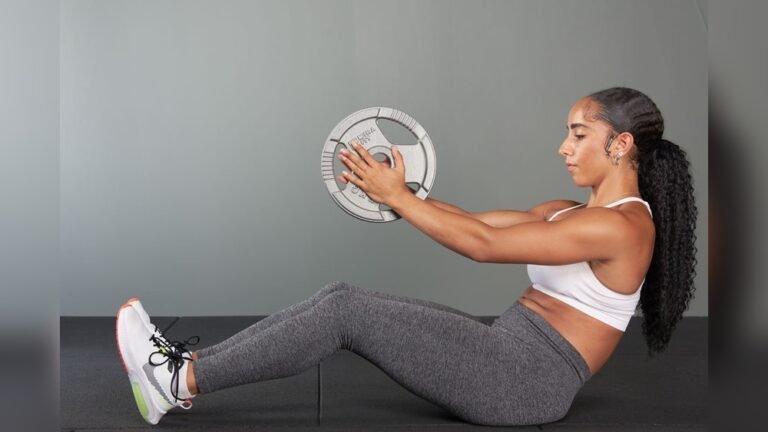
*Suggested image placement: A beginner lifter in a home gym setting, holding weight plates. (alt text: Beginner lifter choosing weight plates for home gym)*
Why Weight Plate Choice Matters
Choosing the right number of weight plates isn’t just about having enough to lift. It’s about flexibility, safety, and making your workouts effective. If you buy too few, you might outgrow your set quickly. If you buy too many, you waste money and space. For beginners, a balanced set helps you progress in small steps and keeps your motivation high.
Non-obvious insight: Beginners often overlook the need for small plates (like 2.5 lb), which are essential for gradual progress.
*Suggested image placement: Close-up of different weight plates stacked in a home gym. (alt text: Variety of weight plates for strength training)*
Understanding Weight Plate Types
Before deciding how many plates you need, let’s look at the main types:
- Olympic plates (fit 2-inch bars): Standard in most gyms, durable, and allow heavier loads.
- Standard plates (fit 1-inch bars): Common for home gyms, usually cheaper, but less sturdy for heavy lifting.
- Bumper plates: Made of rubber, safer for dropping, often used for Olympic lifts.
- Metal plates: Usually cast iron, more compact but noisier and harder on floors.
For most beginners, standard plates are fine unless you plan to lift heavy or do Olympic-style lifts.
Weight Plate Sizes
Plates come in several sizes:
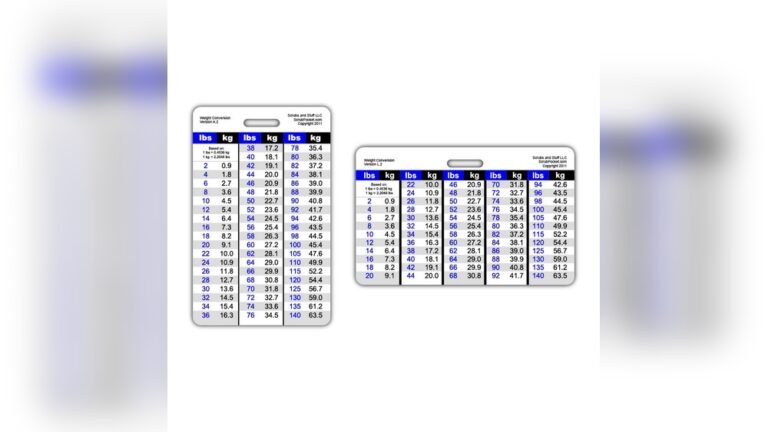
- 2.5 lb (1.1 kg)
- 5 lb (2.3 kg)
- 10 lb (4.5 kg)
- 25 lb (11.3 kg)
- 35 lb (15.9 kg) – less common
- 45 lb (20.4 kg)
Having a mix lets you adjust weight in small steps. Beginners benefit most from lower increments.
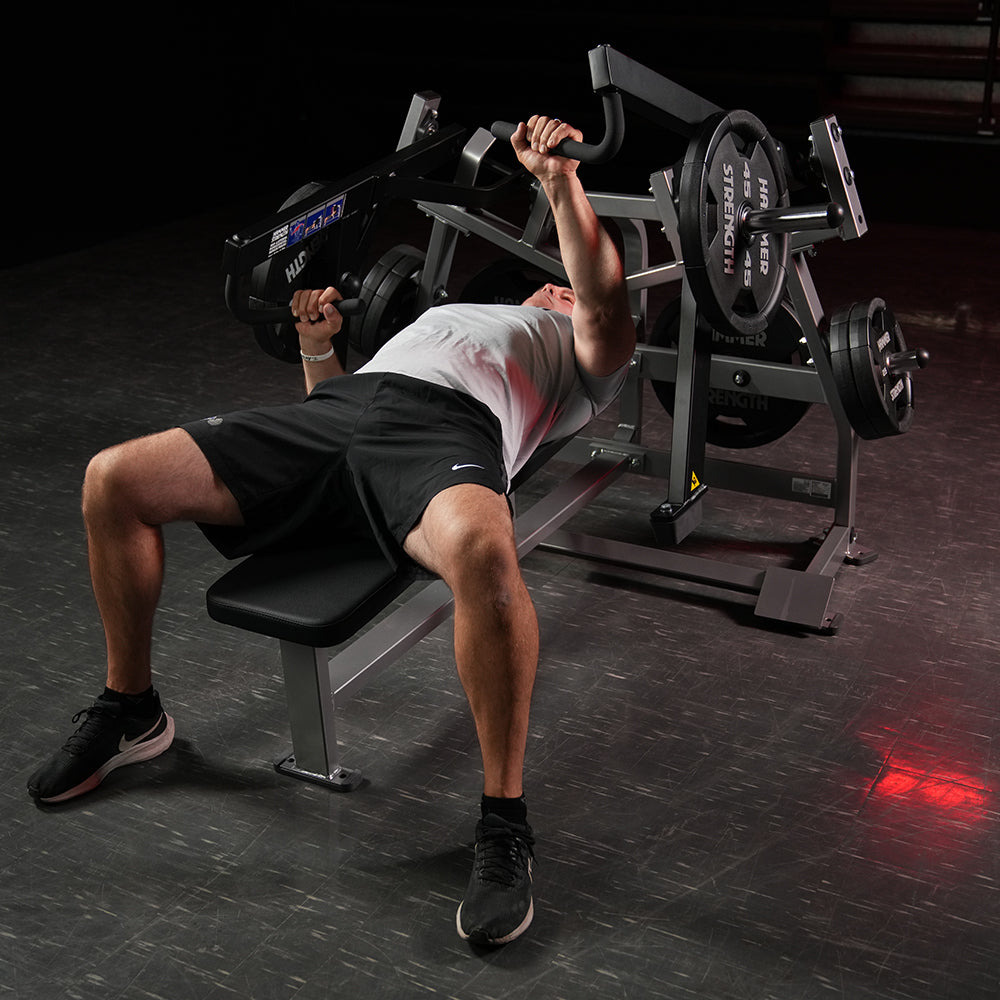
Credit: shop.lifefitness.com
Calculating How Many Weight Plates You Need
Let’s break down how to choose the right number for your home gym.
Step 1: Decide Your Starting Weight
Most beginners start with:
- Bench press: 40–60 lb (including bar)
- Squat: 40–80 lb (including bar)
- Deadlift: 60–100 lb (including bar)
Bars weigh between 15–45 lb, so adjust plates accordingly.
Step 2: Plan For Progression
Strength training is about adding weight gradually. Aim to increase by 5 lb each week in your main lifts. You’ll need plates that allow these small jumps.
Example: If your bar is 15 lb, and you want to bench 60 lb, you need 45 lb in plates. To increase by 5 lb, add a pair of 2.5 lb plates.
Step 3: Balance Your Plate Set
A practical starter set for most beginners:
- Four 10 lb plates
- Four 5 lb plates
- Four 2.5 lb plates
- Two 25 lb plates
This allows you to load up to 95 lb (not counting the bar), with flexibility for small increases.
*Suggested image placement: Weight plates organized on a rack. (alt text: Beginner weight plate set for home gym)*
Step 4: Consider Your Exercises
Think about your main lifts. For dumbbells, smaller plates are essential. For barbell work, larger plates are useful.
Step 5: Factor In Bar Weight
Don’t forget the bar’s weight. A standard barbell is usually 45 lb. Some beginner bars are lighter (15–35 lb). Always count the bar when calculating total weight.
Example Plate Set For Beginners
Here’s a simple example set for a beginner home gym:
| Plate Size | Number of Plates | Total Weight (lb) |
|---|---|---|
| 2.5 lb | 4 | 10 |
| 5 lb | 4 | 20 |
| 10 lb | 4 | 40 |
| 25 lb | 2 | 50 |
With this set, you can load:
- Up to 95 lb (plates only)
- Small increments (5 lb increases)
- Enough for bench, squat, deadlift, rows

Credit: cancerrehabpt.com
Comparing Plate Sets: Budget Vs Flexibility
Let’s compare a minimalist set vs a flexible set.
| Set Type | Plate Sizes | Max Weight (plates only) | Flexibility |
|---|---|---|---|
| Minimalist | 2 x 25 lb, 2 x 10 lb | 70 lb | Limited increments |
| Flexible | 4 x 10 lb, 4 x 5 lb, 4 x 2.5 lb | 60 lb | Small, frequent jumps |
| Balanced | 2 x 25 lb, 4 x 10 lb, 4 x 5 lb, 4 x 2.5 lb | 95 lb | Best for progress |
Non-obvious insight: Many beginners buy only big plates, but this limits their ability to progress gradually.
Practical Tips For Buying Weight Plates
When shopping, keep these points in mind:
- Quality matters: Cheap plates can crack or have inaccurate weights.
- Used plates are fine: Save money by buying second-hand, but check for rust and damage.
- Space-saving: Choose thinner plates if space is tight.
- Mix and match: You don’t have to buy one brand or set.
- Check your bar type: Make sure plates fit your bar—Olympic and standard plates are not interchangeable.
*Suggested image placement: Close-up of a barbell loaded with mixed weight plates. (alt text: Barbell loaded with mixed weight plates in home gym)*
Common Mistakes To Avoid
Avoid these beginner errors when choosing your plates:
- Buying only large plates: Limits your ability to progress slowly.
- Ignoring small plates: Makes it hard to add weight in small amounts.
- Not counting the bar weight: Leads to confusion about your true lifting numbers.
- Buying incompatible plates: Check your bar’s diameter before buying.
- Overbuying: Don’t buy plates you’ll never use; start with basics, add more as you grow.
How Weight Plates Affect Your Progress
The right plate set helps you:
- Make consistent progress
- Avoid injury by increasing slowly
- Stay motivated with visible improvements
- Try new exercises as you get stronger
If you can add weight in small steps, you’ll build strength safely and steadily.
*Suggested image placement: A chart showing weekly progress with small weight increases. (alt text: Beginner strength progress chart with small weight jumps)*
Real-life Example: Beginner Plate Set In Action
Let’s say you start bench pressing with a 15 lb bar. Your first session is 35 lb (bar + 2 x 10 lb). Next week, you add 2 x 2. 5 lb and reach 40 lb. As you get stronger, you add more plates.
With a balanced set, you can keep progressing for months before needing more weight.
Practical tip: Keep a training log. Write down which plates you use each session, so you can track progress and plan your next jump.
Upgrading Your Plate Set Over Time
As you get stronger, you may need more plates. Here’s when to upgrade:
- You can lift all your plates easily in main lifts
- You want to try heavier exercises (deadlift, squat)
- You train with a partner who needs different weights
It’s okay to start small and add plates later. For most beginners, the starter set above is enough for at least 6–12 months.
How Many Weight Plates For Different Goals
| Training Goal | Recommended Plate Set | Max Weight (plates only) |
|---|---|---|
| General strength | 2 x 25 lb, 4 x 10 lb, 4 x 5 lb, 4 x 2.5 lb | 95 lb |
| Powerlifting | 4 x 45 lb, 2 x 25 lb, 4 x 10 lb | 250 lb |
| Fitness/toning | 4 x 10 lb, 4 x 5 lb, 4 x 2.5 lb | 60 lb |
For most beginners, the general strength set is best. You can always add more as you advance.
Where To Buy Weight Plates
You can buy plates at:
- Sporting goods stores
- Online retailers
- Used equipment shops
- Local gyms selling old stock
Compare prices and check for deals. Shipping can be expensive due to weight, so local pickup is often best.
If you want more details on types and materials, check Wikipedia for a deeper overview.
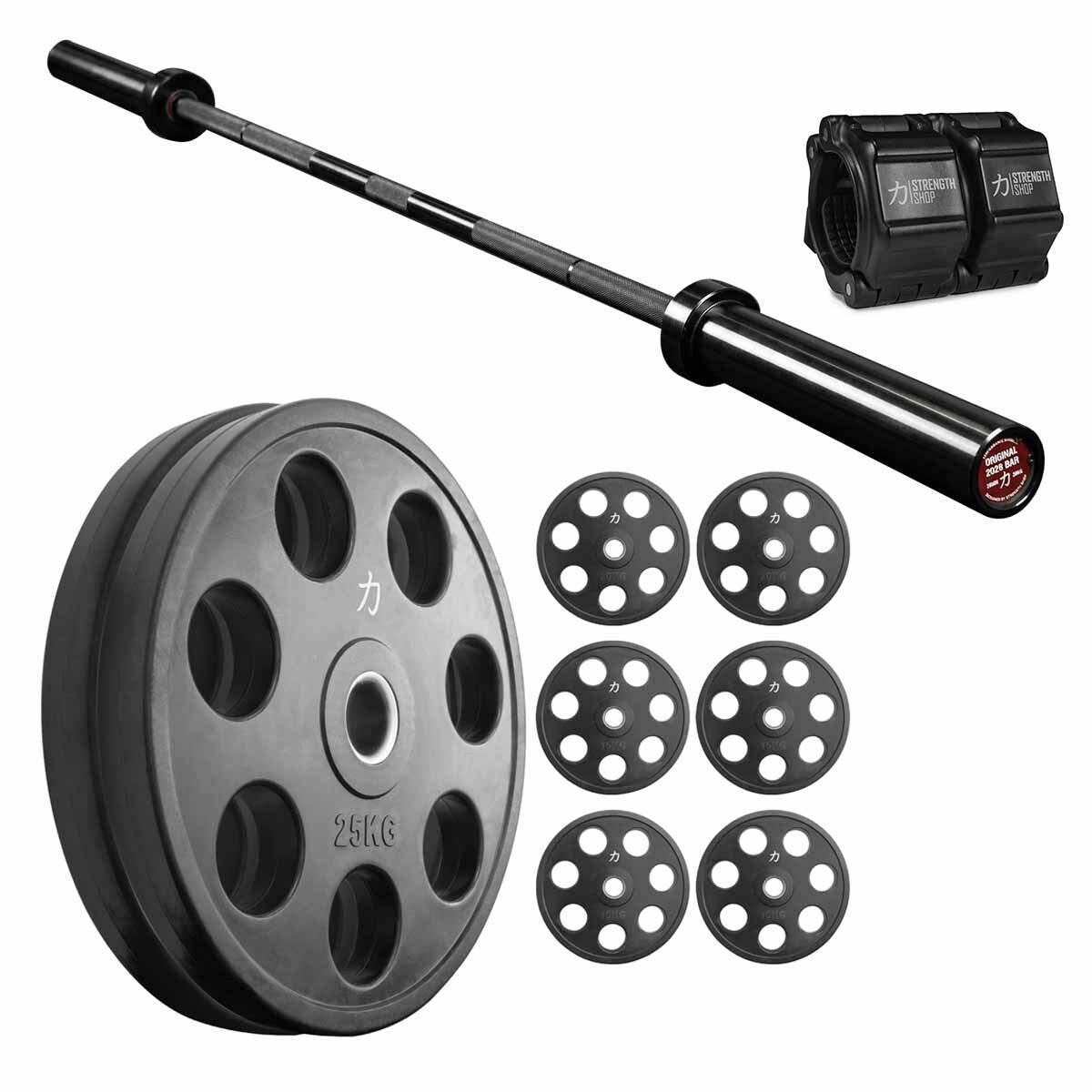
Credit: strengthshop.eu
Storing And Caring For Your Plates
Keep your plates clean and organized:
- Use a weight plate rack to save space
- Wipe plates after use to prevent rust
- Store plates off the floor to avoid moisture damage
- Check for cracks or chips regularly
Good care means your plates last for years.
*Suggested image placement: Weight plates stored neatly on a rack. (alt text: Organized weight plates storage in home gym)*
Key Takeaways For Beginner Strength Training
- Start with a balanced plate set: 2 x 25 lb, 4 x 10 lb, 4 x 5 lb, 4 x 2.5 lb
- Small plates are essential for progress
- Count the bar weight in your calculations
- Avoid buying only big plates or ignoring compatibility
- Upgrade your set as you get stronger
Building your home gym for beginner strength training is exciting. With the right number of weight plates, you’ll make steady progress and keep your workouts safe and enjoyable. The best approach is to start with a basic set, use it well, and grow your collection as your strength improves. Don’t let plate confusion slow you down—get lifting and enjoy your fitness journey!
I am a certified fitness coach with over 10 years of experience helping people improve their strength, endurance, and overall health. Specializes in workout programming, weight training, fat loss, muscle building, home fitness, and evidence-based nutrition.My goal is to make fitness simple and practical through well-researched guides, honest product reviews, and actionable training advice.