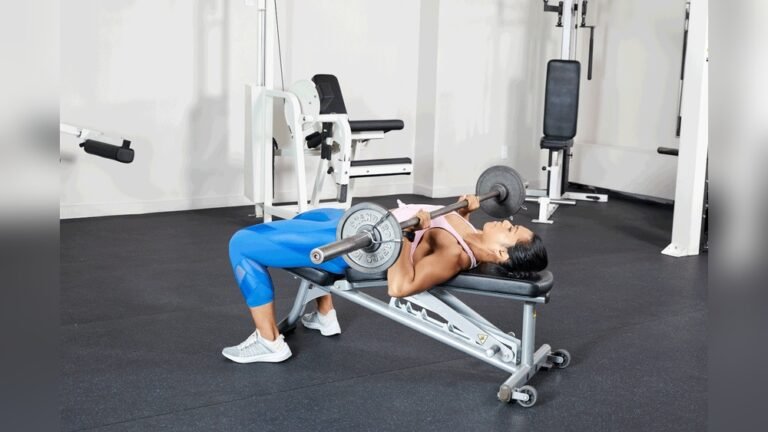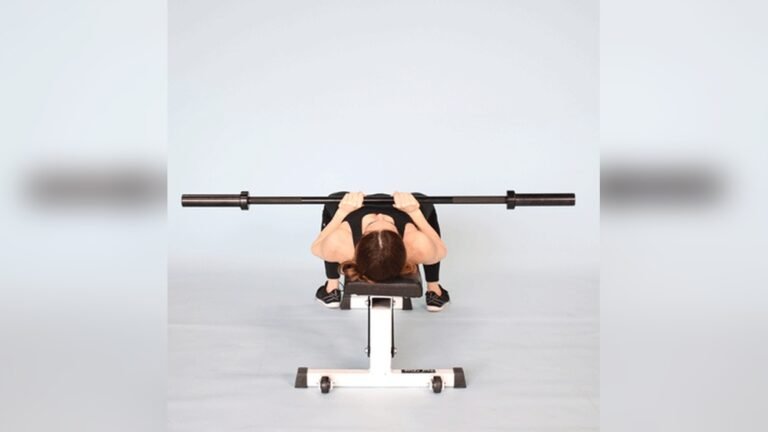

You know how important your bench press bench is to your workout routine. It’s not just a piece of equipment, it’s the foundation of your strength gains.
But if you don’t take good care of it, your bench can wear out faster, become unstable, or even unsafe. Imagine pushing your limits only to have your bench fail you mid-lift. That’s the last thing you want. That’s why maintaining your bench press bench is crucial.
You’ll discover simple, effective tips to keep your bench in top shape, so it supports every rep, every set, and every workout for years to come. Keep reading to protect your investment and maximize your performance.
Choosing The Right Bench
Material and build quality are key for a good bench press bench. Choose a bench made from strong steel to ensure it lasts long. The padding should be thick and firm for comfort and support. Look for benches with non-slip feet to keep them steady during workouts.
Weight capacity matters a lot. Pick a bench that can hold at least 300-500 pounds. This ensures safety and durability. Always check the maximum weight limit before buying.
Adjustability features help make your workout better. Benches with multiple incline and decline settings allow more exercise variety. Adjustable backrests and seat angles let you target different muscles easily. Simple, easy-to-use adjustment knobs or pins are best.

Credit: www.youtube.com
Regular Cleaning Techniques
Using disinfectant solutions like isopropyl alcohol or chlorine-based sprays helps kill germs effectively. These solutions dry quickly and do not damage the bench surface.
Cleaning the bench after every use prevents bacteria buildup. At least once daily, give it a thorough wipe down to keep it fresh and safe.
| Cleaning Tools | Purpose |
|---|---|
| Microfiber cloth | Removes dust and sweat without scratching |
| Spray bottle | Holds disinfectant for easy application |
| Soft brush | Gets into crevices and seams |
| Disposable paper towels | Good for quick cleanups and drying |
Inspecting For Wear And Tear
Check upholstery carefully for tears, cracks, or worn spots. Small damage can get worse fast. Clean the surface with mild soap and water to keep it soft. Avoid harsh chemicals that may ruin the material.
Look over the frame and joints for any bends or rust. Wobbly joints can be dangerous during workouts. Tighten loose parts and treat rust with a rust remover or paint to stop it spreading.
Inspect all bolts and screws regularly. Loose bolts can cause the bench to shake or collapse. Use the right tools to tighten them firmly but don’t overtighten, as this can strip the threads.
Lubricating Moving Parts
Lubricants come in various types such as silicone spray, grease, and oil. Silicone spray works well for light moving parts. Grease suits heavy-duty joints that face more pressure. Oil can be used for fine mechanisms but should not be over-applied.
Key areas to lubricate include the hinges, bolts, and adjustment mechanisms. These parts move often and can wear out quickly without lubrication. Also, check the bar holders and safety catches for smooth operation.
A lubrication schedule helps keep the bench in good shape. For home use, lubricate every 3-6 months. In gyms, do it monthly or after heavy use. Clean the parts before applying lubricant to avoid dirt buildup.
Tightening And Adjustments
Start by using the right tools to tighten bolts safely. Avoid overtightening, which can damage the bench or strip the bolts. Use a wrench or Allen key that fits perfectly. Check each bolt one at a time, tightening until snug but not forced.
Adjusting bench angles is simple. Loosen the adjustment knobs, set the bench to your desired angle, then securely tighten the knobs. Make sure the bench stays firm and does not wobble after adjustment.
Maintaining stability is key for safe workouts. Place the bench on a flat, even surface. Regularly inspect the frame and legs for any signs of wear or looseness. Tighten any loose parts and replace damaged ones promptly to keep the bench steady.
Storage And Placement Tips
Keep the bench in a dry place to avoid moisture. Moisture causes rust and weakens the metal parts. Use a cover to protect it from dust and damp air. Wipe the bench dry if it gets wet.
Place the bench away from direct sunlight. Sunlight can fade the paint and damage padding over time. Choose a shaded corner or inside a room with good ventilation.
Use the space wisely. Keep enough room around the bench for safe movement. Store weights and tools nearby but not too close. This optimizes space and keeps the area tidy and safe.
Preventing Common Damage
Avoiding overloading the bench press bench is key to prevent damage. Do not exceed the bench’s maximum weight limit. Use weights that match your strength level. Overloading can cause frame bending or weld breakage.
Follow proper usage practices to keep the bench safe. Always use the bench on a flat, stable surface. Sit or lie gently to avoid sudden impact. Ensure all bolts and screws are tight before use.
Careful handling and moving the bench extend its life. Lift the bench with help, not by dragging it. Use handles or grips if available. Store the bench in a dry place to prevent rust and wear.
Troubleshooting Common Issues
Wobbly benches often result from loose bolts or uneven floor surfaces. Tighten all nuts and bolts using a wrench. Place rubber mats or pads under the bench legs to stabilize it on uneven floors. Check the frame regularly for any bent or broken parts and replace them if needed.
Repairing tears in upholstery can extend the bench’s life. Use vinyl repair kits available at most stores. Clean the area around the tear before applying the patch. For small tears, strong fabric glue works well. Replace the upholstery if damage is too large.
Rust spots reduce the bench’s strength and look bad. Remove rust with sandpaper or a wire brush. Apply a rust converter or primer to stop it from returning. Finally, paint the affected area with rust-resistant paint to protect the metal.
Enhancing Bench Longevity
Using protective covers keeps your bench safe from dust and sweat. Covers help stop rust and wear on the bench’s surface. They are easy to clean and replace.
A routine maintenance checklist includes checking bolts, cleaning surfaces, and inspecting padding. Tighten loose screws often to keep the bench stable. Wipe down the bench after every use to prevent dirt buildup.
| Part | Signs of Wear | When to Upgrade |
|---|---|---|
| Padding | Cracks or thinning | Every 1-2 years or if uncomfortable |
| Bolts & Screws | Rust or looseness | Replace if damaged or lost |
| Frame | Rust or bending | Upgrade if stability is lost |

Credit: www.youtube.com

Credit: powertec.com
Frequently Asked Questions
How To Maintain Bench Press?
Maintain your bench press by keeping shoulder blades retracted and feet planted firmly. Use progressive overload and allow rest days. Incorporate accessory exercises for support. Clean the bench regularly with disinfectant. Focus on proper form and consistent training for strength and stability.
What Is The 5-3-1 Rule In Gym?
The 5-3-1 rule is a strength training program using sets of 5, 3, and 1 rep at increasing weights. It builds muscle and strength progressively.
How Rare Is A 225lb Bench Press?
A 225lb bench press is moderately rare for beginners but common among experienced lifters. It shows solid upper body strength.
What Do Gyms Use To Clean Benches?
Gyms clean benches using disinfectant sprays, antibacterial wipes, or pre-moistened towels. Staff and users wipe surfaces regularly to maintain hygiene.
Conclusion
Regular care keeps your bench press bench safe and strong. Clean sweat and dust after each use. Check bolts and screws to avoid loose parts. Lubricate moving parts to ensure smooth motion. Store the bench in a dry place to prevent rust.
Small fixes now stop bigger problems later. A well-maintained bench helps you lift with confidence. Simple steps extend the life of your equipment. Stay consistent with these tips for best results. Your bench press bench will serve you well for years.

I am a certified fitness coach with over 10 years of experience helping people improve their strength, endurance, and overall health. Specializes in workout programming, weight training, fat loss, muscle building, home fitness, and evidence-based nutrition.My goal is to make fitness simple and practical through well-researched guides, honest product reviews, and actionable training advice.