When it comes to building a strong, sculpted chest, the bench press is your go-to exercise. But did you know that the type of bench you use can make a big difference in how effective your workout is?
Whether you’re aiming to boost your strength, improve muscle balance, or target specific areas of your chest, choosing the right bench press bench is key. You’ll discover the different types of bench press benches available and how each one can help you reach your fitness goals faster.
Ready to take your bench press game to the next level? Keep reading to find out which bench suits your needs best.
Barbell Bench Press
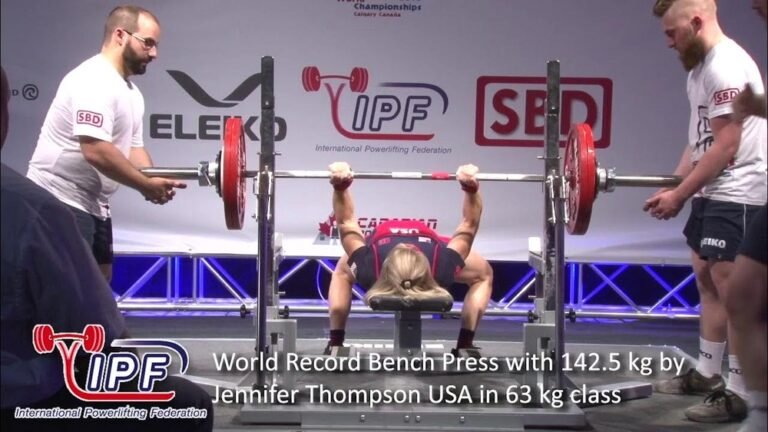
The Barbell Bench Press helps build strong chest, shoulders, and triceps. It allows lifting heavy weights with both arms together. This makes it great for strength gains and muscle growth.
It is ideal for powerlifters, athletes, and anyone wanting to increase upper body strength. Also, it works well for building a solid workout base.
| Variation | Description |
|---|---|
| Flat Bench Press | Standard position targeting the entire chest. |
| Incline Bench Press | Bench set at an angle to target upper chest. |
| Decline Bench Press | Bench angled downward to hit lower chest muscles. |
| Close-Grip Bench Press | Hands placed closer to focus on triceps. |
Dumbbell Bench Press
The dumbbell bench press offers many advantages over other bench types. It allows each arm to move independently, which helps fix muscle imbalances. This leads to better muscle symmetry and growth.
Using dumbbells increases muscle activation because your body must stabilize each weight separately. This engages more muscles, especially in the chest and arms. The range of motion is also greater, helping muscles stretch and contract fully.
For shoulder health, dumbbells are safer. They allow your arms to move naturally, reducing stress on the shoulder joints. This lowers the risk of injury and improves joint mobility. A regular dumbbell bench press routine can strengthen shoulders and support overall fitness.
Incline Bench Press
The incline bench press mainly works the upper chest muscles. It also helps the front shoulders and triceps. This makes it a great choice for building a strong upper body.
You can do this exercise using different equipment options. Common tools include a barbell or dumbbells. Dumbbells allow more freedom of movement and help fix muscle imbalances. Barbells let you lift heavier weights and increase strength faster.
| Equipment | Advantages |
|---|---|
| Barbell | Lift heavier weights, build max strength |
| Dumbbells | Better range of motion, fix muscle imbalances |
Decline Bench Press
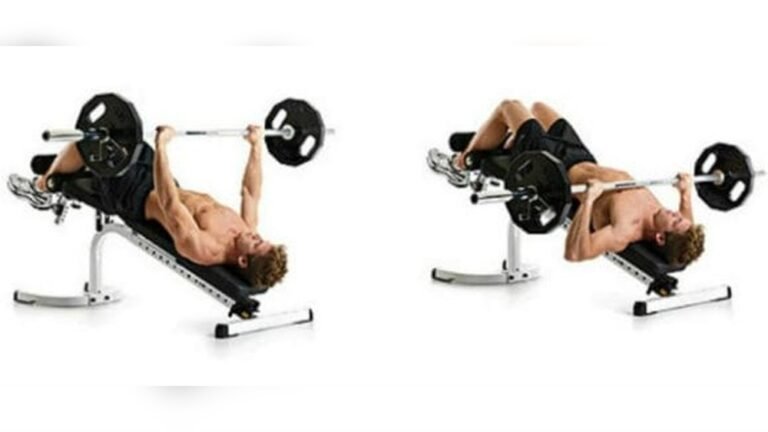
The decline bench press mainly targets the lower chest muscles. This helps create a balanced chest look and adds strength to the lower part. It is useful when the upper chest is already strong or when focusing on lower chest growth.
Use the decline bench press to reduce stress on your shoulders. It also helps if you feel discomfort during flat or incline presses. The bench is set at a downward angle, usually between 15 to 30 degrees.
| Variation | Setup | Focus |
|---|---|---|
| Barbell Decline Press | Lie on decline bench, grip bar wider than shoulders | Lower chest, overall strength |
| Dumbbell Decline Press | Use dumbbells, control range of motion | Muscle balance, lower chest activation |
| Decline Push-Up | Feet elevated, hands on floor | Bodyweight lower chest workout |
Close-grip Bench Press
The close-grip bench press mainly targets the triceps muscles. This grip is narrower than the regular bench press, which shifts effort from the chest to the triceps. It is great for building stronger and bigger triceps.
Hold the barbell with hands about shoulder-width apart. Lower the bar slowly to your chest, keeping your elbows close to your body. Press the bar back up using your triceps.
To prevent injury, keep wrists straight and avoid flaring elbows out. Use a spotter or lighter weight to stay safe. Warm up properly and do not lock your elbows at the top.

Credit: gripzilla.co
Choosing The Right Bench Press
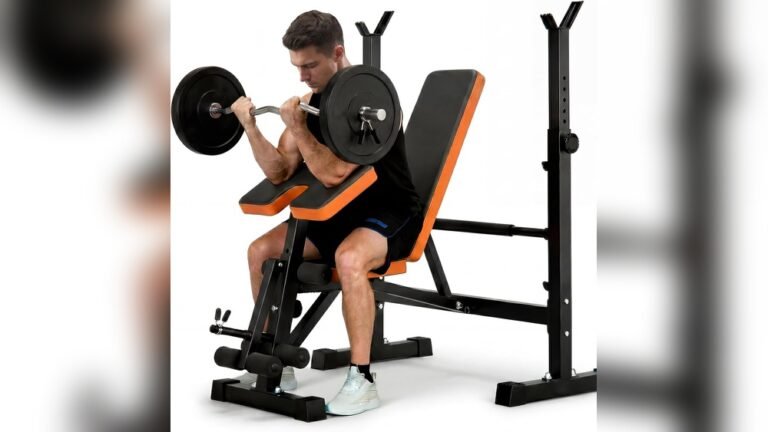
Choosing the right bench press depends on your goals and strength levels. Beginners often start with a flat bench to build basic strength. More advanced lifters may prefer incline or decline benches to target different muscles. Adjust the bench angle to match your workout needs.
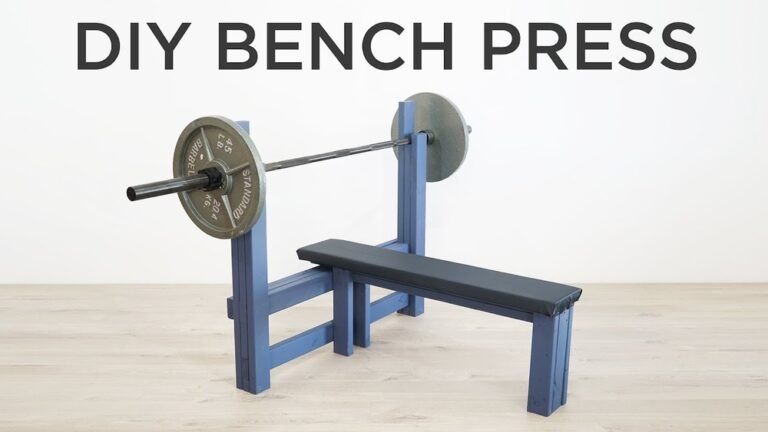
Space and equipment also matter. A flat bench takes less room and fits most home gyms. Adjustable benches offer more options but need more space. Consider your room size and available tools before buying.
Combining different bench press variations can improve overall strength and prevent boredom. Try mixing flat, incline, and decline presses in your routine. This helps work all parts of your chest and keeps your muscles growing.
Barbell Vs Dumbbell: Which To Pick
Barbell bench press lets you lift heavier weights. It builds maximum strength fast. You push both arms together, so one side can help the other. This sometimes hides muscle imbalances.
Dumbbell bench press needs each arm to work alone. This helps fix muscle imbalances and makes muscles on both sides grow equally. You also get a bigger range of motion, which can make your chest muscles stretch more deeply.
Barbells have a fixed path, so the bar moves straight up and down. Dumbbells allow your hands to move freely, which feels more natural for shoulders. This can reduce injury risk.
| Feature | Barbell | Dumbbell |
|---|---|---|
| Strength | Higher max load | Moderate load |
| Symmetry | Can mask imbalances | Helps fix imbalances |
| Range of Motion | Limited | Greater |
| Shoulder Safety | Less natural movement | More natural movement |
Combining both in your workouts can give balanced results. Use barbells for heavy lifting days. Use dumbbells to improve muscle balance and joint health.

Credit: www.yanrefitness.com
Safety And Form Tips
Proper setup is key for a safe bench press. Start by lying flat on the bench with feet firmly on the ground. Keep your back slightly arched and shoulder blades squeezed together. Grip the barbell evenly, just wider than shoulder width. This helps control the bar and reduce injury risk.
Common mistakes include lifting hips off the bench, bouncing the bar off the chest, and flaring elbows too wide. These can cause strain or injury. Keep movements slow and controlled. Lower the bar to your chest, then push up without locking elbows.
Spotting and assistance add safety during heavy lifts. A spotter should stand behind you, ready to help if the bar becomes too heavy. Communicate clearly before starting. Use a spotter especially if lifting max weights or training alone. This prevents accidents and builds confidence.
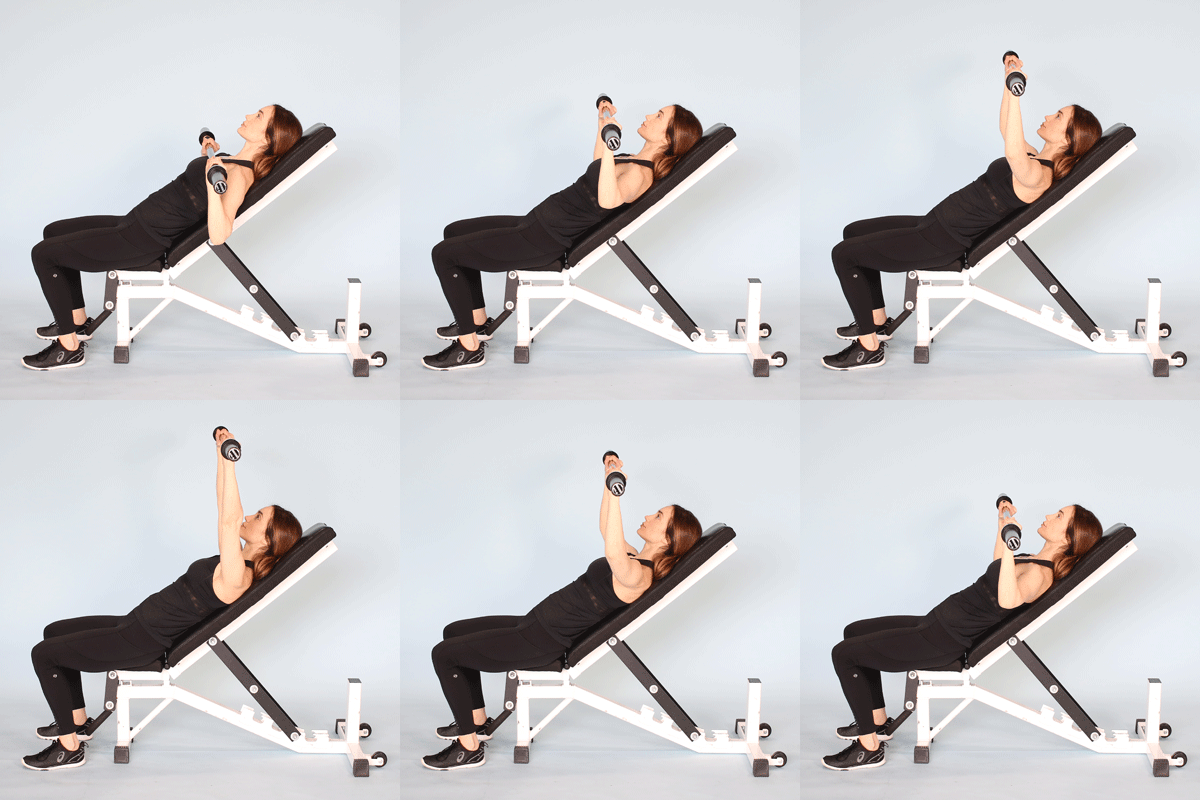
Credit: www.healthline.com
Frequently Asked Questions
What Are The Three Types Of Bench Press?
The three types of bench press are flat, incline, and decline. Each targets different chest areas and muscle groups.
What Is Brad Pitt’s Bench Press?
Brad Pitt’s bench press max is estimated around 225 pounds. He focuses on functional strength, not maximum lifts.
Is Db Or Bb Bench Better?
Barbell bench press builds maximum strength with heavier loads. Dumbbell bench press improves muscle balance, range of motion, and shoulder health. Combining both optimizes overall muscle growth and symmetry.
How Rare Is A 225lb Bench Press?
A 225lb bench press is moderately rare, achievable by intermediate lifters with consistent training. It signifies solid upper body strength.
Conclusion
Choosing the right bench press bench depends on your fitness goals. Flat benches suit general strength training well. Incline benches focus more on upper chest muscles. Decline benches target the lower chest effectively. Adjustable benches offer flexibility for different exercises.
Consider your space and budget before buying. Using the correct bench improves workout safety and results. Try different types to see what fits your routine best. Keep your goals clear and train consistently for success.
I am a certified fitness coach with over 10 years of experience helping people improve their strength, endurance, and overall health. Specializes in workout programming, weight training, fat loss, muscle building, home fitness, and evidence-based nutrition.My goal is to make fitness simple and practical through well-researched guides, honest product reviews, and actionable training advice.