Are you getting the most out of your resistance bands? These simple, yet powerful workout tools can transform your fitness routine—but only if you take good care of them.
Neglecting your bands can lead to cracks, tears, or even sudden snapping, putting your progress and safety at risk. The good news? With a few easy maintenance tips, you can keep your resistance bands strong, stretchy, and ready for every workout.
Keep reading to discover how to extend the life of your bands, avoid common mistakes, and protect your investment so you never miss a beat in your training. Your future self will thank you!

Credit: www.thesilverlining.com
Cleaning Methods
Resistance bands need regular cleaning to stay in good shape. Dirt, sweat, and oils can damage the material. Proper cleaning methods help keep the bands safe and stretchy for longer. Below are simple ways to clean your resistance bands effectively.
Using Soapy Water
Fill a bowl with warm water and add a small amount of mild soap. Dip a soft cloth into the soapy water. Gently rub the band’s surface to remove dirt and sweat. Avoid soaking the bands for too long to prevent damage. Rinse the bands with clean water after washing to remove soap residue.
Wiping And Drying Techniques
After cleaning, use a dry cloth to wipe off excess water. Do not use paper towels as they can leave fibers on the bands. Lay the bands flat on a clean towel to air dry. Keep them away from direct sunlight or heat sources. Make sure the bands are completely dry before storing or using them again.
Frequency Of Cleaning
Clean your resistance bands after every few uses or workouts. More frequent cleaning is needed if you sweat a lot during exercise. Regular cleaning prevents bacteria buildup and keeps the bands smelling fresh. Keeping a cleaning schedule helps maintain the band’s strength and elasticity over time.

Credit: www.fitsimplify.com
Proper Storage
Proper storage of resistance bands extends their life and keeps them safe to use. Bands stored well avoid damage like cracks, tears, or loss of elasticity. This section explains how to store bands correctly to keep them in top shape. Small steps make a big difference over time.
Avoiding Sunlight And Heat
Sunlight breaks down the rubber material quickly. Heat causes bands to lose stretch and become brittle. Store bands away from windows and direct light. Avoid placing bands near heaters or hot appliances. Cool, dark places are best for keeping bands strong and flexible.
Hanging Vs. Laying Flat
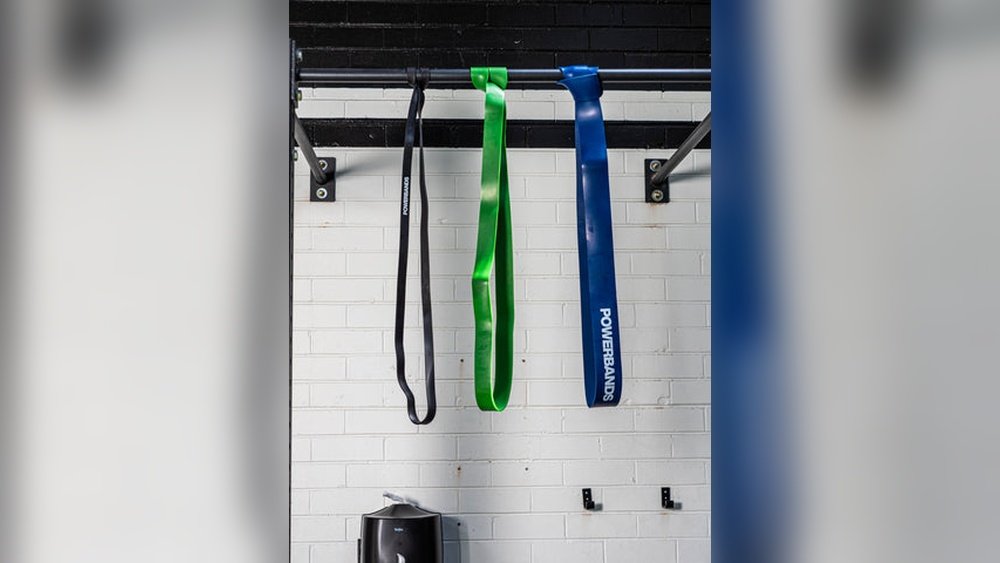
Hanging bands prevents creases and folds that can cause weak spots. Use hooks or hangers designed for bands. Laying bands flat works too but avoid sharp bends. Folding bands tightly can cause cracks and shorten their life. Choose a storage method that keeps bands smooth and unstressed.
Vacuum Bags And Dark Spaces
Vacuum bags protect bands from dust, moisture, and air exposure. They also save space in your storage area. Store vacuum-sealed bands in dark drawers or closets. Dark spaces reduce light exposure and help maintain material strength. Clean bands before sealing them to avoid trapping dirt inside.
Handling Tips
Proper handling of resistance bands extends their life and keeps workouts safe. These bands stretch and contract many times during use. Gentle care prevents damage and maintains their strength. Follow simple tips to handle bands correctly and avoid common problems.
Avoiding Overstretching
Do not stretch bands beyond their limit. Overstretching causes tears and weak spots. Check the band’s maximum stretch length. Stop pulling once you reach that point. Use bands that match your strength level. This keeps the material intact and lasting longer.
Safe Anchoring Surfaces
Choose smooth, sturdy surfaces to anchor bands. Rough edges can cut or wear the bands. Avoid metal hooks or sharp corners. Use door anchors or padded hooks made for bands. Secure the band firmly to avoid snapping back during exercise.
Designating Training Zones
Create a dedicated space for band workouts. Keep the area clean and free of debris. Dirt and dust can damage the band’s surface. Store bands in a cool, dry spot after use. This prevents exposure to sunlight or moisture that weakens the material.

Credit: powerbands.com.au
Maintenance Products
Proper maintenance products help extend the life of resistance bands. Using the right items keeps bands flexible and safe. Avoid harsh chemicals that can damage the material. Focus on gentle cleaning and appropriate lubrication for best results.
Using Oils And Lubricants
Oils and lubricants reduce friction and prevent cracking. Use light silicone-based oils or specialized rubber conditioners. Apply a few drops on the band surface. Rub evenly to coat both sides. Wipe off excess oil with a soft cloth. Avoid heavy oils that attract dirt or degrade the band. Regular application keeps bands smooth and stretchy.
Recommended Cleaning Agents
Choose mild soap and warm water for cleaning. Mix a small amount of gentle soap in water. Use a soft cloth or sponge to wipe bands. Avoid harsh detergents, bleach, or alcohol-based cleaners. These can cause brittleness and reduce elasticity. Rinse thoroughly and air dry away from direct sunlight. Clean bands after each workout to remove sweat and dirt.
Extending Lifespan
Resistance bands offer excellent workout benefits but need proper care to last long. Extending their lifespan saves money and keeps your exercises safe. Simple habits can protect bands from damage and wear. Understanding factors that affect their durability is key. Follow these tips to maintain your resistance bands effectively.
Temperature Effects
Extreme heat or cold harms resistance bands. High temperatures make bands soft and sticky. Cold temperatures cause brittleness and cracking. Store bands in a room with stable, moderate temperature. Avoid leaving bands in direct sunlight or hot cars. Proper temperature control prevents early wear and tear.
Refrigeration Considerations
Some suggest refrigerating bands to relax the rubber polymers. Cold can slow down aging and extend life slightly. Do not stretch bands immediately after removing from the fridge. Sudden temperature changes weaken the material quickly. Allow bands to warm to room temperature before use. Use refrigeration sparingly and with care.
Replacing When Necessary
Resistance bands do not last forever. Check bands often for tears, cracks, or thinning. Replace bands showing damage to avoid injury during workouts. Signs of wear include loss of elasticity or changes in texture. Keep backup bands ready for safe, consistent training. Timely replacement protects your health and workout quality.
Frequently Asked Questions
How To Maintain Resistance Bands?
Clean resistance bands with mild soap and water after each use. Dry thoroughly before storing. Store bands away from sunlight and heat. Avoid sharp objects during workouts. Inspect regularly for damage and replace if worn.
Should You Oil Resistance Bands?
Do not oil resistance bands regularly; oil can damage their material. Instead, clean with mild soap and store away from sunlight.
What Is The Lifespan Of A Resistance Band?
Resistance bands typically last 1 to 3 years with regular use. Proper cleaning, avoiding sunlight, and storing them correctly extend their lifespan. Replace bands if you notice cracks, tears, or loss of elasticity to ensure safe workouts.
What Can Help Rubber Bands To Last Longer?
Clean rubber bands regularly with mild soap, dry them thoroughly, and store away from heat and direct sunlight to extend their life. Avoid overstretching and keep them in a cool, dark place.
Conclusion
Proper care keeps resistance bands safe and effective for workouts. Clean bands with mild soap and water after use. Dry them fully before storing to avoid damage. Store bands in cool, dark places away from sunlight. Avoid sharp objects and rough surfaces during exercises.
Mark workout zones to prevent accidental tearing or overstretching. Regular maintenance extends the life of your bands. Simple habits protect your investment and improve workout safety. Follow these tips to enjoy strong, reliable resistance bands longer.

I am a certified fitness coach with over 10 years of experience helping people improve their strength, endurance, and overall health. Specializes in workout programming, weight training, fat loss, muscle building, home fitness, and evidence-based nutrition.My goal is to make fitness simple and practical through well-researched guides, honest product reviews, and actionable training advice.